

If you’re wondering how to stop dog chewing, you’re not alone—destructive chewing is one of the most common behavioral issues vets and trainers encounter. Whether your pup is gnawing on furniture, shoes, or that one throw pillow you actually liked, the good news is that this behavior is totally manageable with the right approach.
Table of Contents
- Why Dogs Chew (And It’s Not Just Because They’re Jerks)
- Method 1: Provide Appropriate Chewing Outlets
- Method 2: Create a Safe Chewing Space
- Method 3: Manage Your Dog’s Stress and Anxiety
- Method 4: Use Taste Deterrents and Preventative Measures
- Method 5: Consistent Training and Supervision
- Puppy Chewing vs. Adult Dog Chewing: What’s Different?
- Enrichment Activities That Reduce Destructive Chewing
- When to Seek Professional Help
- Common Mistakes People Make When Stopping Dog Chewing
- Frequently Asked Questions
- Summary: Your Action Plan for Success
Why Dogs Chew (And It’s Not Just Because They’re Jerks)
Before we dive into solutions, let’s talk about why dogs chew in the first place. Your furry friend isn’t trying to ruin your life—they’re actually following their natural instincts. Puppies chew to explore their world and ease teething pain. Adult dogs chew for mental stimulation, stress relief, and sometimes out of boredom. According to the American Kennel Club, understanding the root cause of chewing is essential before implementing any training strategy.
Method 1: Provide Appropriate Chewing Outlets
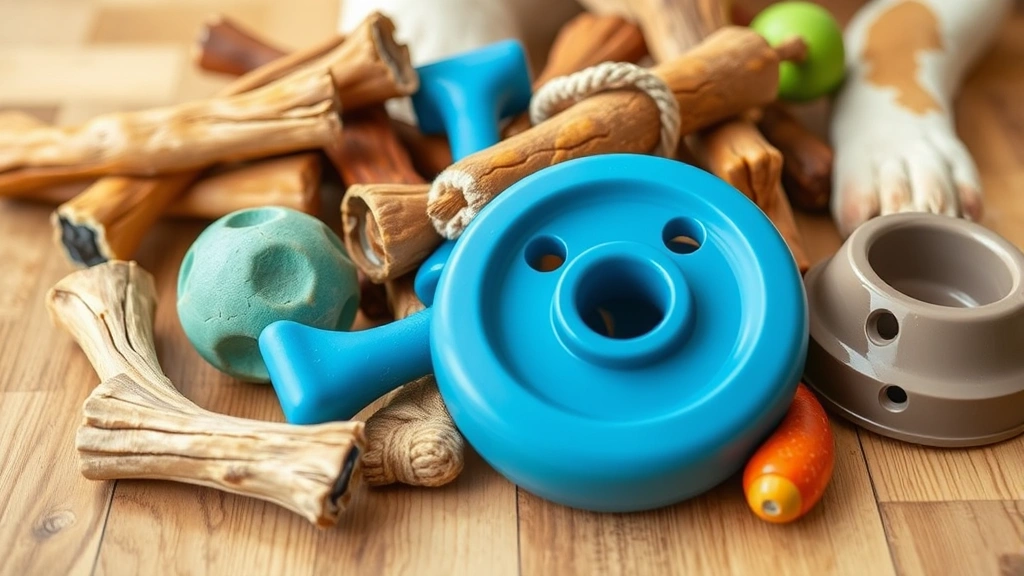
The most effective way to stop dog chewing destructive items is to redirect that energy toward appropriate toys. Stock your home with high-quality chew toys designed for your dog’s size and chewing intensity. Kong toys, Nylabone products, and rubber toys filled with treats are excellent options. Rotate toys weekly to keep them fresh and exciting. When your dog chooses the right toy, reward them enthusiastically with praise and treats. This positive reinforcement teaches them what’s acceptable to chew and what isn’t.
Method 2: Create a Safe Chewing Space
Designate a specific area where chewing is encouraged and safe. This could be a playpen with washable mats and their favorite toys. Make this space inviting and comfortable—think of it as their personal chewing sanctuary. When you can’t supervise your dog, confining them to this space prevents access to forbidden items while allowing their natural chewing behavior to flourish. This approach is particularly useful for puppies still learning boundaries and for dogs with separation anxiety.
Method 3: Manage Your Dog’s Stress and Anxiety
Excessive chewing often signals underlying stress or anxiety. Dogs experiencing separation anxiety, fear, or boredom may chew destructively as a coping mechanism. Increase physical exercise through daily walks, playtime, and interactive games. Mental stimulation is equally important—puzzle toys, scent games, and training sessions keep their brains engaged. If anxiety seems severe, consult your veterinarian about behavioral modification techniques or, if necessary, anti-anxiety medication options.
Method 4: Use Taste Deterrents and Preventative Measures
Bitter sprays and taste deterrents can discourage chewing on specific items. Products like bitter apple spray applied to furniture or baseboards make those areas unappealing. However, these work best as temporary measures while you’re establishing better habits. Always supervise your dog initially to ensure the deterrent doesn’t cause adverse reactions. Some dogs are stubborn and ignore taste deterrents entirely, so this method works better for some pups than others.
Method 5: Consistent Training and Supervision
Consistency is absolutely crucial when learning how to stop dog chewing unwanted items. Supervise your dog closely during the training phase, using a leash indoors if necessary. When you catch them chewing something inappropriate, calmly redirect them to an acceptable toy. Never punish after the fact—dogs won’t understand why you’re upset if they’re not caught in the moment. Reward heavily when they make good choices. This positive reinforcement approach builds better long-term habits than punishment-based methods.
Puppy Chewing vs. Adult Dog Chewing: What’s Different?
Puppies chew as part of their normal development, especially during teething (around 3-6 months old). This is actually a critical learning period for teaching proper chewing habits. Adult dogs who suddenly increase destructive chewing may be experiencing boredom, anxiety, or health issues. Check our Pet Nutrition Advice guide to ensure your dog’s diet supports healthy development and mood stability. According to PetMD, nutritional deficiencies can sometimes contribute to compulsive chewing behaviors.
Enrichment Activities That Reduce Destructive Chewing
Boredom is a major culprit behind excessive chewing. Implement enrichment activities that challenge your dog mentally and physically. Puzzle feeders, snuffle mats, and hide-and-seek games with treats keep their minds occupied. Consider rotating toys to maintain novelty. You might also explore our Pet Treat Recipes for homemade options that can be frozen in toys for extended entertainment. Long-lasting chews like bully sticks or yak chews provide hours of appropriate chewing satisfaction.
When to Seek Professional Help
If your dog’s chewing behavior is severe, destructive, or accompanied by other behavioral issues, it’s time to consult a professional. Certified dog trainers and veterinary behaviorists can identify underlying issues and create customized training plans. Excessive chewing combined with anxiety symptoms, aggression, or self-injury warrants immediate veterinary attention. Your vet can rule out medical issues like dental disease or nutritional deficiencies that might be driving the behavior.
Common Mistakes People Make When Stopping Dog Chewing
Many dog owners inadvertently reinforce bad chewing habits. Yelling at your dog for chewing shoes gives them attention—which, to them, is a reward. Leaving tempting items accessible sets them up for failure. Inconsistent enforcement means your dog never learns the rules clearly. Expecting overnight results is unrealistic; behavior modification takes weeks or months. Be patient, stay consistent, and remember that your dog isn’t being malicious—they’re just being a dog.
Frequently Asked Questions
At what age do puppies stop chewing everything?
Most puppies’ teething phase ends around 6-7 months old, but chewing behavior can continue into adulthood if not properly managed. Adult dogs may chew throughout their lives if they haven’t learned appropriate outlets. Consistent training during the puppy phase sets the foundation for better behavior later.
Are certain dog breeds more prone to destructive chewing?
High-energy breeds like Border Collies, Jack Russell Terriers, and Labrador Retrievers tend to chew more when under-stimulated. However, any dog can develop destructive chewing habits without proper exercise, mental enrichment, and training. Individual personality and early socialization matter more than breed alone.

Can diet affect chewing behavior?
Absolutely. Nutritional deficiencies, allergies, or digestive issues can increase chewing behavior. Ensure your dog receives a balanced, high-quality diet. Check our Pet Dietary Restrictions guide if your dog has specific health concerns. Discuss dietary adjustments with your veterinarian if chewing suddenly increases.
Is it ever too late to train an adult dog to stop chewing?
Never! Adult dogs can absolutely learn new behaviors. It may take longer than training a puppy, but with patience and consistency, you can successfully redirect even established chewing habits. Older dogs sometimes respond even better to training because they have longer attention spans and more impulse control than puppies.
What’s the difference between normal chewing and compulsive chewing?
Normal chewing is purposeful and occurs during specific times (like when bored or stressed). Compulsive chewing is excessive, repetitive, and happens regardless of circumstances. Compulsive chewing often indicates anxiety, medical issues, or behavioral problems requiring professional intervention. Your vet can help distinguish between the two.
Summary: Your Action Plan for Success
Learning how to stop dog chewing requires patience, consistency, and understanding. Start by providing appropriate chewing outlets, managing stress through exercise and enrichment, and maintaining close supervision during the training phase. Use positive reinforcement to reward good choices and redirect unwanted behavior. Remember that chewing is a natural dog behavior—your goal isn’t to eliminate it entirely, but to channel it productively. With these five proven methods, you’ll see significant improvement in your dog’s behavior within weeks. Stay consistent, celebrate small victories, and don’t hesitate to seek professional help if needed. Your shoes—and your sanity—will thank you.





