
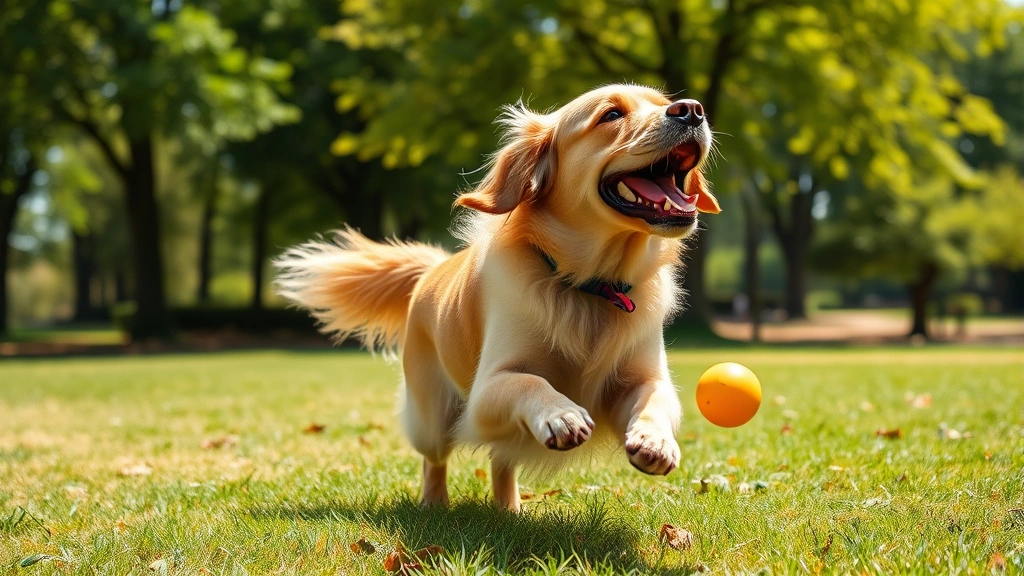
Let’s be real—if you’ve caught your furry friend munching on their own feces, you’ve probably experienced that special blend of horror and confusion that only dog parents know. The good news? How to stop dog eating poop feces is absolutely solvable, and you’re not alone in dealing with this gross-but-common behavior called coprophagia.
Table of Contents
- Why Do Dogs Eat Poop in the First Place?
- Method 1: Optimize Your Dog’s Diet and Nutrition
- Method 2: Maintain Impeccable Yard and Litter Box Hygiene
- Method 3: Increase Exercise and Mental Stimulation
- Method 4: Use Training Techniques and Deterrents
- Method 5: Address Underlying Medical and Behavioral Issues
- The Role of Dietary Adjustments in Prevention
- Monitoring for Constipation and Digestive Issues
- When to Seek Professional Help
- Summary: Your Action Plan
- Frequently Asked Questions
Why Do Dogs Eat Poop in the First Place?
Before we jump into solutions, let’s understand the “why.” Dogs eat poop for surprisingly varied reasons, and identifying the root cause is half the battle. Some pups do it out of boredom, others due to nutritional deficiencies, and some simply because they’re curious creatures with questionable taste in snacks.
Medical issues top the list of culprits. Parasites, malabsorption disorders, and enzyme deficiencies can all trigger this behavior. Your dog might be trying to reclaim nutrients their body isn’t absorbing properly. If your pup recently started this habit, a vet visit should be your first stop.
Behavioral factors also play a huge role. Anxiety, attention-seeking, and plain old boredom can drive dogs to explore their feces. Puppies especially engage in this behavior as part of their learning process, though most outgrow it naturally.
Method 1: Optimize Your Dog’s Diet and Nutrition
One of the most effective ways to address coprophagia is through proper nutrition. When dogs aren’t getting adequate enzymes, probiotics, or nutrients, their bodies sometimes signal them to seek these missing components in unusual places—like their own waste.
Start by evaluating your dog’s current food. Low-quality kibble with poor digestibility can leave your pup feeling unsatisfied and nutrient-depleted. Consider switching to a high-quality, easily digestible diet rich in natural enzymes. Look for foods with named meat sources as the first ingredient and minimal fillers.
Adding digestive enzymes and probiotics can make a significant difference. These supplements help your dog absorb nutrients more efficiently, reducing the urge to eat feces. Bone broth is another fantastic addition—it’s nutrient-dense and supports gut health. Check out our bone broth recipes for pets for easy homemade options.
Vitamin and mineral deficiencies, particularly B vitamins and iron, can also trigger this behavior. A consultation with a vet nutritionist can help identify specific gaps. Our telehealth pet nutrition consultation service connects you with experts who can create a customized plan for your pup.
Method 2: Maintain Impeccable Yard and Litter Box Hygiene
This one’s simple but crucial: remove the temptation. The fastest way to stop your dog from eating poop is to ensure there’s no poop to eat in the first place.
Pick up after your dog immediately during bathroom breaks. Don’t let waste sit in the yard for hours—make it a habit to grab a poop bag right after your pup finishes. This eliminates the primary source of the behavior and makes training significantly easier.
If you have cats, manage their litter box carefully. Many dogs find cat feces absolutely irresistible (gross, but true). Keep the litter box in a dog-free zone or use a covered box with a small entrance only cats can access. This prevents your dog from treating the litter box like an all-you-can-eat buffet.
For multi-dog households, supervise outdoor time and clean up immediately. The more vigilant you are about waste removal, the fewer opportunities your dog has to engage in this behavior.
Method 3: Increase Exercise and Mental Stimulation
Bored dogs do weird things. Coprophagia is sometimes just another way your pup says, “Hey, I’m not getting enough entertainment here!” Increasing physical activity and mental enrichment can dramatically reduce this behavior.
Aim for at least 30-60 minutes of exercise daily, depending on your dog’s age, breed, and energy level. This could be walks, runs, fetch sessions, or trips to the dog park. Tired dogs are less likely to engage in destructive or gross behaviors.
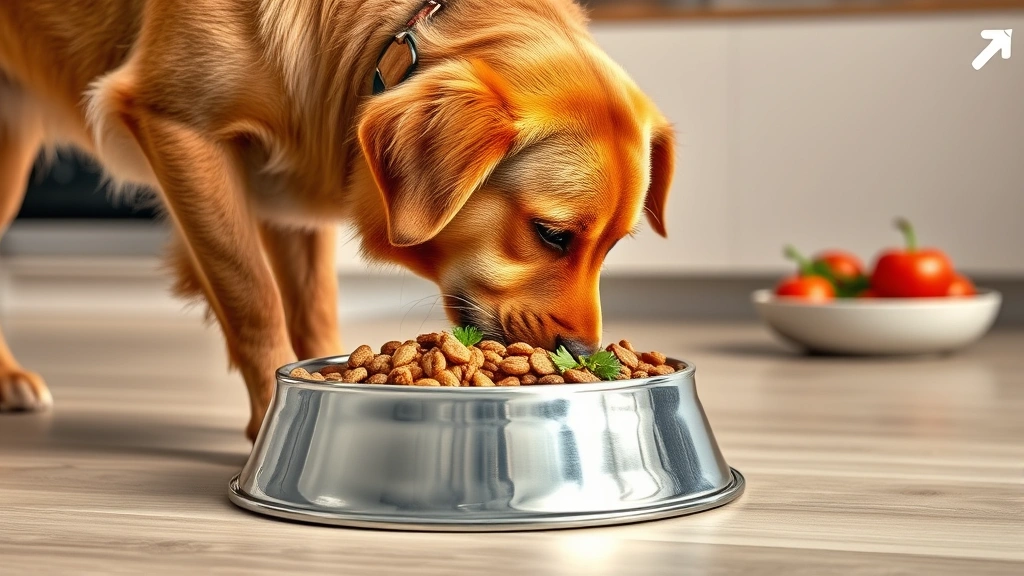
Mental stimulation is equally important. Puzzle toys, sniff games, training sessions, and interactive play keep your dog’s brain engaged. These activities redirect their focus away from feces and toward positive behaviors. Rotate toys regularly to maintain novelty and interest.
Training sessions themselves are fantastic for engagement. Teaching new commands or tricks gives your dog a job and strengthens your bond. Even 10-15 minutes of focused training can make a real difference in behavior.
Method 4: Use Training Techniques and Deterrents
Once you’ve addressed the underlying causes, training becomes your best friend. Teach a strong “leave it” command—this is genuinely life-changing for managing coprophagia.
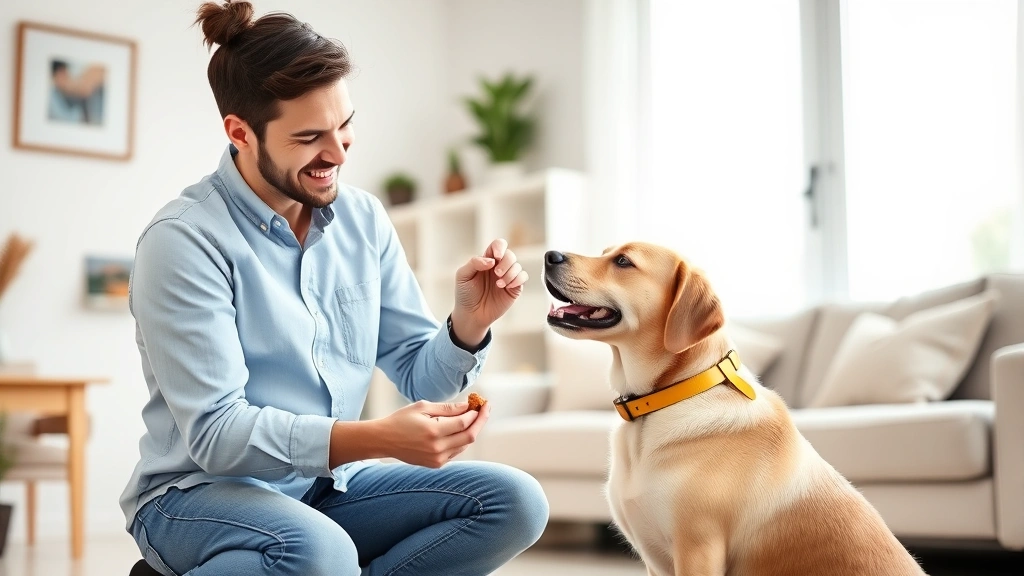
Start in a controlled environment with high-value treats. Practice the “leave it” command with treats on the ground, rewarding your dog heavily when they ignore them and look at you instead. Gradually increase difficulty. Once your pup masters this with treats, you can apply it to other situations.
Taste deterrents can also help. Products containing capsaicin or bitter apple spray make feces taste unpleasant, discouraging your dog from eating it. Apply these to feces when possible (yes, it’s weird, but it works). Some dogs learn quickly that poop isn’t worth the bad taste.
Positive reinforcement is crucial. Catch your dog NOT eating poop and reward them enthusiastically. This teaches them that ignoring feces gets them good stuff, making the desired behavior more attractive than the unwanted one.
Method 5: Address Underlying Medical and Behavioral Issues
If your dog’s coprophagia persists despite your best efforts, medical issues might be at play. Parasites, pancreatitis, exocrine pancreatic insufficiency (EPI), and other conditions can drive this behavior.
Schedule a comprehensive vet exam including bloodwork and fecal testing. Your vet can rule out parasites and identify nutritional deficiencies. If EPI is suspected, enzyme supplements become essential treatment.
Anxiety and stress can also fuel this behavior. Dogs experiencing separation anxiety or general anxiety might eat poop as a self-soothing mechanism. In these cases, working with a certified dog behaviorist or trainer who specializes in anxiety can help. Some dogs benefit from anxiety medications prescribed by their vet.
For puppies, patience is key. Most puppies naturally outgrow coprophagia by 6-9 months as they mature and develop better judgment. Focus on prevention and redirection rather than punishment, which can increase anxiety and worsen the behavior.
The Role of Dietary Adjustments in Prevention
Your dog’s nutrition directly impacts their likelihood of eating poop. Dogs on poor-quality diets or those with undiagnosed food sensitivities are more prone to this behavior. Ensure your pup is eating food appropriate for their life stage and health status.
If your dog has a sensitive stomach, consider elimination diets to identify problem foods. Foods that cause digestive upset or poor nutrient absorption can trigger coprophagia. Our guide on what not to feed your dog covers common culprits that might be affecting your pup.
Some dogs benefit from smaller, more frequent meals rather than one or two large meals daily. This can improve digestion and nutrient absorption. Discuss meal frequency with your vet to determine what’s best for your individual dog.
Monitoring for Constipation and Digestive Issues
Interestingly, constipation can sometimes contribute to coprophagia. A dog with irregular bowel movements might be more likely to investigate their waste. Ensuring proper hydration and fiber intake supports healthy digestion and regular bowel movements.
If your dog experiences constipation, address it promptly. Adequate water intake, appropriate fiber, and regular exercise all support healthy digestion. Our article on constipation in dogs provides detailed strategies for prevention and management.
Keep track of your dog’s bathroom habits. Changes in frequency, consistency, or difficulty can indicate underlying issues worth discussing with your vet. Regular, healthy bowel movements are a sign that your dog’s digestive system is functioning well.
When to Seek Professional Help
If coprophagia persists for more than a few weeks despite your intervention efforts, professional help is warranted. Your vet can perform diagnostic tests to rule out medical causes. A veterinary behaviorist can assess whether anxiety or other behavioral factors are driving the behavior.
Don’t hesitate to reach out to trainers specializing in problem behaviors. They can provide personalized strategies based on your specific dog and situation. Sometimes an outside perspective makes all the difference.
Remember that punishment is counterproductive. Yelling at or punishing your dog for eating poop typically increases anxiety and can actually worsen the behavior. Focus on prevention, positive reinforcement, and addressing underlying causes instead.
Summary: Your Action Plan
Stopping your dog from eating poop requires a multi-faceted approach. Start by optimizing nutrition and ensuring impeccable hygiene. Increase exercise and mental stimulation, then implement training techniques like “leave it” commands. Address any underlying medical or behavioral issues with professional help if needed.
Most importantly, be patient. Changing this behavior takes time, consistency, and often a combination of strategies. With dedication and the right approach, your dog will kick this gross habit and you’ll reclaim your peace of mind.
Frequently Asked Questions
Is it dangerous for dogs to eat their own poop?
While your dog’s own feces are generally less risky than eating other dogs’ waste, there are still concerns. Eating poop can lead to parasitic infections, bacterial contamination, and gastrointestinal upset. Additionally, it’s a sign that something—whether nutritional, medical, or behavioral—needs attention. It’s best to address it promptly.
How long does it take to stop a dog from eating poop?
Timeline varies depending on the underlying cause. Nutritional deficiencies might improve within 2-4 weeks of dietary changes. Behavioral issues can take 4-8 weeks of consistent training. Medical conditions require treatment, which varies by diagnosis. Most dogs show improvement within 4-6 weeks of implementing multiple strategies simultaneously.
Can probiotics really help with coprophagia?
Yes, probiotics can help by improving gut health and nutrient absorption. Dogs with poor digestion or dysbiosis (imbalanced gut bacteria) are more prone to eating poop. Quality probiotics support healthy digestion and can reduce this behavior. Combine them with digestive enzymes for optimal results.
Is coprophagia more common in certain dog breeds?
Coprophagia isn’t breed-specific, but it’s more common in certain situations: puppies, dogs with poor diets, anxious dogs, and those with medical conditions. All breeds and mixes can develop this behavior, though it’s most prevalent in younger dogs and those with underlying health issues.
What’s the difference between eating their own poop versus other dogs’ poop?
Dogs eating other dogs’ poop (allocoprophagia) carries higher infection risk from parasites and bacteria. Eating their own poop (autocoprophagia) suggests nutritional, digestive, or behavioral issues. Both should be addressed, but allocoprophagia requires particular vigilance about hygiene and parasite prevention.





