
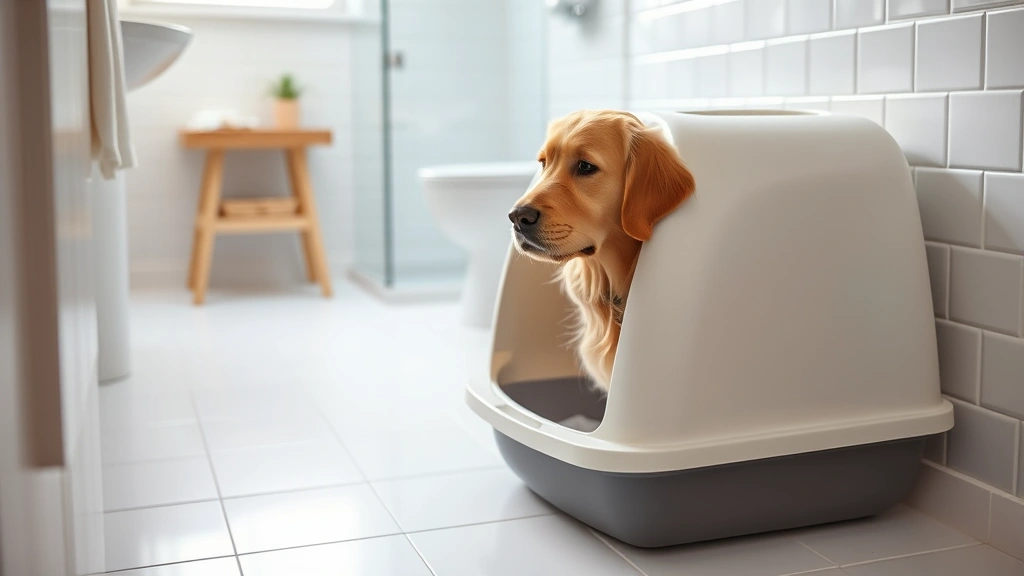
How to Stop Your Dog from Eating Cat Poop: Tips & Tricks
If you’re a multi-pet household owner, you’ve probably encountered one of the most unpleasant behaviors known to dog parents: your furry friend sneaking into the litter box for a snack. It’s gross, it’s frustrating, and honestly, it’s more common than you’d think. But here’s the good news—this behavior is completely manageable with the right strategies and a little patience.
Your dog isn’t being deliberately disgusting (though it certainly feels that way when they try to give you kisses afterward). Understanding the root cause of this behavior is the first step toward stopping it. Whether it’s curiosity, nutritional deficiency, or simply because they think cat poop is the canine equivalent of gourmet cuisine, we’ve got solutions that actually work.
In this comprehensive guide, we’ll explore practical, effective methods to keep your dog out of the litter box and help your multi-pet household run more smoothly. Let’s dig into this delicate subject and find the perfect solution for your situation.
Why Dogs Eat Cat Poop
Before we can tackle the solution, we need to understand the motivation behind this behavior. The reasons why your dog is attracted to the litter box are surprisingly varied and often rooted in natural canine instincts.
First, let’s address the elephant in the room: why do dogs eat cat poop in the first place? The answer involves a combination of factors. Cat feces contain high levels of protein and fat, which makes them smell and taste appealing to dogs. From a dog’s perspective, the litter box is essentially a buffet of interesting scents and flavors. Additionally, some dogs are simply curious creatures who view the litter box as another area of the house worth exploring.
Nutritional deficiencies can also play a role. If your dog isn’t getting adequate nutrition from their regular food, they may seek out alternative sources. Similarly, some dogs engage in this behavior due to boredom or anxiety. Understanding whether your dog’s behavior stems from hunger, curiosity, or psychological factors will help you choose the most effective intervention.
It’s worth noting that the broader category of poop-eating, known as coprophagy, is more common than many pet owners realize. If you’re interested in learning more about this phenomenon, why do dogs eat poop in general is an excellent resource that covers the underlying causes and solutions for this behavior across different situations.
Health Risks and Concerns
Now that we understand why dogs are attracted to cat poop, it’s crucial to discuss why you should care about stopping this behavior. While it might seem like a harmless quirk, there are legitimate health concerns associated with this habit.
Cat feces can contain parasites such as toxoplasma, roundworms, and hookworms that can transfer to your dog. These parasites can cause digestive issues, nutritional deficiencies, and in severe cases, more serious health complications. Additionally, if your cat is on medication or has a health condition, those compounds could be present in their waste and potentially harmful to your dog.
Beyond parasites, bacterial infections are another concern. Cats and dogs have different gut bacteria, and consuming cat feces can introduce harmful bacteria into your dog’s digestive system, leading to gastroenteritis or other gastrointestinal issues. Your dog might experience vomiting, diarrhea, or loss of appetite as a result.
According to the ASPCA’s guide on parasites, consuming feces from other animals is a primary transmission route for various parasitic infections. This is why preventing your dog from accessing the litter box isn’t just about preventing bad breath—it’s about protecting their health.
Litter Box Management Solutions
The most straightforward approach to solving this problem is to make the litter box inaccessible to your dog while keeping it accessible to your cat. This requires some creative problem-solving, but the solutions are often simpler than you’d expect.
Baby gates and barriers: Install a baby gate in the doorway to your cat’s litter box area. Choose one that’s tall enough to prevent your dog from jumping over but low enough for your cat to easily step through. Alternatively, use a pet gate designed specifically for this purpose, which often has a cat door built into it.
Elevated litter boxes: Some pet owners place the litter box on a raised platform or shelf that only your cat can access. This keeps the box out of your dog’s reach while giving your cat their own private space. Make sure the platform is stable and safe for your cat to jump on and off.
Closed litter boxes: Consider investing in a covered litter box with an entry hole sized for cats but too small for dogs. These boxes help contain odors and reduce your dog’s access. Some models even include lids that open automatically when they detect your cat’s microchip, preventing other pets from entering.
Room separation: If possible, keep the litter box in a room that your dog cannot access. A laundry room, bathroom, or spare bedroom can work well. Install a cat door to allow your cat entry while keeping your dog out. This solution requires more structural changes but is highly effective.
Litter box placement: Simply moving the litter box to a location your dog doesn’t frequent can sometimes solve the problem. Cats often prefer quiet, low-traffic areas anyway, so this change might actually benefit both pets.

Training Techniques That Work
Beyond physical barriers, training your dog to avoid the litter box area is essential for a comprehensive solution. This requires consistency, patience, and positive reinforcement.
The “leave it” command: Start training your dog with the “leave it” command in general contexts, then gradually apply it near the litter box area. When your dog shows interest in the litter box, use the command and reward them with treats and praise when they comply. This teaches them that ignoring the litter box results in positive consequences.
Supervised introductions: If you’re in the process of introducing a new dog to a household with a cat, proper introduction techniques are crucial. How do I introduce a cat to a dog covers this topic in detail, including strategies for establishing boundaries around the litter box from day one.
Redirect and reward: When you catch your dog heading toward the litter box, redirect their attention to an appropriate toy or activity and reward them for engaging with it instead. This positive reinforcement helps them understand that there are better things to focus on.
Consistent corrections: If you catch your dog in the act, use a firm “no” and immediately remove them from the area. Never punish them after the fact, as dogs don’t understand delayed consequences. Consistency is key—every family member must respond the same way.
Crate training: If your dog has a history of eating cat poop and you can’t supervise them, crate training can prevent unsupervised access to the litter box. Make sure the crate is comfortable and never use it as punishment.
Dietary and Nutritional Approaches
Sometimes the solution to this problem lies in what you’re feeding your dog. A high-quality diet that meets all their nutritional needs can reduce the urge to seek out alternative food sources.
Evaluate your dog’s current diet: Ensure your dog is eating a food appropriate for their age, size, and activity level. Look for foods with high-quality protein sources and complete nutritional profiles. Some budget dog foods lack essential nutrients, which can trigger coprophagy behavior.
Add digestive enzymes: Supplementing your dog’s diet with digestive enzymes can improve nutrient absorption and reduce the desire to eat feces. Consult your veterinarian before adding supplements to your dog’s diet.
Probiotics: A healthy gut microbiome can reduce digestive issues that might trigger feces-eating behavior. Probiotic supplements designed for dogs can help maintain a balanced digestive system.
Consider your cat’s diet: Interestingly, what you feed your cat also matters. Cat food is higher in protein and fat than dog food, which makes cat poop more appealing to dogs. While you shouldn’t change your cat’s diet (they need that nutrition), being aware of this can help you understand your dog’s motivation.
It’s also worth considering whether your dog might be interested in your cat’s food bowl. Can dogs eat cat food explores the nutritional differences and potential issues with dogs consuming cat food, which might be contributing to their overall interest in cat-related items.
Environmental Changes and Prevention
Beyond the specific solutions mentioned above, making broader environmental changes can help prevent this behavior from becoming a habit.
Increase exercise and mental stimulation: Bored dogs are more likely to engage in unwanted behaviors. Ensure your dog gets adequate daily exercise through walks, playtime, and activities appropriate for their breed and energy level. Mental stimulation through puzzle toys, training sessions, and interactive games can also reduce boredom-related behaviors.
Clean the litter box frequently: The fresher the litter box, the less appealing it is to dogs (and the better for your cat too). Scoop daily and change litter regularly. This reduces odors that attract your dog’s attention.
Use deterrent sprays: Commercial deterrent sprays designed to discourage dogs from eating feces can be applied around the litter box area. These products typically have a taste or smell that dogs find unpleasant. Always choose pet-safe products and follow instructions carefully.
Monitor your dog’s health: If your dog’s poop-eating behavior suddenly develops or worsens, consult your veterinarian. This could indicate an underlying health issue, dietary deficiency, or parasitic infection that needs professional attention. The American Kennel Club provides expert guidance on this behavior, including when veterinary intervention is necessary.
Manage stress and anxiety: Some dogs engage in this behavior as a coping mechanism for stress or anxiety. If your dog shows signs of anxiety, work with a professional dog trainer or veterinary behaviorist to address the underlying issue.
Evaluate multi-pet dynamics: If you have multiple dogs, ensure they’re all getting adequate attention and resources. Competition for attention or resources can sometimes trigger unwanted behaviors. Additionally, if you’re concerned about compatibility between dogs and cats, can dogs be allergic to cats addresses potential allergic reactions, which could indicate broader compatibility issues.
It’s also worth noting that if your dog has a history of eating their own poop, addressing that broader behavior can help. How to stop dogs from eating dog poop provides comprehensive strategies for managing this related behavior, many of which apply to cat poop eating as well.
Patience and persistence: Remember that changing ingrained behaviors takes time. Most dogs won’t stop this behavior overnight, but with consistent application of these strategies, you should see improvement within a few weeks to a couple of months. Celebrate small victories and stay committed to the process.
Frequently Asked Questions
Is it dangerous for dogs to eat cat poop?
Yes, there are legitimate health concerns. Cat feces can contain parasites, bacteria, and potentially harmful substances that can affect your dog’s health. While many dogs eat cat poop without immediate serious consequences, the risk of parasitic infection, gastrointestinal upset, and other health issues makes prevention important.
Why does my dog seem obsessed with the litter box?
Dogs are attracted to the litter box for several reasons: the high protein and fat content in cat feces, curiosity, boredom, nutritional deficiencies, or behavioral issues like anxiety. Identifying which factor is driving your specific dog’s behavior will help you choose the most effective solution.
Will my dog get sick from eating cat poop?
Not all dogs get sick immediately, but the risk is real. Common issues include parasitic infections, bacterial infections causing diarrhea or vomiting, and nutritional imbalances. Some dogs may show no symptoms while still carrying parasites that could affect them long-term. Prevention is definitely better than treatment.
How long does it take to stop this behavior?
The timeline varies depending on your dog’s age, personality, and the consistency of your intervention. Some dogs respond within days to physical barriers alone, while others may take several weeks of training and environmental management. Most see significant improvement within 4-6 weeks of consistent effort.
Can I use punishment to stop this behavior?
Punishment is generally ineffective and can create additional behavioral problems or anxiety. Positive reinforcement—rewarding your dog for ignoring the litter box—is much more effective. Dogs respond better to rewards for good behavior than to corrections for bad behavior.
Should I change my cat’s litter type?
While changing litter type is unlikely to solve the problem entirely, some pet owners report that certain litter types (like crystal litter or enzymatic litters) are less appealing to dogs. However, your cat’s preferences should be the priority. Your cat’s comfort and willingness to use the litter box is more important than trying to make it unappealing to your dog.
What if nothing works?
If you’ve tried multiple strategies without success, consult your veterinarian. They can rule out underlying health issues, nutritional deficiencies, or parasitic infections that might be driving the behavior. A veterinary behaviorist can also provide personalized training strategies if the behavior persists.





