
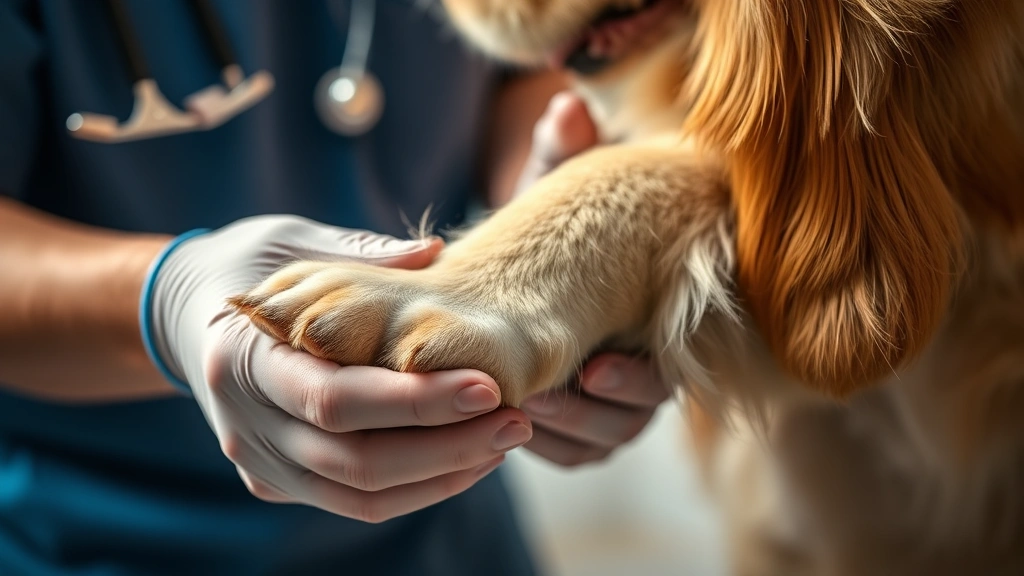
If your furry best friend has turned into a professional paw licker, you’re not alone—and honestly, it’s more common than you’d think. How to stop dog licking paws is one of the most googled pet problems, right up there with “why does my dog eat grass?” The constant licking, chewing, and gnawing can drive both you and your pup crazy. But here’s the good news: there are proven solutions that can help you break this frustrating habit and get your dog’s paws back to normal.
Table of Contents
- Understanding Why Dogs Lick Their Paws in the First Place
- Solution 1: Rule Out Allergies and Food Sensitivities
- Solution 2: Check for Skin Infections and Parasites
- Solution 3: Address Anxiety and Stress-Related Licking
- Solution 4: Use Protective Barriers and Deterrents
- Solution 5: Optimize Diet and Nutrition for Skin Health
- When to Call Your Vet (Because Sometimes You Really Need To)
- The Importance of Consistency and Patience
- Creating a Paw-Licking Prevention Plan
- Frequently Asked Questions
- Summary: Getting Your Dog’s Paws Back on Track
Before we jump into the fixes, let’s be real—your dog isn’t licking their paws just to annoy you (though I know it feels that way at 3 AM). There’s always a reason behind the behavior, and figuring out what’s causing it is half the battle.
Understanding Why Dogs Lick Their Paws in the First Place
Dogs lick their paws for tons of reasons, and it’s not always something to panic about. Sometimes it’s just normal grooming—like when they come inside from a muddy adventure and decide their paws need a spa day. But when the licking becomes obsessive, that’s when you need to pay attention.
The most common culprits include allergies (both food and environmental), skin infections, parasites, anxiety, and boredom. Some dogs also lick excessively due to pain in their joints or paws. Think of it like this: if you had an itch you couldn’t scratch, you’d go a little crazy too, right?
Solution 1: Rule Out Allergies and Food Sensitivities
Allergies are the number one reason dogs become obsessive paw lickers. If your dog is constantly gnawing at their feet like they’re trying to solve a puzzle, allergies should be your first suspect. Food allergies are incredibly common in dogs, and the symptoms often show up on their skin—especially their paws.
The best approach here is to work with your vet to identify potential allergens. Your vet might recommend an elimination diet where you remove common allergens like chicken, beef, or grains. Check out our guide on online vet advice for food reactions to understand how dietary changes can impact your pup’s skin health.
Environmental allergies (pollen, dust mites, mold) can also trigger paw licking, especially during certain seasons. If your dog’s licking gets worse in spring or fall, environmental allergies might be the culprit. Your vet can help you manage these with antihistamines or other treatments.
Solution 2: Check for Skin Infections and Parasites
Nothing says “party time” like a yeast or bacterial infection on your dog’s paws. These infections thrive in moist environments, especially between the toes where it’s warm and cozy. If your dog’s paws smell funky (like corn chips or wet dog on steroids), that’s a red flag for infection.
Parasites like fleas and mites are also sneaky culprits. Even if you don’t see fleas, they can cause intense itching that leads to obsessive licking. Make sure your dog is on a consistent flea prevention program—there’s no excuse for skipping this one.
Your vet can do a simple skin scraping or fungal culture to diagnose infections. Once identified, they’re usually easy to treat with topical creams, oral medications, or medicated baths. It’s not glamorous, but it works.
Solution 3: Address Anxiety and Stress-Related Licking
Some dogs lick their paws as a self-soothing mechanism, kind of like how humans bite their nails when stressed. If your dog only licks excessively when you leave for work or during thunderstorms, anxiety is likely the issue. This behavior is sometimes called “acral lick dermatitis,” and it’s basically your dog’s way of coping with stress.
To help an anxious licker, try increasing exercise and mental stimulation. A tired dog is a happy dog, and they’re less likely to engage in obsessive behaviors. Consider puzzle toys, training sessions, or longer walks. Some dogs benefit from calming supplements, anxiety wraps, or even professional training.
In severe cases, your vet might recommend anti-anxiety medication. There’s no shame in this game—sometimes our pups need a little chemical help to chill out, just like some humans do.
Solution 4: Use Protective Barriers and Deterrents
Sometimes you need to get a little creative to break the licking cycle. One of the simplest solutions is to physically prevent your dog from licking their paws. Dog booties, bandages, or even a soft cone (the less intimidating version of the cone of shame) can work wonders.
You can also apply bitter-tasting deterrent sprays to your dog’s paws. Most dogs hate the taste and will avoid licking their paws after a few attempts. Just make sure whatever you use is pet-safe and won’t irritate their skin further.
Another trick? Keep their paws clean and dry. Moisture is the enemy here, so dry their paws thoroughly after walks or baths. If your dog has long fur between their toes, consider having a groomer trim it—this reduces moisture buildup and makes it less appealing to lick.
Solution 5: Optimize Diet and Nutrition for Skin Health
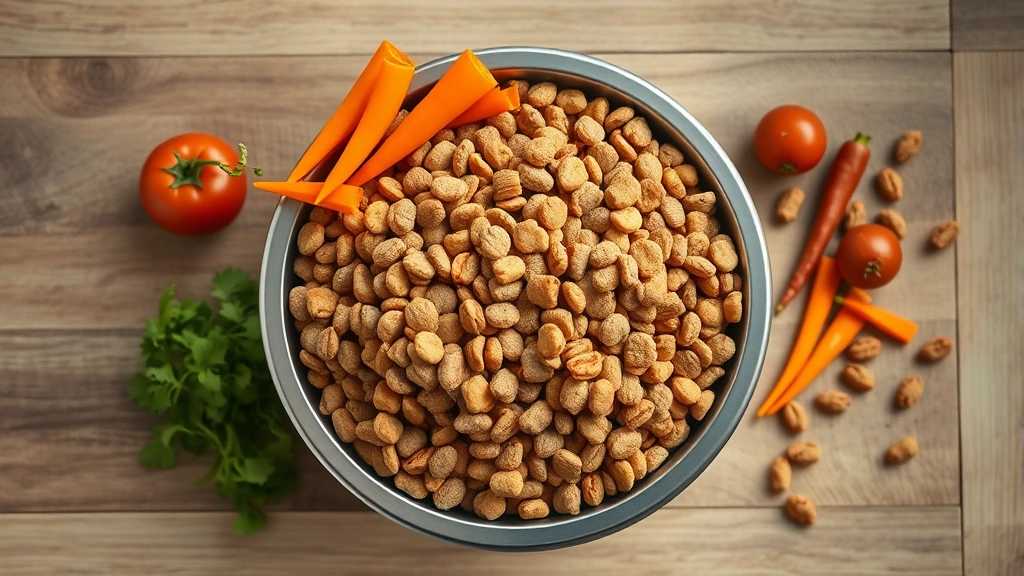
Your dog’s skin health starts from the inside out. A high-quality diet rich in omega-3 and omega-6 fatty acids can work wonders for itchy, irritated skin. These nutrients help strengthen the skin barrier and reduce inflammation.
If you suspect food allergies, when to call the vet about food issues is essential reading. Your vet might recommend a limited ingredient diet or a prescription food designed for dogs with sensitive skin. Some owners also find success with adding safe vegetables for dogs to their pup’s meals—things like carrots and green beans can provide nutrients without triggering allergies.
Consider supplements like fish oil or a specialized skin supplement. These can be game-changers for dogs with chronic itching. Just check with your vet before adding anything new to make sure it won’t interact with any medications your dog is taking.
When to Call Your Vet (Because Sometimes You Really Need To)
If your dog’s paw licking has become obsessive, or if you notice redness, swelling, discharge, or a foul smell, it’s time to call your vet. Don’t wait and hope it goes away—these signs indicate a problem that needs professional attention.
Also reach out if the licking is causing visible damage to the paws, like raw spots or bleeding. Your vet can prescribe antibiotics or other treatments to prevent infection and help the paws heal.
The Importance of Consistency and Patience
Here’s the thing about stopping dog paw licking: there’s no magic pill that works overnight. Whatever solution you choose, you need to stick with it consistently. If it’s dietary changes, give it at least 8-12 weeks before deciding if it’s working. If it’s behavioral, keep up with the exercise and training.
Your dog didn’t develop this habit overnight, and it won’t disappear overnight either. But with patience, consistency, and the right approach, you can absolutely break the cycle.
Creating a Paw-Licking Prevention Plan
Once you’ve figured out what’s causing the licking and implemented a solution, keep these prevention strategies in mind: maintain regular grooming, keep paws clean and dry, provide adequate exercise and mental stimulation, and stick with any dietary or medical recommendations your vet gives you.
Regular vet check-ups are also crucial. Catching potential issues early means faster treatment and less suffering for your pup. Plus, your vet can monitor whether your current approach is actually working or if adjustments are needed.
Frequently Asked Questions
Why is my dog licking their paws so much?
The most common reasons are allergies (food or environmental), skin infections, parasites, anxiety, boredom, or pain. Sometimes it’s just normal grooming, but obsessive licking usually indicates an underlying issue that needs attention. Your vet can help identify the specific cause.
How long does it take to stop a dog from licking their paws?
This depends on the cause. If it’s a simple skin infection, you might see improvement in 1-2 weeks with treatment. If it’s allergies or anxiety-related, it could take 8-12 weeks to see significant improvement. Consistency is key.
Are there home remedies for dog paw licking?
Yes! Increasing exercise, using bitter-tasting deterrent sprays, keeping paws clean and dry, and providing mental stimulation can all help. However, if there’s an underlying medical issue, home remedies alone won’t solve the problem—you’ll need professional help.
Can diet really affect paw licking?
Absolutely. Food allergies are a major trigger for paw licking, and switching to a high-quality diet with good omega fatty acids can improve skin health significantly. Many dogs see dramatic improvements once they’re on the right food.
Is paw licking ever normal?
Yes, occasional paw licking is totally normal—it’s part of grooming. But if your dog is licking constantly, causing damage to their paws, or doing it compulsively, that’s when it becomes a problem that needs addressing.
Summary: Getting Your Dog’s Paws Back on Track
Figuring out how to stop dog licking paws requires a bit of detective work, but it’s absolutely doable. Start by ruling out medical issues like allergies, infections, and parasites. Then address behavioral factors like anxiety and boredom. Use protective barriers if needed, optimize your dog’s diet, and stay consistent with whatever approach you choose.
Remember, your vet is your best resource. They can help identify the root cause and create a treatment plan tailored to your specific dog. With patience, consistency, and the right strategy, you can help your pup kick this habit and get back to enjoying life without constant paw gnawing. Your dog (and your sanity) will thank you.





