
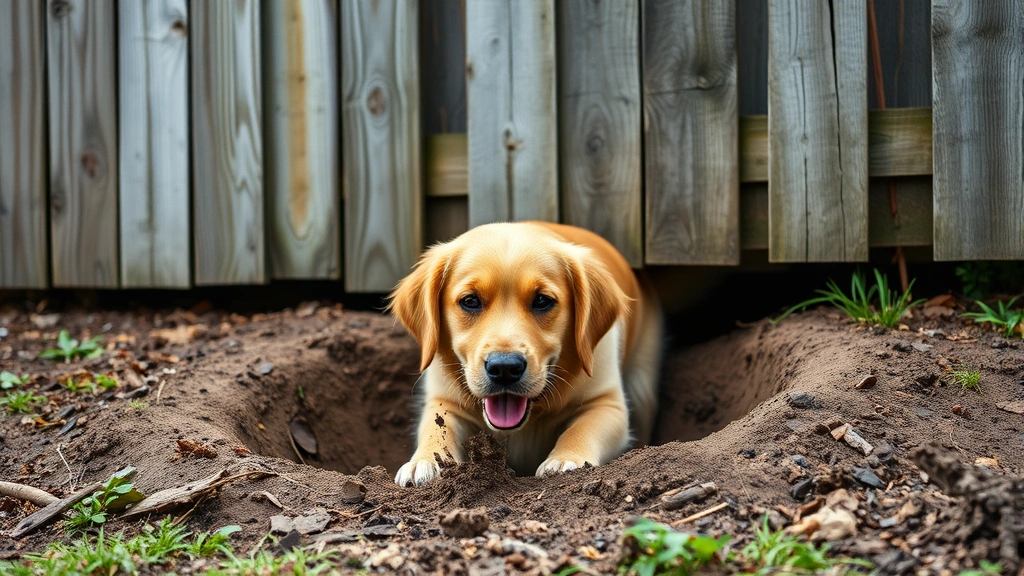
If your dog treats your backyard fence like an escape artist’s practice ground, you’re not alone. Learning how to stop dogs from digging out of fence is one of the most common challenges pet owners face. That muddy pup emerging from a crater-sized hole isn’t just a mess—it’s a safety hazard. Your furry Houdini could end up lost, injured, or worse. The good news? There are proven strategies that actually work.
Table of Contents
- Why Dogs Dig Under Fences (And Why They’re So Darn Good at It)
- Solution 1: Install a Dig-Proof Barrier (The Underground Fence)
- Solution 2: Increase Exercise and Mental Stimulation
- Solution 3: Create a Designated Digging Zone
- Solution 4: Use Deterrents and Landscaping Tactics
- Solution 5: Address Underlying Anxiety and Behavioral Issues
- Combining Methods for Maximum Success
- When to Call a Professional
- Budget-Friendly Options for Every Situation
- Prevention Tips for Puppies and New Dogs
- Maintenance and Long-Term Management
- Frequently Asked Questions
- Summary: Your Action Plan
Why Dogs Dig Under Fences (And Why They’re So Darn Good at It)
Before we tackle solutions, let’s understand the root cause. Dogs dig for several reasons: boredom, anxiety, prey drive (especially when they spot squirrels), escape instinct, or simply because digging feels amazing. Some breeds like Terriers and Dachshunds are hardwired diggers—it’s literally in their DNA. They were originally bred to burrow after small animals, so telling them to stop digging is like asking a fish not to swim.
The fence-digging problem often intensifies during hot weather when dogs seek cool earth, or when they’re left alone for extended periods. A bored, anxious dog with time on their paws is basically a demolition crew waiting to happen.
Solution 1: Install a Dig-Proof Barrier (The Underground Fence)
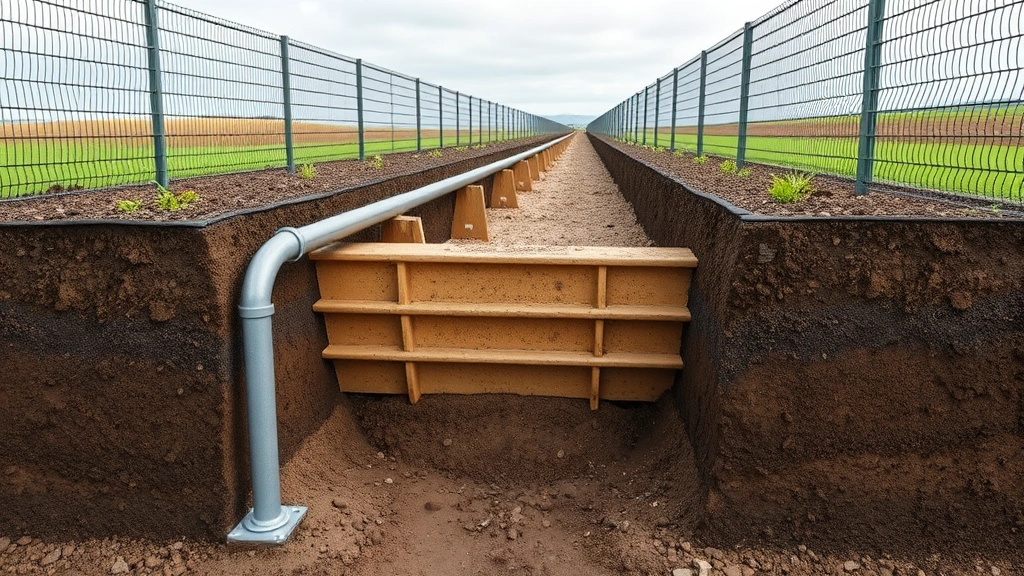
The most effective method for stopping dogs from digging under fences is installing a physical barrier beneath the fence line. This involves digging a trench along the inside of your fence, typically 12-18 inches deep, and installing either:
- L-shaped metal or plastic barriers: These bend at a 90-degree angle, making it impossible for dogs to dig straight down and under
- Wire mesh or chicken wire: Extends underground and curves away from the fence, creating an impassable barrier
- Concrete footings: The most permanent solution, though pricey
Installation takes a weekend and some elbow grease, but it’s a one-time fix that works for virtually every dog. Your pup will try once, hit the barrier, and realize defeat.
Solution 2: Increase Exercise and Mental Stimulation
A tired dog is a well-behaved dog. Seriously. Most fence-digging behavior stems from pent-up energy and boredom. If your dog is getting 30 minutes of exercise daily when they actually need 90 minutes, they’ll find entertainment through destructive digging.
Increase physical activity with:
- Longer walks or jogs (tailor to your dog’s age and breed)
- Fetch sessions, swimming, or agility courses
- Dog park visits for socialization and play
- Puzzle toys and interactive feeders that engage their brain
Mental stimulation is equally important. Try hiding treats around the yard for your dog to find, rotating toys to keep things fresh, or teaching new commands. A mentally exhausted dog is far less likely to become an escape artist. Plus, energy-boosting foods for active pets can help support their increased activity level.
Solution 3: Create a Designated Digging Zone
Instead of fighting your dog’s natural instinct, work with it. Set aside a specific area in your yard—preferably away from the fence—as an approved digging zone. This could be a sandbox, a designated patch of loose soil, or a raised bed filled with sand.
Here’s the trick: make it the most rewarding spot in the yard. Bury toys, treats, and bones there. Praise your dog enthusiastically when they dig in the right spot. Over time, many dogs will redirect their digging energy to the designated zone, leaving your fence line untouched. It’s not a perfect solution for every dog, but it works surprisingly well for many.
Solution 4: Use Deterrents and Landscaping Tactics
Several deterrents can discourage digging behavior:
- Rocks or gravel: Place large rocks or river rocks along the fence line. Dogs dislike digging in uncomfortable surfaces
- Prickly plants: Plant thorny bushes (like roses or holly) near the fence base—painful paws discourage digging
- Citrus or ammonia-soaked materials: Dogs hate these smells; soak rags and place them in digging spots
- Motion-activated sprinklers: A startling spray teaches dogs to avoid the fence area
- Buried chicken wire: Less intensive than L-shaped barriers, but still effective when buried 6-8 inches deep
These methods work best in combination. A fence line surrounded by uncomfortable surfaces, unpleasant smells, and deterrent plants becomes far less appealing than other yard activities.
Solution 5: Address Underlying Anxiety and Behavioral Issues
If your dog is digging frantically or obsessively, especially near the fence, they may be experiencing separation anxiety or fear-based behavior. This isn’t something you can solve with physical barriers alone.
Consider:
- Consulting a certified professional dog trainer or behaviorist: They can identify the root cause and develop a tailored training plan
- Gradual desensitization: If your dog panics when left alone, work on building confidence through short absences
- Calming supplements or medications: Talk to your vet about anxiety-reducing options (consult AKC expert advice for guidance)
- Creating a safe space: A covered kennel or doggy den can reduce anxiety
Behavioral issues require patience and consistency, but addressing the underlying cause prevents the problem from just shifting to other destructive behaviors.
Combining Methods for Maximum Success
The most effective approach usually combines multiple solutions. For example:
Install a physical barrier (Solution 1) + increase exercise (Solution 2) + create a digging zone (Solution 3) + add deterrents (Solution 4) = a dog that stops digging out of fences. Redundancy is your friend here.
Different dogs respond to different strategies. A high-energy Border Collie might just need more exercise, while an anxious rescue dog might need behavioral training plus physical barriers. Your job is finding what works for your specific pup.
When to Call a Professional
If your dog’s digging is compulsive, happens even when exercised, or is accompanied by destructive behavior inside the house, it’s time to call in a professional. A certified dog trainer or veterinary behaviorist can rule out medical issues and create a customized training plan. This is especially important if you suspect separation anxiety or other behavioral disorders.
Budget-Friendly Options for Every Situation
Not everyone can afford a $2,000 professional fence installation. Here are cost-effective alternatives:
- DIY L-shaped barrier: Buy plastic edging or metal flashing and install it yourself (~$200-400)
- Recycled materials: Use old pallets, scrap wood, or reclaimed materials for digging zones
- Free deterrents: Citrus peels from your kitchen, rocks from your yard, or branches create barriers
- Training focus: Increased exercise costs nothing but time—often the most effective solution anyway
The cheapest solution is often the best: more exercise, more attention, and more mental stimulation. Your dog’s behavior improves, and you get a healthier, happier pet.
Prevention Tips for Puppies and New Dogs
If you’re starting fresh with a puppy or newly adopted dog, prevention is easier than correction:
- Establish the digging zone immediately—make it the cool place to be
- Never leave puppies unsupervised in the yard during the critical learning phase
- Ensure adequate exercise from day one
- Install barriers proactively, even if digging hasn’t started yet
- Supervise outdoor time and redirect any digging behavior immediately
Young dogs are more trainable than established diggers, so starting early pays dividends.

Maintenance and Long-Term Management
Once you’ve solved the digging problem, maintain your victory:
- Keep up with exercise routines—don’t let them slide
- Inspect barriers regularly for wear and damage
- Refresh deterrents (citrus peels, ammonia) monthly
- Rotate toys and enrichment activities to prevent boredom
- Monitor your dog’s yard time, especially in hot weather when digging increases
Consistency is key. A dog that’s been trained not to dig will stay trained if you maintain the conditions that made training successful.
Frequently Asked Questions
How deep do dogs typically dig to escape?
Most dogs can dig 12-18 inches deep. Some determined escape artists go deeper, but 18 inches is the standard depth for effective underground barriers. Smaller dogs might only dig 8-10 inches, while large breeds can dig 2+ feet.
Will a dog stop digging if I give them more attention?
Often, yes. Many dogs dig because they’re bored or anxious. Increased exercise, playtime, and mental stimulation resolve the behavior in a significant percentage of cases. However, if digging is breed-driven (like in Terriers), you’ll need additional strategies.
Can I use shock collars to stop fence digging?
No. Shock collars are inhumane, ineffective for this behavior, and can increase anxiety and aggression. Positive reinforcement and physical barriers are far more effective and humane. Check The Humane Society’s guidance on ethical training methods.
What’s the fastest way to stop a dog from digging under the fence?
Installing an L-shaped underground barrier is the fastest, most reliable solution—results are immediate. It’s a weekend project that solves the problem permanently. However, if you combine increased exercise with deterrents, you might see behavioral improvement within 1-2 weeks.
Is digging a sign of a health problem?
Excessive or obsessive digging can indicate skin allergies, parasites, or anxiety disorders. If your dog suddenly starts digging excessively, consult your vet to rule out medical issues. Learn more about when to seek veterinary help by checking our guide on when to call the vet about food and general health concerns.
Can training treats help with this behavior?
Yes! Using training treats from human food can reinforce positive behaviors like staying away from the fence or using the digging zone. Consistency with rewards is crucial for success.
Summary: Your Action Plan
Stopping your dog from digging out of the fence requires a multi-pronged approach. Start with the most practical solution for your situation: if it’s a severe problem, install an underground barrier immediately. Simultaneously, increase exercise and mental stimulation—this alone solves the problem for many dogs. Create a designated digging zone, add deterrents, and monitor for underlying anxiety.
Remember, your dog isn’t being destructive to spite you—they’re responding to instinct, boredom, or anxiety. By understanding the root cause and implementing the right combination of solutions, you’ll have a happy dog that stays safely in your yard. Within weeks, those escape-artist days will be behind you, and your fence will thank you.





