
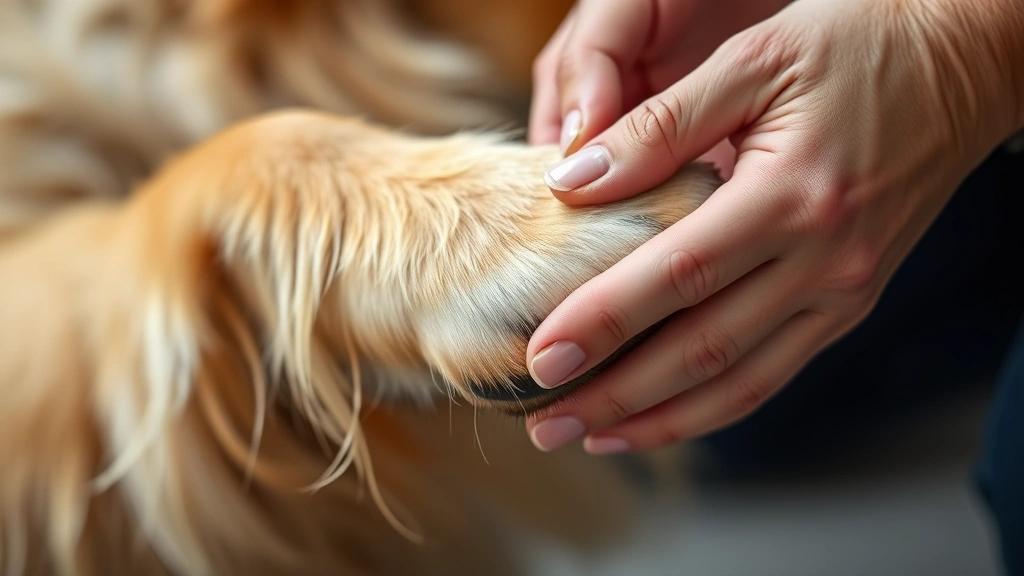
If your dog won’t stop licking their paws until they’re raw and irritated, you’re not alone—and trust me, it’s more fixable than you think. Learning how to stop paw licking in dogs is one of the most common questions vets hear, and the good news is that there are proven strategies that actually work. Whether your pup is dealing with allergies, anxiety, or just boredom, we’ve got the solutions to help them kick this annoying habit.
Table of Contents
- Why Do Dogs Lick Their Paws So Much?
- Identify Underlying Allergies and Skin Conditions
- Address Anxiety and Stress-Related Licking
- Rule Out Parasites and Infections
- Boost Immunity with Proper Nutrition
- Use Topical Treatments and Protective Barriers
- Implement Environmental and Behavioral Changes
- When to Schedule a Vet Visit
- Prevention Tips for Long-Term Success
- Frequently Asked Questions
- Conclusion
Why Do Dogs Lick Their Paws So Much?
Before we jump into solutions, let’s talk about why your dog is basically turning their feet into a full-time job. Paw licking isn’t random—it’s usually your dog’s way of telling you something’s up. The most common culprits include allergies (food or environmental), skin infections, parasites, anxiety, boredom, or pain in the paw area. Sometimes it’s just one thing, and sometimes it’s a combination that’s driving them nuts. Your vet can help pinpoint the exact cause, but understanding the “why” is half the battle in solving it.
Identify Underlying Allergies and Skin Conditions
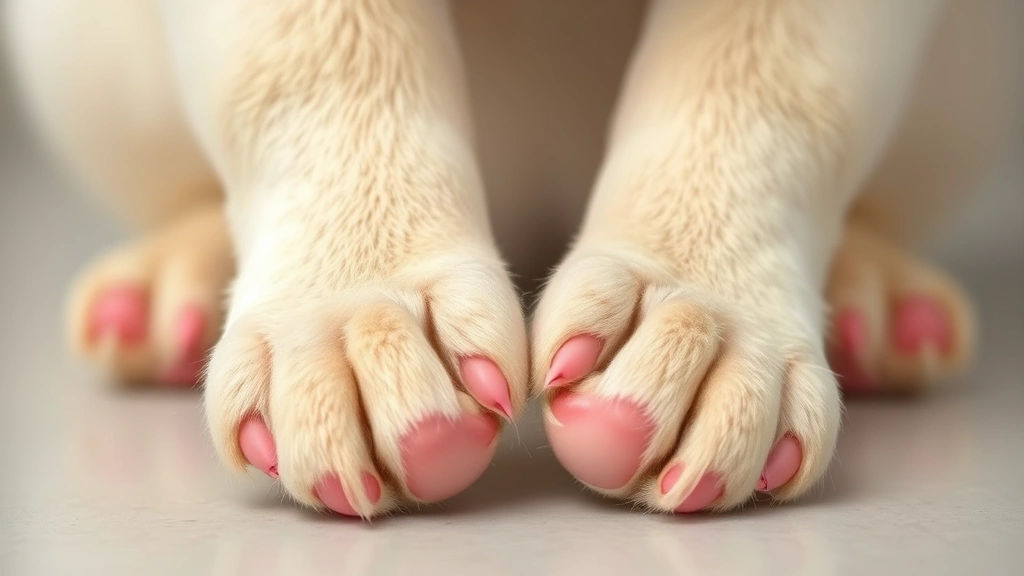
Allergies are the heavyweight champion of paw-licking causes. Dogs with allergies often develop what’s called “pododermatitis”—fancy vet speak for inflamed paws. The itching drives them absolutely bonkers, so they lick. A lot. If your dog’s paws look red, swollen, or smell funky, allergies are probably the culprit. The AKC has great resources on identifying dog allergies, and your vet might recommend an elimination diet or allergy testing to figure out what’s triggering the reaction. Once you know what’s causing the issue, you can tackle it head-on with dietary changes or medications.
Consider incorporating anti-inflammatory foods for pets into your dog’s diet to help reduce swelling and itching naturally. These foods can work alongside medical treatments to give your pup relief from the inside out.
Address Anxiety and Stress-Related Licking
Some dogs lick their paws when they’re nervous or stressed—it’s basically their version of stress eating. Separation anxiety, loud noises, or changes in routine can trigger this behavior. If your dog only licks when you leave or during thunderstorms, anxiety is probably the answer. The solution? Create a calm environment, try calming supplements, or work with a trainer on desensitization. Calming foods for anxious pets can be a game-changer, helping to soothe your dog’s nervous system naturally. Some dogs also benefit from anxiety wraps, pheromone diffusers, or even professional behavioral training.
Rule Out Parasites and Infections
Fleas, mites, and other parasites are notorious for making dogs lick like crazy. Even if you don’t see visible parasites, they could still be the problem—especially with mites that burrow under the skin. Fungal infections like yeast can also cause intense itching and paw licking. PetMD’s guide to parasites in dogs is incredibly helpful for understanding what to look for. Your vet can do a skin scraping or fungal culture to confirm, and then you’ll get the right treatment. This is definitely a “don’t DIY” situation—get professional help to rule out infections.
Boost Immunity with Proper Nutrition
A dog’s immune system plays a huge role in fighting off infections and managing allergies. If your pup’s immune system is weak, they’re more susceptible to skin problems that trigger licking. Immune-boosting foods for pets can help strengthen their defenses from the inside. Foods rich in omega-3s, antioxidants, and probiotics support healthy skin and reduce inflammation. Talk to your vet about adding supplements like fish oil or a quality probiotic to your dog’s diet. Sometimes the simplest solution is just making sure they’re getting the nutrition they need to stay healthy.
Use Topical Treatments and Protective Barriers
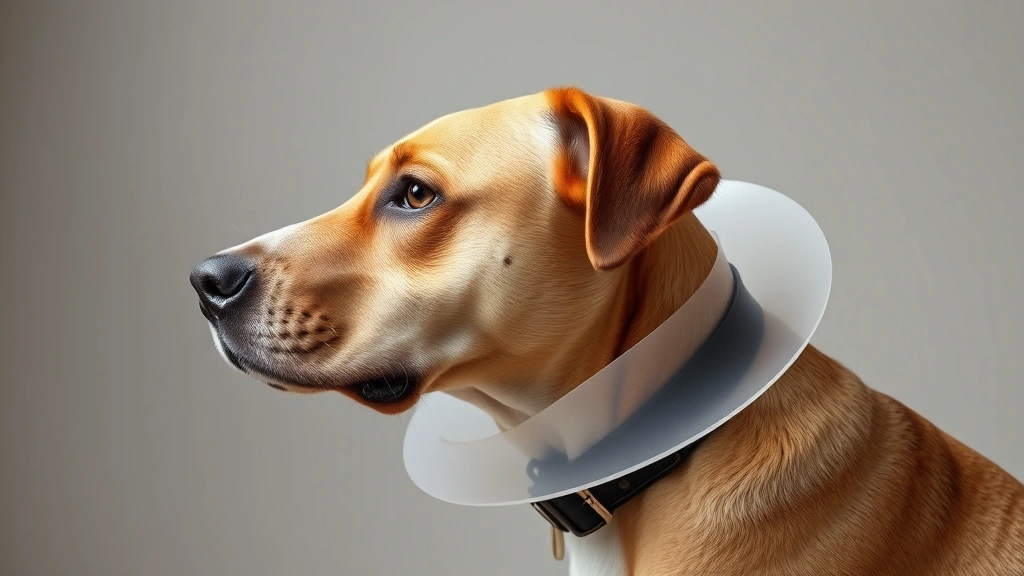
While you’re working on the root cause, topical treatments can provide immediate relief and prevent further damage. Sprays, creams, and balms designed for dogs can soothe irritated skin and discourage licking. Some products contain bitter compounds that make paws taste awful (in a good way), naturally discouraging the behavior. Make sure you’re using dog-safe products—never assume that human products or cat products are safe for your pup. E-collars (the cone of shame) can also prevent licking while you treat the underlying issue, though they’re not a long-term solution.
Implement Environmental and Behavioral Changes
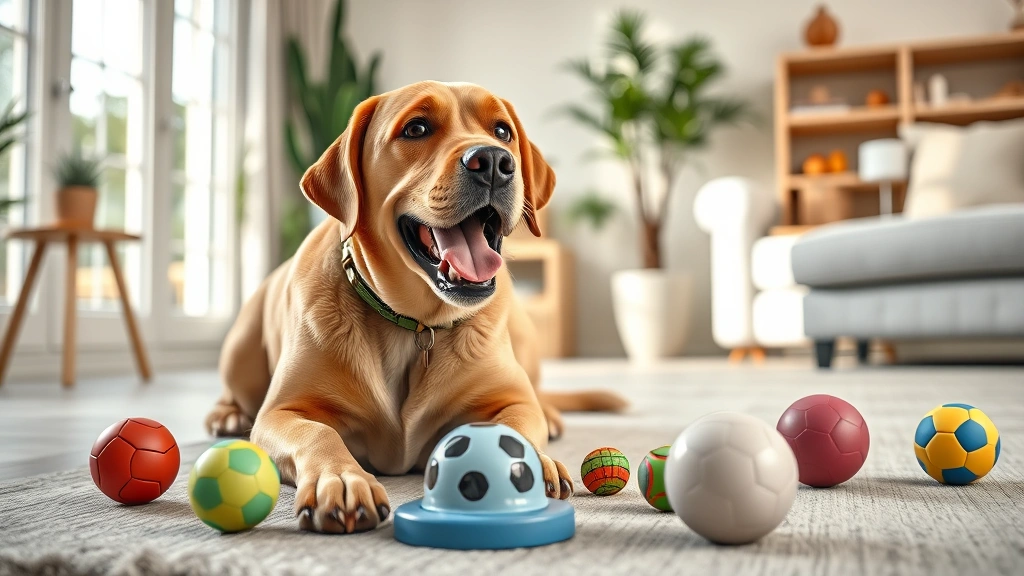
Sometimes the fix is about changing what’s happening around your dog, not just treating the paws themselves. Boredom is a massive trigger for excessive licking, so increase exercise and mental stimulation. Interactive toys, puzzle feeders, and regular playtime can redirect that licking energy into something productive. If your dog licks when anxious, create a safe space where they feel secure. Keep their environment clean and cool—hot, humid conditions can make skin problems worse. Small changes in daily routine and environment can make a surprisingly big difference.
When to Schedule a Vet Visit
Here’s the truth: if the licking persists for more than a few days or you see signs of infection (redness, swelling, discharge, or odor), it’s time to call your vet. Don’t wait around hoping it’ll go away on its own. Telehealth vet appointments are a convenient option if you want a quick initial consultation before committing to an in-person visit. Your vet can examine the paws, run tests if needed, and recommend the best treatment plan. They might prescribe antibiotics for infections, antifungals for yeast, or medications to manage allergies. Getting professional help early prevents the problem from getting worse and saves your dog from unnecessary suffering.
Prevention Tips for Long-Term Success
Once you’ve solved the paw-licking problem, you’ll want to keep it from coming back. Regular grooming helps you spot issues early, and keeping paws clean and dry prevents infections. Maintain a consistent routine to minimize anxiety, and stick with a high-quality diet that supports skin health. Regular vet check-ups catch problems before they spiral. Keep your dog’s nails trimmed and check between the toes regularly—sometimes debris or overgrown fur irritates the skin. Prevention is always easier than treatment, so stay proactive.
Frequently Asked Questions
Is it normal for dogs to lick their paws?
A little paw licking is totally normal—dogs groom themselves just like cats do. But if your dog is licking constantly, especially to the point where their paws look raw or irritated, that’s a sign something’s wrong and needs attention.
How long does it take to stop paw licking?
It depends on the cause. If it’s boredom or anxiety, behavioral changes might help within days. If it’s allergies or infections, treatment can take weeks or even months. Be patient and consistent with whatever approach you choose.
Can I use human moisturizers on my dog’s paws?
Nope, skip the human products. Stick with dog-specific balms and creams. Many human products contain ingredients that are toxic to dogs if ingested, and dogs will lick whatever you put on their paws.
What’s the best way to prevent paw licking?
The best prevention involves keeping your dog healthy with good nutrition, regular exercise, mental stimulation, and routine vet care. Address any underlying health issues quickly, and maintain a consistent, stress-free routine when possible.
Should I use an E-collar to stop paw licking?
An E-collar can prevent damage while you treat the underlying issue, but it’s not a permanent solution. Use it short-term while you figure out and fix the root cause. Your dog won’t be happy about it, but sometimes it’s necessary.
Conclusion
Figuring out how to stop paw licking in dogs requires a bit of detective work, but it’s absolutely doable. Start by identifying the cause—whether it’s allergies, anxiety, parasites, or boredom—then tackle it with the right combination of veterinary care, dietary changes, environmental adjustments, and behavioral strategies. Don’t hesitate to reach out to your vet if things don’t improve, and remember that consistency is key. Your dog will thank you once those paws are healthy and they can finally stop the constant licking cycle. With patience and the right approach, you’ll have a happier, healthier pup in no time.





