
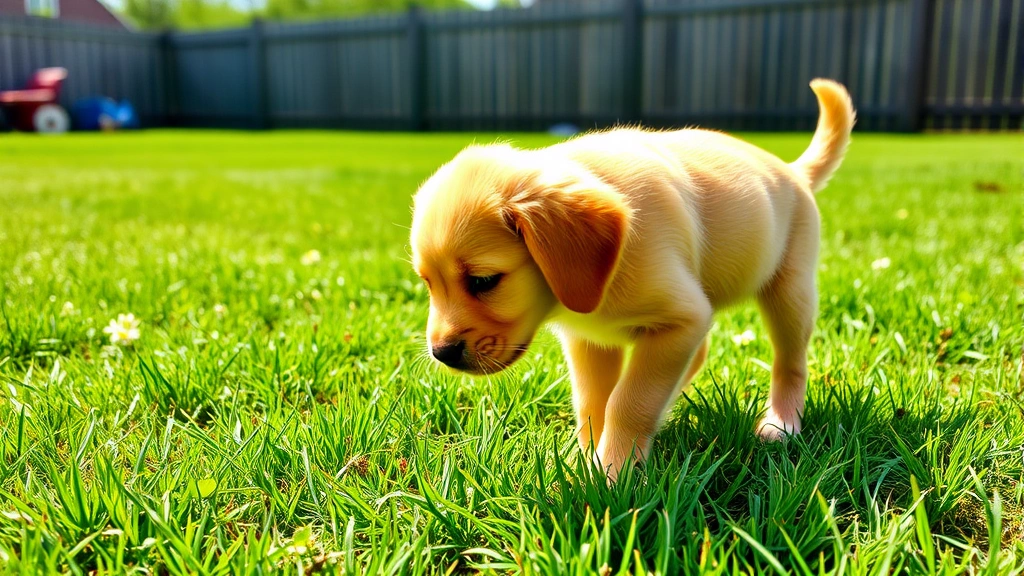
How to Stop Your Dog from Eating Poop: Expert Tips
Let’s be honest—discovering your beloved pup snacking on feces is one of the less glamorous aspects of dog ownership. This behavior, known as coprophagia, isn’t just gross; it can signal underlying health issues or behavioral problems that deserve your attention. Whether your dog is munching on their own waste or raiding the litter box, we’ve got the strategies to help you break this habit once and for all.
The good news? This is a solvable problem. With the right combination of veterinary care, dietary adjustments, environmental management, and behavioral training, most dogs can overcome this unsavory habit. In this guide, we’ll explore everything from the root causes to practical solutions that actually work.
Before you despair, remember that coprophagia is more common than you might think. Many dog owners face this challenge, and countless have successfully addressed it. Let’s dive into what you need to know.
Understanding Why Dogs Eat Poop
Before you can effectively address coprophagia, you need to understand the “why” behind it. Dogs eat poop for various reasons, and identifying the root cause is crucial for finding the right solution. If you’re wondering about the deeper motivations, our article on why do dogs eat poop provides comprehensive insights into canine behavior.
Some dogs are attracted to feces simply because it smells interesting—their noses are thousands of times more sensitive than ours, after all. Others may have learned this behavior from their mother during puppyhood, which is actually a natural part of canine development in very young pups. Stress, boredom, and anxiety can also drive this behavior, as can nutritional deficiencies or digestive issues.
The context matters too. Is your dog eating their own waste, or are they targeting cat litter boxes? The answer to that question can help narrow down the cause. Our guide specifically addressing why do dogs eat cat poop can help if your pup is targeting the feline facilities in your home.
Understanding your individual dog’s motivation is the first step toward intervention. Is it a medical issue, a behavioral quirk, or something environmental? The answers will shape your approach.
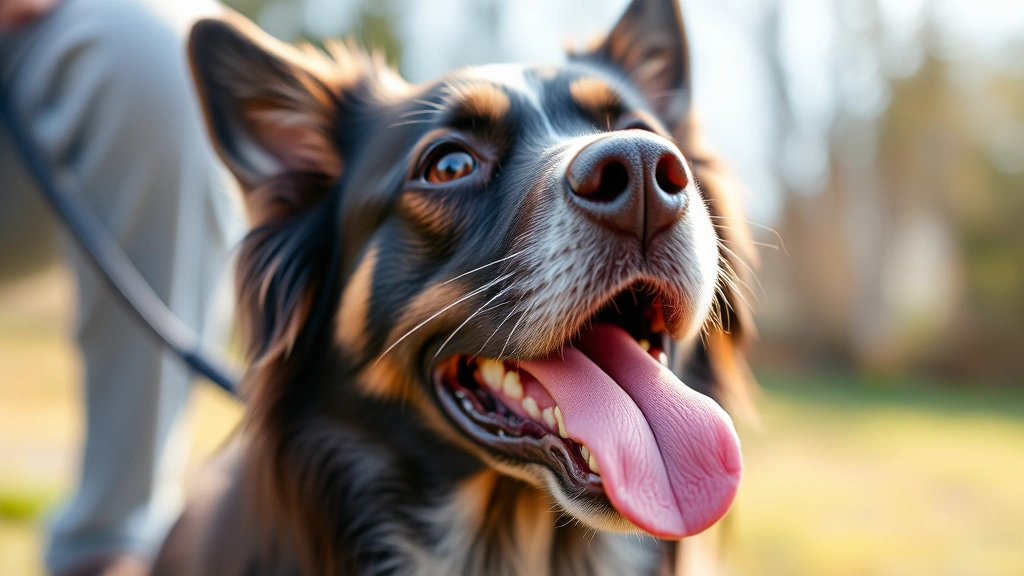
Medical Causes to Rule Out
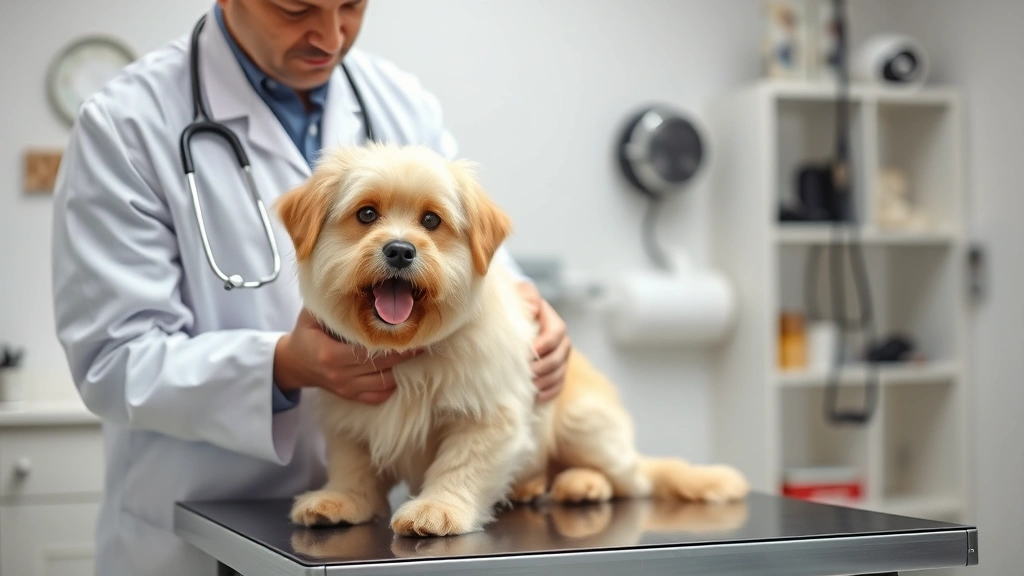
Your first stop should always be your veterinarian. Many cases of coprophagia stem from medical conditions that, once treated, resolve the behavior entirely. Don’t skip this step—it’s the foundation of any solution.
Digestive and Absorption Issues: When dogs don’t absorb nutrients properly, they may eat feces in an attempt to extract nutrients they missed the first time. Conditions like exocrine pancreatic insufficiency (EPI) can cause this behavior. Dogs with EPI lack the enzymes needed to break down food properly, leaving them perpetually hungry and nutrient-deficient.
Parasites and Infections: Intestinal parasites, giardia, and other infections can create an abnormal appetite and cause dogs to seek out feces. Your vet can test for these common culprits with simple stool samples.
Malabsorption Syndromes: Conditions like inflammatory bowel disease (IBD) or food allergies prevent proper nutrient absorption. A dog with these conditions might be literally starving for nutrition despite eating regular meals.
Diabetes and Thyroid Issues: Metabolic disorders can increase appetite and change eating behaviors. These are easily diagnosed through blood work and manageable with proper treatment.
Medication Side Effects: Some medications can increase appetite or change digestive function. If your dog started eating poop after beginning a new medication, discuss this with your vet immediately.
Your veterinarian can perform a thorough physical examination, run blood work, and conduct fecal testing to identify or rule out medical causes. This typically costs between $100-$300 but can save you months of frustration and unsuccessful behavioral interventions.
Nutritional Solutions
Once medical issues are ruled out, nutrition becomes your next focus. The quality and quantity of your dog’s diet directly impacts whether they’ll seek out alternative food sources—like poop.
Upgrade Your Dog Food: Low-quality commercial dog foods often contain fillers and lack bioavailable nutrients. This means your dog’s body isn’t absorbing what it needs, triggering the drive to eat feces. Look for foods with:
- Named meat as the first ingredient (chicken, beef, fish—not “meat by-products”)
- High protein content (at least 20-25% for adult dogs)
- Digestible carbohydrate sources
- Added probiotics and digestive enzymes
Premium brands, prescription diets recommended by your vet, or fresh/raw diets often resolve coprophagia related to poor nutrition. Yes, they cost more, but they’re an investment in your dog’s health and behavior.
Need guidance on portions? Our resource on how much food should I feed my dog helps ensure you’re giving your pup the right amount for their age, size, and activity level.
Add Digestive Supplements: Probiotics and digestive enzymes can dramatically improve nutrient absorption. Products containing beneficial bacteria and enzymes help your dog get more from their food, reducing the nutritional void that drives coprophagia.
Consider Pumpkin or Fiber: Adding pumpkin puree (not pie filling) or fiber supplements can improve digestive health. A healthy digestive system produces less appealing feces and helps your dog feel more satisfied after meals.
Increase Meal Frequency: Some dogs do better with three smaller meals daily instead of one or two large ones. This keeps them feeling fuller and reduces the temptation to scavenge.
Address Specific Dietary Issues: If your dog has diarrhea, their feces may be more appealing (and they’re more likely to have digestive issues driving the behavior). Our guide on what to feed dog with diarrhea provides specific dietary recommendations for dogs with loose stools.
Environmental Management Strategies
Sometimes the simplest solution is prevention. If your dog can’t access poop, they can’t eat it. Environmental management is about removing opportunity.
Immediate Cleanup: This is non-negotiable. Pick up feces from your yard immediately after your dog eliminates. Don’t wait until later or “sometime today.” The sooner you remove it, the sooner it’s unavailable. During potty breaks, watch your dog and redirect immediately if they show interest in waste.
Manage the Litter Box: If you have cats, the litter box becomes an all-you-can-eat buffet for your dog. Solutions include:
- Placing the litter box in a room your dog cannot access
- Using a baby gate with a cat door that only felines can fit through
- Installing a litter box in a closet with a pet door
- Using a covered litter box with a small entrance hole
Supervise Outdoor Time: Don’t let your dog roam unsupervised. Keep them on a leash during walks and yard time so you can intervene if they attempt to eat feces. This also allows you to redirect their attention to appropriate behaviors.
Reduce Boredom and Stress: Dogs with nothing to do often create their own entertainment—including exploring feces. Increase exercise, provide puzzle toys, and create enrichment activities. A tired dog is less likely to engage in unwanted behaviors.
Prevent Access to Other Dogs’ Waste: During walks, maintain control and avoid areas where other dogs frequently eliminate. If you visit dog parks, supervise closely.
Training and Behavioral Techniques
Beyond medical and nutritional fixes, behavioral training plays a crucial role in stopping coprophagia.
The “Leave It” Command: This is essential. Train a solid “leave it” command using high-value treats. Once your dog reliably leaves objects on command, practice near feces (or simulate with something similar-looking). When they ignore it and look at you instead, reward generously.
Redirect to Appropriate Behavior: When you catch your dog showing interest in feces, interrupt with a firm “no” and redirect to an appropriate toy or activity. Reward the correct behavior enthusiastically. This teaches them that ignoring waste gets them something better.
Address Compulsive Eating: Some dogs eat poop compulsively, similar to how some dogs develop other obsessive behaviors. If this seems to be the case, discuss behavioral modification strategies with a certified professional.
Manage Anxiety and Stress: If stress drives the behavior, identify and minimize stressors. This might mean more exercise, calming supplements, or in some cases, anti-anxiety medication prescribed by your vet. Behavioral training alone won’t solve anxiety-driven coprophagia.
Positive Reinforcement Only: Never punish your dog for eating poop. Punishment-based training creates fear and anxiety, which often worsen the behavior. Instead, reward heavily when your dog ignores feces or engages in appropriate alternatives.
If you’re struggling with related behavioral issues like how to stop dog from licking paws, many of the same behavioral principles apply—consistency, positive reinforcement, and addressing underlying causes.
Products and Supplements That Help
Several commercial products are specifically designed to address coprophagia. While these aren’t magic bullets, they can be helpful components of a comprehensive strategy.
Poop-Deterrent Supplements: Products like For-Bid contain ingredients (typically enzymes or additives) that make feces taste unpleasant when added to your dog’s food. The idea is that if poop tastes bad, your dog will stop eating it. Success rates vary, but many owners report positive results.
Probiotics and Digestive Enzymes: Brands like Purina FortiFlora or Pedigree DentaStix with probiotics can improve digestive health. Look for products with multiple beneficial bacterial strains and documented efficacy.
High-Quality Dog Foods: Prescription or premium commercial diets formulated for digestive health often contain ingredients specifically chosen for optimal absorption. Your vet can recommend options based on your dog’s specific needs.
Calming Supplements: If anxiety drives the behavior, supplements containing L-theanine, L-tryptophan, or adaptogens like ashwagandha may help. These work best alongside behavioral training and environmental management.
Enzymatic Cleaners: Use enzymatic cleaners on areas where your dog has eliminated. Regular cleaners don’t fully remove the scent, but enzymatic cleaners break down the odor-causing compounds, making the area less appealing.
When to Seek Professional Help
If you’ve implemented these strategies for 4-6 weeks without improvement, it’s time to call in professionals.
Veterinary Behaviorist: A board-certified veterinary behaviorist combines medical and behavioral expertise. They can identify underlying issues you might have missed and create a customized treatment plan. Expect to pay $200-$500 for an initial consultation.
Certified Professional Dog Trainer: A trainer certified by organizations like the Certification Council for Professional Dog Trainers (CCPDT) can help with training and behavioral modification. They’ll ensure you’re using effective techniques correctly.
Your Regular Veterinarian: If you haven’t already, schedule a comprehensive veterinary visit. Sometimes subtle medical issues aren’t obvious during routine exams. Ask specifically about:
- Complete blood panel
- Thyroid function testing
- Comprehensive fecal examination
- Pancreatic function evaluation
Medical management combined with professional behavioral support resolves coprophagia in the vast majority of cases. If your dog has been eating poop for years without improvement despite your efforts, professional intervention is your next logical step.
Remember, this behavior is frustrating but not a reflection on you as a dog owner. Coprophagia is a common issue with clear, evidence-based solutions. With patience, consistency, and the right approach, your dog can overcome this habit.
Frequently Asked Questions
Is it dangerous for my dog to eat poop?
Yes, eating feces carries health risks. Dogs can contract parasites, bacteria (like E. coli or salmonella), and viruses from feces. They may also ingest toxins or medications passed through another animal’s waste. While many dogs eat poop without immediate obvious illness, it’s a hygiene and health concern that warrants intervention.
Will eating poop make my dog sick?
Not necessarily immediately, but it increases the risk of parasitic infections, bacterial infections, and other gastrointestinal issues. Some dogs develop chronic diarrhea or vomiting from this habit. Prevention is definitely easier than treating resulting illnesses.
Why do puppies eat poop?
Mother dogs naturally eat their puppies’ feces to keep the den clean. Puppies may mimic this behavior or simply explore their environment with their mouths. This is usually a phase that resolves as puppies mature, but it shouldn’t be ignored as it can become a habit. If your puppy continues past 4-5 months old, address it using the strategies outlined above.
Can I use punishment to stop coprophagia?
No. Punishment-based approaches are ineffective and often counterproductive. They create anxiety and fear, which can actually worsen stress-related coprophagia. Dogs don’t understand punishment after the fact, so yelling or scolding when you discover poop in their mouth doesn’t work. Focus on prevention, positive reinforcement, and addressing underlying causes instead.
How long does it take to stop coprophagia?
Timeline varies significantly based on the underlying cause. Medical issues may resolve within weeks of treatment. Nutritional improvements often take 4-8 weeks to show full effects. Behavioral modification can take 6-12 weeks or longer. Consistency is key—improvement won’t happen if strategies are applied sporadically.
Should I be concerned if my dog eats dog poop but not cat poop?
Dogs often prefer one type of feces over another. Cat feces tend to be more appealing to many dogs because cat food is higher in protein and fat, making their waste more “flavorful.” If you’re specifically dealing with this issue, our article on how to stop dogs from eating dog poop provides targeted strategies, and restricting litter box access remains priority one.
What’s the success rate for treating coprophagia?
With a comprehensive approach addressing medical causes, nutrition, environment, and behavior, the majority of cases resolve successfully. Research suggests that 90% of coprophagia cases improve with proper intervention. The key is addressing the specific cause for your individual dog rather than trying one-size-fits-all solutions.
Can diet alone fix coprophagia?
In cases where poor nutrition drives the behavior, upgrading diet can be remarkably effective—sometimes resolving the issue entirely. However, if the cause is behavioral, anxiety-based, or environmental, diet alone won’t solve it. A comprehensive approach addressing multiple factors yields the best results.





