
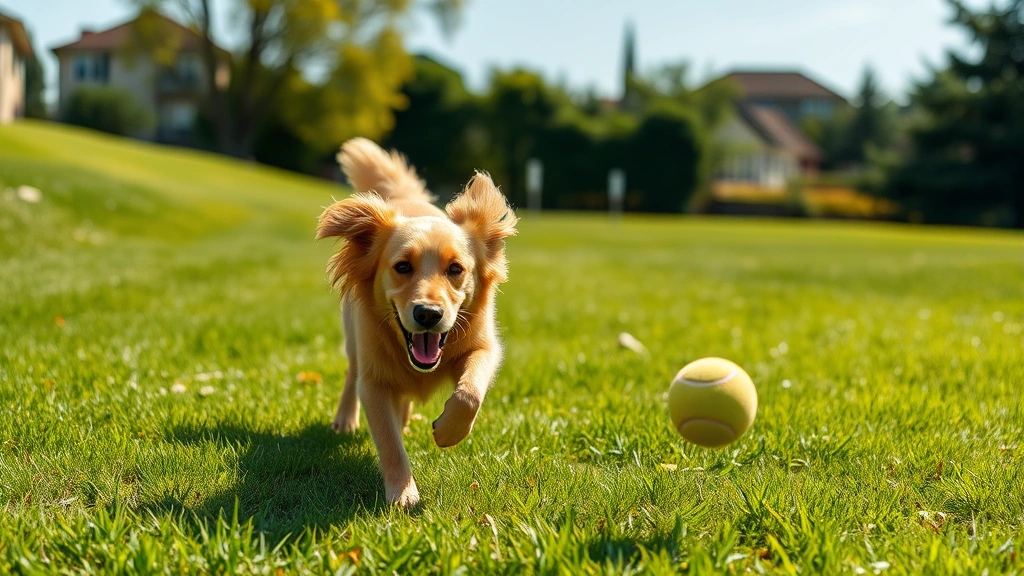
How to Teach a Dog to Fetch: Step-by-Step Guide
There’s something magical about watching your furry best friend race across the yard, chase down a ball, and triumphantly return it to your hands. Fetch isn’t just a fun game—it’s one of the most rewarding activities you can share with your dog. Whether you have a energetic Golden Retriever or a spirited mixed breed, teaching fetch can provide essential exercise, mental stimulation, and quality bonding time.
But here’s the thing: not every dog instinctively knows how to play fetch. Some pups chase the thrown object with enthusiasm but completely forget the “bring it back” part. Others seem utterly baffled by the whole concept. The good news? With patience, the right techniques, and consistent training, virtually any dog can learn to fetch. This guide will walk you through everything you need to know to transform your pup into a fetch-loving champion.
Teaching fetch is also a fantastic way to address the reality that dogs get bored without regular mental and physical activity. A dog that knows how to play fetch has an outlet for their natural instincts and energy, leading to a happier, healthier companion.
Why Teach Your Dog to Fetch?
Fetch is far more than just a cute party trick. It’s a comprehensive activity that addresses multiple aspects of your dog’s wellbeing. When your dog plays fetch, they’re engaging in physical exercise that burns calories, strengthens muscles, and improves cardiovascular health. According to the American Kennel Club’s guidelines on exercise, most dogs need at least 30 minutes to 2 hours of physical activity daily, depending on breed and age.
Beyond the physical benefits, fetch provides crucial mental stimulation. Your dog must focus on the thrown object, track its movement, calculate trajectory, and make split-second decisions. This cognitive engagement helps prevent behavioral problems and keeps your pup’s mind sharp. Additionally, fetch strengthens the bond between you and your dog. You’re bonding with your dog through play, communication, and positive reinforcement—all essential components of a healthy human-canine relationship.
Fetch also taps into your dog’s natural prey drive and retrieval instincts in a controlled, appropriate manner. Rather than your pup chasing squirrels or other animals, they’re channeling that energy into a game that keeps them safe and engaged.
Prerequisites: What You Need Before Starting
Success in teaching fetch depends on having the right tools and environment. First, you’ll need appropriate toys. Many dogs are naturally drawn to why dogs love tennis balls, though some prefer rubber balls, frisbees, or rope toys. Experiment to discover what motivates your individual dog. The toy should be:
- Appropriately sized for your dog’s mouth—not so small it’s a choking hazard, not so large it’s awkward to carry
- Durable and able to withstand repeated play without falling apart
- Easy to see in grass or outdoor environments
- Motivating to your specific dog’s preferences
You’ll also want a training space that’s safe and controlled. Ideally, this should be a securely fenced yard or a dog park where your pup can’t escape or get distracted by other animals or hazards. Start in this controlled environment before attempting fetch in more chaotic settings.
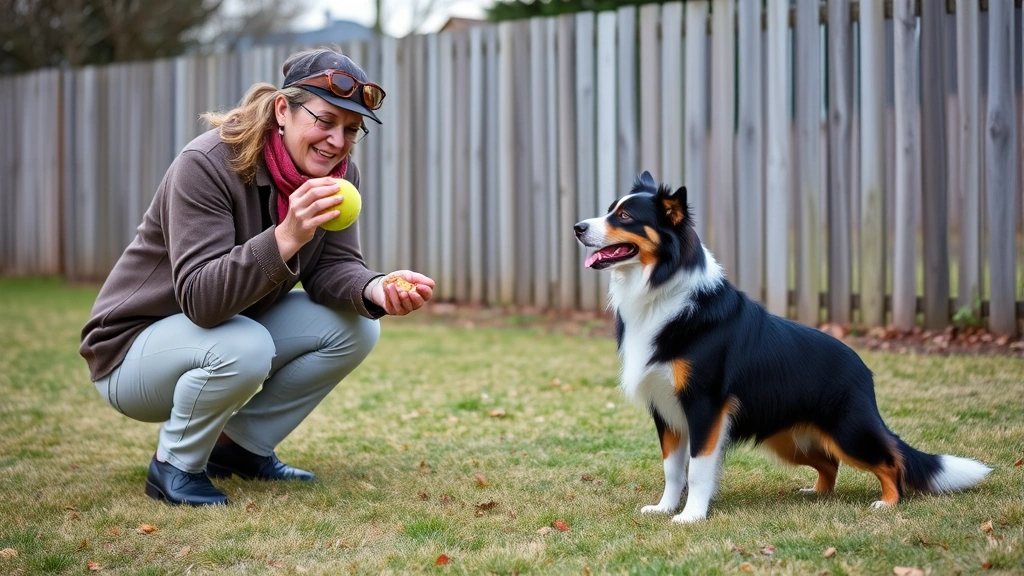
Finally, gather high-value treats. These are special rewards that your dog absolutely loves—perhaps small pieces of chicken, cheese, or commercial training treats. You’ll use these to reinforce correct behavior during training sessions. Keep training sessions to 10-15 minutes initially, as dogs have limited attention spans and you want to end on a positive note.
Step 1: Build Toy Drive and Interest
The foundation of fetch is your dog’s desire to interact with and chase toys. If your dog isn’t naturally toy-motivated, you’ll need to build this interest first. Here’s how:
- Make toys irresistible: Play with the toy yourself in an exaggerated, enthusiastic manner. Run around, bounce it, make it “alive.” Your excitement is contagious, and your dog will want to join the fun.
- Create a predatory response: Drag the toy across the ground in quick movements. This mimics prey behavior and triggers your dog’s natural chase instinct. Many dogs will instinctively pounce on moving objects.
- Reward interaction: The moment your dog shows interest—sniffing, pawing, or touching the toy—immediately reward them with treats and praise. This positive reinforcement teaches them that engaging with the toy leads to good things.
- Play tug games: If your dog enjoys tugging, let them! This builds toy drive and makes the object more rewarding. There’s a common myth that playing tug causes aggression, but the ASPCA clarifies that tug-of-war is generally safe when played appropriately with rules.
- Use multiple toys: Having several different toys helps maintain novelty and interest. Rotate them so your dog doesn’t become bored with the same object.
This phase might take days or even weeks, depending on your dog’s natural toy motivation. That’s perfectly fine. Patience here pays dividends later.
Step 2: Introduce the “Chase” Phase
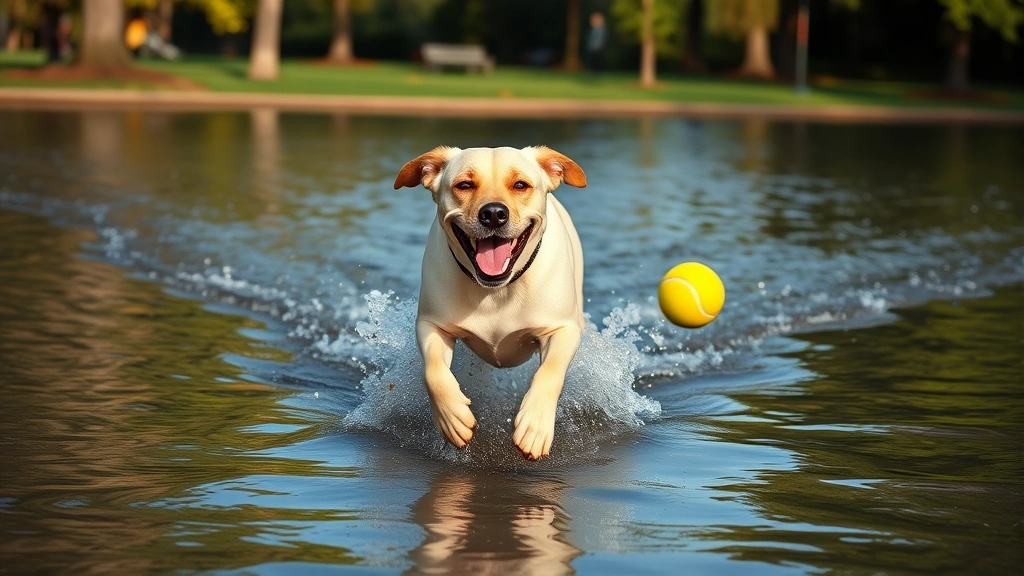
Once your dog shows genuine interest in toys, you can introduce the chasing component of fetch. Here’s the process:
- Start close: Hold your dog’s collar or have them sit beside you. Show them the toy to build excitement. Then toss it just a few feet away—barely a throw, really.
- Encourage pursuit: In an excited voice, say something like “Get it!” or “Chase!” as the toy lands. Use the same command consistently so your dog learns to associate the words with the action.
- Celebrate the chase: As soon as your dog goes after the toy, shower them with enthusiasm. Clap, cheer, and use an excited tone. Your energy reinforces that chasing is exactly what you want.
- Reward possession: When your dog catches or reaches the toy, immediately give treats and praise. They don’t need to bring it back yet—just reward the fact that they chased it.
- Gradually increase distance: Over multiple sessions, gradually throw the toy a bit farther. Start with 5-10 feet and slowly work up to longer distances as your dog’s confidence grows.
During this phase, focus entirely on the chase. Don’t worry about the return yet. Some dogs naturally want to bring things back, but many need to be taught this separately. Your job right now is simply to establish that chasing the thrown toy is rewarding and fun.
Step 3: Master the “Return” Command
The return phase is often the most challenging part of teaching fetch. This is where many dogs get stuck—they love chasing but see no reason to give up their prize. Here’s how to build this crucial skill:
- Teach “Drop it” first: Before working on returns, your dog needs to understand the “drop it” command. Practice this separately with low-stakes toys. Hold a toy, say “drop it,” and immediately reward with treats when they release it. This builds the foundation for returning thrown toys.
- Use the two-toy method: This is a game-changer for many dogs. During fetch practice, have a second toy of equal or greater value ready. When your dog catches the thrown toy, show them the second toy while saying “drop it” or “trade.” Most dogs will drop the first toy to pursue the second one. Immediately reward and praise.
- Create a “come” association: Before focusing on fetch, ensure your dog has a solid “come” command. You can practice this separately and then incorporate it into fetch. When your dog has the toy, call them with excitement and their name, rewarding heavily when they return to you.
- Practice in small spaces: Make it easier for your dog to succeed by practicing returns in confined areas. A small room or tiny fenced section of the yard reduces the distance your dog needs to navigate and makes returning to you more likely.
- Use a long leash: Some trainers recommend attaching a long training leash (15-30 feet) to your dog during early fetch practice. If your dog won’t return with the toy, you can gently reel them in while rewarding them for coming toward you.
Remember that understanding why dogs like squeaky toys can help you choose the right rewards. If your dog is particularly motivated by squeaky toys, use those as your “trade” toy in the two-toy method.
Step 4: Combining Chase and Return
Now it’s time to put the pieces together. Your dog has learned to chase and to return (at least with the two-toy method). Now you’ll combine these into a complete fetch sequence:
- Follow the full sequence: Throw the toy, encourage the chase, reward when caught, show the second toy, reward the trade, and celebrate the successful return. Each element should flow naturally into the next.
- Gradually phase out the trade toy: Over many sessions, start using the trade toy less frequently. Maybe every other return, or every third return. Eventually, your dog should return without needing the trade incentive, though you’ll still reward heavily when they do.
- Establish a consistent routine: Develop a reliable sequence: throw, chase, catch, return, reward. Repetition helps your dog understand the complete game and builds the neural pathways associated with fetch.
- Vary your rewards: Mix up rewards to keep things interesting. Sometimes it’s treats, sometimes it’s praise, sometimes it’s immediately throwing the toy again for another round. This unpredictability keeps your dog engaged.
- Practice the “lay down” command between rounds: Interestingly, teaching your dog to lay down can be helpful in fetch training. Having your dog settle between throws teaches impulse control and prevents overstimulation.
This phase typically takes several weeks of consistent practice. Some dogs catch on quickly; others need more time. Celebrate small victories and maintain patience.
Step 5: Increasing Distance and Difficulty
Once your dog consistently completes the fetch sequence in your training space, you can make the game progressively more challenging:
- Throw farther: Gradually increase throwing distance. Start with 20-30 feet and work up to whatever distance your dog can manage safely.
- Change environments: Practice fetch in different locations—different yards, parks, trails. Each new environment presents fresh distractions and challenges that build your dog’s reliability.
- Introduce distractions gradually: Once solid in familiar settings, practice with minor distractions (other people nearby, mild noise). Gradually increase distraction levels as your dog demonstrates reliable response.
- Vary toy types: Practice with different toys—balls, frisbees, sticks, rope toys. This versatility makes your dog a more complete retriever.
- Play in different weather: Rain, snow, wind—these conditions present new challenges. Practice in various weather to build adaptability.
- Work on different surfaces: Grass, sand, gravel, snow—different surfaces affect how your dog tracks and retrieves. Varied practice builds overall fetch reliability.
Throughout this progression, continue rewarding good behavior enthusiastically. The goal is to make fetch such an enjoyable, rewarding activity that your dog seeks it out and performs reliably across contexts.
Common Mistakes to Avoid
Learning what not to do is just as important as learning correct techniques. Here are the most common fetch training mistakes:
Starting too ambitious: Throwing a tennis ball 50 feet on day one is a recipe for failure. Build gradually from short distances and simple scenarios.
Inconsistent commands: If you sometimes say “fetch,” sometimes “get it,” and sometimes say nothing, your dog gets confused. Pick consistent commands and stick with them.
Punishing non-return: Never chase your dog or scold them for not returning. This teaches them to avoid you with the toy. Instead, make returning more rewarding than keeping the toy.
Playing fetch with overtired dogs: An exhausted dog won’t learn effectively. Practice when your dog is alert and energetic, not after they’ve already had vigorous exercise.
Ending on frustration: Always end training sessions on a positive note. If your dog isn’t getting it, go back to an easier version they’ve mastered, succeed there, and stop. Never end a session with your dog or you frustrated.
Ignoring safety: Always check the area for hazards before playing fetch. Remove sticks, rocks, holes, or other dangers. Avoid fetch on hot pavement that could burn paw pads. Check weather conditions—extreme heat or cold isn’t ideal for intense play.
Neglecting basic obedience: A dog that doesn’t reliably respond to “come” or “drop it” will struggle with fetch. Build these foundational commands first.
According to Veterinary Partners’ training guidance, consistency and patience are the cornerstones of successful dog training, including fetch.
Frequently Asked Questions
At what age can puppies learn to fetch?
Most puppies can begin learning fetch concepts around 8-12 weeks old, though their attention span will be very short. Formal fetch training usually works best starting around 4-6 months when puppies can focus longer and have better impulse control. Always ensure your puppy has completed their initial vaccinations before playing with other dogs or in public spaces.
Why won’t my dog bring the toy back?
This is the most common fetch complaint. Your dog likely sees the toy as a prize they’ve “won” and doesn’t want to give it up. The two-toy method is highly effective here. Additionally, make sure your dog has a solid “come” command independent of fetch training. Also avoid chasing your dog to get the toy—this turns it into a chase game where your dog “wins” by keeping the toy.
Is fetch safe for all dog breeds?
Most dogs can learn fetch, but some breeds are naturally more inclined toward retrieval (Retrievers, Spaniels, Pointers). Brachycephalic breeds (flat-faced dogs like Bulldogs or Pugs) may struggle with intense fetch due to breathing limitations. Always consult your veterinarian about your specific dog’s fitness for fetch, especially if they have any health conditions. According to the American Veterinary Medical Association’s exercise guidelines, individual dogs have different exercise needs based on age, health, and breed.
How often should I practice fetch training?
Short, consistent practice sessions work better than occasional long ones. Aim for 3-5 sessions per week, each lasting 10-15 minutes. This consistency builds neural pathways and keeps your dog’s interest high. More frequent, shorter sessions prevent boredom and overexertion.
Can older dogs learn to fetch?
Absolutely! While puppies might learn slightly faster, older dogs are entirely capable of learning fetch. Senior dogs may need shorter sessions and lower-impact play, but the training principles remain the same. In fact, the AKC notes that mental stimulation is particularly important for senior dogs to maintain cognitive function.
What if my dog has no interest in toys?
Some dogs aren’t naturally toy-motivated. In these cases, build toy drive gradually through play, drag toys to stimulate prey drive, and use high-value food rewards. Some dogs respond better to fetch-like games with food or other rewards rather than traditional toy retrieval. You might also try different toy types—some dogs prefer soft toys, others like hard balls or sticks.
Should I use a ball launcher or throwing stick?
Ball launchers and throwing sticks can be helpful tools that allow you to throw farther and more consistently. However, master the basic training first with your hand throws. These tools are best used once your dog has solid fetch skills, as they can make the game more physically demanding and potentially increase injury risk if your dog isn’t yet coordinated.





