
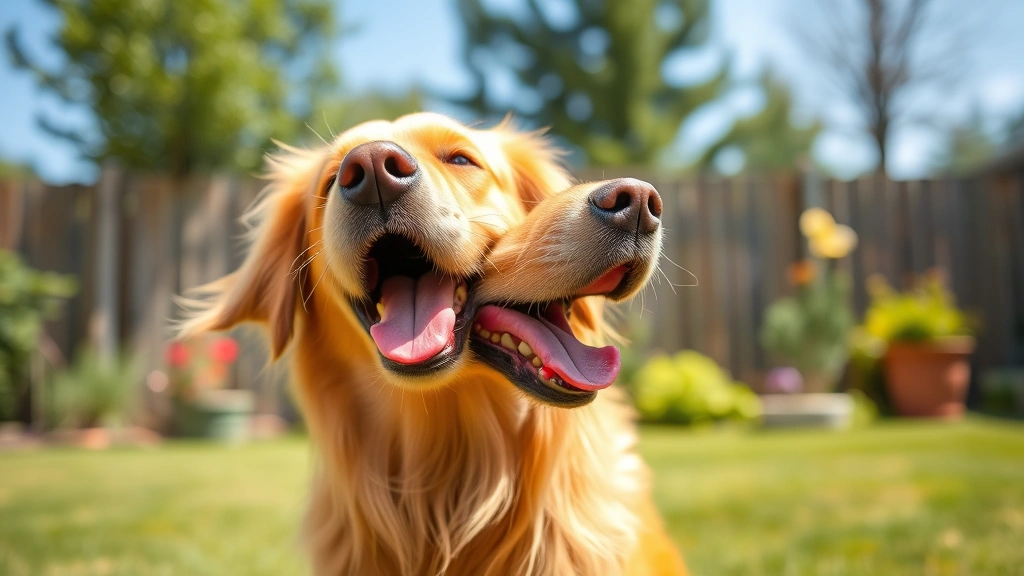
How to Teach a Dog to Speak: Expert Tips for Training Your Vocal Pup
Ever wished your dog could actually tell you what they’re thinking? While we can’t give them a vocabulary quite like ours, teaching your dog to speak on command is one of the most entertaining and rewarding tricks you can train. It’s not just about the adorable factor (though let’s be honest, a dog “speaking” on cue is absolutely precious)—it’s also a fantastic way to engage your pup’s mind, strengthen your bond, and have some serious fun at parties.
The beauty of training a dog to speak is that most dogs already have the instinct to vocalize. Whether it’s barking at the doorbell, howling along to your favorite song, or those mysterious moments when they seem to be arguing with you about dinner time, our furry friends are naturally vocal creatures. The trick is channeling that natural behavior into a trained command. And here’s the good news: with patience, consistency, and the right techniques, almost any dog can learn to speak on cue.
In this comprehensive guide, we’ll walk you through everything you need to know about teaching your dog to speak, from understanding the basics of canine communication to troubleshooting common training challenges. Whether you have a naturally chatty Golden Retriever or a typically quiet Basset Hound, we’ve got the strategies to help you succeed.
Understanding Canine Communication
Before we dive into training, it’s essential to understand how dogs naturally communicate. Why dogs bark at nothing is actually rooted in their inherent need to vocalize and express themselves. Dogs bark for numerous reasons: to alert, to play, to seek attention, or simply because they’re excited. Some breeds are naturally more vocal than others—think of a Husky’s tendency to “talk” versus a Greyhound’s relative silence.
Understanding your dog’s natural communication style is crucial. Dogs understand English to a certain degree, picking up on tone, context, and repeated associations. When you teach your dog to speak, you’re essentially creating a new association between a vocal behavior they already perform and a specific command you provide. This leverages their existing instincts rather than asking them to do something completely foreign.
The science behind this is fascinating. Research from animal behaviorists shows that dogs are capable of producing a wide range of vocalizations, and with proper conditioning, they can learn to produce these sounds on cue. The key is identifying what naturally triggers vocalization in your dog and then capturing that behavior through training.
Preparation and Prerequisites
Successful training starts long before you begin teaching the “speak” command. Here’s what you need to prepare:
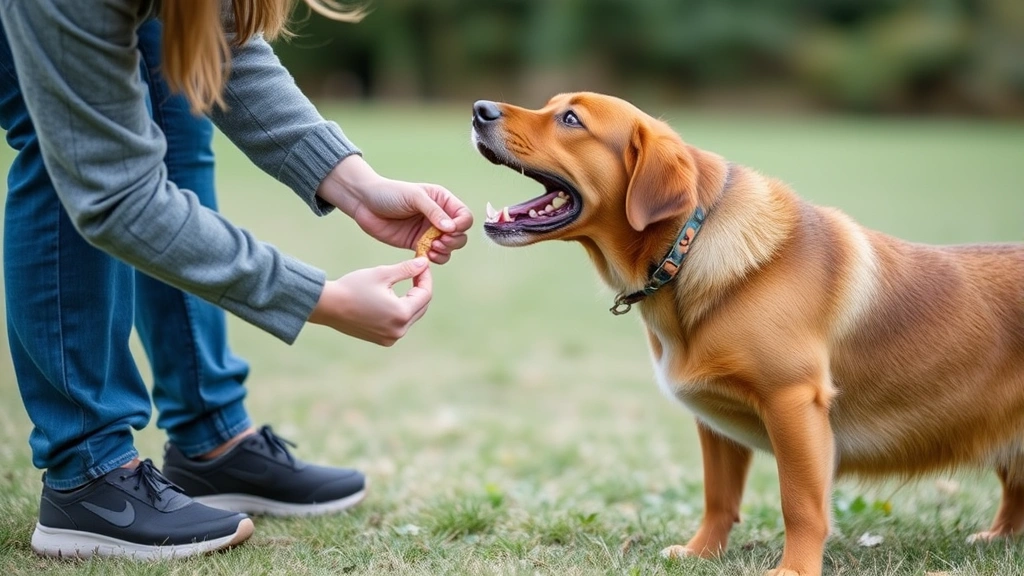
- High-Value Treats: Find treats your dog absolutely loves. These should be special—reserved only for training sessions. Small, easily consumed treats work best so you can reward quickly and keep momentum going.
- Quiet Training Environment: Start in a distraction-free space where your dog can focus entirely on you. This might be a quiet room in your home or a secluded corner of your yard.
- Proper Timing: Train when your dog is alert and energetic, but not overstimulated. Mid-morning or early evening often works well, and definitely not right after they’ve eaten a large meal.
- Patience and Consistency: Training requires repetition. Plan for short, frequent sessions—10-15 minutes is ideal—rather than long, exhausting marathons.
- Understanding of Positive Reinforcement: Modern dog training relies on rewarding desired behaviors rather than punishing unwanted ones. This creates a positive association and faster learning.
It’s also worth noting that some dogs are naturally more vocal than others. If you have a particularly quiet breed or a dog that rarely barks, you might need to work harder to identify vocalization triggers. However, don’t get discouraged—even the quietest dogs can learn to speak on command with the right motivation.
Step-by-Step Training Guide
Phase 1: Identifying Your Dog’s Triggers
The first step is figuring out what naturally makes your dog vocalize. Keep a mental note of situations where your pup naturally barks or makes sounds. Common triggers include:
- Doorbell ringing
- Someone arriving at the house
- Playtime excitement
- Anticipation of treats or walks
- Attention-seeking behavior
Once you’ve identified what triggers vocalization in your dog, you can start planning your training sessions around these moments.
Phase 2: Capturing the Behavior
“Capturing” is a training technique where you reward your dog for naturally performing a behavior you want to reinforce. Here’s how to do it:
- Set up a situation where your dog is likely to bark or vocalize naturally
- Have high-value treats ready in your hand
- The moment your dog makes a sound, immediately say your chosen command word (“Speak!” works well)
- Instantly reward with a treat and enthusiastic praise
- Repeat this process multiple times over several training sessions
The key here is timing. Your reward must come within one second of the vocalization for your dog to make the connection. This is where consistency really matters.
Phase 3: Creating the Association
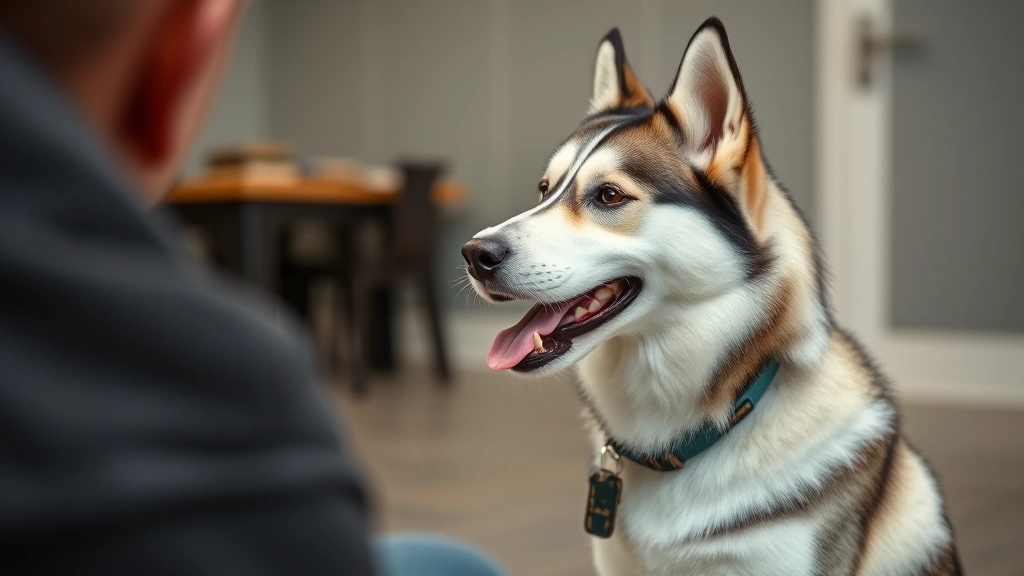
After several successful captures, your dog should start understanding the connection between the command and the behavior. Now you can start being more intentional about triggering the vocalization. Try these techniques:
- Excitement Method: Get your dog excited through play or by showing them their favorite toy, then give the “Speak” command. Reward immediately when they vocalize.
- Question Method: Ask your dog a question in an excited tone (“Do you want to go for a walk?”) and reward when they respond with a bark or sound.
- Mirror Method: Some dogs will vocalize if they see another dog doing so. If you have access to another vocal dog, this can be helpful, though it requires careful management.
Practice these methods consistently for 5-10 minute sessions, several times per day if possible. Most dogs begin to show understanding within 3-7 days of consistent training.
Phase 4: Strengthening the Command
Once your dog is reliably vocalizing on command in your training space, it’s time to strengthen the behavior and generalize it to different environments. Gradually:
- Increase the distance between you and your dog when giving the command
- Move to different rooms and outdoor locations
- Practice with mild distractions present
- Vary your reward schedule (reward every time initially, then randomly)
- Add a hand signal to accompany the verbal command
This progression helps ensure your dog doesn’t just speak in one specific context but truly understands the command regardless of location or circumstances.
Advanced Techniques
Once your dog has mastered the basic “speak” command, you can take things further with these advanced variations:
Teaching “Quiet” as a Complement
The “quiet” command is just as important as “speak.” After your dog speaks on command, wait a moment, then say “Quiet” in a calm voice. When they stop vocalizing, immediately reward. This teaches them that vocalizing and being silent are both controllable behaviors.
Variable Vocalization
Some trainers teach dogs to produce different types of vocalizations—short barks, long howls, multiple barks in succession. This requires rewarding specific variations of the vocalization behavior. It’s more advanced but incredibly impressive when mastered.
Combining with Other Tricks
Once “speak” is solid, you can incorporate it into sequences with other commands. For example: “Sit, shake, speak!” This creates complex behavioral chains that showcase your dog’s intelligence and training.
Duration Training
Advanced trainers sometimes work on duration—having the dog speak continuously for a set period. This requires careful management to ensure you’re not encouraging excessive barking in everyday life.
Common Challenges and Solutions
Challenge: My Dog Won’t Bark on Command
If your dog isn’t naturally vocal, try these solutions:
- Work with a naturally vocal friend’s dog to see what triggers them
- Try training during higher-energy times of day
- Experiment with different reward types—some dogs respond better to toys than treats
- Consider that some dogs are simply less vocal, and that’s okay. You might need to focus on capturing quieter vocalizations like whines or howls
Challenge: My Dog Barks Too Much Now
This is a common concern among owners. The solution is ensuring you’re also training the “quiet” command equally. Additionally, proper discipline techniques help manage unwanted barking. Only reward vocalizations that occur on command, never reward random barking that happens outside training sessions.
Challenge: My Dog Speaks, But Not Reliably
Inconsistent performance usually means:
- Insufficient practice repetitions (aim for 3-5 sessions daily initially)
- Inconsistent rewards (make sure you’re rewarding every correct response)
- Distractions in the training environment (scale back environmental complexity)
- Unclear command delivery (ensure you’re saying “Speak” with consistent tone and timing)
Challenge: My Dog Confuses Speak with Other Commands
If your dog is mixing up “speak” with “sit,” “stay,” or other commands, return to basics. Practice each command in isolation, in different environments, with clear distinctions in your voice tone and hand signals.
Safety Considerations
While teaching your dog to speak is fun, there are important safety and behavioral considerations:
Avoid Excessive Vocalization
Training your dog to speak should never encourage problematic barking behaviors. Be strict about only rewarding on-command vocalizations. If you notice your dog starting to bark excessively outside training, scale back the training immediately.
Consider Your Neighbors
If you live in an apartment or close quarters with neighbors, be mindful of training times. Early morning or late evening training sessions might disturb others. Communicate with neighbors about what you’re doing to set expectations.
Monitor for Stress
Some dogs may show stress signals during training—excessive panting, yawning, lip licking, or attempting to leave. If you notice these signs, take a break. Training should always be positive and pressure-free.
Individual Breed Considerations
Certain breeds have genetic predispositions toward excessive barking. Huskies, Beagles, and some terrier breeds are naturally vocal. Be extra cautious with these breeds to ensure training doesn’t amplify existing vocal tendencies. Conversely, breeds like Basenji’s rarely bark, so your expectations should be adjusted accordingly.
Research from the American Kennel Club shows that breed temperament significantly impacts training success and behavioral outcomes. Understanding your breed’s natural inclinations helps set realistic training goals.
Frequently Asked Questions
How long does it take to teach a dog to speak?
Most dogs can learn the basics of the “speak” command within 1-3 weeks with consistent daily training. However, reliability and the ability to perform in various environments typically takes 4-8 weeks. Individual dogs vary significantly based on age, breed, and prior training experience.
Is teaching a dog to speak cruel or harmful?
No, when done correctly using positive reinforcement, teaching your dog to speak is not harmful. In fact, it provides mental stimulation and strengthens your bond. The key is ensuring you’re not encouraging excessive or problematic barking in everyday situations. The ASPCA supports positive reinforcement-based training methods.
Can older dogs learn to speak?
Absolutely! While puppies may learn slightly faster, older dogs are perfectly capable of learning new commands, including “speak.” Dogs can learn throughout their entire lives. Don’t hesitate to train an adult or senior dog.
What if my dog naturally howls instead of barks?
Howling is a perfectly acceptable vocalization for the “speak” command! Some owners even prefer teaching their dogs to howl, especially with breeds like Huskies or Malamutes. The training methodology remains the same—capture the behavior, create the association, and reinforce consistently.
Should I use a clicker in training?
Clicker training can be very effective for teaching “speak.” The clicker provides a precise marker of the exact moment your dog performed the desired behavior, making the connection clearer. If you’re familiar with clicker training, definitely use it. If not, consistent verbal praise and immediate rewards work well too.
How is teaching speak different from teaching fetch?
While teaching your dog to play fetch involves capturing and reinforcing a retrieving behavior, teaching speak focuses on vocalization. Both use similar positive reinforcement principles, but fetch involves physical retrieval while speak is purely vocal. The fundamental training structure is comparable, though the triggers and reward timing differ.
Can all dog breeds learn to speak?
Yes, all dog breeds can technically learn to vocalize on command. However, some breeds are naturally more vocal than others. Breeds like Huskies, Malamutes, and Beagles typically learn faster because they’re already prone to barking and howling. Quieter breeds may take longer, but with patience and proper motivation, they can all succeed.
What’s the relationship between speak and why dogs howl at sirens?
Understanding why dogs howl at sirens helps you understand their natural vocalization instincts. Dogs howl in response to high-pitched sounds as a form of communication. This natural behavior can actually be channeled into training. If your dog howls at sirens, you’ve identified a strong vocalization trigger you can potentially use in training.
Are there any age restrictions for teaching speak?
Puppies can start learning “speak” around 8 weeks old, though their ability to focus on training is limited. Most dogs benefit from waiting until 4-6 months old when their attention span improves. There’s no upper age limit—senior dogs can learn too.
What if my dog’s “speak” sounds more like a whine?
That’s perfectly fine! Some dogs naturally whine rather than bark. If your dog produces a whine or other vocalization on command, that counts as success. The sound itself matters less than the fact that your dog is vocalizing on cue. Some owners actually prefer the softer sound of a whine to a full bark.





