
So you think your furry best friend might be expecting puppies? Learning how to tell if a dog is pregnant can be tricky since dogs can’t exactly take a home pregnancy test or tell you they’re feeling morning sickness. But don’t worry—there are plenty of telltale signs that’ll clue you in to whether your pup is about to become a mama dog. Whether this was planned or a surprise, understanding the early indicators of canine pregnancy is crucial for keeping your dog healthy and prepared for the big day.
Table of Contents
- Early Signs: The First Two Weeks
- Nipple Changes and Breast Development
- Loss of Appetite and Nausea
- Weight Gain and Abdominal Enlargement
- Behavioral Changes and Nesting Instincts
- Vaginal Discharge and Vulva Swelling
- Lethargy and Decreased Activity
- Ultrasound and Veterinary Confirmation
- Preparing for Delivery: The Final Stages
- Nutritional Needs During Pregnancy
- When to Contact Your Veterinarian
- Frequently Asked Questions
- Conclusion: Supporting Your Pregnant Pup
Early Signs: The First Two Weeks
The very beginning of pregnancy in dogs is subtle. During the first two weeks after conception, your dog might not show any obvious changes. However, some observant owners notice their dogs becoming slightly quieter or more clingy. These early behavioral shifts happen because hormonal changes are already underway, even if physical signs haven’t appeared yet. If your dog recently had contact with a male during her heat cycle, mark your calendar—pregnancy typically lasts about 63 days.
Nipple Changes and Breast Development
One of the most reliable early signs is changes to your dog’s nipples. Around three to four weeks into pregnancy, the nipples become noticeably enlarged and may darken in color. This happens because her body is preparing for milk production. The breast tissue around the nipples also starts to swell and become more prominent. If you’re familiar with how your dog’s chest normally looks, this change becomes pretty obvious. Some owners describe the nipples as looking “puffy” or “tender.” This is a key indicator that something’s definitely going on, and it’s worth scheduling a vet visit.
Loss of Appetite and Nausea
Just like humans, pregnant dogs can experience nausea and a decreased appetite, especially in the first month. Your normally food-obsessed pup might turn her nose up at her favorite treats or eat significantly less than usual. Some dogs become picky about their food and may only eat certain things. This can be concerning for pet parents, but it’s usually temporary. However, if your dog stops eating entirely for more than a day, contact your veterinarian immediately. Proper nutrition is essential during pregnancy, so you might need to adjust her diet. Consider consulting our guide on vet approved human foods for pets to find nutritious options she’ll actually eat during this sensitive time.
Weight Gain and Abdominal Enlargement
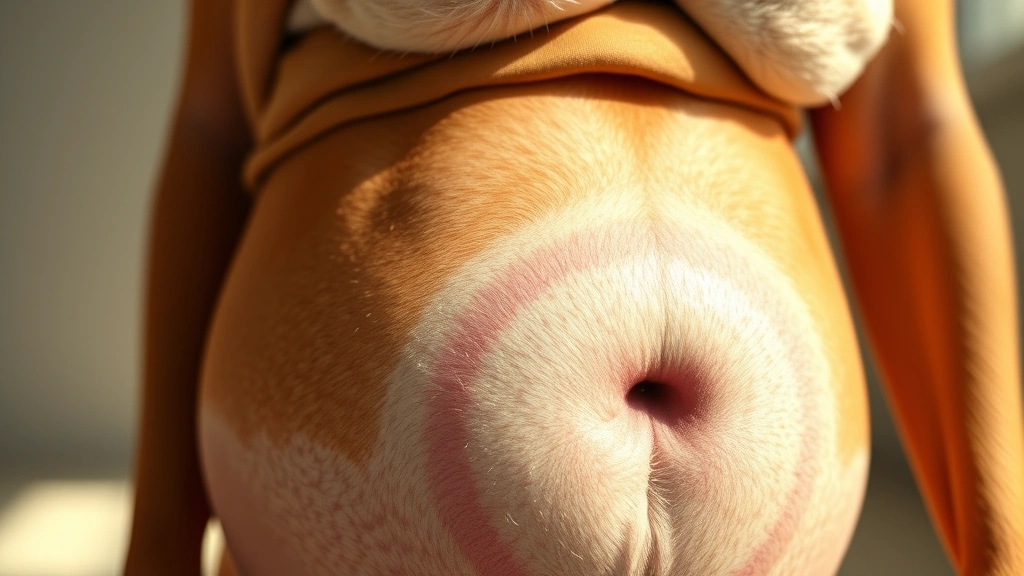
As pregnancy progresses into weeks four through six, weight gain becomes increasingly visible. Your dog’s belly will start to expand, though this isn’t always obvious if she’s a larger breed or already fluffy. The weight gain isn’t just in the abdomen—she may gain 20-50% of her normal body weight by the end of pregnancy. The abdominal enlargement becomes most noticeable in the final weeks when the puppies are larger. If your dog has always been lean, you’ll see the difference more clearly. This physical change is one of the most concrete signs that pregnancy is real.
Behavioral Changes and Nesting Instincts
As your dog gets closer to her due date, you might notice her behavior shifting dramatically. She may become more anxious, clingy, or conversely, more withdrawn. Many pregnant dogs start “nesting”—gathering blankets, toys, or bedding to create a comfortable space for delivery. She might pace around the house, dig at her bed, or try to find a quiet, secluded spot. Some dogs become protective of their space or slightly irritable. These behavioral changes are instinctive and completely normal. Providing a calm, safe environment with a designated whelping area can help ease her anxiety.
Vaginal Discharge and Vulva Swelling
The vulva naturally swells during pregnancy, and you might notice a clear or slightly mucoid discharge, especially in the later stages. This is different from the discharge during heat cycle—it’s usually clearer and less bloody. However, any discharge that’s green, brown, or has a foul odor before labor begins could indicate a problem and requires immediate veterinary attention. Keep an eye on these changes, as they’re important indicators of your dog’s health status. Monitoring discharge is particularly important in the final week of pregnancy when complications can arise.

Lethargy and Decreased Activity
Pregnant dogs often become less active and more tired than usual. This is completely normal—growing puppies requires a lot of energy! Your dog might spend more time resting, napping, or just lounging around. She may be less interested in walks, playtime, or games she normally loves. Don’t be alarmed by this change; it’s her body’s way of conserving energy for pregnancy and upcoming labor. However, ensure she still gets gentle exercise to maintain muscle tone. Short, easy walks are ideal during pregnancy rather than strenuous activity.
Ultrasound and Veterinary Confirmation
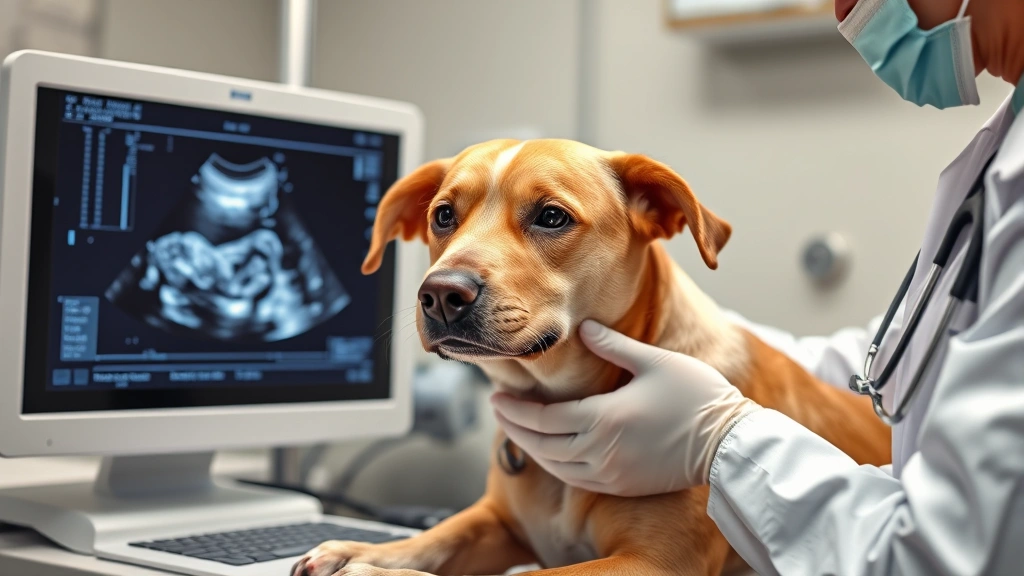
The most reliable way to confirm pregnancy is through a veterinary ultrasound around day 25-35 of pregnancy. Your vet can see the gestational sacs and even count how many puppies are developing. An ultrasound is non-invasive, safe for both mom and babies, and gives you concrete answers. X-rays can also be taken in the final week to get an exact puppy count and assess their size relative to the birth canal. Your veterinarian might also perform a blood test to check for relaxin, a hormone produced during pregnancy. These professional confirmations remove all guesswork and help your vet prepare for any potential complications during delivery.
Preparing for Delivery: The Final Stages
In the last week or two before delivery, your dog’s body prepares for labor. Her temperature may drop slightly (from normal 101.5°F to around 99°F or lower), which often happens 12-24 hours before labor begins. She’ll likely refuse food entirely and may become restless. Milk might leak from her nipples. These are all signs that labor is imminent. Create a comfortable, quiet whelping area with clean blankets and easy access to water. Keep your veterinarian’s contact information handy and know the location of emergency vet clinics in case you need them. During this critical time, proper nutrition becomes even more important—our resource on convalescence foods from the kitchen can help you prepare nourishing meals for post-delivery recovery.
Nutritional Needs During Pregnancy
Pregnant dogs require increased calories and specific nutrients to support healthy puppy development. Around week four, gradually increase her food intake—she may need 25-50% more calories by the end of pregnancy. High-quality protein is essential for fetal development and milk production. Consider switching to a premium puppy formula or a pregnancy-specific dog food, as these are formulated with appropriate nutrient ratios. Calcium and phosphorus are particularly important for bone development in puppies. Consult your veterinarian about supplements or dietary adjustments. Our guide on skin and coat health foods also provides insights into nutrient-rich options that support overall health during this demanding time.
When to Contact Your Veterinarian
Certain signs warrant immediate veterinary attention. Contact your vet if your dog has green or brown vaginal discharge before labor, refuses to eat for more than 24 hours, shows signs of pain or distress, has difficulty breathing, or exhibits any unusual behavior. If labor begins but she doesn’t deliver a puppy within two hours of active straining, this could indicate a problem requiring emergency intervention. Similarly, if she delivers a puppy but shows no signs of delivering more within 2-4 hours, she may need assistance. Never hesitate to call your vet with concerns—it’s better to be cautious when it comes to pregnancy complications. For ongoing support and guidance, consider our telehealth pet nutrition consultation service to discuss dietary needs and health concerns throughout pregnancy.
Frequently Asked Questions
How long is a dog pregnant?
A dog’s pregnancy typically lasts about 63 days (approximately 9 weeks) from the date of conception. However, this can vary slightly from 58-68 days depending on the individual dog. If your dog goes beyond 70 days without delivering, contact your veterinarian immediately as this could indicate complications.
Can a dog be pregnant without showing signs?
Yes, some dogs show minimal signs of pregnancy, especially in the early stages. This is why veterinary confirmation through ultrasound or blood tests is so valuable. Larger breeds or dogs with naturally round bodies may not show obvious abdominal enlargement, making pregnancy harder to detect without professional help.
How much weight should a pregnant dog gain?
A pregnant dog typically gains 20-50% of her normal body weight throughout pregnancy. The exact amount depends on litter size and the dog’s breed. Most weight gain occurs in the final three weeks when puppies are growing most rapidly. Your vet can help determine if your dog’s weight gain is appropriate.
Is it safe to take X-rays during dog pregnancy?
Yes, X-rays are safe during the final week of pregnancy and are actually recommended to count puppies and assess their size. The radiation exposure is minimal and the benefits of knowing what to expect during delivery outweigh any risks. X-rays should only be done in the final stages, not early in pregnancy.
What should I feed a pregnant dog?
Feed your pregnant dog high-quality, nutrient-dense food—either premium adult dog food or a specific pregnancy formula. Increase portions gradually starting around week four, eventually providing 25-50% more calories than normal. Ensure adequate protein (at least 25%), calcium, and phosphorus. Always consult your vet about supplements or dietary changes.
When do pregnant dogs start producing milk?
Dogs typically start producing milk in the final week before delivery, though some may begin earlier. You might notice milk leaking from the nipples or see them becoming increasingly swollen and darkened. Milk production intensifies right before and after labor begins.
Conclusion: Supporting Your Pregnant Pup
Recognizing the signs of pregnancy in your dog is the first step toward providing excellent care during this special time. From nipple changes and appetite loss in the early weeks to behavioral shifts and abdominal enlargement as delivery approaches, your dog will give you plenty of clues that she’s expecting. The most important thing you can do is schedule a veterinary visit as soon as you suspect pregnancy. Your vet can confirm the pregnancy, assess your dog’s health, determine litter size, and prepare you for delivery. Ensure your dog receives proper nutrition, a calm environment, and gentle exercise throughout pregnancy. Create a comfortable whelping area well in advance, keep emergency vet information readily available, and don’t hesitate to contact your veterinarian with any concerns. With proper care and attention, you’ll help ensure a healthy pregnancy and successful delivery for your beloved furry friend. Soon enough, you’ll be welcoming adorable puppies into your home!





