

If you’re wondering how to tell if dog has bladder infection, you’re not alone—and honestly, your pup is probably pretty miserable right now. Bladder infections in dogs are super common, affecting both young and senior dogs alike. The tricky part? Dogs can’t exactly tell us their bathroom troubles, so we have to play detective. Let me break down the warning signs that’ll help you catch a UTI before it becomes a bigger problem.
Table of Contents
- What Is a Canine Bladder Infection Anyway?
- Sign #1: Frequent Urination and Accidents in the House
- Sign #2: Straining During Urination and Painful Peeing
- Sign #3: Cloudy, Bloody, or Foul-Smelling Urine
- Sign #4: Behavioral Changes and Increased Licking
- Sign #5: Fever, Lethargy, and Loss of Appetite
- Risk Factors: Which Dogs Are Most Vulnerable?
- Diagnosis: What Your Vet Will Do
- Treatment and Prevention: Getting Your Dog Back on Track
- When to Seek Emergency Care
- Frequently Asked Questions
- Conclusion: Trust Your Gut and Your Vet
What Is a Canine Bladder Infection Anyway?
A bladder infection, or urinary tract infection (UTI), happens when bacteria (usually E. coli) invade your dog’s urinary system. It’s like an unwanted party guest that causes inflammation and irritation. Unlike humans who can describe their discomfort in detail, dogs just act weird and we’re left scratching our heads. The good news? Bladder infections are treatable with antibiotics, but you’ve gotta catch them first.
Sign #1: Frequent Urination and Accidents in the House
This is probably the most obvious red flag. If your normally housetrained dog suddenly starts peeing everywhere like they’ve forgotten basic manners, something’s up. A dog with a bladder infection feels the constant urge to pee, even if there’s barely anything in their bladder. You might notice them:
- Going outside way more than usual
- Having accidents inside despite being potty-trained
- Seeming desperate to go out at odd hours
- Squatting multiple times during a single bathroom break
This happens because the infection irritates the bladder lining, making your pup feel like they need to go constantly. It’s exhausting for them and frustrating for you, but it’s a classic sign that warrants a vet visit.
Sign #2: Straining During Urination and Painful Peeing
Watch your dog’s posture when they pee. A dog with a UTI might spend an unusually long time in the bathroom position, straining or seeming uncomfortable. Some dogs will even cry out or whimper while urinating—that’s your cue to call the vet immediately. You might also notice they’re reluctant to pee at all, which is their way of avoiding the discomfort. It’s genuinely painful for them, poor things.
Sign #3: Cloudy, Bloody, or Foul-Smelling Urine
Okay, this one requires you to be a bit of a pee detective. Normal dog urine is generally clear to pale yellow. If you notice:
- Blood in the urine (hematuria)
- Cloudy or murky appearance
- An unusually strong or foul odor
- Dark or amber-colored pee
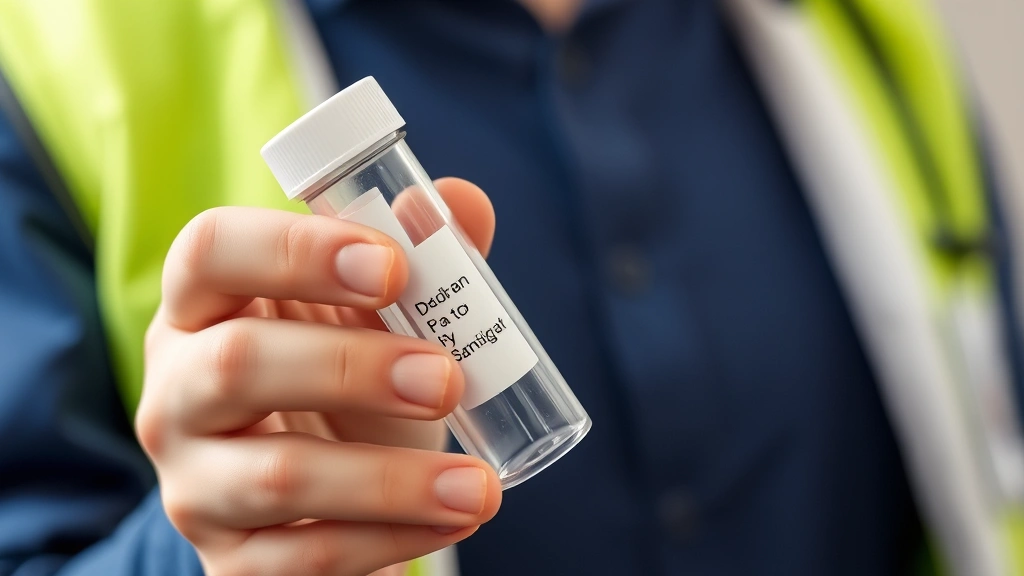
…then your dog likely has a bladder infection. The blood comes from inflammation in the urinary tract, while the cloudiness indicates infection. If you’re concerned, collect a sample in a clean container and bring it to your vet. This is literally diagnostic gold.

Sign #4: Behavioral Changes and Increased Licking
Dogs with UTIs often act differently. They might be more lethargic than usual, less interested in playtime, or seem generally uncomfortable. One weird behavior you’ll notice? Excessive licking of the genital area. Your dog is trying to soothe the irritation and discomfort down there. Some dogs also become more clingy or anxious, sensing that something’s wrong with their body.
Sign #5: Fever, Lethargy, and Loss of Appetite
If the infection has progressed or spread to the kidneys, you might see more serious symptoms. A dog with a fever will feel warm to the touch, especially on their ears and nose. They might:
- Refuse to eat or drink normally
- Sleep way more than usual
- Seem depressed or withdrawn
- Have a fever (normal dog temp is 101-102.5°F)
These signs suggest the infection might be more serious, so don’t wait around—get to your vet ASAP. A kidney infection is no joke and requires immediate treatment.
Risk Factors: Which Dogs Are Most Vulnerable?
Some dogs are more prone to bladder infections than others. Female dogs get UTIs more often than males because their urethra is shorter and straighter—bacteria have an easier highway to the bladder. Senior dogs, dogs with diabetes, and those with weakened immune systems are also at higher risk. Dogs that hold their urine for extended periods are more susceptible too, which is why regular bathroom breaks are crucial.
If your pup has chronic issues, consider discussing pet nutrition advice with your vet, as diet can play a role in urinary health. Proper hydration and certain nutrients support bladder function.
Diagnosis: What Your Vet Will Do
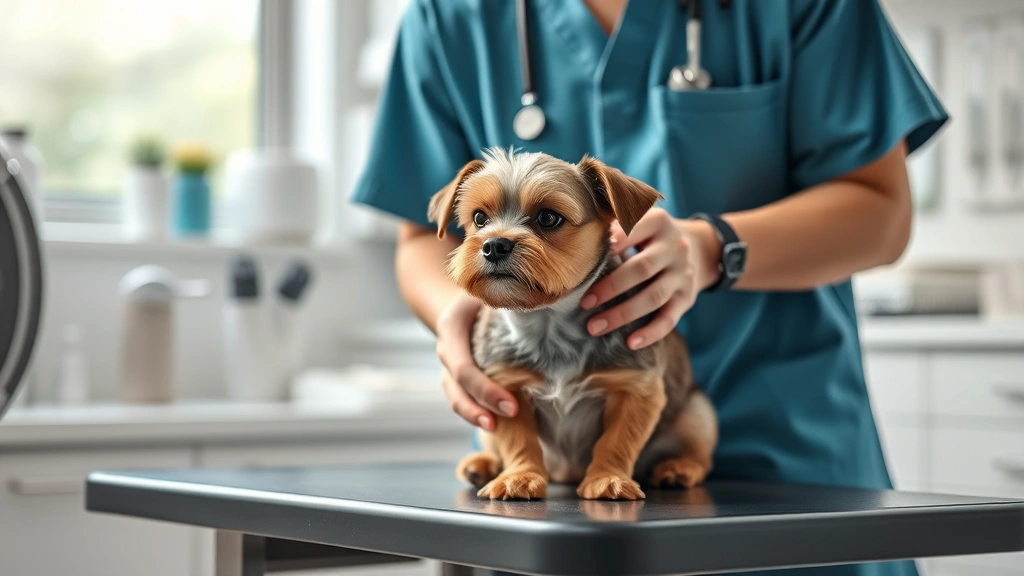
Your veterinarian will likely perform a urinalysis, which involves testing a urine sample for bacteria, white blood cells, and other indicators of infection. They might also do a urine culture to identify the specific bacteria and determine which antibiotics will work best. In some cases, they’ll recommend an ultrasound to check for complications like bladder stones or kidney involvement.
If you’re unsure whether your dog needs an in-person visit, pet telehealth options can help you get professional guidance quickly. A vet can often advise whether your dog needs immediate care or if you can wait for an appointment.
Treatment and Prevention: Getting Your Dog Back on Track
Once diagnosed, bladder infections are treated with antibiotics prescribed by your vet. It’s crucial to give the full course of antibiotics even if your dog feels better—stopping early can lead to recurring infections. Most dogs start feeling better within a few days, but the infection needs time to fully clear.
Prevention is always better than treatment. Here’s what you can do:
- Ensure your dog has constant access to fresh water
- Take frequent bathroom breaks (at least 3-4 times daily)
- Keep the genital area clean and dry
- Consider a virtual vet consultation for diet questions about urinary health-supporting foods
- Address any underlying health conditions with your vet
Some vets recommend adding probiotics or supplements that support bladder health, but always check with your veterinarian first.
When to Seek Emergency Care
Not all bladder infections require emergency treatment, but some situations demand immediate attention. If your dog shows signs of a more serious condition like kidney infection or urinary blockage—including vomiting, severe lethargy, inability to urinate, or signs of extreme pain—don’t wait. Get them to an emergency vet clinic right away. A urinary blockage is particularly dangerous and can be life-threatening if not treated promptly.
Frequently Asked Questions
Can I treat my dog’s bladder infection at home?
No, bladder infections require antibiotics prescribed by a veterinarian. While you can support treatment with increased hydration and frequent bathroom breaks, you cannot cure a bacterial infection without medication. Home remedies might ease symptoms temporarily but won’t eliminate the underlying infection.

How long does it take for a dog to recover from a UTI?
Most dogs show improvement within 3-5 days of starting antibiotics, but the full course typically lasts 7-14 days. Symptoms may resolve before the infection is completely cleared, so it’s essential to finish the entire prescription.
Are certain dog breeds more prone to bladder infections?
Female dogs and senior dogs of any breed are at higher risk. However, breeds predisposed to diabetes (like some smaller breeds) may have more frequent UTIs due to their underlying condition.
Can diet affect my dog’s bladder health?
Absolutely. Proper nutrition and hydration are crucial for urinary health. Some foods may increase urine acidity or alkalinity, affecting infection risk. Discuss dietary options with your vet—they might recommend specific formulations for dogs with recurrent UTIs.

Is a bladder infection contagious to other dogs?
No, UTIs are not contagious between dogs. They’re caused by bacteria that colonize the individual dog’s urinary system and aren’t spread through contact.
What if my dog keeps getting bladder infections?
Recurrent UTIs warrant further investigation. Your vet might recommend additional testing, dietary changes, or supplements. Some dogs benefit from prescription diets formulated for urinary health.
Conclusion: Trust Your Gut and Your Vet
Learning how to tell if dog has bladder infection is essential for every pet owner. The five warning signs—frequent urination, straining during pee, abnormal urine appearance, behavioral changes, and fever—are your dog’s way of communicating that something’s wrong. While bladder infections aren’t life-threatening when caught early, they’re definitely uncomfortable for your pup.
If you notice any combination of these symptoms, don’t hesitate to contact your veterinarian. Early treatment means faster recovery and a happier, healthier dog. Remember, you know your dog best—if something feels off, it probably is. And if you’re ever unsure about whether symptoms warrant an immediate vet visit, many practices now offer telehealth consultations that can provide quick answers without leaving home.
Your dog depends on you to catch these issues, so keep an eye on their bathroom habits and overall behavior. With proper care and attention, most dogs bounce back from bladder infections quickly and completely.





