
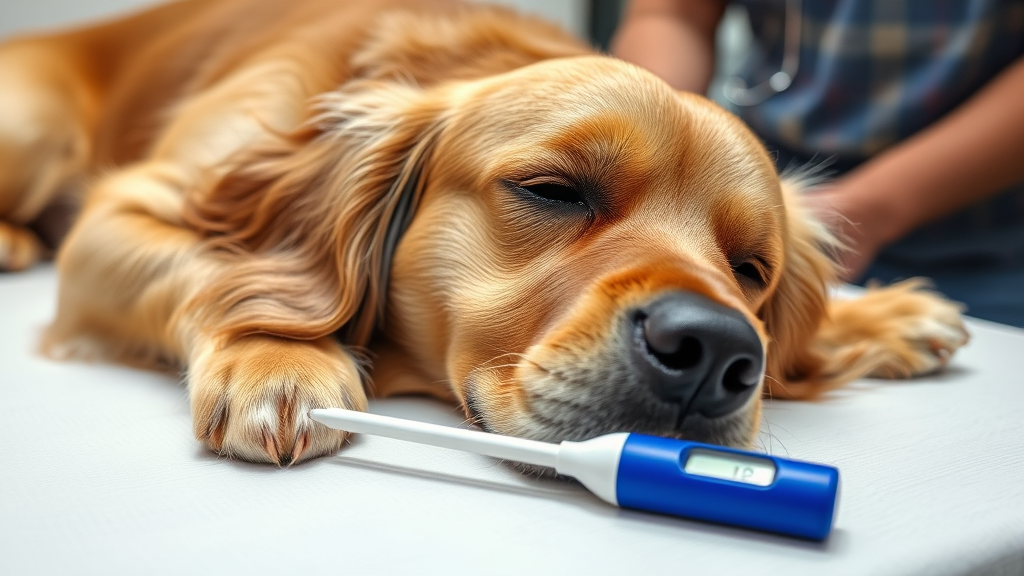
As a devoted dog parent, few things are more concerning than noticing your furry companion isn’t acting like their usual energetic self. When dogs feel unwell, they can’t tell us directly what’s wrong, making it crucial for pet owners to recognize the subtle and not-so-subtle signs that indicate their pup might be running a fever. Understanding how to identify these symptoms early can make the difference between a quick recovery and a more serious health issue.
Fever in dogs is often a sign that their immune system is fighting off an infection or illness. While a slightly elevated temperature can be normal after exercise or during hot weather, a persistent fever requires attention and potentially veterinary care. Learning to recognize the warning signs will help you provide the best care for your beloved companion and know when it’s time to seek professional help.
Understanding Your Dog’s Normal Temperature
Before you can identify when your dog has a fever, it’s essential to understand what constitutes a normal temperature range for canines. Unlike humans, who maintain a normal body temperature around 98.6°F (37°C), dogs typically run warmer with a normal temperature range between 101°F and 102.5°F (38.3°C to 39.2°C). Puppies and senior dogs may have slightly different normal ranges, so it’s important to establish your individual dog’s baseline temperature when they’re healthy.
A dog is generally considered to have a fever when their body temperature reaches 103°F (39.4°C) or higher. Temperatures above 106°F (41.1°C) are considered dangerously high and require immediate emergency veterinary care. According to the American Veterinary Medical Association, persistent elevated temperatures can indicate various underlying conditions ranging from infections to autoimmune disorders.
Several factors can temporarily affect your dog’s body temperature, including recent exercise, ambient temperature, stress levels, and time of day. Dogs naturally have slightly higher temperatures in the evening compared to morning hours. Understanding these normal fluctuations will help you better assess whether your dog’s temperature elevation is truly concerning.

Physical Signs Your Dog May Have a Fever
One of the most reliable ways to detect a fever in your dog is through careful observation of physical symptoms. Many pet owners mistakenly believe that a warm, dry nose automatically indicates fever, but this isn’t always accurate. While why is my dogs nose dry can sometimes correlate with illness, a dog’s nose temperature and moisture level can vary throughout the day for many reasons unrelated to fever.
More reliable physical indicators include warm ears and paws, which may feel noticeably hotter than usual to the touch. Dogs with fever often experience changes in their breathing patterns, and you might notice why is my dog panting so much even when they haven’t been active or aren’t in a warm environment. Rapid, shallow breathing or why is my dog breathing fast can also indicate your dog is trying to regulate their body temperature.
Additional physical symptoms to watch for include:
- Shivering or trembling, which may occur as the body tries to generate heat during temperature fluctuations
- Red, watery eyes that may appear irritated or inflamed
- Warm, dry gums that may appear redder than normal
- Dehydration signs such as sticky gums or decreased skin elasticity
- Nasal discharge or congestion, especially if your dog experiences symptoms similar to can dogs get colds
Behavioral Changes That Signal Illness
Often, behavioral changes are the first and most noticeable signs that your dog isn’t feeling well. Dogs with fever typically exhibit decreased energy levels and may seem unusually lethargic or reluctant to engage in their favorite activities. You might notice your normally active pup showing little interest in walks, playtime, or even greeting you at the door with their usual enthusiasm.
Changes in appetite are another significant indicator. Dogs with fever often lose interest in food and may refuse their regular meals or treats. Some dogs may drink more water than usual as their body attempts to stay hydrated and regulate temperature, while others may drink less due to nausea or general malaise. If your dog begins why is my dog shaking or trembling without an obvious cause like cold weather or anxiety, this could indicate fever-related chills.
Sleep patterns may also change dramatically. Feverish dogs often sleep more than usual and may seek out cooler surfaces like tile floors or shaded areas. Conversely, some dogs become restless and have difficulty finding a comfortable position. Social behavior changes are common too – typically social dogs may withdraw and seek solitude, while others might become unusually clingy and seek extra comfort from their owners.
According to the American Kennel Club, dogs may also exhibit signs similar to human flu symptoms, and understanding can dogs get the flu can help you recognize when your pet needs medical attention.
How to Safely Measure Your Dog’s Temperature
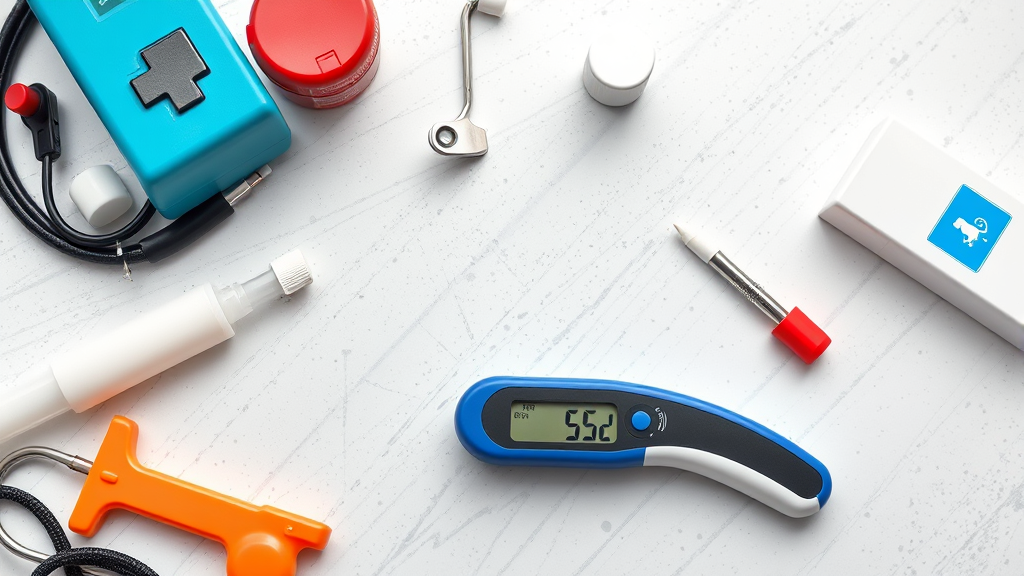
The most accurate way to determine if your dog has a fever is by taking their temperature rectally using a digital thermometer. While this method may seem intimidating, it’s the gold standard for accuracy and is the same technique veterinarians use. Before attempting this, ensure you have a digital thermometer designated specifically for your pet, petroleum jelly for lubrication, and treats to reward your dog afterward.
To safely take your dog’s temperature, first calm and position your dog comfortably, preferably with someone helping to hold and reassure them. Apply a small amount of petroleum jelly to the thermometer tip and gently insert it about one inch into the rectum. Hold it steady for about two minutes or until the thermometer beeps if it’s a digital model. The PetMD guidelines recommend speaking soothingly to your dog throughout the process and immediately rewarding them with praise and treats.
If rectal temperature taking isn’t feasible due to your dog’s size, temperament, or your comfort level, ear thermometers designed for pets can provide reasonably accurate readings when used correctly. However, these can be less reliable than rectal temperatures and may require practice to use effectively. Some newer infrared thermometers designed for pets can measure temperature from the ear canal or temporal area, though these tend to be less accurate than traditional methods.
When to Contact Your Veterinarian
Knowing when a fever requires professional veterinary attention is crucial for your dog’s health and recovery. Any temperature at or above 103°F (39.4°C) warrants monitoring, and temperatures above 104°F (40°C) typically require veterinary evaluation. However, don’t rely solely on temperature readings – the combination of fever with other symptoms often provides a clearer picture of your dog’s condition.
Contact your veterinarian immediately if your dog’s fever is accompanied by severe symptoms such as difficulty breathing, persistent vomiting or diarrhea, seizures, collapse, or extreme lethargy. According to the ASPCA, these combinations can indicate serious underlying conditions that require prompt medical intervention.
Even mild fevers warrant veterinary consultation if they persist for more than 24 hours or if your dog shows signs of dehydration, refuses to eat or drink for extended periods, or exhibits concerning behavioral changes. Puppies, senior dogs, and dogs with compromised immune systems or chronic health conditions should be evaluated more quickly, as they’re at higher risk for complications.
Emergency situations requiring immediate veterinary care include temperatures above 106°F (41.1°C), signs of heatstroke, difficulty breathing, bloody vomit or diarrhea, or if your dog becomes unresponsive. The Humane Society emphasizes that when in doubt, it’s always better to err on the side of caution and seek professional advice.
Home Care and Comfort Measures
While veterinary care is often necessary for dogs with fever, there are several supportive care measures you can provide at home to help your furry friend feel more comfortable. Ensuring adequate hydration is paramount, as fever increases fluid loss through panting and elevated metabolism. Offer fresh, cool water regularly and consider adding low-sodium broth to encourage drinking if your dog seems reluctant to consume plain water.
Create a comfortable, cool environment for your dog to rest. Provide access to cool surfaces like tile floors, and ensure good air circulation in their resting area. You can place damp towels on their paws or belly to help with cooling, but avoid using ice or very cold water, which can cause blood vessels to constrict and actually impede heat loss. A fan directed toward your dog can also help with comfort, similar to how it helps humans feel cooler.
Nutrition support is important, though don’t force eating if your dog has no appetite. Offer small amounts of bland, easily digestible foods like plain cooked chicken or rice if they show interest. Some dogs prefer slightly warmed food when they’re not feeling well, as it can be more aromatic and appealing. Monitor their eating and drinking closely, as prolonged refusal to consume food or water requires veterinary attention.
Rest is crucial for recovery, so provide a quiet, comfortable space where your dog won’t be disturbed. Limit exercise and excitement, though gentle, short walks for bathroom needs are usually acceptable if your dog feels up to it. Keep other pets and children from overstimulating the sick dog, allowing them to rest and recover peacefully.
Prevention and Immune System Support
While not all causes of fever can be prevented, maintaining your dog’s overall health and immune system strength can reduce the likelihood and severity of illness-related fevers. Regular veterinary checkups and staying current with vaccinations are fundamental preventive measures that protect against many common infectious diseases that cause fever in dogs.
A balanced, high-quality diet appropriate for your dog’s age, size, and activity level provides the foundation for a strong immune system. Regular exercise, when weather appropriate, helps maintain overall health and immune function. However, be mindful of environmental factors that can predispose dogs to illness – understanding whether do dogs get colds and how environmental factors contribute to illness can help you take preventive measures.
Stress management is another important aspect of prevention, as chronic stress can weaken immune function. Provide consistent routines, adequate mental stimulation, and a safe, comfortable living environment. During seasonal transitions or when there are known illness outbreaks in your area, be extra vigilant about hygiene and limit exposure to potentially sick animals.
The Centers for Disease Control and Prevention recommends maintaining good hygiene practices, including regular grooming, dental care, and parasite prevention, as these measures support overall health and can prevent infections that might lead to fever. Understanding the connection between various symptoms, such as knowing can dogs get a cold, helps you provide comprehensive preventive care.
Frequently Asked Questions
What is considered a fever in dogs?
A dog is considered to have a fever when their body temperature reaches 103°F (39.4°C) or higher. Normal dog temperature ranges from 101°F to 102.5°F (38.3°C to 39.2°C). Temperatures above 106°F (41.1°C) are considered medical emergencies requiring immediate veterinary care.
Can I use a human thermometer on my dog?
Yes, you can use a digital human thermometer to take your dog’s temperature rectally, which is the most accurate method. However, designate a specific thermometer for your pet and never use it for humans afterward. Ear thermometers designed for pets are also available but may be less accurate than rectal readings.
Is a warm, dry nose always a sign of fever in dogs?
No, a warm or dry nose is not a reliable indicator of fever in dogs. A dog’s nose temperature and moisture can vary throughout the day due to many factors including weather, activity level, and individual variation. The most accurate way to determine fever is by taking your dog’s actual body temperature.
How long should I wait before taking my dog to the vet for a fever?
Contact your veterinarian if your dog’s temperature is 103°F (39.4°C) or higher, especially if accompanied by other symptoms like lethargy, loss of appetite, or difficulty breathing. For temperatures above 104°F (40°C) or if fever persists for more than 24 hours, seek veterinary care promptly. Emergency care is needed for temperatures above 106°F (41.1°C).
What can I give my dog to reduce their fever at home?
Never give your dog human fever-reducing medications like acetaminophen or ibuprofen, as these can be toxic to dogs. Instead, focus on supportive care: provide cool, fresh water, ensure a comfortable cool environment, and contact your veterinarian for appropriate treatment options. Only give medications specifically prescribed by your vet.
Can dogs catch colds or flu from humans?
While dogs have their own versions of cold and flu-like illnesses, they typically cannot catch human colds or influenza viruses. However, dogs can develop respiratory infections with similar symptoms. Understanding how to tell if a dog has a fever helps distinguish between minor respiratory issues and more serious infections requiring veterinary attention.
Are certain dogs more prone to developing fevers?
Puppies, senior dogs, and those with compromised immune systems or chronic health conditions are generally more susceptible to infections that cause fever. Brachycephalic breeds (flat-faced dogs) may also have more difficulty regulating body temperature. Additionally, dogs with thick coats may be more prone to overheating, though this differs from illness-related fever.





