
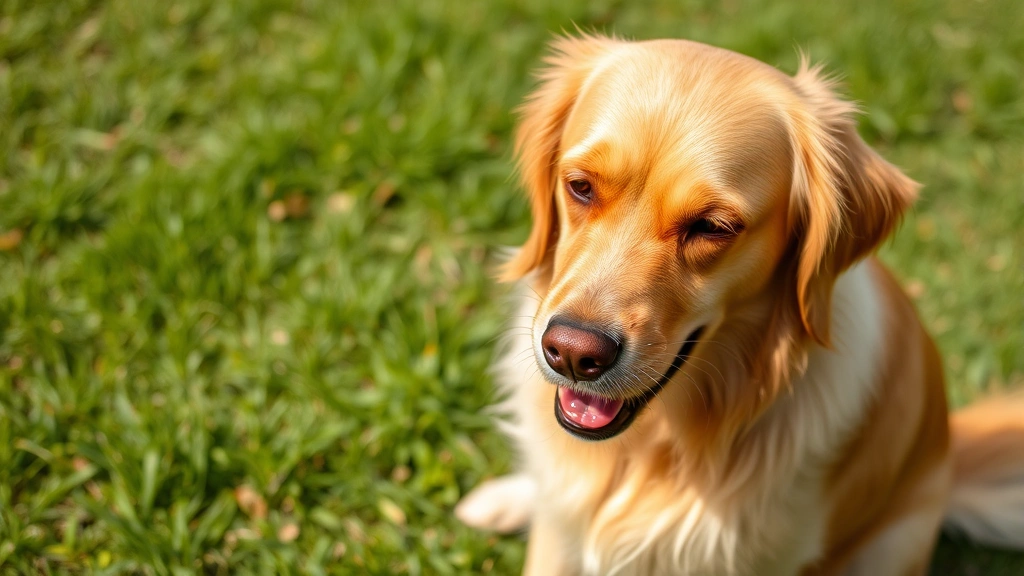
How to Tell If Your Dog Has a UTI: Key Signs and Symptoms
If you’ve noticed your beloved pup making more frequent trips to the yard or exhibiting unusual bathroom behavior, you might be wondering what’s going on. Urinary tract infections (UTIs) are surprisingly common in dogs, affecting both males and females across all age groups. The tricky part? Dogs can’t tell us when something’s wrong, so we need to become detective-level pet parents to catch the signs early.
A UTI isn’t just uncomfortable for your furry friend—left untreated, it can escalate into a more serious kidney infection. The good news is that UTIs are highly treatable when caught promptly, and knowing what to look for is your first line of defense. In this comprehensive guide, we’ll walk you through the telltale symptoms, explore what causes these infections, and help you understand when it’s time to call your vet.
Whether you’re a first-time dog owner or a seasoned canine enthusiast, understanding UTI symptoms could save your pup from unnecessary discomfort and potential complications. Let’s dive into everything you need to know about keeping your dog’s urinary health in check.
Common Signs Your Dog Has a UTI
Recognizing the symptoms of a UTI is crucial for early intervention. Dogs with urinary tract infections typically display behavioral and physical changes that, while sometimes subtle, shouldn’t be ignored. Understanding these signs helps you take swift action and get your dog the medical attention they need.
Increased Frequency of Urination is often the most noticeable indicator. If your dog suddenly needs to go outside more frequently than usual, especially if they’re asking to go out during the night when they normally sleep through, this could signal a UTI. You might notice they’re spending more time in the yard without producing much urine—a frustrating situation for both you and your pup.
Straining During Urination is another red flag. Your dog might assume the typical bathroom posture but struggle to produce urine, or they might seem uncomfortable during the process. Some dogs will whimper or cry when urinating if they’re experiencing pain or discomfort.
Accidents in the House can be particularly telling, especially if your dog is housetrained. A sudden regression in bathroom habits, including urinating indoors or having accidents they normally wouldn’t have, suggests something medical is going on. This is different from behavioral issues and warrants immediate attention.
If you’re noticing why your dog is peeing blood, this is a more severe symptom that requires urgent veterinary care. Blood in the urine indicates inflammation or infection in the urinary tract and shouldn’t be taken lightly.
Changes in Urine Appearance can also provide valuable clues. Cloudy urine, a strong ammonia smell, or discoloration might indicate infection. While you might not always get a close look at your dog’s urine, these changes can sometimes be visible in the yard or on pads if your dog has accidents indoors.
Lethargy and Behavioral Changes sometimes accompany UTIs. Your normally energetic pup might seem sluggish, less interested in play, or more withdrawn than usual. Some dogs become irritable or show signs of pain when their abdomen is touched.
What Causes UTIs in Dogs
Understanding what causes UTIs can help you take preventative measures and recognize risk factors in your own dog. UTIs develop when bacteria enter the urinary tract and multiply, causing inflammation and infection. While any dog can develop a UTI, certain factors increase susceptibility.
Bacterial Infection is the primary culprit in most UTI cases. E. coli and other bacteria naturally present in the environment can enter the urethra and travel upward into the bladder. This is why maintaining good hygiene around your dog’s genital area is important.
Urinary Retention increases risk significantly. Dogs who don’t empty their bladders completely or who hold urine for extended periods are more prone to infections. If you’re wondering why your dog is drinking so much water, excessive water intake followed by urinary issues could indicate an underlying problem.
Age Factors play a role too. Senior dogs and puppies are more susceptible to UTIs than middle-aged dogs. Additionally, female dogs have a higher incidence of UTIs than males due to anatomical differences—their shorter urethra makes it easier for bacteria to reach the bladder.
Underlying Health Conditions such as diabetes, kidney disease, or hormonal imbalances can predispose dogs to UTIs. Dogs with weakened immune systems are also at higher risk. Anatomical abnormalities, including bladder stones or tumors, can trap urine and create an environment where bacteria thrive.
Medication Side Effects shouldn’t be overlooked. Some medications can affect urinary function or immune response, increasing UTI risk. Always discuss potential side effects with your veterinarian.
Environmental Factors matter too. Prolonged sitting on wet surfaces, poor sanitation, or exposure to contaminated water can increase bacterial exposure. Dogs who spend lots of time in unsanitary conditions face higher infection risks.
How Vets Diagnose Urinary Tract Infections
If you suspect your dog has a UTI, your veterinarian will perform specific diagnostic tests to confirm the infection. Understanding the diagnostic process helps you know what to expect during your vet visit.
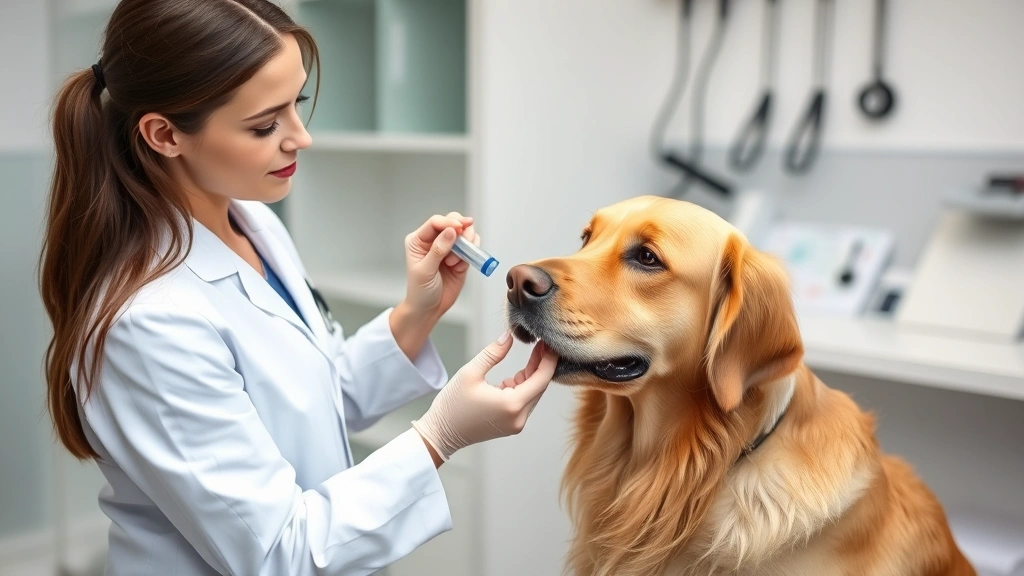
Urinalysis is the primary diagnostic tool. Your vet will collect a urine sample—either a free-catch sample (collecting mid-stream urine) or through catheterization for more accurate results. The lab will examine the urine under a microscope, looking for white blood cells, red blood cells, bacteria, and crystals. The presence of these elements indicates a UTI.
Urine Culture is often performed alongside urinalysis. This test identifies the specific bacteria causing the infection and determines which antibiotics will be most effective. While urinalysis provides quick results, culture takes longer but offers crucial information for targeted treatment.
Physical Examination allows your vet to assess your dog’s overall health and check for signs of pain or discomfort. They’ll palpate the abdomen to evaluate bladder fullness and sensitivity.
Imaging Studies might be recommended if your dog has recurrent UTIs or if your vet suspects underlying structural problems. Ultrasound or X-rays can reveal bladder stones, tumors, or anatomical abnormalities contributing to infection.
To learn more about the diagnostic process, check out this comprehensive resource from the American Kennel Club on canine UTI symptoms.
Treatment Options Available
Once your vet confirms a UTI diagnosis, treatment typically involves antibiotics prescribed based on the urine culture results. The specific antibiotic choice depends on which bacteria is causing the infection and the drug’s effectiveness against that particular strain.
Antibiotic Therapy is the standard treatment approach. Most dogs require 7-14 days of antibiotics, depending on infection severity and the specific medication prescribed. It’s crucial to complete the entire course even if symptoms improve, as stopping early can lead to recurrent infections or antibiotic-resistant bacteria.
Follow-up Testing is often recommended after antibiotic treatment concludes. Your vet might request another urinalysis to confirm the infection has cleared. This step ensures treatment was successful and helps catch any lingering issues.
For those interested in complementary approaches, how to treat dog UTI at home explores supportive care measures you can implement alongside veterinary treatment. However, antibiotics prescribed by your vet remain the essential component of proper UTI treatment.
Pain Management might be recommended if your dog is experiencing significant discomfort. Your vet can suggest appropriate pain relief options to make your pup more comfortable during recovery.
Dietary Adjustments can support urinary health. Your vet might recommend specific dog food formulated to promote urinary tract health or suggest increasing water intake to flush the urinary system naturally.
The ASPCA provides general dog care guidelines including information about maintaining urinary health through proper nutrition and hydration.
Prevention Strategies
While you can’t always prevent UTIs entirely, several strategies significantly reduce your dog’s infection risk. Taking a proactive approach is much easier than dealing with treatment later.
Ensure Adequate Hydration by providing fresh, clean water throughout the day. Proper hydration helps flush the urinary system and dilutes urine, making bacterial growth less likely. Encourage your dog to drink regularly, especially during warm weather.
Frequent Bathroom Breaks are essential. Don’t make your dog hold urine for extended periods. Multiple daily potty breaks, including one before bedtime and one first thing in the morning, help prevent urine retention and bacterial proliferation.
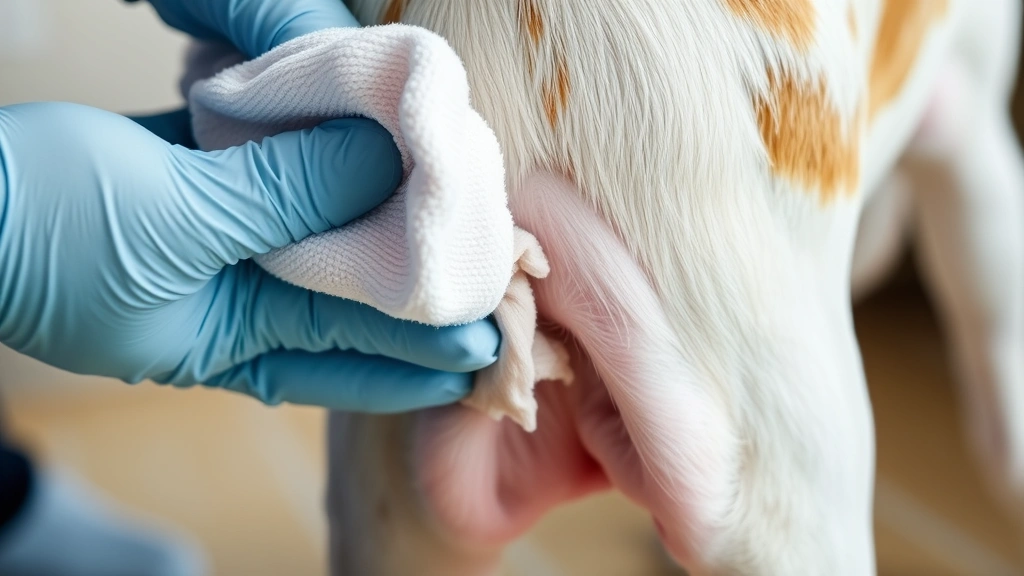
Maintain Genital Hygiene by gently cleaning your dog’s genital area regularly. After bathroom breaks or muddy play sessions, a quick rinse helps prevent bacterial buildup. Female dogs particularly benefit from careful posterior area hygiene.
Provide a Clean Living Environment where your dog spends time. Regular cleaning of bedding, play areas, and bathroom spots reduces bacterial exposure and contamination risks.
Regular Veterinary Check-ups allow your vet to catch urinary issues early. Annual wellness exams include urinalysis screening in many cases, providing early detection before symptoms become obvious.
Manage Underlying Conditions like diabetes or hormonal imbalances. If your dog has a chronic health condition, working closely with your vet to keep it well-controlled reduces secondary infection risk.
Consider Supplements designed to support urinary health. Products containing cranberry extract or other ingredients may help prevent bacterial adhesion to the urinary tract. Always discuss supplements with your vet before starting them.
When to Seek Veterinary Care
Knowing when to contact your vet versus when to seek emergency care is crucial for your dog’s wellbeing. While not all UTI symptoms require emergency treatment, some situations demand immediate attention.
Routine Vet Visit Situations include noticing increased urination frequency, straining, or house accidents in a previously housetrained dog. These symptoms warrant a standard veterinary appointment where your vet can perform diagnostic tests and prescribe appropriate treatment.
Urgent Care Situations include visible blood in urine, severe straining with little to no urine production, or signs of extreme discomfort. If your dog seems to be in significant pain or shows signs of illness beyond typical UTI symptoms, contact your vet immediately.
Emergency Care Indicators
If you’re noticing why your dog is throwing up alongside urinary symptoms, this combination warrants prompt veterinary evaluation as it could indicate a more serious condition than a simple UTI.
Don’t hesitate to call your vet with questions or concerns. They can advise whether your dog needs to be seen immediately or if a routine appointment is appropriate. When in doubt, it’s always better to err on the side of caution when it comes to your pet’s health.
For additional guidance on recognizing when professional help is needed, consult resources from Washington State University’s College of Veterinary Medicine, which provides evidence-based veterinary information.
Frequently Asked Questions
Can UTIs in dogs go away on their own?
While some mild cases might improve temporarily with increased water intake and frequent bathroom breaks, most UTIs require antibiotic treatment to fully resolve. Without antibiotics, infections typically persist or worsen, potentially leading to kidney involvement. Always consult your vet rather than hoping a UTI resolves independently.
How long does it take for UTI symptoms to improve?
Most dogs show improvement within 3-5 days of starting antibiotic treatment, though symptoms may take longer to completely resolve. It’s important to complete the entire prescribed antibiotic course even if your dog seems better, as incomplete treatment can lead to recurrence.
Are male or female dogs more prone to UTIs?
Female dogs experience UTIs more frequently than males due to their shorter urethra, which makes it easier for bacteria to travel to the bladder. However, male dogs can develop UTIs too, and when they do, it often indicates a more serious underlying issue that warrants investigation.
Can I use human UTI treatments for my dog?
No, never use human medications or treatments for your dog without explicit veterinary approval. Dog and human urinary systems differ significantly, and medications dosed for humans can be dangerous for dogs. Always use only medications prescribed by your veterinarian.
What’s the difference between a UTI and bladder stones?
UTIs are bacterial infections in the urinary tract, while bladder stones are mineral deposits that form in the bladder. They’re different conditions, though dogs can have both simultaneously. Your vet can distinguish between them through diagnostic testing and imaging.
How often do dogs get recurrent UTIs?
Some dogs experience recurrent UTIs, particularly senior dogs, females, and those with underlying health conditions. If your dog has more than two UTIs annually, your vet should investigate underlying causes and may recommend preventative measures or dietary changes.
Is a UTI contagious to other pets or humans?
UTIs themselves aren’t contagious between animals or to humans. However, practicing good hygiene when handling an infected dog—particularly around their genital area—is always wise. The bacteria causing the UTI is from your dog’s own body or environmental exposure, not something they’d transmit to others.
Can puppies get UTIs?
Yes, puppies can develop UTIs, though it’s less common than in senior dogs. Puppies with UTIs may show similar symptoms to adults but might also have difficulty with housetrain progress. Any urinary symptoms in puppies warrant veterinary evaluation.





