
Knowing how to tell if dog is constipated is one of those unglamorous but absolutely essential pet parent skills—right up there with recognizing when your dog has eaten something they shouldn’t and knowing the difference between a play growl and an actual problem. If your furry friend hasn’t had a proper bowel movement in a few days, you’re probably wondering if you should panic, call the vet, or just wait it out. Let’s dig into this messy topic (pun absolutely intended) so you can get your pup back to their regular bathroom routine.
Table of Contents
- Sign #1: Straining During Bathroom Breaks (The Squatting Struggle)
- Sign #2: No Poop for 48+ Hours (The Silent Treatment)
- Sign #3: Hard, Dry Stools (Or Complete Absence of Them)
- Sign #4: Behavioral Changes and Lethargy
- Sign #5: Abdominal Discomfort and Bloating
- What Causes Dog Constipation in the First Place?
- Home Remedies: Getting Things Moving Again
- When to Call Your Vet (Don’t Wait Too Long!)
- Prevention: Keeping Your Dog’s Digestive System Happy
- The Bottom Line (Yes, We Went There)
- Frequently Asked Questions
Sign #1: Straining During Bathroom Breaks (The Squatting Struggle)
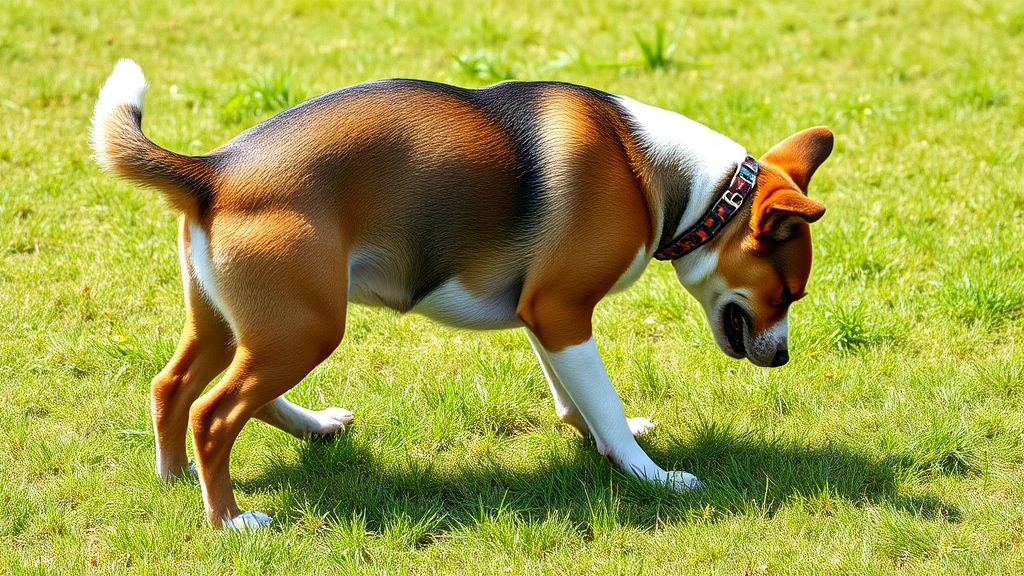
One of the most obvious signs your dog might be dealing with constipation is when they’re clearly struggling to do their business. You’ll notice your pup squatting for longer than usual, sometimes multiple times during a walk, but nothing (or very little) comes out. It’s like watching someone try to open a jar that’s sealed way too tight—lots of effort, minimal results.
This straining can actually be uncomfortable or even painful for your dog, so if you’re seeing this behavior consistently, it’s worth investigating. Some dogs will even whimper or seem distressed during these attempts. That’s your cue that something isn’t right with their digestive system.
Sign #2: No Poop for 48+ Hours (The Silent Treatment)
Here’s the thing: healthy dogs typically have at least one bowel movement per day, often two or three depending on their age, diet, and individual metabolism. If your dog hasn’t pooped in 48 hours or longer, you’re looking at a potential constipation situation. This is especially concerning if your pup normally goes like clockwork.
Keep track of your dog’s bathroom habits—not because you’re weird, but because it’s genuinely helpful information for your vet if you need to call the vet about food or digestive issues. Most pet parents can tell you their dog’s bathroom schedule better than their own.
Sign #3: Hard, Dry Stools (Or Complete Absence of Them)
When you do see your constipated dog produce stool, it’s often hard, dry, and sometimes pellet-like. It might look almost pebbled, as if your dog is pooping out little rocks. This happens because the colon is reabsorbing too much water from the feces, making them harder and more difficult to pass. Not fun for anyone involved.
On the flip side, you might see absolutely nothing for days, which brings us back to that 48-hour rule. Either way, abnormal stool consistency is a red flag that your pup’s digestive system needs some attention.
Sign #4: Behavioral Changes and Lethargy
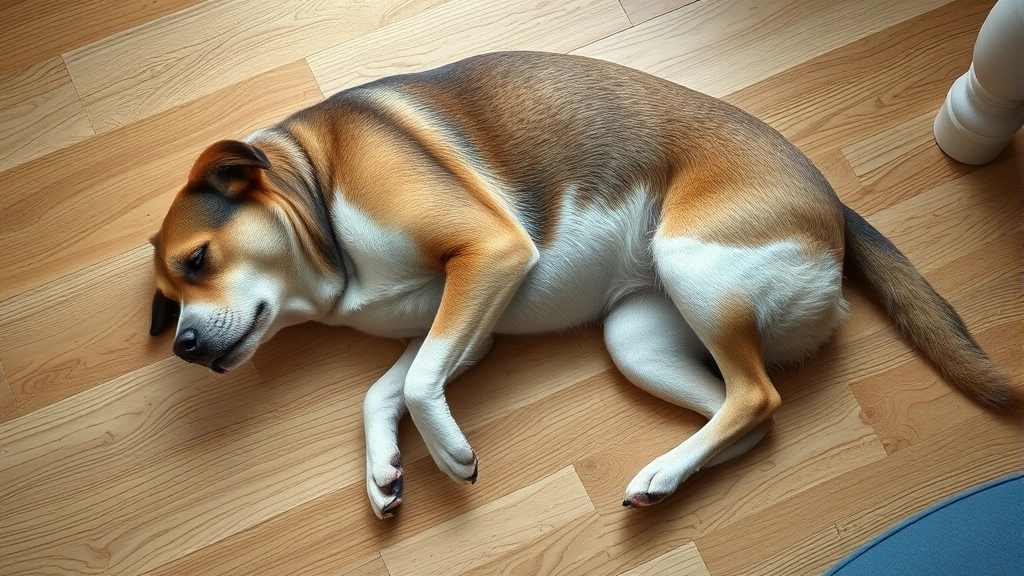
Constipation isn’t just uncomfortable—it can make your dog genuinely miserable. You might notice your pup acting less interested in their usual activities, seeming lethargic, or just generally grumpy. Some dogs will become restless, pacing around as if they’re trying to find the perfect spot (which, ironically, they already found but can’t quite deliver).
Your normally playful, energetic dog might suddenly want to lounge around all day. They might eat less, seem withdrawn, or just not be themselves. These behavioral shifts are your dog’s way of saying, “Hey, something’s not right down there.”
Sign #5: Abdominal Discomfort and Bloating
A constipated dog might show signs of abdominal pain or discomfort. You might notice your pup hunching their back, whining when you touch their belly, or assuming that classic “play bow” position where their front end is stretched out and their rear end is up in the air—except they’re not actually playing. This is sometimes called the “prayer position” and it’s a sign of digestive distress.
Some dogs will also seem bloated or have a visibly distended abdomen. If you gently feel your dog’s belly and they react with pain or seem unusually tense, that’s another indicator that constipation might be the culprit.
What Causes Dog Constipation in the First Place?
Understanding the root cause of your dog’s constipation can help you prevent future episodes. Common culprits include:
Dietary Issues: Low-fiber diets, sudden food changes, or eating things they shouldn’t (like bones, hair, or non-food items) can all lead to constipation. If you’re concerned about your dog’s diet, check out our guide on harmful foods for dogs to make sure you’re not accidentally feeding them something problematic.
Dehydration: Dogs that don’t drink enough water are more prone to constipation. Make sure your pup always has access to fresh, clean water throughout the day.
Lack of Exercise: A sedentary dog is a constipated dog. Regular physical activity helps keep everything moving smoothly in the digestive tract.
Age and Health Conditions: Older dogs are more susceptible to constipation, as are dogs with certain medical conditions like hypothyroidism or megacolon.
Medications: Some medications, including certain pain relievers and antihistamines, can cause constipation as a side effect.
Home Remedies: Getting Things Moving Again
If your dog is mildly constipated and otherwise acting normal, there are several things you can try at home before rushing to the vet:
Increase Fiber Intake: Adding fiber-rich foods to your dog’s diet can work wonders. You can try high-fiber human foods for pets like pumpkin (not pie filling—plain pumpkin puree), sweet potato, or green beans. Even a tablespoon or two mixed into their regular food can help.
Boost Hydration: Encourage your dog to drink more water. Some dogs respond better to water-rich foods like watermelon or broth. You could even try bone broth recipes for pets to add both hydration and nutrition.
Increase Exercise: More walks, playtime, and activity can help stimulate bowel movements. A good 20-30 minute walk often does the trick.
Gentle Belly Massage: A soft, circular massage on your dog’s belly in a clockwise direction can help move things along. It’s soothing for them and might actually help.
Add Probiotics: Digestive probiotics designed for dogs can help restore healthy gut bacteria and improve overall digestive function.
When to Call Your Vet (Don’t Wait Too Long!)
While mild constipation can sometimes resolve on its own with home care, there are situations where you absolutely need professional help. Contact your vet if:
Your dog hasn’t had a bowel movement in more than 48-72 hours despite home remedies. Your pup shows signs of severe pain or distress. There’s blood in the stool or vomiting. Your dog seems lethargic or refuses to eat. You suspect your dog has eaten something they shouldn’t have. Your senior dog or a dog with existing health conditions becomes constipated.
Your vet can perform a physical exam, possibly take X-rays, and determine whether your dog needs professional intervention. In some cases, they might recommend an enema, prescription medications, or other treatments depending on the underlying cause. If you need professional guidance, online vet advice for food reactions and digestive issues is also available.
Prevention: Keeping Your Dog’s Digestive System Happy
The best medicine is prevention. Here’s how to keep your dog’s digestive system running smoothly:
Feed a high-quality diet with appropriate fiber content. Keep your dog well-hydrated by ensuring constant access to fresh water. Maintain regular exercise and playtime. Avoid giving your dog bones, especially cooked ones, which can contribute to constipation. Keep potentially problematic items (like hair ties, string, and small toys) out of reach. Schedule regular vet check-ups to catch any underlying health issues early. Monitor your dog’s bathroom habits and note any changes.
The Bottom Line (Yes, We Went There)
Knowing how to tell if dog is constipated and acting quickly can save your pup from unnecessary discomfort and prevent more serious complications. Most cases of mild constipation respond well to simple home remedies like increased fiber, hydration, and exercise. However, don’t hesitate to contact your veterinarian if your dog’s constipation persists or is accompanied by other concerning symptoms. Your vet is always your best resource when it comes to your dog’s health, and they’ve definitely dealt with worse bathroom situations than this.
Frequently Asked Questions
Can I give my dog a laxative?
Some over-the-counter laxatives designed for dogs are safe, but you should always consult your vet first. Never give your dog human laxatives without veterinary approval, as some can be harmful to dogs. Your vet can recommend the best option for your specific pup.
How long can a dog go without pooping?
While individual dogs vary, most healthy dogs should have at least one bowel movement per day. If your dog goes more than 48-72 hours without pooping, it’s time to contact your vet, especially if they’re showing other signs of distress.
Is pumpkin really good for constipation?
Yes! Plain pumpkin puree (not pumpkin pie filling, which contains added sugar and spices) is high in fiber and moisture, making it an excellent natural remedy for mild constipation. Most dogs also find it tasty, so they’ll happily eat it mixed into their regular food.
Can stress cause constipation in dogs?
Absolutely. Just like in humans, stress and anxiety can affect a dog’s digestive system and contribute to constipation. If you notice your dog is stressed (due to travel, changes in routine, loud noises, etc.), try to minimize stressors and provide extra comfort and exercise.
What’s the difference between constipation and impaction?
Constipation is difficulty passing stool, while impaction is a more severe condition where stool becomes completely stuck in the colon. Impaction requires immediate veterinary attention and may require an enema or other professional intervention. If you suspect impaction, don’t wait—call your vet right away.





