
Wondering how to tell if my dog has a fever? Your pup can’t exactly tell you they feel hot and achy, so it’s up to you to spot the signs. Dogs run hotter than humans naturally—their normal body temperature sits between 101-102.5°F (38.3-39.2°C)—but when that temperature climbs above 103°F (39.4°C), you’ve got a fever situation on your hands. Let’s break down exactly what to look for so you can catch illness early and get your furry friend the care they need.
Table of Contents
- Understanding Your Dog’s Normal Temperature Range
- Sign #1: Warm Ears and Nose (The Classic Telltale)
- Sign #2: Lethargy and Lack of Interest in Activities
- Sign #3: Loss of Appetite and Picky Eating
- Sign #4: Shivering and Chills
- Sign #5: Vomiting, Diarrhea, or Other Digestive Upset
- How to Take Your Dog’s Temperature Correctly
- When to Call the Vet Immediately
- Common Causes of Fever in Dogs
- Home Care While You Wait for the Vet
- Prevention: Keeping Your Dog’s Immune System Strong
- When Fever Is a Symptom of Something Serious
- Frequently Asked Questions
- Summary: Trust Your Gut and Your Thermometer
Understanding Your Dog’s Normal Temperature Range
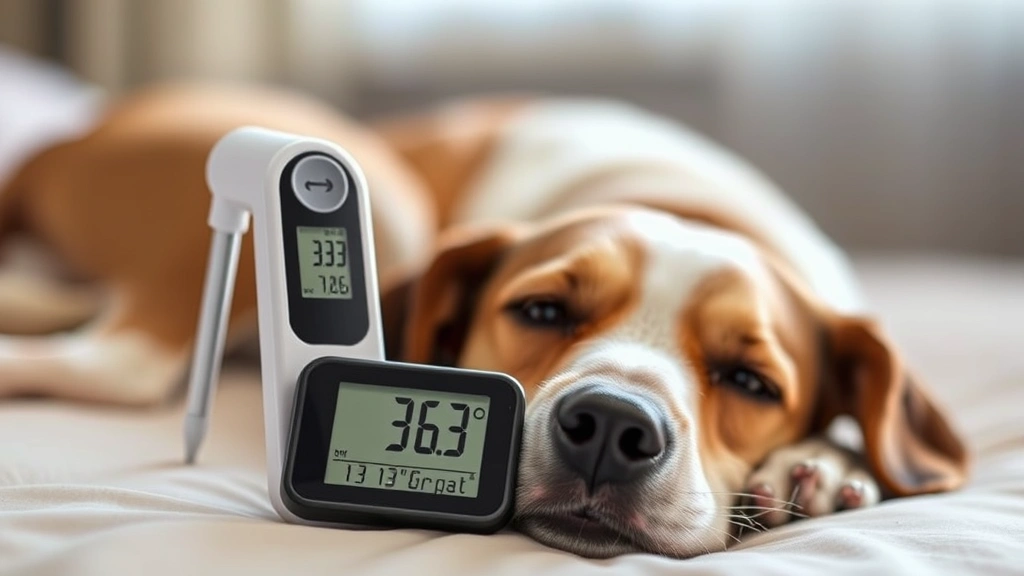
Before you can spot a fever, you need to know what “normal” looks like for dogs. Unlike humans, who sit comfortably around 98.6°F, dogs are naturally warmer creatures. A healthy dog’s temperature typically ranges from 101-102.5°F. This is why your pup’s nose and ears might feel warm to the touch even when they’re perfectly healthy. The only reliable way to confirm a fever is using a thermometer—rectal thermometers are most accurate for dogs, though ear thermometers designed for pets work too. If your dog’s temperature reads above 103°F, that’s definitely a fever worth investigating.
Sign #1: Warm Ears and Nose (The Classic Telltale)
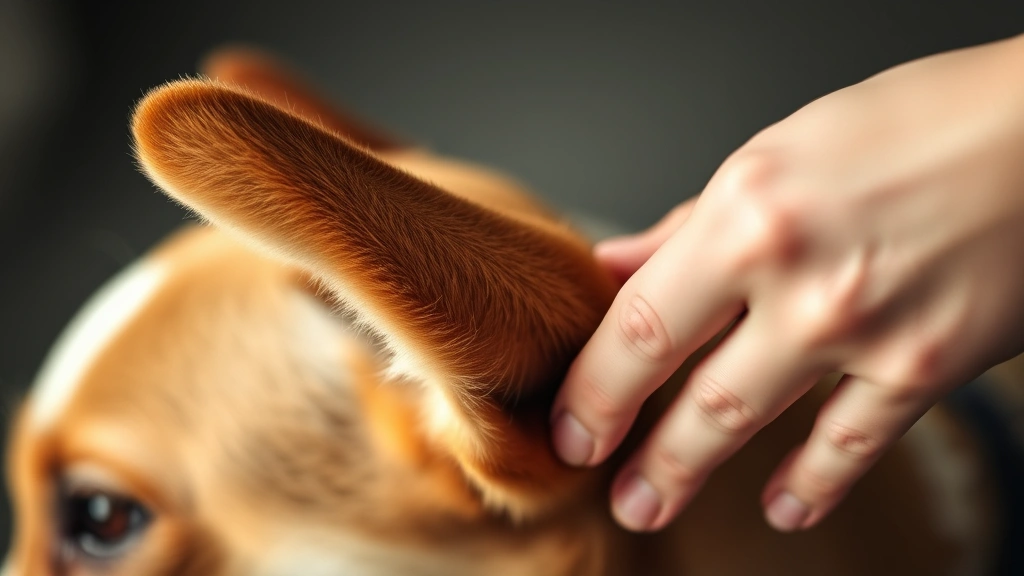
One of the first things people notice is that their dog’s ears feel unusually hot. While a dog’s ears are naturally warm, a fevered pup will have ears that feel noticeably hotter than usual—almost uncomfortably so. Similarly, the nose might feel warmer and drier than normal. Some owners describe it as their dog running a “furnace.” However, here’s the catch: a warm nose alone doesn’t confirm illness. Dogs can have warm noses from playing outside, sleeping in the sun, or just being their naturally toasty selves. That’s why combining this sign with others on this list matters. If your dog’s ears are scorching hot AND they’re acting lethargic, that’s when you should start getting concerned.
Sign #2: Lethargy and Lack of Interest in Activities
A fevered dog often becomes a couch potato—even if they’re normally a ball-chasing maniac. Lethargy is one of the most reliable indicators that something’s off. Your dog might not want to play, go for walks, or even greet you at the door with their usual enthusiasm. They may spend most of the day sleeping or lying around, seemingly uninterested in things that normally excite them. This behavioral change is your dog’s body’s way of conserving energy to fight off infection or illness. If your normally active pup suddenly becomes a slug and you notice other symptoms like warm ears, it’s time to call your vet. This is especially important if the lethargy persists for more than a day or two.
Sign #3: Loss of Appetite and Picky Eating
When dogs feel under the weather, their appetite often takes a nosedive. A fevered dog might turn their nose up at their favorite kibble or treats. Some dogs will skip meals entirely, while others might eat a little but with noticeably less enthusiasm. Loss of appetite in dogs can indicate various issues—from simple stomach upset to more serious infections. If your dog hasn’t eaten in more than 24 hours or shows a dramatic change in eating habits, that’s a red flag. You might also notice they’re not drinking as much water as usual, which can lead to dehydration. This is when online vet advice for food reactions can be helpful, though a direct vet consultation is often necessary for fever-related appetite loss.
Sign #4: Shivering and Chills
Here’s something that might seem counterintuitive: a fevered dog often shivers and acts cold, even though their body temperature is elevated. This happens because the dog’s body is trying to raise its internal temperature even higher to fight off infection. It’s the same reason humans get the chills when they have a fever. You might notice your dog huddling under blankets, seeking warm spots in the house, or pressing against you for warmth. They might also have visible tremors or shaking. If your dog is shivering but their ears and nose are unusually warm, fever is definitely a possibility. Don’t assume they’re just cold—this combo of symptoms warrants a thermometer check and possibly a vet visit.
Sign #5: Vomiting, Diarrhea, or Other Digestive Upset
Fever often comes with gastrointestinal issues. Your dog might vomit, have diarrhea, or show signs of general digestive distress. Some fevered dogs refuse to eat because their stomach feels off. Others might have loose stools or seem uncomfortable in the bathroom area. These symptoms can indicate infections, food sensitivities, or other underlying conditions that trigger fever. If your dog shows digestive upset combined with other fever signs, don’t wait to contact your vet. Persistent vomiting or diarrhea can lead to dehydration, which is especially dangerous in small dogs or puppies. For guidance on gentle nutrition during recovery, check out our bland diet recipes for sick pets.
How to Take Your Dog’s Temperature Correctly
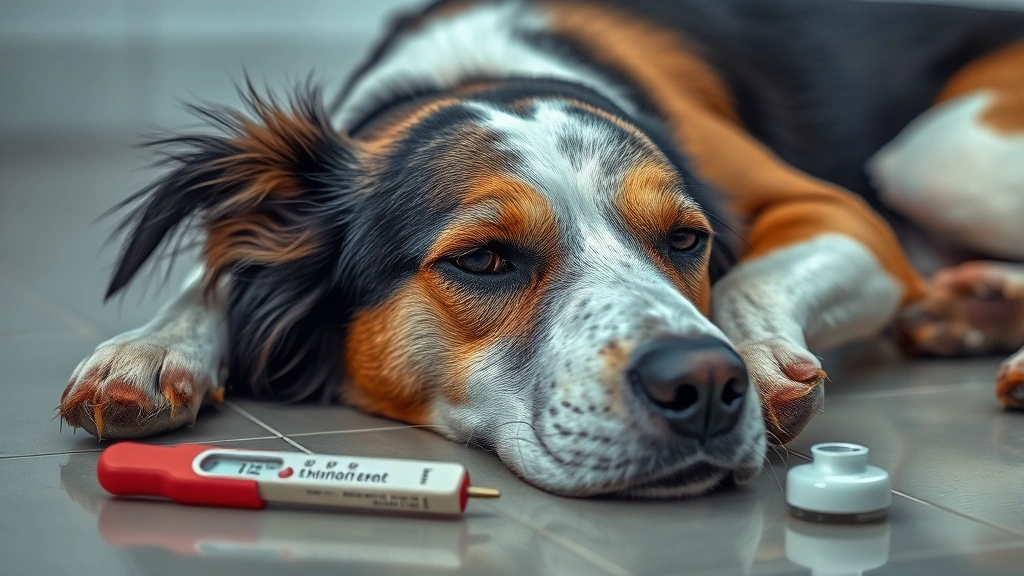
Suspecting a fever is one thing; confirming it is another. The most accurate way to check your dog’s temperature is with a rectal thermometer. Yes, it’s a bit awkward, but it’s reliable. Here’s how: lubricate the thermometer with petroleum jelly or coconut oil, gently lift your dog’s tail, and insert the thermometer about an inch into the rectum. Hold it steady for the time recommended by the thermometer (usually 30-60 seconds). Digital thermometers are faster and easier than old mercury ones. Ear thermometers made for pets can also work, though they’re sometimes less accurate. Never use an oral thermometer in your dog’s mouth—they’ll likely bite it, and it won’t give you a proper reading anyway. If you’re uncomfortable doing this yourself, your vet can check the temperature in seconds during an office visit.
When to Call the Vet Immediately
Not all fevers require emergency care, but some situations definitely do. Call your vet right away if your dog’s temperature is above 104°F, if they’re having difficulty breathing, if they’re unresponsive or seem confused, or if they’re having seizures. A fever combined with vomiting, diarrhea, or abdominal pain also warrants prompt veterinary attention. If your dog is a puppy, senior, or has pre-existing health conditions, err on the side of caution and call your vet even with a mild fever. The same goes if the fever lasts more than 24-48 hours or if you notice other concerning symptoms. For urgent situations outside regular vet hours, don’t hesitate to visit an emergency vet for food poisoning or other acute issues—they’re equipped to handle fevered dogs too.
Common Causes of Fever in Dogs
Understanding what might be causing your dog’s fever can help you provide better context to your vet. Infections are the most common culprit—bacterial, viral, or fungal infections can all trigger fever. Ear infections, urinary tract infections, and respiratory infections are particularly common. Inflammation from injuries or autoimmune conditions can also cause elevated temperatures. Sometimes fever is a response to vaccines or medications. In rare cases, tumors or other serious conditions might be the underlying cause. That’s why it’s important to get a proper diagnosis rather than just treating the fever at home. Your vet will ask about other symptoms, perform a physical exam, and possibly run bloodwork to pinpoint the cause. This information helps determine the right treatment plan.
Home Care While You Wait for the Vet
If you suspect your dog has a fever but your vet appointment isn’t until tomorrow, there are some comfort measures you can take at home. Keep your dog in a cool, comfortable environment—not too hot, but not so cold that they shiver more. Offer plenty of fresh water to prevent dehydration; you can even try ice chips or a cooling mat if they’ll tolerate it. Don’t force food, but offer bland, easy-to-digest options if they’re interested. Some owners use cool, damp cloths on their dog’s paws or belly to help lower temperature, though avoid ice packs as they can cause shivering and actually raise internal temperature. Monitor their symptoms closely and jot down any changes to report to your vet. Never give your dog human fever-reducing medications like ibuprofen or acetaminophen without explicit vet approval—these can be toxic to dogs. For nutrition guidance during recovery, our pet nutrition advice offers helpful suggestions.
Prevention: Keeping Your Dog’s Immune System Strong
The best approach to fever is prevention. Keep your dog’s vaccinations current—this is your first line of defense against many infectious diseases. Regular vet checkups catch problems early before they develop into serious infections. Maintain good hygiene: wash your hands before handling your dog, especially if you’ve been around sick animals. Provide a balanced diet rich in nutrients that support immune function. Regular exercise keeps your dog’s body strong and resilient. Keep your dog away from other sick animals when possible, and be cautious at dog parks or boarding facilities during peak illness seasons. Manage stress, as anxious dogs sometimes have compromised immune systems. Good dental care prevents infections that can spread throughout the body. These preventative measures won’t eliminate the possibility of fever entirely, but they significantly reduce the risk.
When Fever Is a Symptom of Something Serious
While many fevers resolve with treatment, some indicate serious underlying conditions. Persistent high fevers that don’t respond to antibiotics might suggest fungal infections, which are harder to treat. Fever combined with neurological symptoms like seizures or disorientation could indicate meningitis or encephalitis. Repeated fevers might point to autoimmune conditions or cancer. This is why getting a proper diagnosis is crucial—it’s not just about treating the fever itself, but addressing whatever’s causing it. Your vet might recommend bloodwork, urinalysis, imaging, or other diagnostic tests to identify the root cause. Don’t be discouraged if the first round of treatment doesn’t work; sometimes it takes investigation to pinpoint what’s going on. For complex cases, your vet might refer you to a specialist.
Frequently Asked Questions
What’s considered a fever in dogs?
Any temperature above 103°F (39.4°C) is considered a fever in dogs. Normal dog body temperature ranges from 101-102.5°F. Some vets might be concerned about temperatures at 102.5°F if other symptoms are present, but 103°F and above definitely warrants attention.
Can I give my dog fever-reducing medication?
Never give your dog human medications like ibuprofen or acetaminophen without explicit vet approval—these are toxic to dogs. Some vets might prescribe dog-safe fever reducers, but the focus is usually on treating the underlying cause rather than just the fever. Always consult your vet before giving any medication.
How long does a dog fever typically last?
This depends entirely on the cause. A fever from a minor infection might resolve in 24-48 hours with treatment. More serious infections could take weeks. Some conditions cause chronic or recurring fevers. Your vet will give you a better timeline once they’ve diagnosed the underlying issue.
Is a warm nose always a sign of fever?
No. Dogs naturally have warm noses, and a warm nose alone doesn’t indicate fever. A warm nose combined with other symptoms like lethargy, loss of appetite, or warm ears is more concerning. Always use a thermometer for confirmation rather than relying on touch alone.
Should I keep my fevered dog warm or cool?
Keep your dog in a comfortable environment—not excessively hot or cold. While dogs with fever sometimes shiver and seek warmth, overheating can make things worse. A cool (not cold) room with access to shade and water is ideal. Avoid heating pads or heavy blankets.
Can stress cause fever in dogs?
Stress doesn’t directly cause fever, but it can suppress immune function and make dogs more susceptible to infections. If your dog is stressed and develops a fever, the fever is likely from an infection rather than stress itself. Address both the stress and the underlying cause.
Summary: Trust Your Gut and Your Thermometer
Knowing how to tell if my dog has a fever comes down to recognizing the signs—warm ears, lethargy, loss of appetite, shivering, and digestive upset—and confirming with a thermometer. While some fevers are minor and resolve quickly, others indicate serious infections or conditions requiring immediate veterinary care. Don’t rely solely on touch or observation; get an actual temperature reading if you suspect fever. Your vet is your best resource for diagnosis and treatment, so don’t hesitate to call when something feels off. In the meantime, keep your dog comfortable, hydrated, and monitor for changes. Most importantly, remember that fever itself is a sign that your dog’s body is fighting something—it’s not the enemy, but rather a symptom pointing to the real issue underneath. By catching fever early and getting proper treatment, you’re giving your pup the best chance at a quick, full recovery.





