
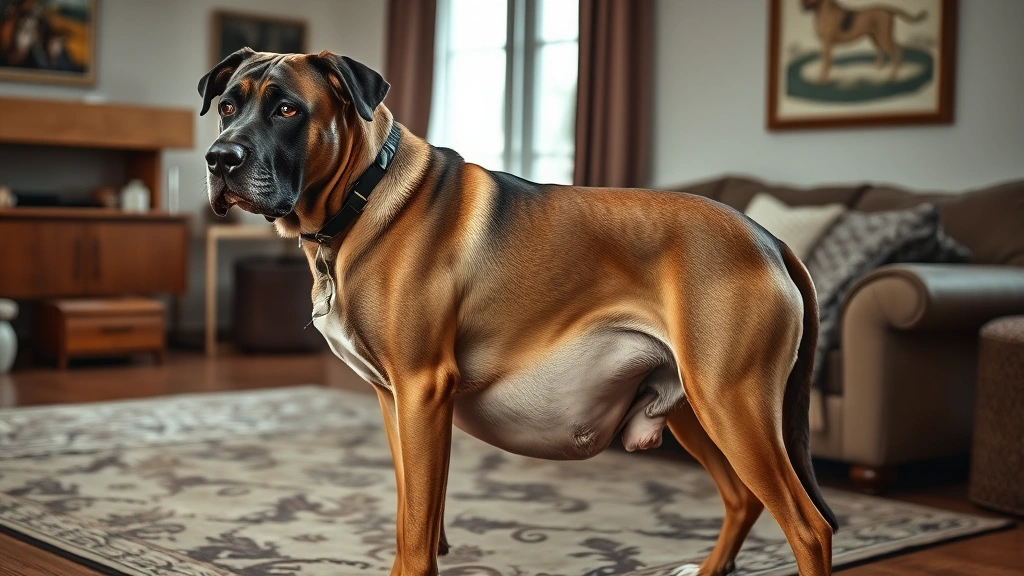
If you’re wondering how to tell if your dog has bloat, you’re asking one of the most important questions a dog owner can ask. Bloat, also called gastric dilatation-volvulus (GDV), is a life-threatening emergency that can kill your dog in just a few hours. This isn’t the kind of thing where you can “wait and see”—if you suspect bloat, your pup needs immediate veterinary care. Let’s talk about what bloat actually is, the warning signs that should send you sprinting to the vet, and how to potentially prevent this scary condition.
Table of Contents
- What Exactly Is Bloat in Dogs?
- Warning Sign #1: A Hard, Distended Abdomen
- Warning Sign #2: Excessive Drooling and Unproductive Vomiting
- Warning Sign #3: Restlessness and Panting
- Warning Sign #4: Weakness, Collapse, or Lethargy
- Warning Sign #5: Unsuccessful Attempts to Defecate
- Risk Factors That Make Bloat More Likely
- What to Do If You Suspect Bloat
- Prevention Strategies to Reduce Bloat Risk
- When to Call the Vet vs. Going to Emergency
- The Bottom Line: Trust Your Gut (Pun Intended)
- Frequently Asked Questions
What Exactly Is Bloat in Dogs?
Bloat happens when a dog’s stomach fills with gas, food, or fluid and becomes dangerously distended. Sometimes the stomach actually twists on itself (that’s the volvulus part), which cuts off blood flow and can cause tissue death. Think of it like your dog’s stomach blowing up like a balloon and then getting twisted—it’s every vet’s nightmare and should be every dog owner’s wake-up call.
The scariest part? It can happen to any dog, but large and giant breeds like Great Danes, German Shepherds, and Boxers are at higher risk. Deep-chested dogs seem particularly vulnerable. And here’s the kicker: it can develop incredibly fast. A dog can go from normal to critical in under an hour.
Warning Sign #1: A Hard, Distended Abdomen
The most obvious sign that something’s wrong is when your dog’s belly looks and feels like a drum. If you press gently on your dog’s stomach and it feels rock-hard or unnaturally tight, that’s a red flag. Your pup’s abdomen might also look visibly swollen or enlarged compared to normal.
This isn’t the soft, squishy belly you’re used to feeling. It’s firm, uncomfortable-looking, and frankly terrifying when you realize what it might mean. Some dogs will flinch or yelp if you touch their stomach when bloat is happening, which is another clue that something is seriously wrong.
Warning Sign #2: Excessive Drooling and Unproductive Vomiting
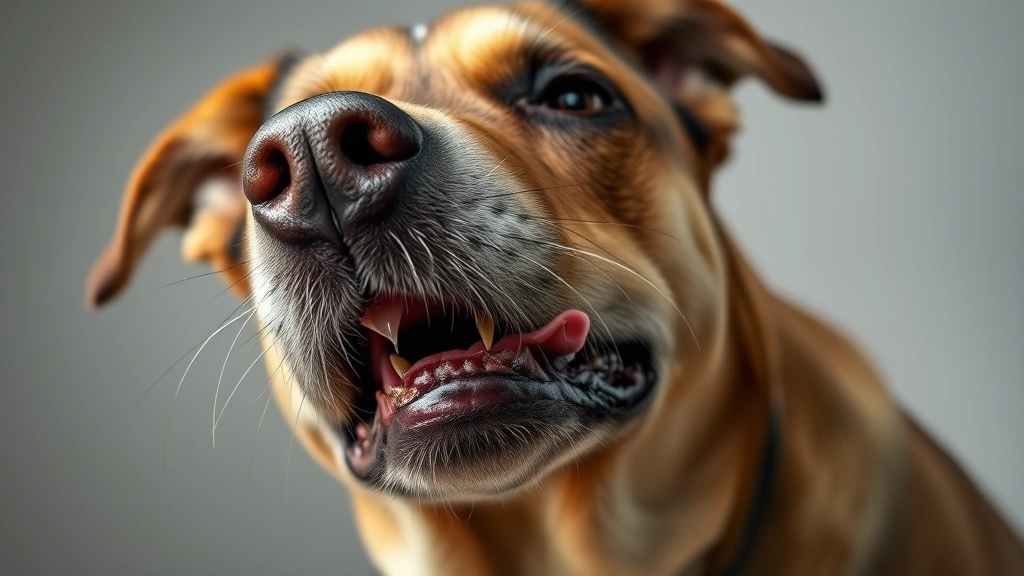
Your dog might start drooling more than usual—and I mean really drooling, like they’ve got a waterfall coming out of their mouth. They may also try to vomit but nothing comes up, or only a little bit of foam or saliva appears. This is called unproductive vomiting, and it’s a classic bloat symptom.
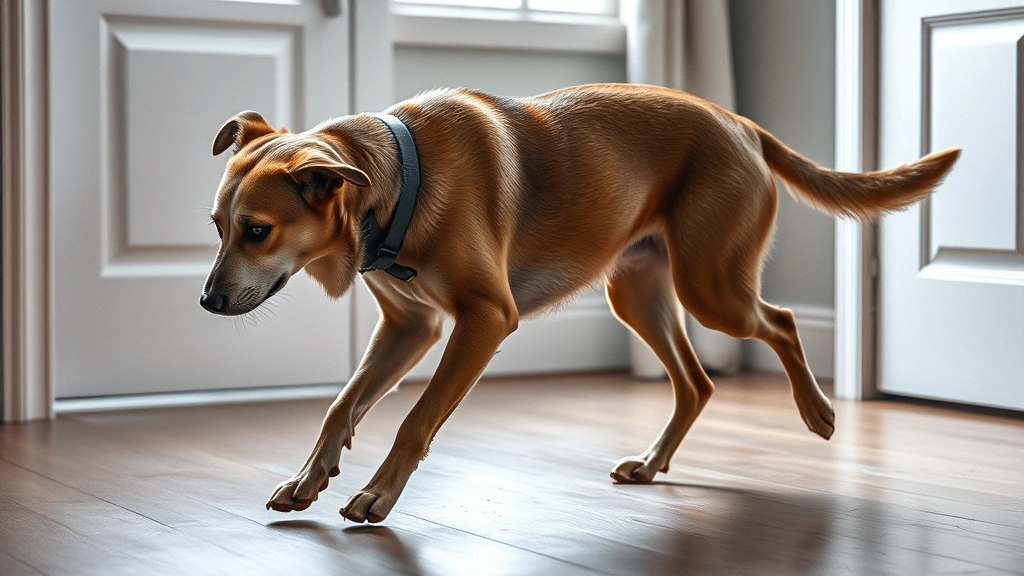
Your pup might pace back and forth, looking distressed and uncomfortable. They’re trying to relieve the pressure, but their body just can’t do it. This is when you need to drop everything and get to the vet.
Warning Sign #3: Restlessness and Panting
A bloated dog often can’t get comfortable. They’ll pace, whine, and seem anxious or agitated. You might notice rapid or heavy panting, even if your dog hasn’t been exercising. Their breathing might be shallow or labored because the distended stomach is literally taking up space where their lungs need to expand.
Your normally chill couch potato might suddenly act like they’re in a panic. They know something’s wrong, even if they can’t tell you what it is. This distress is your dog’s way of screaming for help.
Warning Sign #4: Weakness, Collapse, or Lethargy
As bloat progresses, your dog might become weak, lethargic, or even collapse. Their gums might become pale or bluish because their circulation is being compromised. This is a sign that shock is setting in, and your dog is in critical condition.
If your dog goes from acting uncomfortable to acting like they’ve completely shut down, that’s an emergency within an emergency. The clock is ticking, and every second counts. Get them to an emergency vet immediately—don’t even think about waiting until morning or calling for an appointment.
Warning Sign #5: Unsuccessful Attempts to Defecate
Some dogs with bloat will try to poop but can’t produce anything, or they’ll strain repeatedly. This happens because the distended stomach is putting pressure on the intestines and making normal bowel movements impossible. Your dog might squat multiple times without success and seem frustrated or in pain.
This sign is sometimes missed because owners think their dog just has constipation, but when combined with other symptoms, it’s a major warning that bloat might be the culprit.
Risk Factors That Make Bloat More Likely
Certain factors increase your dog’s risk of developing bloat. Large and giant breeds are at higher risk, as are dogs with deep chests. Dogs that eat too quickly, exercise right after eating, or eat only once a day seem more prone to it. Stress, anxiety, and sudden diet changes can also trigger bloat.
If your dog is older, has a family history of bloat, or has previously experienced gastric dilatation, they’re at even higher risk. Dogs that are fed calming foods for anxious pets might benefit from slower feeding practices, which can help reduce bloat risk.
Some research suggests that certain foods and feeding practices matter too. Feeding your dog human foods for pets with sensitive stomachs in moderation might help prevent digestive upset that could lead to bloat. Avoid feeding your pup right before or after strenuous exercise.
What to Do If You Suspect Bloat
If you suspect your dog has bloat, do not wait. Do not call your regular vet during business hours and wait for a callback. Do not Google more symptoms. Get your dog to an emergency veterinary clinic immediately. Bloat is a true emergency, and every minute matters.
Call ahead if you can so they’re ready for you, but don’t waste time on a long phone conversation. Your dog needs imaging (usually X-rays or ultrasound) to confirm bloat, and they may need emergency surgery to untwist the stomach and assess tissue damage.
According to the American Kennel Club (AKC), mortality rates for bloat can be as high as 33% even with treatment, which is why prevention and early recognition are so critical. Treatment typically involves stabilizing your dog with IV fluids, pain management, and surgery to correct the stomach position.
Prevention Strategies to Reduce Bloat Risk
While you can’t completely prevent bloat, you can reduce the risk significantly. Feed your dog smaller, more frequent meals rather than one large meal. Use a slow-feeder bowl to prevent them from inhaling their food. Keep your pup calm for at least 30-60 minutes after eating—no jumping, running, or rough play.
Avoid foods that might trigger digestive upset. Offering healthy pet treats in moderation and sticking to high-quality dog food can help. Some vets recommend elevated food bowls for large breeds, though research on this is mixed.
Talk to your vet about whether a gastropexy (a preventative surgical procedure that anchors the stomach) might be right for your high-risk dog. This is especially worth considering if your dog has a family history of bloat or has experienced it before.
If your dog has other digestive issues, like those related to human foods for pets with pancreatitis, work closely with your vet to manage those conditions, as they might increase bloat risk. Keep the Pet Poison Hotline number saved in your phone for any accidental toxin ingestion that could cause digestive distress.
When to Call the Vet vs. Going to Emergency
Here’s the simple rule: if you suspect bloat, go to an emergency vet. Don’t call your regular vet. Don’t wait for an appointment. Don’t watch and see if it gets better. Bloat doesn’t get better on its own—it gets worse, fast.
Your regular vet might be wonderful, but they probably don’t have an operating room ready to go at 2 a.m. on a Sunday. Emergency clinics do. They’re equipped to handle this exact situation. The cost will be significant (often $3,000-$10,000 or more), but it’s the cost of saving your dog’s life.
According to PetMD, the prognosis for dogs treated within the first few hours is significantly better than for those treated later, which is why speed is absolutely essential.
The Bottom Line: Trust Your Gut (Pun Intended)
If something feels wrong with your dog, it probably is. You know your pup better than anyone. If their belly looks weird, if they’re acting uncomfortable, if they’re drooling excessively or trying to vomit without producing anything, get them to an emergency vet. You won’t regret erring on the side of caution, but you might regret waiting.
Bloat is one of the few veterinary emergencies where minutes truly matter. Your quick action could literally save your dog’s life. And that’s worth any inconvenience, cost, or embarrassment of being wrong. When it comes to bloat, it’s always better to be safe than sorry.
Frequently Asked Questions
How fast does bloat develop in dogs?
Bloat can develop incredibly quickly—sometimes within just 30 minutes to an hour. This rapid progression is why recognizing the signs immediately and getting emergency care is so critical. A dog can go from acting normal to being in life-threatening shock in a surprisingly short amount of time.
Can bloat resolve on its own?
No. Bloat cannot resolve on its own and will not improve without veterinary intervention. If your dog has bloat, they need emergency surgery. The stomach will not deflate by itself, and if it’s twisted, the blood supply is being cut off. This is a true emergency that requires immediate professional treatment.
Is bloat painful for dogs?
Yes, bloat is extremely painful and distressing for dogs. The pressure from the distended stomach, the inability to vomit or relieve the pressure, and the potential tissue damage all cause significant discomfort. Your dog will show signs of pain and distress, which is why they pace, whine, and act anxious.
Can you prevent bloat completely?
You cannot completely prevent bloat, but you can significantly reduce the risk through proper feeding practices, keeping your dog calm after meals, and maintaining a healthy weight. For high-risk dogs, a preventative gastropexy surgery is an option worth discussing with your vet.
What’s the survival rate for dogs with bloat?
According to veterinary sources, approximately 67% of dogs survive bloat with emergency treatment, meaning about 33% don’t make it despite veterinary intervention. This emphasizes how serious bloat is and why early recognition and immediate emergency care are absolutely crucial.





