
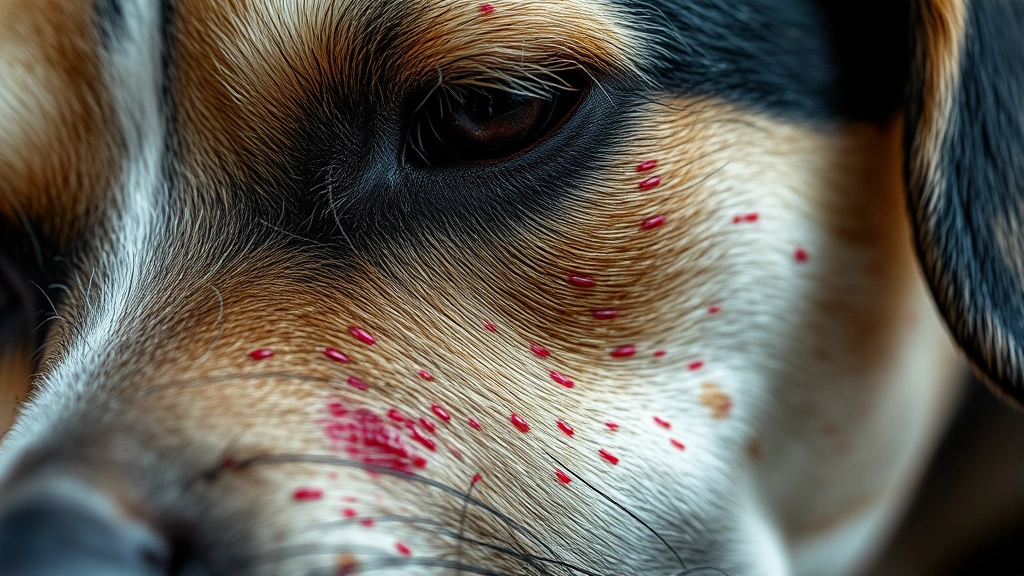
If you’re wondering how to tell if your dog has mites, you’ve come to the right place—because spotting these tiny parasites early can save your pup from serious discomfort and potential secondary infections. Mites are microscopic arachnids that love nothing more than setting up shop on your dog’s skin, and honestly, they’re sneakier than a cat burglar at a dog show.
Table of Contents
- What Exactly Are Dog Mites and Why Should You Care?
- Sign #1: Intense Itching and Scratching That Won’t Quit
- Sign #2: Hair Loss and Bald Patches (Alopecia)
- Sign #3: Red, Inflamed, or Crusty Skin
- Sign #4: Ear Issues and Head Shaking
- Sign #5: Behavioral Changes and Restlessness
- How Vets Diagnose Mites (The Professional Approach)
- Treatment Options: Getting Your Dog Mite-Free
- Supporting Your Dog’s Recovery: Nutrition and Care
- Prevention: Keeping Mites at Bay
- When to Call the Emergency Vet
- Frequently Asked Questions
- The Bottom Line: Stay Vigilant and Trust Your Gut
What Exactly Are Dog Mites and Why Should You Care?
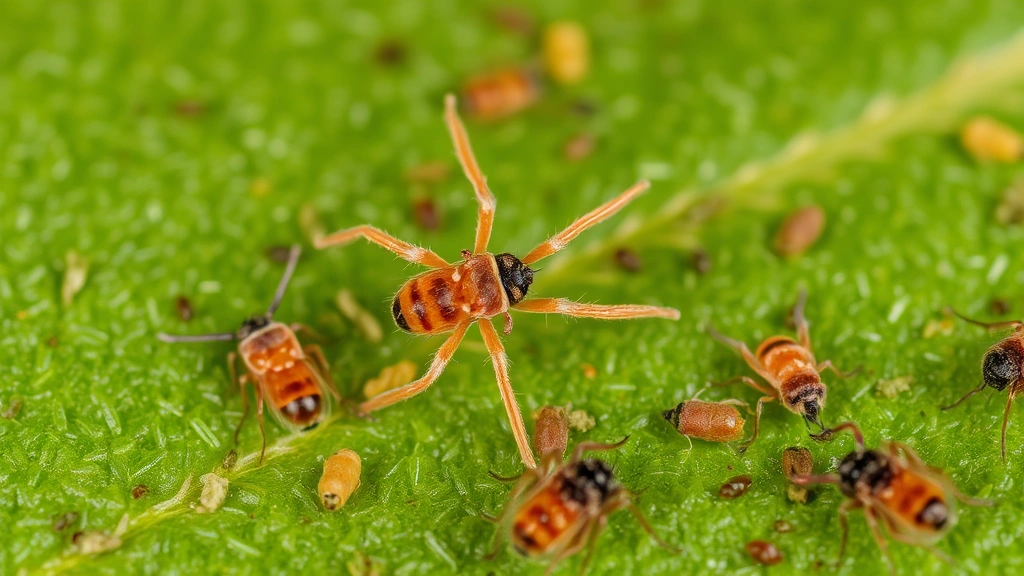
Dog mites are parasitic creatures that burrow into your dog’s skin or live in their fur, causing all sorts of havoc. There are several types—sarcoptic mites (the contagious troublemakers), demodectic mites (the opportunistic ones), and ear mites (the ear-obsessed variety). Unlike fleas that you might spot hopping around, mites are basically invisible to the naked eye, which makes them extra annoying to detect. The good news? We’ve got the warning signs down to a science.
Sign #1: Intense Itching and Scratching That Won’t Quit
The number one telltale sign your dog might have mites is scratching like they’re auditioning for a heavy metal band. If your pup is going at their skin with the intensity of someone searching for their keys in a dark room, mites could be the culprit. This itching often starts in specific areas—ears, elbows, hocks, or the face—but can spread like gossip through a small town if left untreated. Your dog might scratch so much they create raw, irritated patches. If you notice your furry friend losing sleep over the itch or seeming generally miserable, it’s time to investigate further.
Sign #2: Hair Loss and Bald Patches (Alopecia)
Mites don’t just make dogs itchy; they also cause hair loss, sometimes in distinctive patterns. You might notice your dog developing bald spots, especially around the face, ears, elbows, or legs. This condition, called alopecia, happens because the mites damage hair follicles and your dog’s constant scratching pulls out more hair than a shedding season gone wrong. The affected areas might look scaly, crusty, or inflamed. If your dog suddenly looks like they’ve been through a rough molt, mites might be playing interior decorator on their skin.
Sign #3: Red, Inflamed, or Crusty Skin
Take a closer look at your dog’s skin where they’ve been scratching. If you see redness, inflammation, or crusty patches, that’s your skin screaming for help. Mites irritate the skin something fierce, and secondary bacterial infections often follow because your dog’s scratching creates tiny wounds. The skin might look thickened or have a “elephant skin” appearance in severe cases. This is especially common with sarcoptic mange, which can make your dog’s skin look absolutely angry and uncomfortable. You might also notice a musty or unpleasant odor coming from the affected areas.

Sign #4: Ear Issues and Head Shaking
Ear mites are particularly notorious for driving dogs absolutely bonkers. If your dog is shaking their head constantly, scratching at their ears like they’re trying to solve a puzzle, or if you notice dark, waxy discharge in their ears, ear mites might be the troublemakers. Some dogs develop ear infections secondary to mite infestations. Check inside your dog’s ears—you might see redness, swelling, or that telltale dark debris. This is also worth checking out in relation to candida in dogs ear, as the symptoms can sometimes overlap.
Sign #5: Behavioral Changes and Restlessness
Mites don’t just affect your dog’s skin; they affect their entire vibe. A dog with mites might seem anxious, restless, or unable to settle down. They might pace, whine, or seem generally uncomfortable—like they’re stuck in an endless itch they can’t scratch. Some dogs become withdrawn or depressed because the constant discomfort is exhausting. If your normally chill pup suddenly acts like they’ve had five espressos, mites could be disrupting their peace.

How Vets Diagnose Mites (The Professional Approach)
If you suspect your dog has mites, your vet will likely perform a skin scraping or impression test. They’ll gently scrape a small area of your dog’s skin and examine the sample under a microscope—basically a detective work session for parasites. Sometimes they’ll use a special tape or mineral oil to collect samples. Ear mites are often diagnosed by examining ear discharge under a microscope. Your vet might also recommend a fungal culture to rule out other conditions like ringworm, which can look similar. According to the American Kennel Club, early diagnosis is crucial for preventing complications.
Treatment Options: Getting Your Dog Mite-Free
Once your vet confirms mites, treatment depends on the type. For sarcoptic mange, your vet might prescribe oral medications like ivermectin or newer options like fluralaner. Demodectic mange sometimes resolves on its own in young dogs but may need medication in older or immunocompromised pups. Ear mites typically respond well to ear drops and oral medications. Your vet might also recommend medicated baths or dips. The treatment timeline usually spans several weeks, and follow-up appointments are essential to ensure the mites are actually gone. PetMD emphasizes the importance of completing the full treatment course, even if symptoms improve.

Supporting Your Dog’s Recovery: Nutrition and Care
While your vet tackles the mites medically, you can support your dog’s recovery at home. A healthy immune system is crucial for fighting off parasites, so ensure your dog gets quality nutrition. You might consider adding immune-boosting foods to their diet—check out convalescence foods from the kitchen for ideas on supporting recovery. Some people also find herbs safe for pets helpful for skin health, though always clear these with your vet first. Keep your dog’s bedding clean and wash it frequently to prevent reinfestation. Your pup’s living environment matters just as much as the treatment itself.
Prevention: Keeping Mites at Bay
The best defense against mites is prevention. Regular grooming helps you spot skin issues early. Keep your dog’s living area clean and dry—mites love warm, damp environments. Avoid exposing your dog to infected animals, especially for sarcoptic mange, which is highly contagious. Some vets recommend monthly preventative treatments during high-risk seasons. If you have multiple pets, treat them all simultaneously to prevent the mite merry-go-round. Regular vet checkups are your best friend here. Consider using remote pet health monitoring tools to keep tabs on any skin changes between appointments.
When to Call the Emergency Vet
Most mite cases aren’t emergencies, but there are situations that warrant urgent attention. If your dog develops signs of severe secondary infection—like fever, lethargy, or spreading skin infections—head to the emergency vet. If your dog is so uncomfortable they’re not eating or sleeping, that’s also worth an emergency visit. Severe allergic reactions to mite treatments are rare but possible. According to veterinary resources at University of Florida College of Veterinary Medicine, knowing when to escalate care is important for your dog’s wellbeing.
Frequently Asked Questions
Can humans catch mites from dogs?
Sarcoptic mites can occasionally affect humans, causing temporary itching, but they can’t complete their life cycle on human skin. If you’re itching after contact with an infected dog, it’s usually temporary. Demodectic and ear mites don’t affect humans at all. Still, practice good hygiene and wash your hands after handling an infected dog.

How long does it take to get rid of dog mites?
Treatment typically takes 4-6 weeks, sometimes longer for demodectic mange. You’ll need multiple treatments spaced out over this period, and follow-up vet visits to confirm the mites are gone. Don’t stop treatment early, even if your dog seems better—those sneaky mites can bounce back.
Are dog mites contagious to other dogs?
Sarcoptic mange is highly contagious between dogs, so isolate your infected dog from others during treatment. Demodectic mange is less contagious and usually only affects dogs with weakened immune systems. Ear mites are also contagious, so treat all pets in your household simultaneously.
Can mites cause permanent damage to my dog’s skin?
In most cases, with proper treatment, your dog’s skin will fully recover. However, severe or prolonged infestations can cause lasting scarring or pigmentation changes. This is why early detection and treatment are so important.
What’s the difference between mites and fleas?
Fleas are larger and you might see them hopping around; mites are microscopic. Fleas cause itching but usually don’t create the crusty, scaly skin that mites do. Your vet can distinguish between them with a simple examination.
The Bottom Line: Stay Vigilant and Trust Your Gut
Knowing how to tell if your dog has mites means watching for intense itching, hair loss, skin inflammation, ear issues, and behavioral changes. If you notice any of these signs, don’t wait around hoping they’ll disappear—schedule a vet appointment. Mites are treatable, but they’re also progressive if ignored. Your dog depends on you to be their health advocate, and catching mites early makes treatment faster and less uncomfortable for your furry friend. Keep an eye on your pup’s skin and ears, maintain good hygiene practices, and remember that your vet is your best resource for confirming diagnoses and creating treatment plans. With prompt action and proper treatment, your dog will be back to their comfortable, happy self in no time.





