
Is Your Dog Cold? Signs and How to Keep Them Warm
As temperatures drop and winter settles in, many dog owners find themselves wondering: is my pup actually cold, or am I just being paranoid? The truth is, dogs do feel the cold, though some handle it better than others. Your furry friend can’t exactly tell you when they’re uncomfortable, so it’s up to you to recognize the signs and take appropriate action. Whether you have a tiny Chihuahua or a fluffy Husky, understanding how cold affects your dog is essential for their health and happiness.
Cold weather poses real risks to our canine companions, from discomfort to serious health issues like hypothermia and frostbite. The good news? With a little knowledge and preparation, you can keep your dog cozy and safe all winter long. In this comprehensive guide, we’ll explore the telltale signs that your dog is feeling chilly, discuss which breeds are most vulnerable, and share practical strategies to keep them warm during those frigid months.
Let’s dive into everything you need to know about keeping your four-legged friend comfortable when the mercury drops.
Signs Your Dog Is Cold
Recognizing when your dog is cold is the first step in protecting them. Dogs communicate discomfort through behavioral and physical changes, and learning to read these signals can make all the difference. If you notice your pup displaying any of these warning signs, it’s time to bring them inside or add extra layers.
Shivering and Shaking: One of the most obvious indicators is involuntary shivering. If your dog is shaking persistently, their body is working hard to generate warmth. While occasional shakes might seem minor, prolonged shivering indicates your dog needs warmth immediately. This is different from excitement or anxiety-related trembling, as cold-induced shivering typically occurs throughout the body.
Reluctance to Go Outside: Does your dog suddenly refuse their usual outdoor adventures? A cold dog will often hesitate at the door or try to return inside quickly. Some dogs will do their business in record time and sprint back to the warmth of your home. This behavioral change is a clear signal that outdoor conditions are too uncomfortable for your pup.
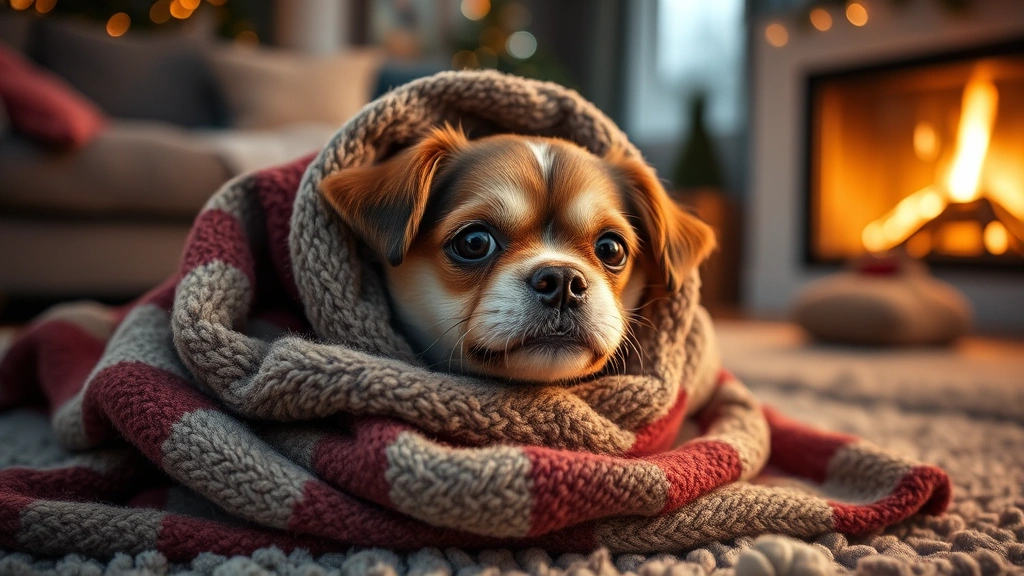
Seeking Warmth Constantly: If your dog is glued to your lap, huddled near the fireplace, or burrowed under blankets more than usual, they’re likely cold. Dogs instinctively seek warmth when uncomfortable, so excessive cozying up indoors during winter is worth noting. Some dogs will even follow you from room to room seeking the warmest spots in your home.
Curled Position and Tucked Tail: Pay attention to your dog’s posture. A cold dog often curls into a tight ball, tucks their tail around their body, and may hold their ears back. This position minimizes exposed skin and helps retain body heat. It’s quite different from their normal relaxed sleeping position.
Raised Hair and Goosebumps: Your dog’s fur may stand on end, creating what looks like goosebumps along their back and sides. This is a natural response to cold that helps trap warm air close to the skin. While most noticeable on short-haired breeds, all dogs experience this reaction.
Anxiety or Whining: Some cold dogs become anxious or vocal about their discomfort. If your normally calm pup is pacing, whining, or acting restless, temperature might be the culprit. This is especially common in dogs unaccustomed to cold weather.
Seeking Your Body Heat: If your dog insists on sleeping pressed against you or won’t leave your side, they may be using you as a heat source. While this sounds adorable, it’s actually a sign your home might be too cold or your dog needs additional protection during outdoor time.
Understanding Canine Temperature Sensitivity
Not all dogs are created equal when it comes to cold tolerance. A dog’s ability to handle cold depends on multiple factors, including their breed, age, health status, coat type, and body composition. Understanding these variables helps you determine how much cold protection your specific dog needs.
Dogs regulate body temperature differently than humans. A normal dog’s body temperature ranges from 101 to 102.5 degrees Fahrenheit, which is higher than ours. However, this doesn’t mean they’re better equipped to handle cold environments. In fact, their higher baseline temperature can work against them in frigid conditions.
When exposed to cold, dogs rely on their coat, body fat, and metabolic processes to maintain warmth. Shivering generates heat through muscle contractions, similar to humans. However, shivering uses significant energy, which is why cold dogs often seem exhausted after time outdoors.
According to the American Kennel Club, most dogs are comfortable in temperatures above 45 degrees Fahrenheit. However, this is a general guideline, and individual dogs vary significantly. Small breeds, senior dogs, and those with thin coats may struggle in temperatures that larger, younger dogs with thick coats handle easily.
Wind chill is another crucial factor. A 32-degree day with high winds feels much colder than a calm 32-degree day. When wind chill drops below 0 degrees Fahrenheit, most dogs should not spend extended time outdoors without protection, regardless of breed.
Which Dogs Are Most Susceptible to Cold
Certain dogs are naturally better equipped to handle cold weather, while others need extra protection even in mild winter conditions. Understanding your dog’s cold tolerance helps you provide appropriate care year-round.
Breed Characteristics: Breeds developed for cold climates, such as Huskies, Malamutes, Saint Bernards, and Newfoundlands, have thick double coats that provide excellent insulation. These breeds can tolerate temperatures that would be dangerous for other dogs. Conversely, thin-coated breeds like Greyhounds, Whippets, Boxers, and Pit Bulls lack the natural insulation to handle cold weather comfortably.
Size Matters: Small dogs have less body mass to generate and retain heat. Toy breeds like Chihuahuas, Yorkies, and Italian Greyhounds are particularly vulnerable to cold. Their smaller surface area-to-volume ratio means they lose heat more quickly than larger dogs. Many small breeds benefit from extra cold-weather protection during winter months.
Age and Health: Senior dogs and puppies struggle with temperature regulation more than healthy adult dogs. Older dogs have slower metabolisms and may have arthritis that worsens in cold weather. Puppies haven’t fully developed their temperature regulation systems. Dogs with health conditions, particularly heart or respiratory issues, are also more vulnerable to cold-related complications.
Coat Type and Color: Dogs with single coats, curly coats, or no coats whatsoever need extra cold protection. Poodles, Doodles, and hairless breeds like Chinese Crested Dogs are particularly susceptible. Additionally, darker-coated dogs absorb more solar radiation and may handle cold slightly better than light-colored dogs, though this effect is minimal.
Body Fat and Muscle: Lean dogs lose heat more quickly than dogs with adequate body fat. This doesn’t mean overweight dogs are better; rather, dogs with healthy body composition handle temperature extremes more effectively. Very thin or malnourished dogs are at higher risk for cold-related issues.

Safe Winter Clothing and Gear
Winter dog clothing isn’t just fashion—it’s functional protection. The right gear can make the difference between a comfortable winter and a miserable one for your cold-sensitive pup. However, not all clothing is created equal, and proper fit is essential.
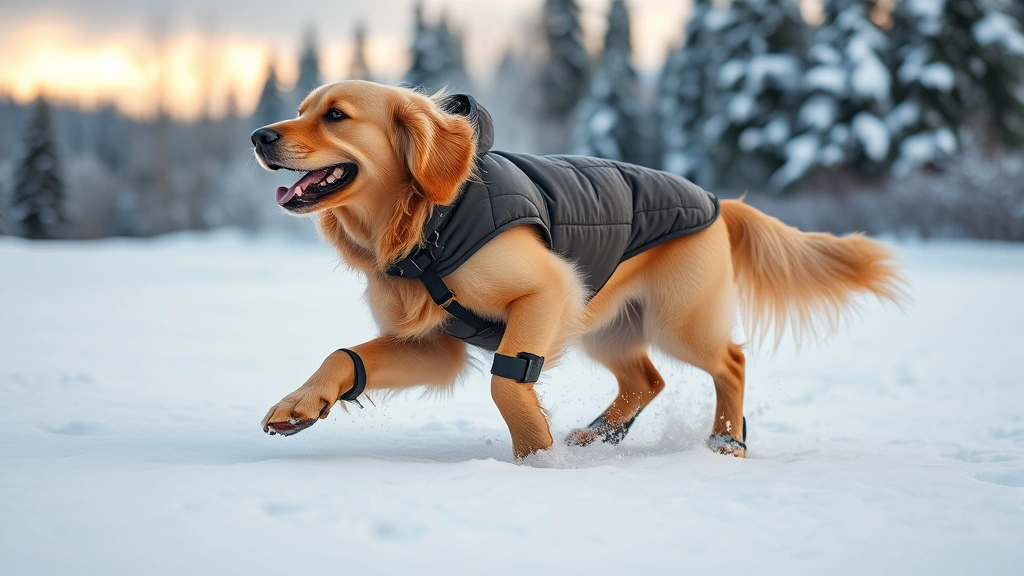
Choosing the Right Coat: Dog coats come in various styles, from lightweight sweaters to insulated parkas. Look for coats that cover the back, belly, and rear end. The coat should fit snugly without restricting movement or causing chafing. For very cold climates, insulated coats with waterproof outer shells provide the best protection. Materials like fleece or thermal lining offer excellent warmth without excessive bulk.
Boots and Paw Protection: Dog boots protect paws from cold, ice, salt, and harmful chemicals used to melt ice on roads. Many dogs initially resist boots, but most adapt quickly. Ensure boots fit properly—they shouldn’t be too tight or too loose. Alternatively, paw wax or balm can provide protection when boots aren’t practical. After outdoor time, always rinse or wipe your dog’s paws to remove salt and ice-melting chemicals.
Hats and Ear Covers: Some dogs benefit from hats or ear covers, particularly breeds with exposed ears. These accessories help retain body heat and protect ears from frostbite. However, ensure any headgear is secure and doesn’t cause stress or overheating indoors.
Sweaters and Thermal Layers: For mild cold, a simple sweater or thermal layer may suffice. These work well for short outdoor trips or dogs living in moderate climates. Look for moisture-wicking materials that won’t become wet and heavy. Merino wool and synthetic thermal materials work well.
The ASPCA recommends checking your dog’s comfort level regularly during winter outings. If your dog seems reluctant, anxious, or uncomfortable despite protective gear, bring them inside. Some dogs simply don’t tolerate extended cold exposure well, regardless of clothing.
Indoor Comfort Strategies
During winter, your home should be a cozy haven for your pup. Creating a warm, comfortable indoor environment is just as important as outdoor protection. Many cold-related health issues can be prevented with proper indoor management.
Temperature Control: Maintain your home at a comfortable temperature—typically between 68 and 72 degrees Fahrenheit works well for most dogs. While dogs can tolerate cooler temperatures with proper bedding, excessively cold homes can lead to discomfort and health issues. Use thermostats to maintain consistent temperatures, and avoid drafty areas where dogs sleep.
Bedding and Blankets: Invest in quality dog bedding with insulating properties. Orthopedic beds provide comfort while retaining warmth, making them ideal for senior dogs or those with joint issues. Multiple layers—a base bed plus blankets—give your dog options for warming up. Some dogs appreciate heated beds, which provide consistent warmth without overheating risks when used properly.
Designated Warm Spots: Create warm zones throughout your home where your dog can retreat. Near fireplaces, heating vents, or sunny windows are ideal. Avoid placing beds directly in front of heating vents, which can create uncomfortable temperature fluctuations. Instead, position beds nearby where gentle warmth is available.
Humidity and Air Quality: Winter heating dries indoor air, which can irritate your dog’s skin and respiratory system. Consider using a humidifier to maintain healthy moisture levels (30-50% humidity). This helps prevent dry skin, itching, and respiratory discomfort. Clean humidifiers regularly to prevent mold growth.
Hydration: Cold weather often causes people and pets to drink less water, but proper hydration is crucial year-round. Ensure fresh water is always available. Some dogs prefer slightly warm water in winter, which encourages drinking. Monitor your dog’s water intake and discuss concerns with your veterinarian if you notice significant changes.
Outdoor Winter Safety Tips
When taking your dog outside during winter, preparation and awareness are essential. Even brief outdoor exposure can become dangerous if you’re unprepared. These strategies help ensure safe, enjoyable winter outings.
Limit Outdoor Time: During extreme cold, limit outdoor exposure to short bathroom breaks and quick exercise. How cold is too cold to walk a dog depends on your specific dog, but generally, temperatures below 20 degrees Fahrenheit with wind chill warrant caution. When temperatures plummet, consider indoor exercise alternatives like treadmills or indoor play spaces.
Watch for Ice and Snow: Ice and packed snow can harbor sharp edges that cut paw pads. Snow can also pack between toe pads, causing discomfort and potential injury. After outdoor time, inspect your dog’s paws carefully. Remove any ice balls or snow buildup gently. If your dog seems to be limping or favoring a paw, check for cuts or injuries.
Salt and Chemical Hazards: Road salt and ice-melting chemicals are toxic if ingested in large quantities and can irritate paws. Always rinse your dog’s paws after outdoor time, and consider booties for added protection. Never use antifreeze-based ice melts around areas your dog frequents—ethylene glycol is highly toxic to dogs even in small amounts.
Visibility and Safety Gear: Winter days are shorter with less daylight, and snow can reduce visibility. Use reflective collars, leashes, or vests to ensure your dog is visible to vehicles and other people. LED collars and leashes are particularly helpful during evening walks.
Exercise and Mental Stimulation: Cold weather shouldn’t eliminate exercise, just modify it. Shorter, more frequent outings often work better than long single walks. Combine outdoor time with indoor play, puzzle toys, and training sessions to keep your dog mentally stimulated and physically active. Understanding that dogs do get cold helps you plan realistic exercise routines that keep them healthy without risking cold-related illness.
Emergency Preparedness: Keep a winter emergency kit in your car including blankets, extra water, first aid supplies, and your veterinarian’s contact information. If your car breaks down in winter, you’ll want supplies to keep your dog warm and comfortable.
When to Call the Vet
While cold sensitivity is normal, certain signs indicate medical attention is needed. Knowing when to call your veterinarian can prevent serious health complications.
Hypothermia Symptoms: Hypothermia occurs when body temperature drops dangerously low. Signs include extreme shivering followed by lack of shivering, lethargy, difficulty moving, dilated pupils, and weak pulse. If you suspect hypothermia, warm your dog gradually with blankets and call your veterinarian immediately. Avoid rapid rewarming, which can cause shock.
Frostbite Indicators: Frostbite affects extremities like ears, paws, nose, and tail. Affected areas may appear pale or grayish, become swollen, or develop blisters. Your dog may lick or chew at frostbitten areas excessively. Frostbite is a medical emergency requiring veterinary care. Gently warm affected areas with warm (not hot) water, and seek immediate veterinary attention.
Prolonged Lethargy: If your dog seems unusually tired, unresponsive, or depressed beyond normal winter sluggishness, consult your veterinarian. This could indicate illness or cold-related complications.
Behavioral Changes: Sudden anxiety, aggression, or unusual behavior during cold weather warrants veterinary evaluation. Pain from arthritis worsening in cold, or other underlying conditions, can manifest as behavioral changes.
Persistent Shivering: While occasional shivering is normal, persistent uncontrollable shivering even when warm indoors suggests a problem. This could indicate illness, pain, or a neurological issue requiring professional evaluation.
Loss of Appetite: If your dog refuses food or water, or significantly reduces intake during winter, contact your veterinarian. Cold weather shouldn’t affect appetite, so changes may indicate underlying health issues.
The Veterinary Care Animal Hospitals recommend annual winter wellness checks to ensure your dog is healthy before cold weather arrives. This is especially important for senior dogs or those with pre-existing conditions.
Frequently Asked Questions
At what temperature should I bring my dog inside?
Most dogs should come inside when temperatures drop below 45 degrees Fahrenheit, though this varies by breed. Small, thin-coated, senior, or very young dogs may need to come in at higher temperatures. Wind chill is also crucial—below 0 degrees wind chill, most dogs shouldn’t spend extended time outdoors. Watch your individual dog for signs of cold discomfort and adjust accordingly.
Do all dogs need winter coats?
Not all dogs need coats, but many benefit from them. Dogs with thick double coats like Huskies rarely need coats in moderate climates. Small breeds, thin-coated dogs, senior dogs, and puppies typically need coats in cold weather. Your dog’s individual tolerance, age, health, and your climate determine whether a coat is necessary. When in doubt, consult your veterinarian.
Can dogs get frostbite?
Yes, dogs can definitely get frostbite, particularly on extremities like ears, paws, nose, and tail. Small breeds and dogs with thin coats are most vulnerable. Frostbite causes tissue damage that can be permanent. Prevent frostbite by limiting cold exposure, using protective gear, and watching for signs like pale skin, swelling, or blistering on extremities.
Is it safe to use a heated dog bed?
Quality heated dog beds designed specifically for pets are generally safe when used according to manufacturer instructions. However, ensure the heating element is properly insulated and the bed has automatic shut-off features. Never leave a heated bed unattended with your dog for extended periods. Some dogs may overheat, so monitor your dog’s comfort. Always choose products from reputable manufacturers with safety certifications.
How do I know if my dog has hypothermia?
Early signs of hypothermia include excessive shivering, lethargy, and reluctance to move. As hypothermia progresses, shivering may stop, your dog becomes increasingly unresponsive, breathing slows, and pulse weakens. If you suspect hypothermia, gradually warm your dog with blankets and seek emergency veterinary care immediately. Hypothermia is life-threatening and requires professional medical treatment.
Why does my dog snore more in winter?
Winter heating dries indoor air, which can irritate your dog’s nasal passages and throat, potentially increasing snoring. Additionally, some dogs may sleep more in winter due to shorter daylight hours and cooler temperatures, which could make snoring more noticeable. If snoring is new or accompanied by other symptoms like difficulty breathing, consult your veterinarian. Learn more about why dogs snore and when it warrants concern.
Can I leave my dog outside in winter?
Dogs can spend time outside in winter, but shouldn’t be left outside for extended periods in cold weather. Outdoor dogs need proper shelter with insulation, protection from wind and moisture, and access to unfrozen water. However, even outdoor dogs should come inside during extreme cold. Brief outdoor time for bathroom breaks and exercise is fine with proper precautions, but dogs shouldn’t be left outside unsupervised in cold weather.
What’s the best way to dry my dog after winter outings?
After outdoor time, use towels to remove excess moisture from your dog’s coat. Pay special attention to paws, belly, and between toes where moisture accumulates. For long-haired dogs, you might use a hair dryer on a low setting, keeping it at a safe distance to avoid overheating. Ensure your dog is completely dry before returning outside in cold weather, as wet coats lose insulating properties quickly.





