

Is Your Dog Cold? Signs and Solutions
As the temperature drops and winter winds start to howl, many dog owners wonder if their furry companions are feeling the chill. Unlike humans who can bundle up in coats and complain about the cold, dogs can’t tell us when they’re uncomfortable. However, our canine friends have their own way of communicating discomfort—we just need to know what to look for. Understanding how to tell if your dog is cold is essential for responsible pet ownership, especially during those frigid months when outdoor adventures become less appealing.
Dogs, despite their fur coats, are surprisingly susceptible to cold weather. Different breeds have varying tolerance levels, and factors like age, size, and overall health play significant roles in how well your pup can regulate body temperature. Some dogs are built for arctic conditions with thick double coats, while others—like Chihuahuas or Italian Greyhounds—are practically tropical creatures who shiver at the mere mention of winter. The key is recognizing the warning signs before your dog develops hypothermia or frostbite.
In this comprehensive guide, we’ll explore the telltale signs that your dog is cold, discuss which breeds are most vulnerable, and provide practical solutions to keep your four-legged friend warm and comfortable year-round. Whether you’re a first-time dog owner or a seasoned pet parent, this information will help you make informed decisions about outdoor activities and indoor comfort during colder months.
Signs Your Dog Is Cold
The most obvious indicator that your dog is cold is shivering. When you notice why your dog is shivering, it’s their body’s natural response to generate heat. However, shivering isn’t the only sign—and sometimes it’s not even the first. Dogs communicate discomfort through various behavioral and physical cues that astute owners should recognize.
Behavioral changes often precede physical symptoms. A cold dog may become reluctant to go outside, even for their favorite activities. They might whine or bark more than usual, paw at doors to come inside, or huddle close to you for warmth. Some dogs will seek out warm spots in your home obsessively, refusing to leave their bed or a sunny window. Why dogs sleep so much during winter months could partially be attributed to their body conserving energy in response to cold temperatures.
Physical symptoms include trembling or why your dog is shaking, which can be more pronounced than simple shivering. You might notice your dog’s ears becoming pale or the nose losing its typical coloration. Cold dogs often tuck their tail between their legs and may adopt a hunched posture to minimize exposed surface area. Their paws might feel cold to the touch, and you could observe them lifting their feet frequently or refusing to walk on cold surfaces.
Another important sign is excessive licking or chewing of paws. Dogs experiencing cold-related discomfort often lick their paws compulsively, which could indicate they’re cold or potentially developing frostbite. Additionally, watch for reluctance to bear weight on their legs or an unusual gait, as cold can make joints stiff and uncomfortable.

If you’re wondering about the broader spectrum of canine discomfort, it’s worth learning how to tell if a dog is cold in comparison to other health issues. Sometimes what appears to be cold-related behavior could indicate fever or illness. According to the American Kennel Club, temperature management is crucial for canine health, and recognizing the difference between normal winter behavior and concerning symptoms is vital.
Breed Susceptibility to Cold
Not all dogs are created equal when it comes to cold tolerance. Breed characteristics, specifically coat type and size, significantly influence how well a dog can withstand frigid temperatures. Understanding your breed’s natural predisposition helps you provide appropriate care during winter months.
Small breed dogs are generally more susceptible to cold than their larger counterparts. Toy breeds like Chihuahuas, Maltese, and Toy Poodles have minimal body mass to generate and retain heat. These pint-sized pups often need protection even in moderately cool weather. Hairless or short-coated breeds such as Italian Greyhounds, Whippets, and Greyhounds also struggle with temperature regulation and benefit from protective clothing outdoors.
Short-coated breeds like Boxers, Pit Bulls, and Weimaraners lack the insulating undercoat that helps larger breeds stay warm. Even though they might be substantial in size, their coat doesn’t provide adequate protection in cold climates. Senior dogs of any breed tend to feel cold more acutely, as their metabolism slows with age and their ability to regulate body temperature diminishes.
Conversely, cold-weather breeds are naturally equipped for frigid temperatures. Huskies, Malamutes, Saint Bernards, and Newfoundlands have thick double coats that provide exceptional insulation. These breeds were developed in arctic or mountainous regions and can comfortably tolerate temperatures that would leave other dogs shivering. Even these hardy breeds, however, shouldn’t be left outside indefinitely in extreme cold.
Dogs with underlying health conditions, including arthritis, heart disease, or hormonal imbalances, may feel cold more intensely. Puppies also have difficulty regulating body temperature and should be protected from excessive cold. If you’re uncertain about your specific dog’s cold tolerance, consult your veterinarian for personalized guidance.
Temperature Guidelines for Dogs
Understanding when it’s too cold to walk your dog is crucial for their safety. General guidelines suggest that how cold is too cold to walk a dog depends on multiple factors beyond just the thermometer reading.
Most dogs are comfortable in temperatures between 45°F and 85°F (7°C to 29°C). Below 45°F, many dogs begin showing signs of discomfort, though cold-weather breeds remain unfazed. When temperatures drop below 32°F (0°C), most dogs should have limited outdoor exposure. Below 20°F (-7°C), even cold-tolerant breeds should spend minimal time outside, and most dogs require protective clothing.
However, temperature alone doesn’t tell the complete story. Wind chill significantly impacts how cold it actually feels. A temperature of 35°F with strong winds can feel more dangerous than a calm 20°F day. Additionally, moisture dramatically affects heat loss. A wet dog loses body heat much faster than a dry one. Walking your dog in snow or sleet requires extra caution and shorter duration than walking in dry cold conditions.
The ASPCA provides comprehensive cold weather safety guidelines for pet owners that emphasize individual variation among dogs. Factors like your dog’s age, health status, coat thickness, and acclimatization to cold all influence safe outdoor duration. A dog acclimated to winter conditions might tolerate cold better than one who’s spent the season indoors.
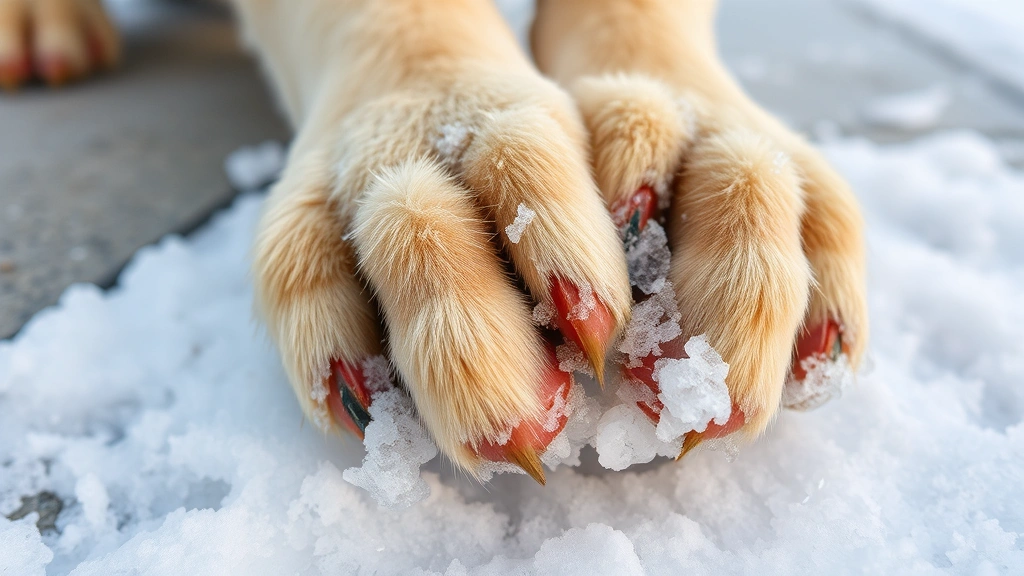
Paw protection deserves special consideration. Ice, snow, and salt on winter sidewalks can cause chemical burns and physical damage to sensitive paw pads. Even cold-tolerant breeds need paw protection during extreme conditions. Limit outdoor time on very cold days, and always check your dog’s paws afterward for signs of damage or irritation.
Practical Warming Solutions
Once you recognize that your dog is cold, implementing warming solutions is essential. The good news is that keeping your pup comfortable doesn’t require complicated interventions—just practical, thoughtful strategies.
Dog clothing and accessories are among the most effective solutions. Dog coats, sweaters, and jackets provide insulation for vulnerable dogs during outdoor activities. Boots protect paws from cold, ice, and salt. For small breeds or those with minimal coat coverage, a fitted sweater indoors during winter can provide comfort. Look for clothing that fits snugly without restricting movement, and always supervise your dog while wearing any garment to prevent overheating or entanglement.
Indoor comfort adjustments make a significant difference. Provide soft, elevated beds in warm areas of your home, away from drafts and cold tile floors. Consider heated dog beds during winter months—these provide gentle, consistent warmth without the fire hazard of traditional heating pads. Placing beds near (but not directly against) heating vents or in sunny windows creates cozy warm spots your dog will love.
Humidity control matters more than most owners realize. Dry indoor air during heating season can irritate your dog’s skin and make them feel colder. Using a humidifier maintains comfortable humidity levels and supports respiratory health. Ensure your dog always has access to fresh water, as dehydration is common in heated indoor environments and exacerbates cold sensitivity.
Exercise modifications should reflect seasonal conditions. Shorter, more frequent outdoor sessions often work better than lengthy exposure during extreme cold. Indoor play, training sessions, and games provide mental and physical stimulation without requiring extended time in frigid conditions. Many dogs enjoy treadmill walking or indoor fetch during winter months.
Grooming considerations impact cold tolerance significantly. While you might think keeping your dog’s coat longer helps in winter, matted or unkempt fur actually reduces insulating properties. Regular grooming maintains coat health and effectiveness. Avoid shaving cold-sensitive breeds during winter unless medically necessary, and never shave double-coated breeds, as this permanently damages their insulating ability.
Cold-Related Health Risks
Beyond simple discomfort, prolonged cold exposure poses serious health risks to dogs. Understanding these dangers emphasizes the importance of recognizing cold symptoms early.
Hypothermia occurs when a dog’s core body temperature drops dangerously low. Early signs include shivering, lethargy, and reluctance to move. As hypothermia progresses, your dog might become unresponsive, their breathing could become shallow, and their heart rate may slow dramatically. Severe hypothermia is life-threatening and requires immediate veterinary emergency care. Prevention through appropriate cold-weather precautions is far preferable to treating this serious condition.
Frostbite develops when tissues freeze due to extreme cold exposure. Ears, nose, paws, and tail are most vulnerable. Frostbitten areas appear pale or blue initially, then may become red, swollen, and blistered as they thaw. In severe cases, tissue dies and falls off. Frostbite is extremely painful and can cause permanent damage or infection. If you suspect frostbite, contact your veterinarian immediately—do not attempt to rewarm affected areas rapidly, as this causes additional tissue damage.
Cold can also exacerbate existing health conditions. Dogs with arthritis experience increased joint pain and stiffness in cold weather. Heart disease symptoms may worsen in cold temperatures. Respiratory conditions can flare up from cold air exposure. If your dog has pre-existing health issues, work closely with your veterinarian to develop a cold-weather management plan. Sometimes medication adjustments or additional monitoring becomes necessary during winter months.
If you’re concerned about whether your dog’s symptoms indicate fever rather than cold-related issues, learning how to tell if a dog has a fever helps differentiate between conditions. This distinction is important because treatment differs significantly. According to VCA Animal Hospitals, hypothermia in dogs requires specific emergency protocols that differ from fever management.
Paw pad health deserves special attention during winter. Beyond frostbite risk, the salt and chemicals used on roads and sidewalks can cause chemical burns on sensitive paw pads. Additionally, ice balls can form between toe pads, causing pain and potential injury. Regular paw inspections and cleaning after winter walks prevent complications. Consider pet-safe ice melt products for your own property to reduce chemical exposure.
Frequently Asked Questions
At what temperature should I not walk my dog outside?
Most veterinarians recommend limiting outdoor exposure when temperatures drop below 20°F (-7°C), particularly for small breeds, senior dogs, or those with short coats. However, wind chill, humidity, and individual dog factors matter significantly. Below 0°F (-18°C), most dogs should have minimal outdoor time. Always observe your specific dog’s behavior and adjust accordingly.
Can dogs get sick from being cold?
Yes, prolonged cold exposure can cause hypothermia and frostbite, both serious medical emergencies. Additionally, cold stress can suppress immune function, making dogs more susceptible to infections. Cold can also trigger or worsen existing health conditions. This is why recognizing cold symptoms and providing appropriate protection is essential for your dog’s health.
Do all dogs need winter coats?
Not all dogs require winter coats. Cold-weather breeds with thick double coats typically don’t need additional protection unless temperatures become extreme. However, small breeds, short-coated breeds, senior dogs, puppies, and those with health conditions benefit significantly from protective clothing during winter months. When in doubt, consult your veterinarian about whether your specific dog needs a coat.
How can I tell if my dog is cold versus just wet?
A wet dog will shake vigorously and seek warmth or dry areas, but these signs typically resolve once they dry off. A cold dog exhibits prolonged shivering, reluctance to go outside, seeking warm spots persistently, and behavioral changes like whining or anxiety. Cold-related symptoms persist despite being indoors and dry. If shivering continues after your dog has dried off, they’re likely cold rather than simply wet.
Is it cruel to keep a dog outside in winter?
Leaving dogs outside for extended periods in cold weather can be dangerous and potentially cruel, depending on the temperature, breed, and individual dog. Most dogs should not spend extended time outside in extreme cold. However, brief outdoor time for bathroom breaks or exercise is typically fine with appropriate precautions. Always provide shelter, warmth, water, and monitor your dog closely. If you’re questioning whether conditions are safe, they probably aren’t.
What should I do if I think my dog has hypothermia?
If you suspect hypothermia, contact your veterinarian or emergency veterinary clinic immediately. Move your dog to a warm location and remove wet clothing. Do not apply direct heat like heating pads or hot water, as this can cause additional damage. Offer warm (not hot) water to drink if your dog is conscious and able to swallow. Seek immediate professional medical attention—hypothermia is a life-threatening emergency.
Can I use human cold remedies on my dog?
Never give your dog human medications or cold remedies without explicit veterinary approval. Many common over-the-counter medications are toxic to dogs. If your dog develops cold-related symptoms or illness, contact your veterinarian for appropriate treatment options. Your vet can recommend safe, effective solutions tailored to your dog’s specific needs and health status.
Remember, your dog depends on you to recognize when they’re cold and take appropriate action. By understanding the signs, knowing your breed’s cold tolerance, and implementing practical warming solutions, you’ll ensure your furry companion stays comfortable and healthy throughout the winter season. When in doubt, err on the side of caution and consult your veterinarian—they’re your best resource for cold-weather pet care guidance.





