
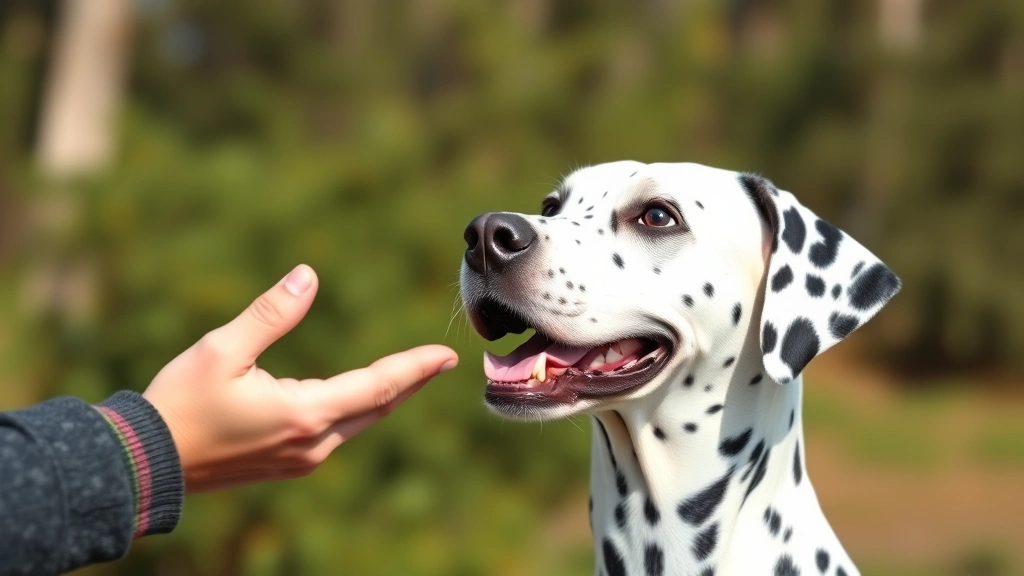
Learning how to train a deaf dog might seem like climbing Mount Everest in flip-flops, but here’s the truth: deaf dogs are just as trainable, intelligent, and lovable as their hearing counterparts. In fact, many deaf dog owners swear their pups are easier to train once you crack the code. The secret? Understanding that deaf dogs communicate differently, not deficiently. Whether your furry friend was born deaf, lost their hearing with age, or is one of those breeds prone to deafness (looking at you, Dalmatians), this guide will walk you through proven methods that actually work.
Table of Contents
- Understanding Deaf Dog Communication Basics
- Method 1: Hand Signal Training for Deaf Dogs
- Method 2: Vibration and Touch-Based Training
- Method 3: Positive Reinforcement and Reward-Based Training
- Method 4: Visual Markers and Flashlight Training
- Method 5: Consistency and Environmental Management
- Best Practices for Training Deaf Dogs Successfully
- Common Mistakes to Avoid When Training Deaf Dogs
- Safety Considerations for Deaf Dogs
- Advanced Training Techniques for Deaf Dogs
- Frequently Asked Questions
- Conclusion: Your Deaf Dog’s Training Success Story
Understanding Deaf Dog Communication Basics
Before diving into training techniques, let’s talk about how deaf dogs perceive the world. They rely heavily on visual cues, vibrations, and scent. A deaf dog’s sense of sight becomes their superpower—they notice the tiniest hand movements and body language shifts that hearing dogs might miss. This isn’t a limitation; it’s an advantage waiting to be unlocked. When you understand deaf dog communication, you’re already halfway to success.
Method 1: Hand Signal Training for Deaf Dogs
Hand signals are your bread and butter when training deaf dogs. Unlike hearing dogs that respond to verbal commands, deaf dogs watch your hands like hawks eyeing a field mouse. Start with simple, distinct hand signals that are easy to see from a distance. Point upward for “sit,” a sweeping motion for “come,” and a flat palm for “stay.” The key is consistency—use the same signal every single time. Your deaf dog will learn faster than you’d expect because there’s zero confusion. No competing sounds, no background noise interference. Just you, your hands, and your pup’s undivided attention. The American Kennel Club offers excellent resources on dog training fundamentals that apply beautifully to deaf dog training.
Method 2: Vibration and Touch-Based Training
Here’s where things get creative. Deaf dogs can feel vibrations through the floor, furniture, and your body. Use a vibrating collar (the kind without shock—think phone vibration, not electricity) as a marker signal. When your deaf dog does something right, activate the vibration, then immediately reward them with high-value treats from kitchen ingredients. This creates a clear cause-and-effect relationship. Gentle touches also work wonderfully. A light tap on the shoulder followed by a reward teaches your deaf dog that touch means “good job!” Some trainers use a flashlight as a visual marker instead—flash it, then treat. The vibration method is particularly effective for deaf dog training because it mimics how hearing dogs respond to a clicker.
Method 3: Positive Reinforcement and Reward-Based Training
Forget everything you’ve heard about harsh corrections. With deaf dogs, positive reinforcement isn’t just preferred—it’s absolutely essential. These dogs need to see that following your hand signals leads to something amazing. Use meat-based treats for dogs as your primary reward tool. High-value rewards (think chicken, cheese, or liver treats) make training sessions irresistible. Timing is everything. Reward within one second of the desired behavior so your deaf dog connects the dots. The beauty of training deaf dogs is that they’re not distracted by verbal praise—they’re watching you intensely, waiting for that next signal and reward.
Method 4: Visual Markers and Flashlight Training
A simple flashlight becomes a training tool when you’re working with deaf dogs. Shine it, your dog looks at the light, then you reward them. Over time, the flashlight becomes a visual marker that says “you did it right!” This is especially useful for training at a distance. Want your deaf dog to come from across the yard? Flash the light, they see it, they come running because they know a reward is coming. Visual marker training for deaf dogs creates a bridge between your communication and their understanding. It’s particularly effective for dogs who might be anxious about touch-based training.
Method 5: Consistency and Environmental Management
Training deaf dogs requires military-level consistency. Everyone in your household must use identical hand signals. No improvising, no shortcuts. If mom uses one “sit” signal and dad uses another, your deaf dog gets confused. Post a laminated chart of your signals on the fridge. Make it a house rule. Beyond signals, manage your environment wisely. Keep training sessions short (5-10 minutes) and in low-distraction areas initially. Your deaf dog should be able to focus entirely on you without competing stimuli. Once they master a command, gradually introduce distractions. This method of consistency and environmental management prevents the frustration that derails many deaf dog training efforts.

Best Practices for Training Deaf Dogs Successfully
Start with the assumption that your deaf dog wants to succeed—they’re not being stubborn, they’re just working with different inputs. Always get their attention before giving a signal. A gentle touch, a wave, or stepping into their line of sight ensures they’re watching. Never sneak up on a deaf dog or startle them; it damages trust and makes training harder. PetMD provides comprehensive training guidance that can supplement your deaf dog training journey. Keep your signals above your waist where they’re easiest to see. Use a consistent location for training sessions initially so your deaf dog knows it’s learning time. And here’s the golden rule: patience. Training deaf dogs takes longer than hearing dogs, but the bond you build is absolutely worth it.
Common Mistakes to Avoid When Training Deaf Dogs
The biggest mistake? Assuming deaf dogs are less intelligent. They’re not. Another common error is inconsistent hand signals that confuse your deaf dog. Don’t use different signals for the same command depending on your mood. Never punish a deaf dog for not responding—they might not have seen your signal. Avoid training in bright sunlight where your hand signals become hard to see. Don’t expect your deaf dog to learn as fast as hearing dogs; their learning curve is different, not slower. And please, never use shock collars or aversive training methods. Deaf dogs need to trust you completely, and punishment-based training destroys that trust.
Safety Considerations for Deaf Dogs
A deaf dog can’t hear approaching cars, so always keep them on a leash outside or in a securely fenced area. Teach a strong “look at me” hand signal so you can redirect their attention away from danger. Consider when to call the vet about food if your deaf dog ingests something dangerous—they won’t hear you calling them back. Make sure your deaf dog wears an ID tag clearly indicating they’re deaf. Some owners use a bell collar so they can locate their dog by sound even though the dog can’t hear it. Install baby gates to prevent unsupervised access to stairs or other hazards. These safety measures aren’t restrictions; they’re insurance policies that keep your deaf dog alive and thriving.
Advanced Training Techniques for Deaf Dogs
Once your deaf dog masters basic commands, you can move into advanced training. Teach them to check in with you frequently by rewarding them for making eye contact. This “default watch me” behavior keeps them engaged and safe. Use chaining—combining multiple hand signals in sequence—to teach complex behaviors. For example, signal “sit,” then “down,” then “stay.” Each completed command gets a reward. Some trainers teach deaf dogs to respond to vibrations from a special collar that can be triggered from a distance, creating a long-range communication tool. The possibilities expand once you understand that deaf dogs learn through visual and tactile channels just as effectively as hearing dogs learn through sound.
Frequently Asked Questions
Can deaf dogs be trained as well as hearing dogs?
Absolutely. Deaf dogs are just as trainable as hearing dogs, sometimes more so because they’re not distracted by ambient noise. Training methods differ, but results are equally excellent. Many deaf dog owners report their dogs are actually easier to train once they understand visual and tactile communication.
What age should I start training a deaf dog?
Start as early as possible, ideally when you first bring your deaf dog home, whether they’re a puppy or adult rescue. Puppies learn quickly, but adult deaf dogs can learn new hand signals at any age. The brain’s neuroplasticity means learning is always possible.

How long does it take to train a deaf dog?
Basic commands typically take 2-4 weeks with consistent daily training. Complex behaviors might take several months. Deaf dogs aren’t slower learners; they just need clear visual communication and consistent practice. Your patience directly impacts the timeline.
Are certain breeds more prone to deafness?
Yes, breeds with white coats or white markings (Dalmatians, Bull Terriers, Australian Shepherds) have higher rates of congenital deafness. Age-related hearing loss affects all dogs eventually, but these breeds see it earlier and more frequently.
Should I use a vibrating collar for training?
Vibrating collars can be helpful as a marker signal, similar to a clicker for hearing dogs. Choose humane options that vibrate gently, never shock. Always pair vibration with positive rewards so your deaf dog associates it with good things.
Can deaf dogs live normal lives?
Yes, completely. With proper training, safety measures, and love, deaf dogs live full, happy, normal lives. Many owners say their deaf dogs are their favorite pets because of the unique bond training creates.
Conclusion: Your Deaf Dog’s Training Success Story
Learning how to train a deaf dog opens a door to one of the most rewarding training experiences of your life. These dogs aren’t broken or less capable—they’re simply wired differently. By using hand signals, vibration markers, positive reinforcement, visual cues, and consistent environmental management, you’ll unlock your deaf dog’s incredible potential. The five proven methods outlined here work because they’re based on how deaf dogs naturally perceive and interact with the world. Your deaf dog doesn’t need pity; they need clear communication, patience, and rewards. Start with the fundamentals, stay consistent, celebrate small wins, and watch your deaf dog blossom into the well-trained companion they’re meant to be. The journey might look different than training a hearing dog, but the destination—a happy, obedient, beloved family member—is exactly the same.





