
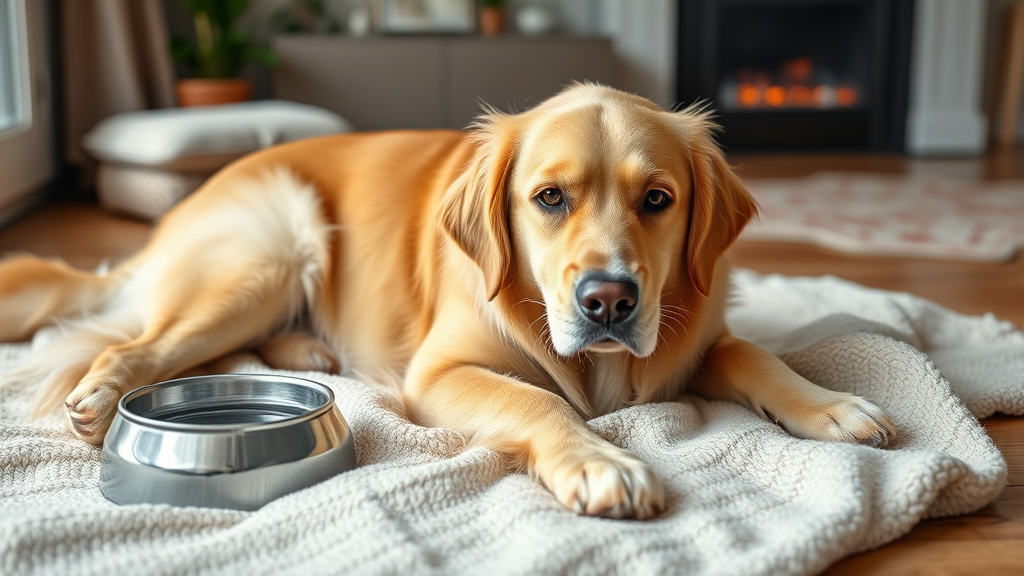
When your beloved canine companion is suffering from a bladder infection, watching them struggle with frequent urination, discomfort, and pain can be heartbreaking. Bladder infections, also known as urinary tract infections (UTIs), are common in dogs and can cause significant discomfort if left untreated. While veterinary care is always recommended for proper diagnosis and treatment, there are several safe and effective home remedies that can help soothe your dog’s symptoms and support their recovery.
Understanding how to recognize the signs of a bladder infection and knowing which natural remedies can provide relief is essential for every dog owner. From increased water intake to natural supplements, these gentle approaches can complement professional veterinary care and help your furry friend feel more comfortable during their healing process. It’s important to note that while home remedies can be beneficial, they should never replace proper veterinary diagnosis and treatment, especially for severe or recurring infections.
Recognizing Bladder Infection Symptoms
Before attempting any home treatment, it’s crucial to properly identify the signs of a bladder infection in your dog. The most common symptoms include frequent urination, straining to urinate, producing only small amounts of urine, blood in the urine, and strong-smelling or cloudy urine. Your dog may also exhibit behavioral changes such as increased restlessness, whimpering during urination, or accidents in the house despite being house-trained.
Additional symptoms that may indicate a bladder infection include excessive licking of the genital area, loss of appetite, lethargy, and in some cases, fever. If you notice your dog displaying any of these signs, it’s important to monitor them closely and consider both home remedies and professional veterinary care. Some dogs may also show signs of abdominal discomfort or sensitivity when the belly area is touched.
According to the American Veterinary Medical Association, urinary tract infections are more common in female dogs due to their shorter urethra, but male dogs can also be affected. Early recognition of symptoms is key to preventing the infection from progressing to more serious complications such as kidney infections.
Hydration Therapy and Water Management
One of the most fundamental and effective home remedies for treating a dog’s bladder infection is ensuring proper hydration. Increased water intake helps flush bacteria from the urinary system and dilutes the urine, making it less concentrated and less irritating to the inflamed bladder walls. Encourage your dog to drink more water by providing fresh, clean water in multiple locations throughout your home.
You can make water more appealing by adding a small amount of low-sodium chicken broth or bone broth to their water bowl. Some dogs prefer running water, so consider using a pet water fountain to encourage drinking. Ice cubes can also make water more interesting for some dogs, though this should be offered in moderation.
Monitor your dog’s water intake carefully and ensure they have constant access to fresh water. The general rule is that dogs should drink approximately one ounce of water per pound of body weight daily, but during a bladder infection, they may need more. If your dog is reluctant to drink, you can also add water to their dry food or offer wet food to increase their overall fluid intake.
Dietary Modifications and Nutritional Support
Dietary changes can play a significant role in supporting your dog’s recovery from a bladder infection. Consider temporarily switching to a high-quality, easily digestible diet that supports urinary health. Foods rich in moisture, such as wet or canned dog food, can help increase fluid intake and support the flushing of bacteria from the urinary system.
Avoid feeding your dog foods that may irritate the bladder, such as those high in artificial additives, preservatives, or excessive salt. Instead, focus on natural, wholesome ingredients that support overall health and immune function. Some dog owners find that a temporary bland diet, similar to what you give a dog for upset stomach, can help reduce inflammation and support healing.
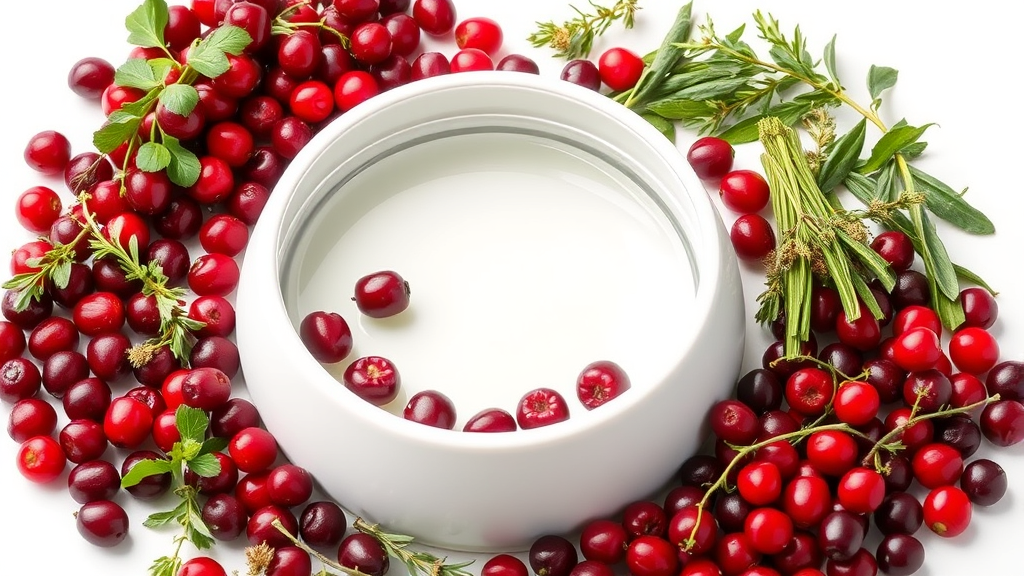
Cranberry supplements or small amounts of unsweetened cranberry juice can be beneficial for some dogs, though it’s important to research can dogs drink cranberry juice safely before incorporating this into their diet. The proanthocyanidins in cranberries may help prevent bacteria from adhering to the bladder wall, though the evidence in dogs is limited compared to humans.
Natural Supplements and Herbal Remedies
Several natural supplements and herbal remedies can support your dog’s urinary health and help fight bladder infections. Probiotics are particularly beneficial as they help maintain a healthy balance of bacteria in the digestive and urinary systems. Look for high-quality probiotic supplements specifically formulated for dogs, or consider adding plain, unsweetened yogurt with live cultures to their diet.
Vitamin C can help acidify the urine, creating an environment less favorable for bacterial growth. However, it’s important to use the correct dosage, as too much vitamin C can cause digestive upset. D-mannose, a natural sugar found in cranberries, may help prevent bacteria from adhering to the bladder wall and is available as a supplement specifically for pets.
Herbal remedies such as marshmallow root, corn silk, and uva ursi have traditionally been used to support urinary health, though it’s essential to consult with a holistic veterinarian before using these herbs. The American Kennel Club emphasizes the importance of professional guidance when using herbal treatments for dogs, as some herbs can interact with medications or may not be appropriate for all dogs.
Hygiene Practices and Environmental Management
Maintaining proper hygiene is crucial for both treating and preventing bladder infections in dogs. Keep your dog’s genital area clean by gently wiping with unscented, hypoallergenic wipes designed for pets. This is especially important for female dogs, as bacteria can easily travel up the shorter female urethra.
Ensure your dog has frequent opportunities to urinate, as holding urine for extended periods can worsen bladder infections. Take your dog outside more frequently than usual, and praise them for urinating to encourage regular elimination. Clean any accidents immediately with an enzymatic cleaner to prevent bacterial growth and eliminate odors that might attract your dog to urinate in the same spot again.
Consider the cleanliness of your dog’s living environment, including their bedding, toys, and food and water bowls. Wash these items regularly with hot water and pet-safe detergents. If your dog sleeps on your bed or furniture, ensure these areas are kept clean as well. The same attention to cleanliness that helps heal a dog wound fast at home applies to preventing bacterial spread in urinary infections.
Prevention Strategies for Future Infections
Once your dog has recovered from a bladder infection, implementing prevention strategies can help reduce the likelihood of recurrence. Regular grooming, particularly around the genital area, helps prevent bacterial buildup. For dogs with long hair around their rear end, consider trimming this hair to reduce the risk of bacterial contamination.
Maintain a consistent schedule for bathroom breaks, allowing your dog to empty their bladder regularly throughout the day. Avoid using harsh chemicals or strong fragrances in areas where your dog spends time, as these can potentially irritate the urinary tract. The ASPCA recommends regular veterinary checkups to catch potential issues early.
Monitor your dog’s overall health closely, as underlying conditions such as diabetes, kidney disease, or immune system disorders can increase the risk of bladder infections. If your dog has recurring infections, work with your veterinarian to identify and address any underlying causes. Some dogs may benefit from prescription diets designed to support urinary health or regular urine monitoring.
When to Seek Professional Veterinary Help
While home remedies can be helpful in supporting your dog’s recovery, it’s important to recognize when professional veterinary care is necessary. Seek immediate veterinary attention if your dog shows signs of severe distress, is unable to urinate, has blood in their urine, or develops a fever. Just as you would monitor for signs when learning how to tell if your dog has a fever, watch for systemic signs of illness.
If home remedies don’t show improvement within 24-48 hours, or if symptoms worsen, contact your veterinarian. Some bladder infections require antibiotic treatment to fully resolve, and delaying proper medical care can lead to more serious complications such as kidney infections or sepsis. The Centers for Disease Control and Prevention emphasizes the importance of proper veterinary care for pet health issues.
Dogs with recurring bladder infections, elderly dogs, or those with compromised immune systems should always receive veterinary evaluation and treatment. Your veterinarian may recommend urine culture and sensitivity testing to identify the specific bacteria causing the infection and determine the most effective treatment approach. This is particularly important if your dog has had multiple infections or if the current infection doesn’t respond to initial treatment attempts.
Frequently Asked Questions
Can I treat my dog’s bladder infection at home without seeing a vet?
While home remedies can help support your dog’s recovery and provide comfort, it’s always best to have a suspected bladder infection diagnosed by a veterinarian. Home treatments work best as complementary care alongside professional veterinary treatment. If you’re looking for comprehensive guidance, you might find helpful information about how to treat dog uti at home, but remember that severe or persistent infections require professional medical attention.
How long does it take for home remedies to work on a dog’s bladder infection?
Home remedies may begin to provide comfort within 24-48 hours, but complete resolution of a bladder infection typically takes several days to a week. If you don’t see improvement in your dog’s symptoms within 48 hours, or if symptoms worsen, contact your veterinarian immediately. The timeline can vary depending on the severity of the infection and your dog’s overall health status.
What foods should I avoid giving my dog during a bladder infection?
Avoid foods high in salt, artificial additives, preservatives, and spicy seasonings, as these can irritate the bladder and urinary tract. Also avoid giving your dog foods that are difficult to digest, as you want their energy focused on fighting the infection. Stick to easily digestible, high-quality foods and ensure plenty of fresh water is always available.
Is cranberry juice safe for dogs with bladder infections?
Pure, unsweetened cranberry juice can be beneficial in small amounts, but most commercial cranberry juices contain too much sugar and may cause digestive upset. Cranberry supplements specifically formulated for pets are a safer option. Always consult with your veterinarian before adding any new supplements or foods to your dog’s diet during an infection.
How can I tell if my dog’s bladder infection is getting worse?
Watch for signs such as inability to urinate, increased blood in urine, fever, vomiting, loss of appetite, extreme lethargy, or signs of severe pain. These symptoms indicate that the infection may be spreading or becoming more serious and require immediate veterinary attention. Similar to monitoring other health issues like learning how to tell if your dog has worms, close observation is key to catching complications early.
Can bladder infections in dogs be contagious to humans or other pets?
Bladder infections in dogs are typically not directly contagious to humans or other pets. However, the bacteria causing the infection could potentially be transmitted through direct contact with contaminated urine. Always wash your hands thoroughly after cleaning up accidents or handling your infected dog, and clean contaminated areas promptly with appropriate disinfectants.
How often should I take my dog outside to urinate during a bladder infection?
During a bladder infection, take your dog outside more frequently than usual – every 2-3 hours if possible, and immediately after meals and naps. Frequent urination helps flush bacteria from the urinary system and prevents urine from sitting in the bladder where bacteria can multiply. Be patient with accidents, as your dog may have difficulty controlling their bladder during the infection.





