
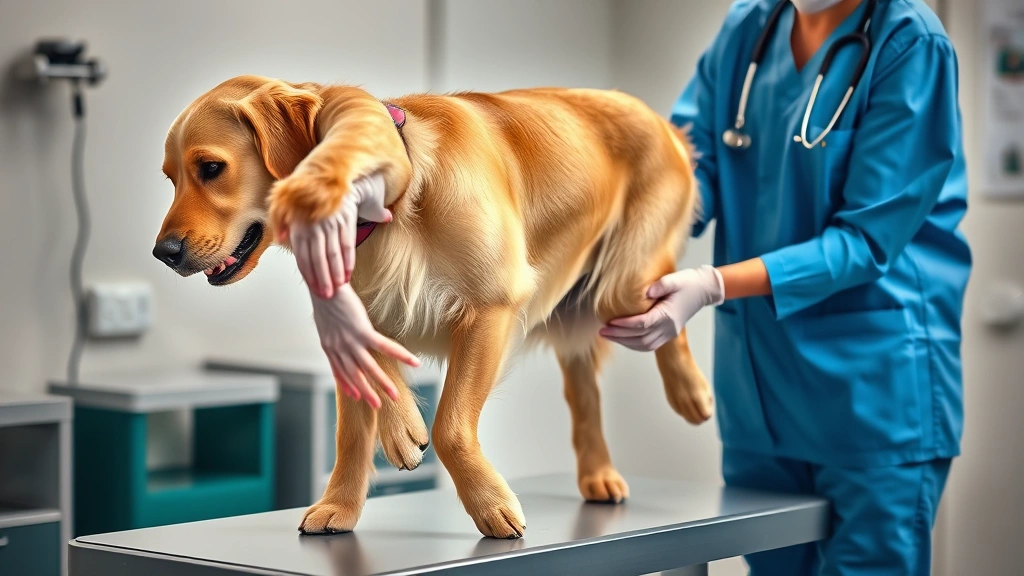
So your dog’s limping around like they just lost a bet with a squirrel, and you’re wondering how to treat a limping dog at home without dropping a small fortune at the vet. Good news: not every limp requires emergency intervention, and there are genuinely effective home remedies you can start today. Bad news: sometimes you do need professional help, and we’ll talk about that too.
Table of Contents
- Step 1: Identify the Cause of Your Dog’s Limp
- Step 2: Rest and Restrict Activity (The Boring But Essential Part)
- Step 3: Apply Cold or Heat Therapy
- Step 4: Support Joint Health With Proper Nutrition
- Step 5: Monitor Progress and Know When to Call the Vet
- Additional Home Care Strategies for Limping Dogs
- Supplements Worth Considering
- When Home Treatment Isn’t Enough
- Prevention: The Best Medicine
- Summary: Your Action Plan
- Frequently Asked Questions
Step 1: Identify the Cause of Your Dog’s Limp
Before you start playing doggy doctor, figure out what’s actually wrong. Is your pup favoring one leg? Holding it up completely? Walking like they’ve been marinating in concrete? The type of limp tells you a lot.
Minor limps often stem from sprains, strains, or small cuts on the paw pad. Your dog might’ve stepped wrong during zoomies, caught their nail on something, or just had an awkward landing off the couch. Check between the toes, under the paw pads, and around the nail beds for cuts, splinters, or swelling. Sometimes the culprit is as simple as a thorn or a piece of glass lodged in there.
Limping can also indicate muscle soreness from overexertion—especially in younger dogs who think they’re invincible. If your pup just finished an epic hike or a day at the dog park, they might simply be sore like you’d be after hitting the gym too hard.
Step 2: Rest and Restrict Activity (The Boring But Essential Part)
Here’s the unsexy truth: most minor limps heal with rest. And we’re not talking about letting your dog nap on the couch while they run laps around the house. Real rest means actually limiting their activity.
Keep your dog confined to a small area—a single room or a pen works great. Skip the walks, skip the park, skip the zoomies. This sucks when your dog has the energy of a golden retriever hopped up on espresso, but it’s genuinely one of the best ways to treat a limping dog at home. Most minor sprains and strains improve within 3-7 days of proper rest.
If your dog insists on being a chaos gremlin, consider crate training them for short periods or using a baby gate to keep them in a confined space. Yes, they’ll give you the saddest eyes you’ve ever seen. Yes, you must resist.
Step 3: Apply Cold or Heat Therapy
Cold therapy works best in the first 24-48 hours after an injury because it reduces inflammation and numbs pain. Wrap an ice pack (or a bag of frozen peas—we don’t judge) in a towel and apply it to the affected area for 10-15 minutes at a time, several times a day. Never apply ice directly to skin; always use a barrier.
After 48 hours, switch to heat therapy if the limp persists. Heat increases blood flow, relaxes muscles, and feels genuinely soothing. A warm (not hot) compress or even a heating pad set on low can work wonders. Apply for 10-15 minutes, a few times daily.
Some dogs tolerate this better than others. If your pup is cool with it, great. If they treat your therapeutic efforts like you’re torturing them, don’t force it. The goal is comfort, not additional stress.
Step 4: Support Joint Health With Proper Nutrition
What your dog eats directly impacts their joints and recovery speed. This is where nutrition becomes your secret weapon for treating a limping dog at home long-term.
Check out anti-inflammatory foods for pets to learn which dietary additions can reduce swelling naturally. Foods rich in omega-3 fatty acids—like fish, flaxseed, and certain meats—actively fight inflammation from the inside out.

Additionally, foods for joint health in pets can accelerate recovery and prevent future limping issues. Glucosamine and chondroitin are your friends here. You can also explore collagen for dogs, which supports cartilage and connective tissue repair.
If your dog’s recovering from an injury, convalescence foods from the kitchen offer nutritious, easy-to-digest options that support healing without commercial supplements.
Step 5: Monitor Progress and Know When to Call the Vet
Track your dog’s improvement daily. Is the limp getting better? Worse? Staying the same? Keep mental notes on their pain level, willingness to bear weight, and overall mood.
Most minor limps improve within 7-10 days of home treatment. If your dog isn’t showing improvement by day 5-7, or if the limp worsens, it’s time to call your veterinarian. Some injuries require professional diagnosis and treatment—fractures, ligament tears, and joint issues won’t heal with rest alone.
Also seek immediate vet care if your dog shows signs of severe pain, refuses to put any weight on the leg, has significant swelling, shows signs of infection (heat, discharge, odor), or if the limp came on suddenly after trauma.
Additional Home Care Strategies for Limping Dogs
Beyond the five main steps, several other approaches support recovery. Massage can increase blood flow and ease muscle tension—use gentle circular motions on the affected area if your dog tolerates it. Some dogs absolutely love this; others treat it like you’re committing a crime against their leg.
Weight management matters too. Extra pounds stress already-compromised joints. If your dog’s carrying extra weight, this might be the perfect time to reassess their diet and activity level with professional guidance. Virtual vet consultation for diet questions can help you optimize their nutrition without a clinic visit.
Environmental modifications help prevent re-injury. Use non-slip rugs on hardwood floors (slipping worsens limps), provide orthopedic dog beds that cushion joints, and install ramps or steps if your dog struggles with stairs.
Supplements Worth Considering
While you’re treating a limping dog at home, supplements can accelerate recovery. Fish oil reduces inflammation naturally. Turmeric (in dog-safe amounts) offers anti-inflammatory benefits. Glucosamine and chondroitin support cartilage repair. MSM helps with joint flexibility.
Always consult your vet before adding supplements, especially if your dog takes medications. Some supplements interact with prescriptions, and dosing matters.
When Home Treatment Isn’t Enough
Let’s be real: sometimes your dog needs professional help, and that’s okay. Limping caused by fractures, torn ligaments, hip dysplasia, arthritis, or joint disease requires veterinary diagnosis and treatment. Physical therapy, medication, or surgery might be necessary.

Your vet can perform X-rays, ultrasounds, and physical exams to identify the exact problem. This information is invaluable for creating an effective treatment plan. Home remedies are fantastic for minor injuries, but they’re not a substitute for professional care when something serious is going on.
Remote pet health monitoring can help you track symptoms and communicate changes to your vet between visits, making it easier to determine if professional intervention is needed.
Prevention: The Best Medicine
The easiest limp to treat is the one that never happens. Warm up your dog before intense exercise, just like you’d warm up before hitting the gym. Maintain a healthy weight. Provide regular, moderate exercise rather than sporadic intense activity. Use dog-safe surfaces for play. Keep your dog’s nails trimmed to prevent awkward gaits.
Regular vet checkups catch joint issues early, when they’re easiest to manage. Senior dogs benefit from joint supplements and modified exercise routines. Proper nutrition throughout your dog’s life supports long-term joint health.
Summary: Your Action Plan
Treating a limping dog at home starts with identifying the cause, then moving through rest, cold/heat therapy, nutritional support, and careful monitoring. Most minor limps improve within a week with these approaches. Always prioritize professional veterinary care if symptoms worsen or don’t improve, or if the limp resulted from significant trauma.
Remember: you know your dog best. If something feels off—if the limp seems severe, if your dog’s in obvious pain, or if you’re just worried—call your vet. That’s what they’re there for. There’s no prize for solving everything at home, and your dog’s health is worth the peace of mind.
Frequently Asked Questions
How long does it take for a dog’s limp to go away?
Minor limps from sprains or muscle soreness typically improve within 3-7 days of rest and proper care. More serious injuries might take weeks to months. If your dog isn’t improving after 7-10 days of home treatment, seek veterinary evaluation.
Can I give my dog pain medication at home?
Never give your dog human pain medication—it can be toxic. Over-the-counter dog pain relievers like aspirin should only be given under veterinary guidance with proper dosing. Your vet can prescribe safe pain management if needed.
Should I exercise my limping dog?
No. Rest is crucial for recovery. Avoid walks, running, and intense play until the limp resolves. Short, controlled bathroom breaks are fine, but active exercise delays healing and risks worsening the injury.
What if my dog limps on and off?
Intermittent limping often indicates mild pain or soreness that worsens with activity and improves with rest. Continue home treatment and monitor closely. If it persists beyond 10 days, get a professional evaluation to rule out underlying issues.
Is limping always a sign of injury?
No. Limping can also indicate arthritis, joint disease, nerve problems, or infections. This is why identifying the cause matters. When in doubt, consult your vet—they can distinguish between minor injuries and serious conditions.





