
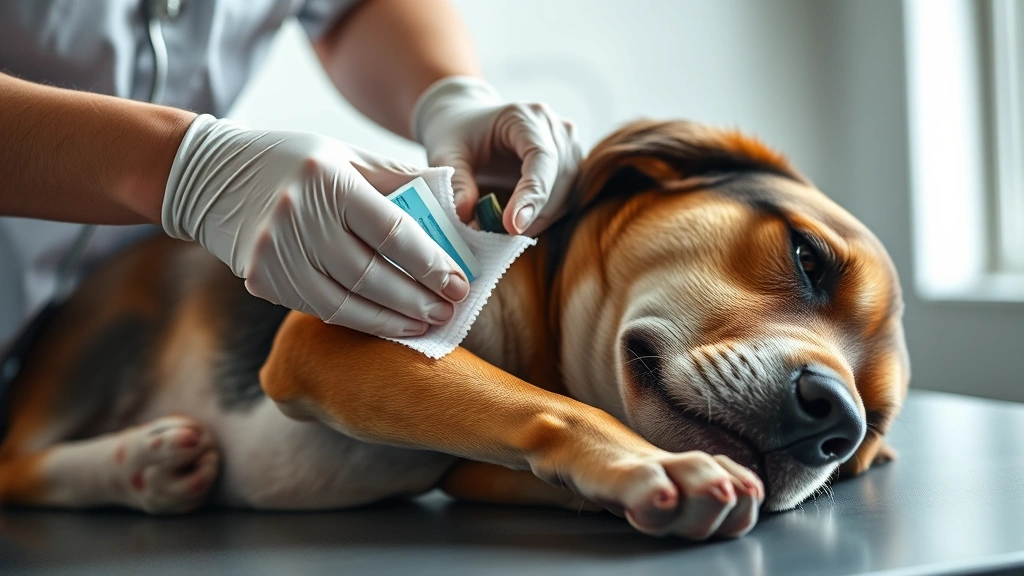
So your pup got into a scuffle with a fence, a thorn bush, or worse—and now you’re staring at an open wound wondering what the heck to do. Don’t panic! How to treat an open wound on a dog is something every dog owner should know, because let’s face it, dogs are basically furry chaos agents who find trouble wherever they go. The good news? Most minor wounds are totally manageable at home with the right approach.
Table of Contents
- Step 1: Stay Calm and Assess the Damage
- Step 2: Stop the Bleeding (Gently, Please)
- Step 3: Clean the Wound Thoroughly
- Step 4: Apply Antiseptic and Protective Ointment
- Step 5: Monitor for Signs of Infection
- When to Skip the DIY Approach and See a Vet
- Special Considerations for Different Wound Types
- Pain Management for Your Wounded Pup
- Preventing Future Wound Disasters
- The Recovery Timeline
- Frequently Asked Questions
- Final Thoughts: You’ve Got This
Step 1: Stay Calm and Assess the Damage
First things first—take a deep breath. Your dog can sense your anxiety, and freaking out won’t help anyone. Before you do anything, examine the wound carefully. Is it bleeding heavily? Can you see muscle or bone? Is your pup acting like they’re in severe pain? These are signs you need to skip the home remedy route and head straight to the vet.
For minor cuts, scrapes, and puncture wounds that aren’t gushing blood like a horror movie, you’re probably good to handle this yourself. The key to treating open wounds on dogs is catching them early and preventing infection.
Step 2: Stop the Bleeding (Gently, Please)
If your dog’s wound is actively bleeding, grab a clean cloth or gauze and apply gentle, direct pressure. Don’t poke at it or keep lifting the cloth to check—that disrupts clotting. Just hold steady pressure for 5-10 minutes. If you’re dealing with a really stubborn bleeder, you can apply a bit of styptic powder (the stuff used for nail trimming accidents), but honestly, most dog wounds stop bleeding on their own pretty quickly.
Once bleeding has slowed, resist the urge to let your pup lick it. Yes, dogs have been licking their own wounds for millennia, but their saliva isn’t actually a miracle cure—it can introduce bacteria and make things worse.
Step 3: Clean the Wound Thoroughly
Now comes the important part. Rinse the wound with cool, clean water or saline solution. You want to flush out any dirt, debris, or bacteria that might be lurking in there. If your dog’s wound is really grimy, you can use a gentle stream from a faucet or spray bottle. Avoid hydrogen peroxide or alcohol—these can actually damage healthy tissue and slow healing.
For stubborn debris, use a soft cloth or sterile gauze to gently wipe the area. If your pup is being dramatic about this (and let’s be honest, they probably will be), you can give them a treat or have someone hold them steady. This is where patience pays off.
Step 4: Apply Antiseptic and Protective Ointment
Once the wound is clean and dry, apply a dog-safe antiseptic ointment. Neosporin is generally fine for dogs, but check with your vet first if your pup has sensitive skin. You can also use chlorhexidine solution, which is vet-approved and excellent for dog wound care. Avoid anything with numbing agents like benzocaine, as dogs might lick it off and ingest it.
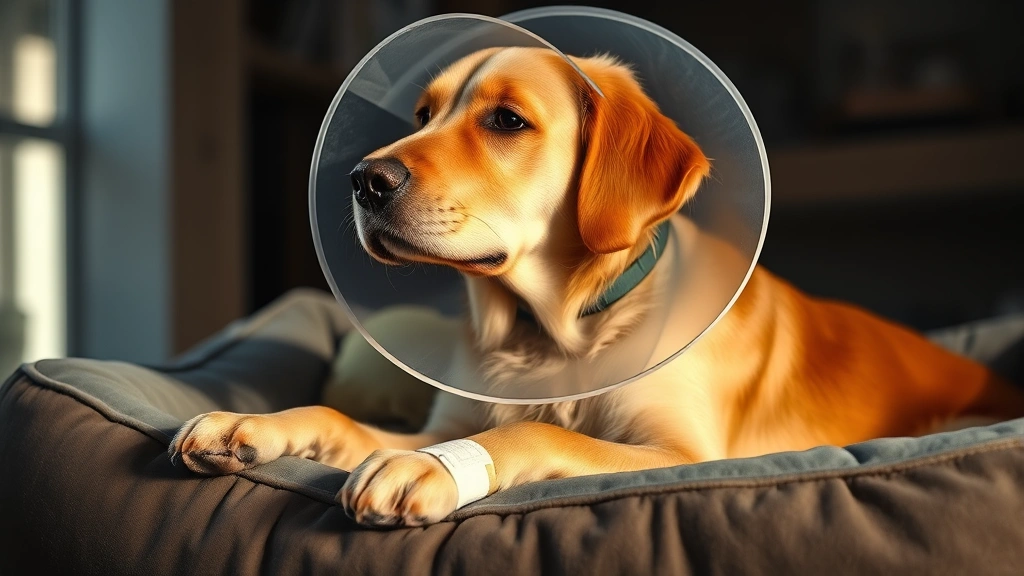
Apply a thin layer and consider covering the wound with a bandage if it’s in a location where your dog can reach it with their tongue. A clean bandage prevents contamination and keeps your pup from turning their wound into a full-time licking project. If your dog is prone to obsessive licking, you might need to consider an Elizabethan collar (the cone of shame) for a few days.
Step 5: Monitor for Signs of Infection
This is the crucial follow-up step that determines whether you nailed it or need professional help. Check the wound daily for signs of infection: increased redness, swelling, discharge (especially pus), a foul smell, or warmth around the area. If you notice any of these, it’s time to call your vet.
Also watch your dog’s behavior. Are they limping worse? Running a fever? Acting lethargic or refusing food? These could indicate a serious infection that needs antibiotics. If you’re ever unsure, it’s better to get your vet’s opinion than risk complications. Speaking of which, you might want to discuss whether your dog needs antibiotics—sometimes Clavacillin for dogs or another antibiotic is warranted even for seemingly minor wounds.
When to Skip the DIY Approach and See a Vet
Let’s be real: some wounds need professional attention. Head straight to the vet (or emergency clinic if it’s after hours) if the wound is:
- Deep or gaping open
- Bleeding heavily and won’t stop after 15 minutes of pressure
- Caused by a bite (animal or human)
- Contaminated with something nasty (rusty metal, dirty objects, etc.)
- Located on the face, eye, or genitals
- Showing signs of infection
- Making your dog unable to move or causing severe pain
Vets can properly suture wounds, prescribe antibiotics, and check for underlying damage you might miss. It’s not worth risking complications for the sake of a vet bill.
Special Considerations for Different Wound Types
Not all wounds are created equal. Puncture wounds, for instance, are trickier because they close up quickly on the outside while bacteria party it up inside. These almost always need vet attention. Bite wounds? Same deal—they’re contamination nightmares and often require antibiotics and possibly a tetanus consideration (for you, not your dog).
Abrasions and scrapes are the easiest to handle at home. Just clean them well, keep them dry, and watch for infection. If your dog got into a tussle and has multiple wounds, that’s also a sign to get professional evaluation.
Pain Management for Your Wounded Pup
Your dog is probably uncomfortable, so consider pain management. Never give your pup over-the-counter pain meds without vet approval—can you give a dog ibuprofen is a question with a nuanced answer, and the short version is usually “no.” Your vet can prescribe appropriate pain relief if needed.
In the meantime, keep your dog calm and rested. Limit activity and playtime while the wound heals. A calm dog is a healing dog.
Preventing Future Wound Disasters
Once you’ve dealt with this wound, think about prevention. Keep your dog’s nails trimmed to reduce self-inflicted scratches. Check their play areas for hazards like sharp sticks, broken glass, or rough fencing. Regular grooming helps you spot skin issues before they become wounds. And if your dog is prone to getting into fights or rough play, supervision and training might prevent future incidents.
The Recovery Timeline
Minor wounds typically show improvement within 3-5 days. The wound should start closing up, swelling should decrease, and your dog should seem more comfortable. Full healing takes longer—usually 2-3 weeks depending on the wound’s size and depth. During this time, keep the area clean and protected. If you’re not seeing improvement after a week, or if things are getting worse, that’s your cue to call the vet.
Frequently Asked Questions
Can I use human antiseptic on my dog’s wound?
Some human products are fine (like Neosporin), but others aren’t. Avoid anything with numbing agents, salicylic acid, or anything you wouldn’t want your dog to ingest. When in doubt, ask your vet or stick to products labeled as safe for dogs.
How often should I change the bandage?
Change bandages daily or whenever they get wet or dirty. If the wound is draining heavily, you might need to change it twice daily. Once the wound starts closing up and isn’t draining much, you can leave it unbandaged (if your dog won’t lick it) to let it air out.
Is it normal for a dog wound to have some discharge?
A little clear or slightly yellowish discharge is normal as the body cleans the wound. But if it’s thick, green, or foul-smelling pus, that’s infection and you need a vet. Trust your nose on this one.
How do I stop my dog from licking their wound?
The cone of shame (Elizabethan collar) is your friend here. Alternatively, keep the wound bandaged, use a dog sweater or shirt to cover it, or apply bitter-tasting deterrents. Constant licking turns a minor wound into a major problem, so don’t skip this step.
When should I worry about tetanus?
Dogs are naturally resistant to tetanus, so it’s not the concern it is for humans. However, if the wound was caused by something rusty or particularly dirty, mention it to your vet. They might recommend antibiotics as a precaution.
Can I use essential oils or home remedies on my dog’s wound?
Most essential oils are toxic to dogs, so skip that. Honey and other “natural” remedies might seem appealing, but they’re not proven and could introduce bacteria. Stick to vet-approved products. If you’re concerned about your dog ingesting something toxic, check out the Pet Poison Hotline for guidance.
Final Thoughts: You’ve Got This
Treating an open wound on your dog doesn’t have to be scary. With these five essential steps—assessing the damage, stopping the bleeding, cleaning thoroughly, applying protective ointment, and monitoring for infection—you can handle most minor wounds like a pro. The key is staying calm, keeping things clean, and knowing when to call in the professionals.
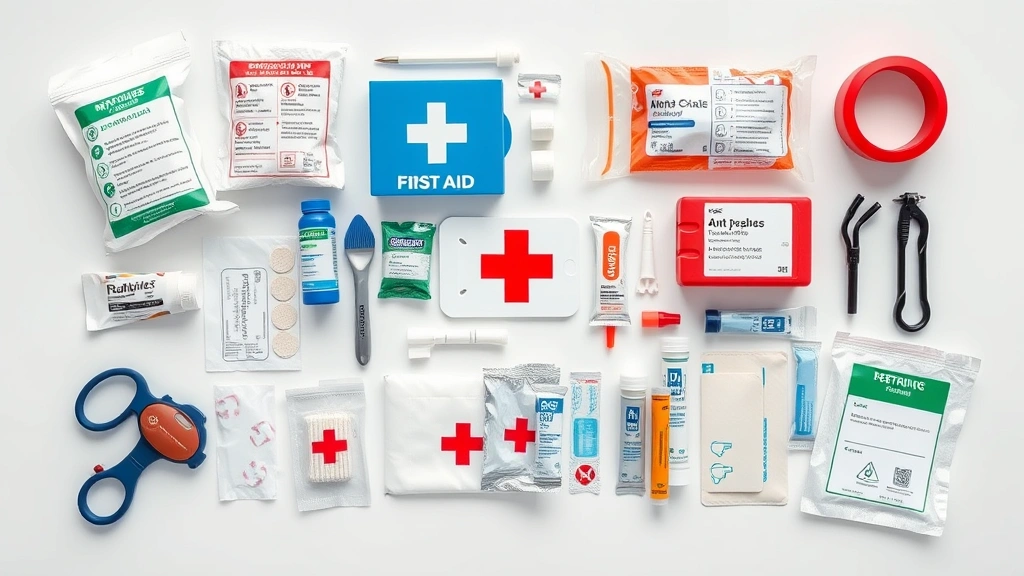
Remember, your vet is always just a phone call away if you’re unsure about anything. It’s better to ask a “dumb” question than let a wound get infected. Your pup depends on you to keep them healthy, and clearly they’re not great at keeping themselves out of trouble. So stock your pet first aid kit, bookmark your vet’s number, and give your chaotic furball an extra treat for being such an excellent source of learning opportunities.





