

How to Manage Dog Anemia at Home: A Simple Guide
If your furry best friend has been looking a bit under the weather lately—seeming more tired than usual, with pale gums and less enthusiasm for playtime—they might be dealing with anemia. While this condition might sound alarming, the good news is that with proper home management and veterinary guidance, you can help your pup feel like themselves again. Anemia in dogs is essentially a reduction in red blood cells or hemoglobin, which means less oxygen is being delivered throughout their body. It’s not a death sentence, but it definitely requires attention and care.
Managing dog anemia at home doesn’t mean you’re replacing professional veterinary care—it means you’re working alongside your vet to support your dog’s recovery and overall wellbeing. Think of it as being your dog’s personal wellness coach, making sure they’re getting the right nutrition, rest, and monitoring. In this comprehensive guide, we’ll walk you through everything you need to know about supporting your anemic pup, from dietary adjustments to recognizing when it’s time to call the vet.
The journey to helping your dog bounce back from anemia is absolutely manageable, and countless pet parents have successfully navigated this path. Let’s dive into the practical strategies that can make a real difference in your dog’s health and happiness.
Understanding Canine Anemia
Before you can effectively manage anemia at home, it’s important to understand what’s actually happening in your dog’s body. Anemia occurs when there aren’t enough healthy red blood cells circulating through your pup’s bloodstream. These red blood cells are crucial because they carry oxygen to every cell in your dog’s body. When their numbers drop, your dog’s organs and tissues don’t get the oxygen they need to function optimally, which is why you’ll notice behavioral and physical changes.
There are several different types of anemia that can affect dogs. Some are caused by blood loss from injuries or internal bleeding, while others result from the body not producing enough red blood cells. Some dogs develop hemolytic anemia, where the immune system mistakenly attacks and destroys red blood cells. Others might have anemia due to chronic kidney disease, parasites, or nutritional deficiencies. The underlying cause really matters because it determines how you’ll approach treatment and home management.
According to the American Kennel Club, certain dog breeds are more predisposed to anemia than others, particularly those with genetic conditions. However, any dog can develop anemia at any age, regardless of breed. This is why understanding the condition is so valuable—it helps you catch problems early and take proactive steps to support your dog’s health.
Recognizing the Signs and Symptoms
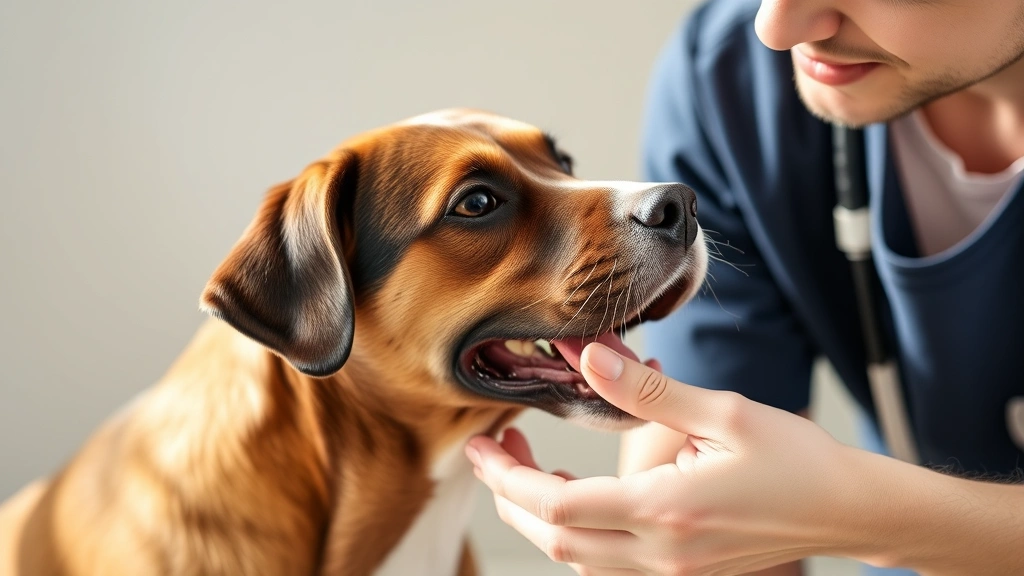
Your dog can’t tell you in words that something’s wrong, but they’ll definitely show you through their behavior and appearance. One of the most telltale signs of anemia is pale or whitish gums. If you gently lift your dog’s lip and look at their gums, they should be a nice pink color. Pale gums are a classic indicator that your pup isn’t getting enough oxygen circulating through their body.
Beyond gum color, watch for these common symptoms of anemia in dogs:
- Lethargy and weakness: Your normally energetic pup might seem unusually tired or reluctant to exercise
- Shortness of breath: Heavy panting or difficulty breathing, especially during normal activities
- Rapid heartbeat: You might notice your dog’s heart racing, particularly when resting
- Loss of appetite: Decreased interest in food or treats they normally love
- Pale or white mucous membranes: Check inside the ears and under the eyelids too
- Jaundice: A yellowish tint to the skin, gums, or whites of the eyes (indicates hemolytic anemia)
- Cold extremities: Ears, paws, or nose feeling unusually cold
If you notice signs your dog has a fever combined with other anemia symptoms, this could indicate an infection contributing to the condition. It’s important to note that anemia symptoms can develop gradually or appear suddenly, depending on the underlying cause.
Nutritional Support and Diet Modifications
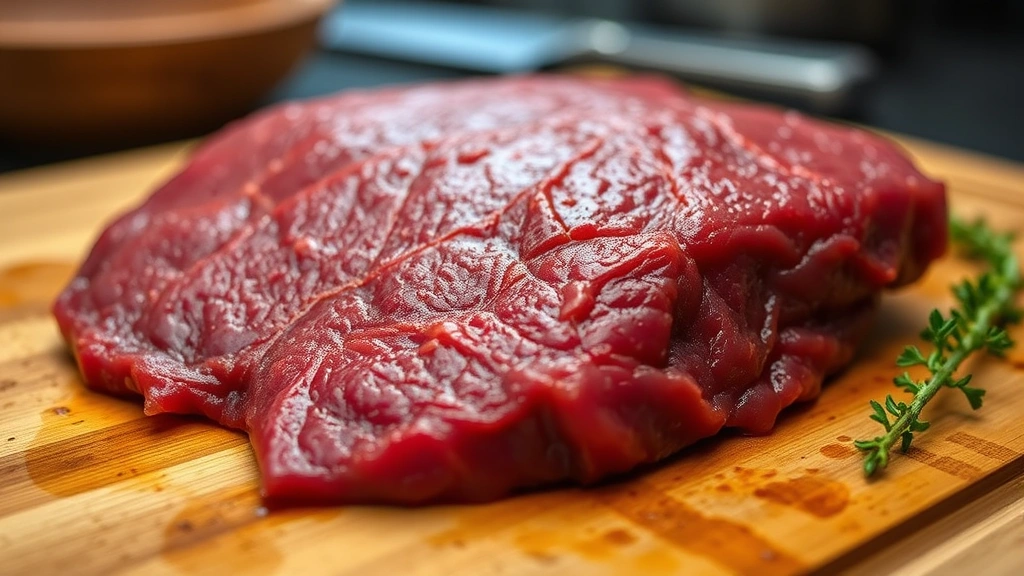
One of the most powerful tools in your home management arsenal is proper nutrition. The food you feed your anemic dog plays a crucial role in helping their body produce new red blood cells and recover from this condition. Iron is absolutely essential, as it’s a key component of hemoglobin. B vitamins, particularly B12 and folate, are also critical for red blood cell production.
If your vet has given the green light, consider incorporating iron-rich foods into your dog’s diet. Beef liver is an excellent source of iron and B vitamins, making it a nutritional powerhouse for anemic dogs. Many vets recommend adding small amounts of cooked beef liver to your dog’s regular meals—just a few ounces a few times per week can make a difference. Chicken liver also offers similar nutritional benefits and is often more readily available.
Other iron-rich foods that are safe for dogs include:
- Lean red meat (beef, lamb)
- Poultry (chicken, turkey)
- Sardines and other fish rich in omega-3 fatty acids
- Eggs (cooked)
- Fortified dog foods specifically designed for anemia support
- Sweet potatoes and pumpkin (also provide fiber and nutrients)
Always cook meat thoroughly before giving it to your dog to eliminate any potential pathogens. Raw or undercooked meat can introduce bacteria that might worsen your dog’s condition. Additionally, make sure any additions to your dog’s diet are introduced gradually to avoid digestive upset. Start with small portions and monitor how your pup responds.
Your veterinarian might recommend a prescription diet specifically formulated for anemic dogs, or they might suggest high-quality commercial dog foods that are fortified with iron and essential B vitamins. Don’t hesitate to ask your vet for specific brand recommendations. The ASPCA emphasizes the importance of balanced nutrition in managing chronic health conditions in dogs.
Essential Home Care Strategies
Beyond nutrition, there are several practical steps you can take at home to support your anemic dog’s recovery. Rest is absolutely crucial—anemia means your dog’s body is working harder to distribute oxygen, so they need more downtime than usual. Create a comfortable, quiet space where your pup can rest without interruption. Limit strenuous exercise and playtime, even if your dog seems to want more activity. Your job is to protect them from overexertion during this recovery period.
Keep your home at a comfortable temperature. Anemic dogs can be more sensitive to cold, so make sure your pup has access to warm bedding and stays out of drafty areas. If your dog seems chilled, a cozy blanket or sweater can help them maintain body temperature without requiring their body to expend extra energy.
Stress management is another overlooked but important aspect of home care. Stress can exacerbate anemia and slow recovery. Maintain a calm household environment, keep routines consistent, and avoid sudden changes that might upset your pup. Gentle, low-impact activities like short, leisurely walks are fine and can even be beneficial, but avoid high-energy play or competitive situations.
If your dog is experiencing digestive issues alongside anemia, you might need to adjust their food. Knowing what to feed a dog with diarrhea becomes important if gastrointestinal symptoms are present, as these can contribute to nutrient absorption problems and worsen anemia. Similarly, remedies for dog diarrhea should be discussed with your vet in the context of managing overall anemia recovery.
Hydration is also critical. Make sure fresh water is always available and easily accessible. Some dogs with anemia may not drink enough on their own, so you might need to encourage water intake throughout the day. If your dog refuses to drink, mention this to your vet—it could indicate a more serious issue.
Parasite prevention is essential too. Fleas, ticks, and intestinal parasites can all contribute to blood loss and anemia. Make sure your dog is on appropriate parasite prevention recommended by your veterinarian. If your dog had parasites that contributed to their anemia, addressing this issue is paramount to preventing relapse.
Monitoring Your Dog’s Progress
Consistent monitoring helps you track your dog’s recovery and catch any complications early. Keep a simple log of your observations: how your dog’s energy levels are, the color of their gums, appetite changes, and any other symptoms you notice. This information is invaluable for your vet and helps establish whether the home management strategies are working.
Check your dog’s gums regularly—at least once daily. Gently lift the lip and look for color improvement. As your dog recovers, the gums should gradually return to a healthier pink color. This visual indicator is one of the easiest ways to track progress at home.
Monitor your dog’s appetite and eating habits. If your pup is eating well and maintaining or gaining weight, that’s a positive sign. Conversely, if they’re showing decreased appetite or weight loss, this needs to be reported to your vet immediately.
Keep track of your dog’s activity level and behavior. Are they more playful? Do they have more energy? Are they sleeping excessively? These behavioral changes can indicate whether your dog is improving or if adjustments to the home care plan are needed.
Your veterinarian will likely want to recheck your dog’s blood work periodically to measure red blood cell counts and hemoglobin levels. These tests are the definitive way to determine if the anemia is improving. Don’t skip these follow-up appointments—they’re crucial for ensuring your home management strategies are effective.
When to Contact Your Veterinarian
While home management is valuable, there are situations where you need professional veterinary intervention immediately. Contact your vet right away if you notice:
- Severe lethargy or collapse: If your dog is unable to stand or seems unconscious, this is an emergency
- Difficulty breathing or severe panting: This could indicate the anemia is worsening
- Vomiting or severe diarrhea: These symptoms can indicate complications or a different underlying issue
- Jaundice: A yellowish tint to the skin or mucous membranes needs immediate evaluation
- Pale or white gums that don’t improve: This suggests the anemia isn’t responding to treatment
- Loss of consciousness or seizures: These are emergency situations requiring immediate attention
- Blood in stool or vomit: This indicates active bleeding that needs urgent care
Additionally, if you notice no improvement after two to three weeks of home management, or if your dog seems to be getting worse, schedule a vet appointment. Your current treatment plan might need adjustment. Remember, home management is a complement to veterinary care, not a replacement for it. Your vet should be your partner in your dog’s recovery journey.
The University of Wisconsin School of Veterinary Medicine provides excellent resources on recognizing when home care isn’t enough and professional intervention is necessary. Trust your instincts—if something feels off about your dog’s condition, it’s always better to err on the side of caution and contact your vet.
Frequently Asked Questions
How long does it take for anemia to resolve in dogs?
Recovery time varies significantly depending on the underlying cause of anemia and how quickly treatment begins. Some dogs show improvement within a few weeks, while others might need several months of consistent management. Nutritional anemia might resolve faster than hemolytic anemia or anemia caused by chronic kidney disease. Your vet can give you a more specific timeline based on your dog’s specific situation.
Can anemia in dogs be cured at home completely?
It depends on the underlying cause. Nutritional anemia or mild anemia from parasites can often be managed and resolved at home with proper diet and care. However, anemia caused by serious conditions like bone marrow disease, chronic kidney disease, or autoimmune hemolytic anemia typically requires ongoing veterinary treatment alongside home management. Home care is essential for supporting recovery, but it’s not always a complete cure on its own.
Is special dog food necessary for anemic dogs?
Not necessarily, but it can be helpful. High-quality dog foods that are iron-fortified and contain adequate B vitamins can support recovery. Some vets recommend prescription diets specifically formulated for dogs with anemia. However, regular quality dog food supplemented with iron-rich foods like liver can also be effective. Discuss options with your vet to find the best approach for your dog.
Can supplements help my anemic dog?
Some supplements can be beneficial, particularly iron supplements and B vitamin supplements. However, never give your dog supplements without veterinary approval. Some dogs might not need supplements if dietary changes are sufficient, and giving unnecessary supplements could cause problems. Your vet might recommend specific supplements based on your dog’s blood work and condition.
What should I avoid feeding my anemic dog?
Avoid foods that can interfere with iron absorption or worsen anemia. These include foods high in calcium or phosphorus (which can inhibit iron absorption), fatty foods that might upset the digestive system, and any foods your dog has shown sensitivity to. Also avoid onions, garlic, and chocolate, which are toxic to dogs. Stick to gentle, nutrient-dense foods that are easy to digest.
Is exercise bad for anemic dogs?
Strenuous exercise is definitely not recommended for anemic dogs, as it requires increased oxygen distribution throughout the body. However, gentle, low-impact activity like short walks can be beneficial for maintaining muscle tone and mental health. The key is moderation—keep exercise light and stop immediately if your dog seems tired or short of breath. Your vet can advise on appropriate activity levels for your specific dog.
Can anemia recur in dogs after recovery?
Yes, anemia can recur if the underlying cause isn’t fully addressed or if new problems develop. This is why ongoing parasite prevention, regular vet check-ups, and maintaining good nutrition are important. If your dog has recovered from anemia, continue monitoring their health and follow your vet’s recommendations for preventing future episodes.





