
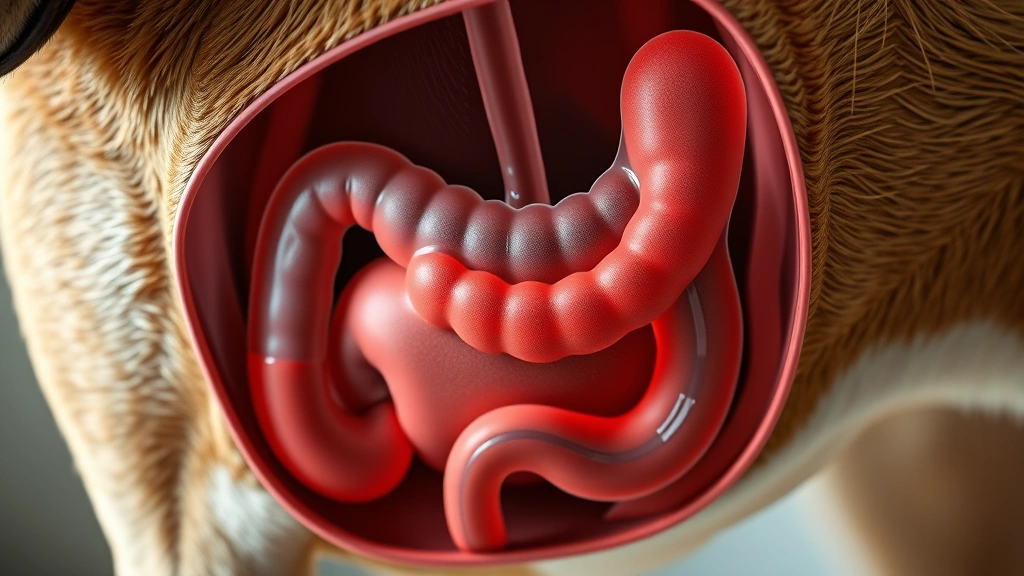
If your dog is dealing with colitis, you’re probably seeing some unpleasant bathroom situations and wondering how to treat colitis in dogs without losing your mind (or your carpet). Colitis is inflammation of the colon, and it’s more common than you’d think—especially in dogs with sensitive tummies or those who’ve decided that eating mysterious things off the ground is their life’s mission.
Table of Contents
- What Exactly is Colitis in Dogs?
- Method 1: Dietary Changes and Feeding Strategies
- Method 2: Probiotics and Gut Health Supplements
- Method 3: Medication and Veterinary Treatment
- Method 4: Stress Reduction and Environmental Management
- Method 5: Hydration and Electrolyte Balance
- Identifying Colitis Triggers in Your Dog
- The Role of Fiber in Colitis Management
- When to Worry: Signs You Need Emergency Care
- Long-Term Management and Prevention
- Frequently Asked Questions
- Summary: Your Action Plan for Treating Colitis
What Exactly is Colitis in Dogs?
Before we jump into solutions, let’s talk about what we’re actually dealing with. Colitis is inflammation of the large intestine (colon), and it’s your dog’s way of saying something isn’t right in their digestive system. You’ll notice symptoms like diarrhea (sometimes with blood or mucus—fun times), straining during bathroom breaks, and your pup seeming generally uncomfortable. Some dogs get acute colitis that shows up suddenly, while others develop chronic colitis that sticks around like an unwanted houseguest.
Method 1: Dietary Changes and Feeding Strategies
The first line of defense in treating colitis involves what goes into your dog’s mouth. According to the American Feed Control Officials, proper nutrition is foundational to digestive health. Start by switching to a limited ingredient diet or a prescription digestive care formula that your vet recommends. These diets are designed to be gentler on inflamed colons.
Consider adding high-fiber human foods for pets to their diet, but do this gradually. Fiber helps regulate bowel movements and feeds beneficial gut bacteria. Pumpkin puree (plain, not pie filling) is a classic choice that works wonders for many dogs. You can also explore vet-approved human foods for pets to add variety while keeping their digestion in check.
Feed smaller, more frequent meals instead of one or two large ones. This reduces the workload on their inflamed colon and can significantly improve symptoms. Most vets recommend three to four meals daily during active colitis flare-ups.
Method 2: Probiotics and Gut Health Supplements
Your dog’s gut is basically a tiny ecosystem, and when colitis strikes, the good bacteria take a hit. Probiotics are live beneficial bacteria that help restore balance. Look for dog-specific probiotic supplements containing strains like Lactobacillus and Bifidobacterium. These aren’t just feel-good supplements—research from veterinary gastroenterologists shows they genuinely help reduce inflammation and improve stool quality.
Beyond probiotics, consider digestive enzymes and prebiotics (which feed the good bacteria). Some dogs also benefit from bone broth, which contains collagen and amino acids that support intestinal lining health. Just make sure any supplements you choose are vet-approved and formulated specifically for dogs.
Method 3: Medication and Veterinary Treatment
Sometimes diet and supplements aren’t enough, and that’s when your vet might prescribe medications. Anti-inflammatory drugs like sulfasalazine or mesalamine are commonly used for colitis in dogs. These medications reduce inflammation directly in the colon and can provide relief during acute flare-ups.
Your vet might also recommend antibiotics if there’s evidence of bacterial overgrowth contributing to the colitis. Don’t skip the vet visit thinking you can handle this solo—proper diagnosis is crucial because colitis symptoms can overlap with other serious conditions. The PetMD veterinary database emphasizes that professional evaluation helps rule out parasites, infections, and other underlying issues.
Method 4: Stress Reduction and Environmental Management
Here’s something people often overlook: stress makes colitis worse. Dogs with anxiety or those in stressful environments frequently experience digestive flare-ups. If your dog is dealing with colitis, look at their lifestyle. Are they anxious? Are there major changes happening at home? Is their routine chaotic?

Create a calm environment with a consistent routine. Exercise helps too, but keep it moderate—intense activity on a sensitive stomach isn’t ideal. Some dogs benefit from anxiety supplements like L-theanine or CBD (where legal and vet-approved). Basically, treat your dog like they’re recovering from surgery for a bit, because their gut is genuinely inflamed.
Method 5: Hydration and Electrolyte Balance
Diarrhea causes dehydration and electrolyte loss, which can make colitis worse. Ensure your dog has constant access to fresh water. Some dogs drink better from running water (like a fountain) or from different bowls, so experiment.
If your dog is experiencing severe diarrhea, ask your vet about electrolyte supplements designed for dogs. Bone broth (unsalted) is excellent because it provides both hydration and nutrients. In severe cases, your vet might recommend IV fluids during a clinic visit to restore electrolyte balance quickly.
Identifying Colitis Triggers in Your Dog
Every dog is different, and what triggers one dog’s colitis might not affect another. Common culprits include sudden diet changes, table scraps, certain proteins, wheat, corn, or soy. Keep a food diary and note when symptoms flare up. You might discover that your dog can’t handle chicken but does fine with fish, or that dairy products send them running to the bathroom.
Some dogs develop colitis from eating contaminated food or getting into the trash. This is where pet food safety becomes critical. Store food properly, keep garbage secured, and supervise outdoor time to prevent your pup from snacking on questionable items.
The Role of Fiber in Colitis Management
Fiber is basically the MVPs of colitis treatment. It normalizes stool consistency, feeds beneficial bacteria, and reduces inflammation. However, not all fiber is created equal. Soluble fiber (like that in sweet potato and oatmeal) is gentler during acute flare-ups, while insoluble fiber (like that in brown rice) is better for maintenance.
When adding fiber, do it slowly over 7-10 days to avoid making things worse. Your vet can recommend the right type and amount for your specific dog. For detailed pet nutrition advice, consult with a veterinary nutritionist if your dog isn’t responding to standard treatments.
When to Worry: Signs You Need Emergency Care
Most colitis cases are manageable at home with dietary changes and supplements, but some situations require immediate vet attention. If your dog shows signs of severe dehydration (sunken eyes, dry gums, lethargy), bloody diarrhea that won’t stop, signs of pain, or fever, get them to the vet immediately. Colitis can sometimes indicate something more serious like inflammatory bowel disease or cancer, so persistent symptoms warrant investigation.
Long-Term Management and Prevention
Once you’ve got your dog’s colitis under control, the goal is keeping it that way. Stick with the diet that works, continue probiotics, and maintain a consistent routine. Some dogs need lifelong dietary management, while others have occasional flare-ups triggered by specific events.

Prevention is easier than treatment, so avoid sudden diet changes, keep your dog away from garbage and questionable foods, and manage stress. Regular vet check-ups help catch problems early. If your dog has chronic colitis, your vet might recommend periodic check-ins or bloodwork to monitor their overall health.
Frequently Asked Questions
How long does it take to treat colitis in dogs?
Most acute colitis cases improve within 3-7 days with dietary changes and medication. Chronic colitis might take several weeks to stabilize and often requires ongoing management. Every dog is different, so patience is key.
Can colitis in dogs be cured permanently?
Acute colitis can be cured, but chronic colitis usually requires long-term management rather than a permanent cure. Many dogs live normal, happy lives with the right diet and care plan.
Is colitis in dogs contagious?
Colitis itself isn’t contagious, but if it’s caused by a bacterial or parasitic infection, those pathogens might spread. This is why isolating your dog’s food and water bowls during flare-ups is a good idea.
What’s the best food for a dog with colitis?
Prescription digestive care diets are typically best, but limited ingredient diets with novel proteins (like duck or venison) work well for many dogs. Some dogs do great on homemade diets prepared with vet guidance. The key is finding what your individual dog tolerates.
Should I use over-the-counter medications for my dog’s colitis?
Avoid OTC medications without vet approval. Some human medications can harm dogs, and even dog-specific products might not be appropriate for your dog’s specific situation. Always consult your vet first.
Can stress cause colitis in dogs?
Yes, stress is a significant trigger for colitis in many dogs. Anxiety, changes in routine, or environmental stressors can cause flare-ups in susceptible dogs. Managing stress is part of the treatment plan.
Summary: Your Action Plan for Treating Colitis
Treating colitis in dogs doesn’t have to be complicated. Start with a vet visit to rule out serious conditions, then implement dietary changes and add probiotics. Use medication if needed, manage stress, and keep your dog well-hydrated. Most importantly, be patient—your dog’s gut needs time to heal. Keep detailed notes about what works and what doesn’t, because you’re basically becoming a detective in your dog’s digestive health. With the right approach, most dogs bounce back and return to their happy, healthy selves. Remember, you’ve got this, and your pup is lucky to have someone willing to figure out their tummy troubles.





