
If your furry friend looks like they’ve been playing in a snowstorm indoors, it’s time to talk about how to treat dandruff in dogs naturally. That flaky, itchy mess isn’t just unsightly—it’s uncomfortable for your pup and can signal underlying skin health issues. The good news? You don’t need expensive medications or harsh chemicals to help your dog feel better. Natural remedies can work wonders, and we’re breaking down five proven methods that’ll have your dog’s coat looking glossy again.
Table of Contents
- Understanding Canine Dandruff: What’s Really Going On
- Method 1: Omega-3 Fatty Acids—The Skin Game Changer
- Method 2: Apple Cider Vinegar Rinses—Nature’s Skin Tonic
- Method 3: Coconut Oil—Hydration and Healing
- Method 4: Proper Nutrition and Antioxidant-Rich Foods
- Method 5: Humidity Control and Environmental Adjustments
- Herbal Remedies Worth Trying
- Identifying When Natural Remedies Aren’t Enough
- Creating Your Natural Dandruff Treatment Plan
- Prevention: Keeping Dandruff From Coming Back
- Frequently Asked Questions
- Conclusion: Your Dog’s Path to Healthy Skin
Understanding Canine Dandruff: What’s Really Going On
Before we jump into solutions, let’s understand what we’re dealing with. Dandruff in dogs (also called seborrhea) happens when the skin cells turn over too quickly or the skin becomes dry and irritated. Unlike human dandruff, dog dandruff can stem from allergies, poor nutrition, low humidity, parasites, or even stress. Your vet might call it seborrheic dermatitis in dogs, but basically, it’s your dog’s skin crying for help.
The flakes you see are dead skin cells, and they’re often accompanied by itching, redness, or that distinctive “doggy” smell. Sometimes it’s just dry winter skin, but other times it signals something more serious. That’s why identifying the root cause matters before you start any treatment plan.

Method 1: Omega-3 Fatty Acids—The Skin Game Changer
Let’s start with what might be the MVP of natural dog skin care: omega-3 fatty acids. These powerhouse nutrients reduce inflammation from the inside out, which is exactly what irritated, flaky skin needs.
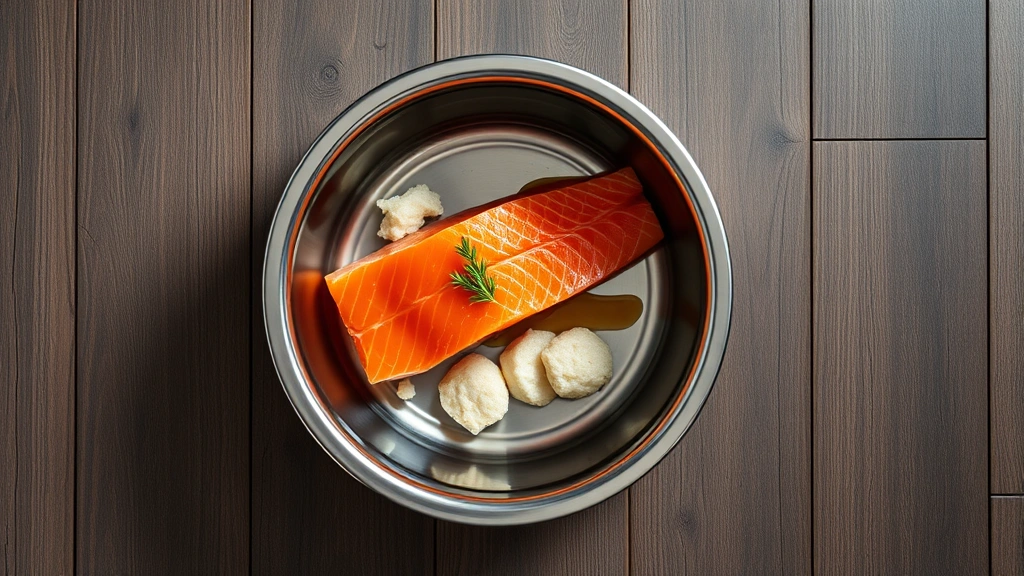
You can boost your dog’s omega-3 intake through fish oil supplements (fish oil for dogs is huge), or better yet, incorporate whole food sources. Salmon, sardines, and mackerel are natural omega-3 superstars. Even adding a tablespoon of ground flaxseed to your dog’s meal a few times weekly can make a noticeable difference within 4-6 weeks.

Pro tip: If your dog’s dandruff is tied to immune system issues in dogs, omega-3s do double duty by supporting both skin and immune health. Check out our guide on immune-boosting foods for pets to create a comprehensive wellness plan.
Method 2: Apple Cider Vinegar Rinses—Nature’s Skin Tonic
Apple cider vinegar (ACV) has been used for centuries, and for good reason. It balances your dog’s skin pH, reduces yeast overgrowth (a common dandruff culprit), and has mild antimicrobial properties.
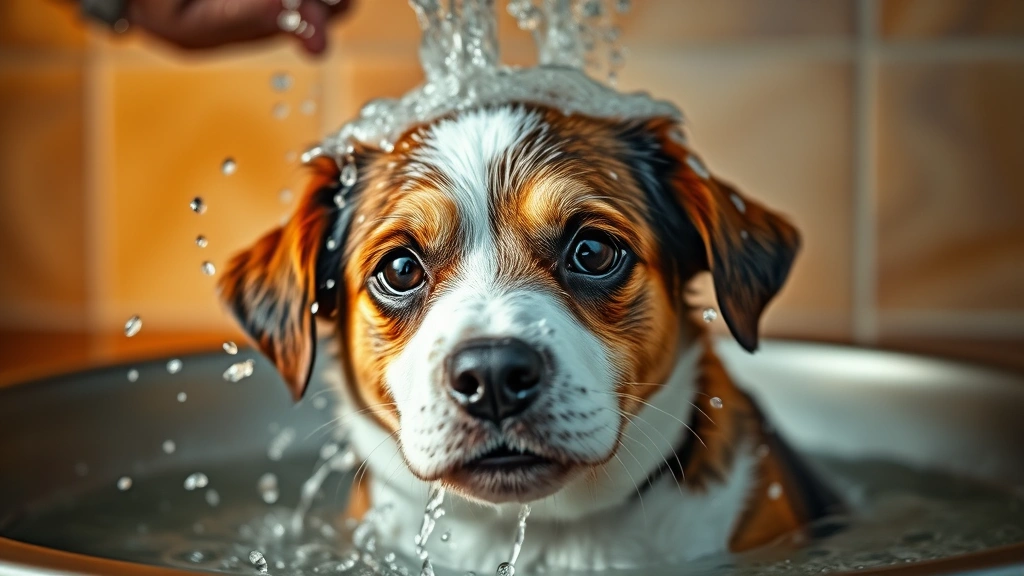
Here’s how to use it safely: Mix one part raw, unfiltered apple cider vinegar with one part water. After shampooing, pour this solution over your dog’s coat and let it sit for 5-10 minutes before rinsing thoroughly. Do this once weekly for 3-4 weeks and watch the flakes diminish.
Important: Never use undiluted ACV directly on your dog’s skin—it’ll irritate rather than help. Also, skip this method if your dog has open wounds or severely irritated skin. If your pup has sensitive skin, this remedy might need a gentler approach.
Method 3: Coconut Oil—Hydration and Healing
Coconut oil is basically nature’s moisturizer and antimicrobial agent rolled into one silky package. It penetrates the skin to reduce dryness and has lauric acid, which fights bacteria and fungus that can worsen dandruff.
Apply coconut oil topically by massaging a small amount directly into affected areas 2-3 times weekly. Start with just a teaspoon for smaller dogs and adjust based on size. You can also add a quarter teaspoon to their food daily (it’s safe and tasty). The key is consistency—results typically show after 2-3 weeks of regular use.
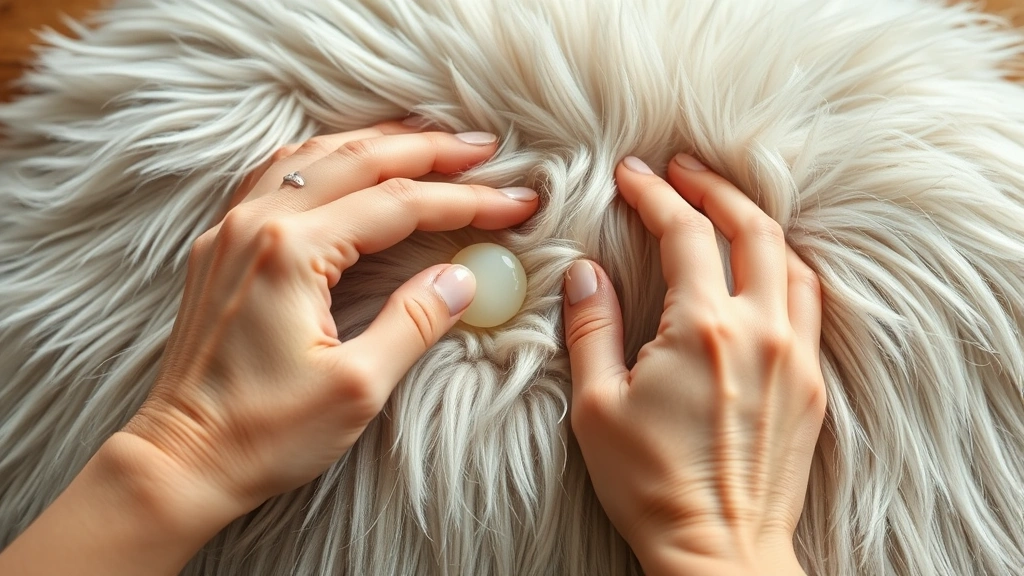
Fair warning: Coconut oil can be greasy, so use it sparingly and maybe schedule applications before your dog’s outdoor time. Some dogs might experience loose stools if they consume too much, so start small and monitor.
Method 4: Proper Nutrition and Antioxidant-Rich Foods
Here’s something most people miss: dandruff is often a symptom of nutritional deficiencies. If your dog isn’t getting enough quality protein, vitamins, or minerals, their skin suffers first.

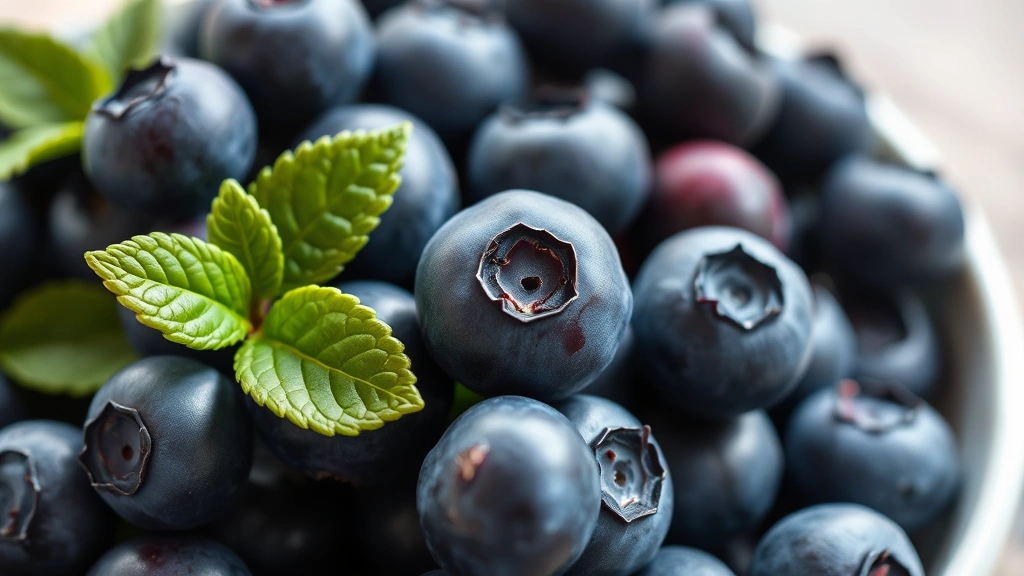
Incorporate antioxidant-rich foods for pets into their diet. Blueberries, sweet potatoes, carrots, and pumpkin are packed with vitamins A, C, and E—all crucial for skin health. These foods reduce inflammation and support cellular repair.
Consider adding superfoods for pets to their meal rotation. Bone broth, eggs, and lean meats provide amino acids and collagen that strengthen skin from within. A dog eating premium, nutrient-dense food will have healthier skin than one living on low-quality kibble.

Method 5: Humidity Control and Environmental Adjustments
Sometimes the simplest solution is the most overlooked: your dog’s environment. Dry air, especially during winter months, is a dandruff machine. Low humidity pulls moisture from your dog’s skin, triggering flaking and itching.
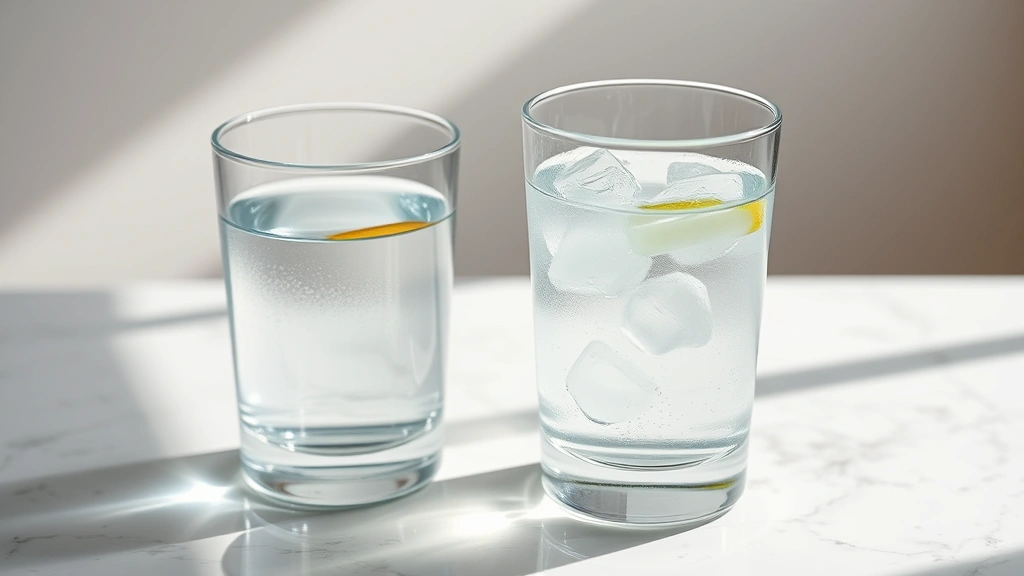
Invest in a humidifier for areas where your dog spends the most time. Keeping humidity between 40-60% makes a surprising difference. Additionally, ensure your dog has consistent access to fresh water—hydration starts from the inside.
Bathe your dog less frequently (every 3-4 weeks instead of weekly) and use lukewarm water rather than hot, which dries skin further. When you do bathe them, use a gentle, moisturizing dog shampoo or oatmeal-based formulas that soothe rather than strip.
Herbal Remedies Worth Trying
Beyond the main five methods, certain herbs have proven skin-soothing properties. Chamomile and calendula teas (cooled) can be used as rinses. Aloe vera gel (pure, not the latex) applied topically reduces inflammation. Some veterinarians recommend spices safe for pets like turmeric (in small amounts) for their anti-inflammatory benefits.
Always research herb safety with your vet before introducing anything new, especially if your dog is on medications or has existing health conditions.
Identifying When Natural Remedies Aren’t Enough
Here’s the reality check: sometimes dandruff signals something beyond dry skin. If your dog has:

- Severe itching that disrupts sleep or causes bleeding from scratching
- Hair loss accompanying the flakes
- Foul odor or greasy coat
- Dandruff that worsens despite natural treatments after 6-8 weeks
- Signs of infection (redness, swelling, discharge)
…it’s time to visit your vet. These symptoms might indicate allergies, yeast infections, parasites, or hormonal imbalances requiring professional treatment. Natural remedies are fantastic for maintenance and mild cases, but they’re not magic bullets for everything.
Creating Your Natural Dandruff Treatment Plan
The best approach combines multiple methods tailored to your dog’s specific situation. Start with nutrition improvements and omega-3 supplementation (the foundation), add environmental adjustments, then layer in topical treatments like coconut oil or ACV rinses.
Track what works. Keep a simple log of which methods you’re using and how your dog’s skin responds. After 4-6 weeks, you’ll have a clear picture of what’s most effective for your individual pup.
Remember: consistency matters more than intensity. Using one method regularly beats rotating through everything haphazardly. Your dog’s skin takes time to heal, so patience is your ally here.
Prevention: Keeping Dandruff From Coming Back
Once you’ve tackled the dandruff, maintenance is key. Continue omega-3 supplementation year-round, keep humidity levels reasonable, maintain a high-quality diet, and schedule regular grooming. A healthy coat starts with a healthy dog, inside and out.
Regular brushing also helps by distributing natural oils and removing dead skin before it accumulates. It’s bonding time with your pup and preventative medicine rolled into one.
Frequently Asked Questions
How long does it take to see results from natural dandruff treatments?
Most dogs show improvement within 3-4 weeks of consistent treatment, though some take up to 8 weeks. Nutritional changes take longer than topical treatments, so patience is essential. If you see no improvement after 8 weeks, consult your vet.
Can I use human dandruff shampoo on my dog?
Absolutely not. Human products have different pH levels and ingredients that can irritate or harm your dog’s skin. Always use dog-specific shampoos formulated for their skin chemistry.
Is dandruff contagious between dogs?
Dandruff itself isn’t contagious, but if it’s caused by parasites or fungal infections, those can spread. Keep your dog’s bedding clean and separate from other pets until you’ve identified the cause.
What’s the difference between dry skin and dandruff?
Dry skin is just uncomfortable flaking, while dandruff (seborrhea) involves excessive skin cell turnover and often comes with oiliness, odor, or inflammation. Both respond to natural treatments, but dandruff might need veterinary attention if severe.
Can diet really affect my dog’s dandruff?
Yes, absolutely. Poor nutrition is a leading cause of skin problems in dogs. A diet lacking quality protein, healthy fats, or essential vitamins will manifest as dull coats and flaky skin. Upgrading nutrition often resolves dandruff without any other intervention.
Conclusion: Your Dog’s Path to Healthy Skin
Learning how to treat dandruff in dogs naturally doesn’t require expensive treatments or harsh chemicals. By combining omega-3 supplementation, environmental adjustments, proper nutrition, and targeted topical treatments like coconut oil or apple cider vinegar, you can address dandruff at its source.
The key is understanding that dandruff is your dog’s way of telling you something needs attention—whether that’s better food, more humidity, or a vet visit. Start with the methods that address the most likely cause, stay consistent, and monitor your results.
Your dog’s skin is their largest organ and a direct reflection of their overall health. By treating dandruff naturally, you’re not just eliminating flakes; you’re investing in your dog’s long-term wellness. Within weeks, you’ll notice a shinier coat, less itching, and a happier, more comfortable companion.





