
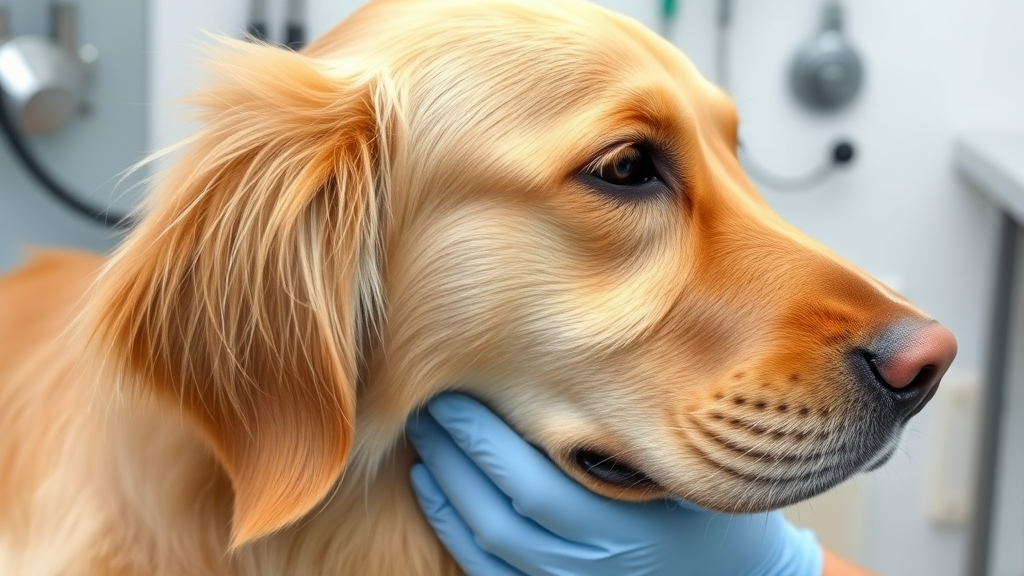
When you notice a soft, fluid-filled swelling on your dog’s ear flap, you’re likely dealing with an ear hematoma. This condition, while not immediately life-threatening, can cause significant discomfort for your furry friend and requires prompt attention. An ear hematoma occurs when blood vessels in the ear cartilage rupture, creating a pocket of blood between the skin and cartilage of the ear flap.
While professional veterinary care is always recommended for proper diagnosis and treatment, there are several home remedies and comfort measures you can implement to help ease your dog’s discomfort while monitoring the condition. Understanding how to treat dog ear hematoma at home can provide valuable relief for your pet, especially when immediate veterinary care isn’t available or as a complementary approach to professional treatment.
Understanding Ear Hematomas in Dogs
An ear hematoma, medically known as aural hematoma, is essentially a blood-filled swelling that develops between the layers of your dog’s ear cartilage. This condition typically results from trauma to the ear, often caused by excessive scratching, head shaking, or physical injury. The constant agitation damages blood vessels within the ear cartilage, causing them to leak blood into the surrounding tissue spaces.
Common causes of ear hematomas include ear infections, allergies, foreign objects in the ear canal, ear mites, and excessive moisture retention. Dogs with floppy ears, such as Basset Hounds, Cocker Spaniels, and Golden Retrievers, are particularly susceptible due to poor air circulation in their ear canals. The American Kennel Club notes that any condition causing intense itching or head shaking can predispose dogs to developing hematomas.
Recognizing the symptoms early is crucial for effective treatment. The most obvious sign is a soft, warm swelling on the ear flap that may feel like a water balloon. The affected ear may appear droopy or heavier than usual, and your dog might tilt their head toward the affected side. Some dogs experience pain when the area is touched, while others may show signs of discomfort through continued scratching or head shaking.
Cold Therapy for Immediate Relief
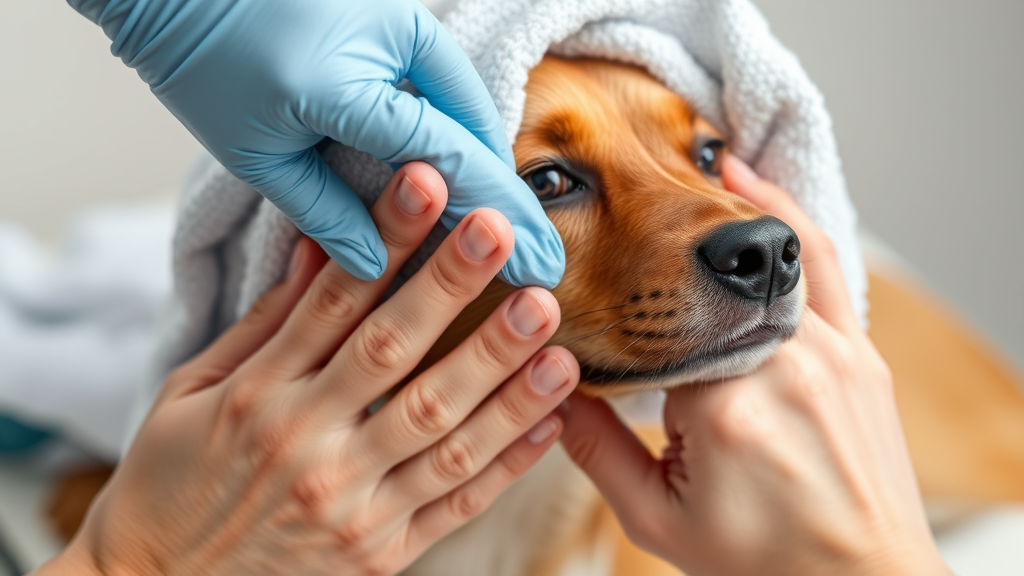
Cold therapy is one of the most effective immediate treatments for reducing swelling and providing pain relief in the initial stages of an ear hematoma. The cold temperature helps constrict blood vessels, potentially slowing further bleeding and reducing inflammation. This approach is most beneficial when applied within the first 24-48 hours after you notice the hematoma developing.
To apply cold therapy safely, wrap ice cubes or a frozen gel pack in a thin towel or cloth. Never apply ice directly to your dog’s skin, as this can cause tissue damage. Hold the cold compress gently against the affected ear for 10-15 minutes at a time, allowing 30-minute breaks between applications. Repeat this process 3-4 times daily during the acute phase.
Alternative cold therapy options include using a bag of frozen peas or corn, which conforms nicely to the ear’s shape, or creating your own cold pack by mixing equal parts water and rubbing alcohol in a sealed plastic bag and freezing it. The alcohol prevents the mixture from freezing solid, creating a flexible cold pack that’s easier to apply to curved surfaces.
Monitor your dog’s reaction to cold therapy carefully. If they seem distressed, try shorter application periods or ensure the compress isn’t too cold. Some dogs may not tolerate cold therapy well, especially those with thin skin or sensitivity to temperature changes.
Warm Compress Treatment
After the initial 48-72 hours, switching from cold to warm therapy can promote healing and improve circulation to the affected area. Warm compresses help increase blood flow, which can aid in the natural reabsorption of accumulated blood and reduce stiffness in the ear cartilage. This transition typically occurs when the acute swelling begins to stabilize.
Prepare a warm compress by soaking a clean cloth in warm (not hot) water and wringing out excess moisture. The temperature should be comfortably warm to your touch – if it feels hot to you, it’s too hot for your dog. Apply the compress to the hematoma for 10-15 minutes, 2-3 times daily. Reheat the cloth as needed to maintain consistent warmth throughout the treatment session.
Chamomile tea compresses offer additional anti-inflammatory benefits. Brew a strong chamomile tea, allow it to cool to a warm temperature, then soak a clean cloth in the solution. Chamomile contains natural compounds that can help reduce inflammation and provide a soothing effect on irritated tissue.
Epsom salt compresses are another effective option. Dissolve one tablespoon of Epsom salt in one cup of warm water, soak a cloth in the solution, and apply as described above. Epsom salt helps reduce swelling and can draw out excess fluid from tissues, potentially helping to reduce the size of the hematoma over time.
Gentle Ear Cleaning and Hygiene
Maintaining proper ear hygiene is crucial when treating a hematoma at home, as secondary infections can complicate the healing process. However, cleaning must be done with extreme gentleness to avoid further trauma to the affected area. Proper ear cleaning techniques are essential for preventing complications and supporting the healing process.
Before cleaning, assess the severity of the hematoma and your dog’s comfort level. If the ear is extremely swollen or your dog shows signs of severe pain, postpone cleaning until the acute symptoms subside. When you do clean, use only veterinarian-approved ear cleaning solutions or gentle alternatives like a mixture of equal parts white vinegar and water.
To clean safely, saturate a cotton ball or soft cloth with the cleaning solution – never pour liquid directly into the ear canal. Gently wipe the visible portions of the ear flap and the outer ear canal, avoiding deep insertion that could worsen the hematoma. Focus on removing any discharge, wax buildup, or debris that might contribute to continued irritation.
The American Veterinary Medical Association emphasizes the importance of proper ear care in preventing complications. After cleaning, thoroughly dry the ear area with a clean, soft towel. Moisture retention can promote bacterial growth and worsen existing ear problems.

Natural Anti-Inflammatory Remedies
Several natural remedies can help reduce inflammation and support your dog’s healing process when dealing with an ear hematoma. These approaches work by addressing the underlying inflammatory response and providing gentle, supportive care that complements other treatment methods.
Aloe vera gel, when used topically in small amounts, can provide soothing relief and has natural anti-inflammatory properties. Use only pure, organic aloe vera gel without added chemicals or fragrances. Apply a thin layer to the external surface of the hematoma, avoiding the ear canal opening. The cooling effect can provide immediate comfort while the anti-inflammatory compounds work to reduce swelling.
Turmeric paste, made from turmeric powder and water, contains curcumin, a powerful natural anti-inflammatory compound. Create a paste with the consistency of thick cream and apply it to the external surface of the hematoma. Leave it on for 15-20 minutes before gently wiping it away with a damp cloth. Be cautious with turmeric as it can stain fabrics and surfaces.
Apple cider vinegar, when properly diluted, can help maintain proper pH balance and provide antimicrobial benefits. Mix one part apple cider vinegar with two parts water and apply using a cotton ball to the external ear area only. This solution should never be used if there are open wounds or if your dog shows signs of pain during application.
Coconut oil offers both antimicrobial and moisturizing properties. Warm a small amount between your hands until it becomes liquid, then gently apply to the external surface of the ear. Coconut oil can help prevent secondary bacterial infections while keeping the skin supple during the healing process.
Pain Management at Home
Managing your dog’s pain and discomfort is a crucial aspect of home treatment for ear hematomas. While you should never administer human pain medications to dogs without veterinary guidance, there are several safe approaches to help reduce discomfort and stress during the healing process.
Creating a calm, comfortable environment is fundamental to pain management. Provide a quiet space where your dog can rest undisturbed, away from loud noises or activities that might encourage head shaking. Elevated sleeping areas can help reduce pressure on the affected ear when your dog lies down.
Gentle massage around the ear area (not directly on the hematoma) can help improve circulation and provide comfort. Use light, circular motions on the neck and jaw area, which can help relieve tension that often accompanies ear problems. This approach also provides bonding time and emotional comfort for your pet.
Understanding signs of fever in dogs is important, as elevated temperature might indicate complications requiring immediate veterinary attention. Monitor your dog’s general behavior and appetite, as changes in these areas often indicate increasing discomfort or developing complications.
Distraction techniques can help redirect your dog’s attention from the discomfort. Engage them in gentle, low-impact activities they enjoy, such as puzzle toys, gentle brushing in unaffected areas, or calm training sessions. Mental stimulation can help reduce focus on the ear discomfort and prevent excessive scratching or head shaking.
Monitoring and Supporting the Healing Process
Careful monitoring is essential when treating an ear hematoma at home, as the condition can change rapidly and may require professional intervention if complications arise. Establish a daily routine of examining the affected ear and documenting changes in size, color, temperature, and your dog’s comfort level.
Measure the hematoma’s dimensions daily using a ruler or tape measure, recording the length, width, and thickness. Take photos from consistent angles to visually track progress over time. A healing hematoma should gradually decrease in size and become less tense to the touch. The skin color should progress from dark red or purple to lighter shades as healing occurs.
Monitor the surrounding skin for signs of infection, including increased redness, heat, foul odor, or discharge. The PetMD resource on aural hematomas emphasizes that secondary infections can significantly complicate treatment and delay healing.
Document your dog’s behavior and comfort level throughout the treatment process. Note changes in appetite, activity level, sleep patterns, and response to touch around the ear area. Improving comfort levels and reduced head shaking or scratching are positive signs that your home treatment approach is effective.
Keep a treatment log including what remedies you’ve applied, when they were administered, and your dog’s response to each treatment. This information will be valuable if you need to consult with a veterinarian and helps you identify which approaches are most effective for your specific situation.
When to Seek Professional Veterinary Care
While home treatment can provide significant relief and support healing, certain situations require immediate professional veterinary attention. Recognizing these warning signs is crucial for your dog’s health and can prevent serious complications that might result from delayed treatment.
Seek veterinary care immediately if the hematoma continues to grow despite home treatment, especially if it doubles in size within 24-48 hours. Rapid expansion may indicate continued bleeding that requires medical intervention to prevent further tissue damage and complications.
Signs of infection warrant immediate professional attention and may require antibiotic treatment. These include foul-smelling discharge, increasing heat and redness around the area, fever, or your dog showing signs of systemic illness such as lethargy, loss of appetite, or vomiting. Understanding ear infection symptoms can help you recognize when complications are developing.
If your dog shows signs of severe pain that interfere with eating, sleeping, or normal activities, professional pain management may be necessary. Similarly, if the hematoma affects your dog’s balance or causes them to hold their head at an unusual angle persistently, veterinary evaluation is needed.
The formation of multiple hematomas or hematomas on both ears simultaneously suggests an underlying condition that requires professional diagnosis and treatment. This pattern often indicates systemic issues such as bleeding disorders, severe allergies, or other medical conditions that home treatment alone cannot address.
Chronic hematomas that persist for more than 2-3 weeks without significant improvement may require surgical intervention to prevent permanent ear deformity. The Cornell University College of Veterinary Medicine notes that untreated hematomas can lead to cauliflower ear deformity as the cartilage heals improperly.
Prevention Strategies
Preventing ear hematomas is always preferable to treating them, and most prevention strategies focus on addressing the underlying causes that lead to excessive head shaking and ear trauma. Implementing a comprehensive ear care routine can significantly reduce your dog’s risk of developing hematomas.
Regular ear cleaning is fundamental to prevention. Establish a weekly routine of proper ear cleaning to remove wax, debris, and moisture that can lead to infections and irritation. Dogs with floppy ears or those that swim frequently may need more frequent cleaning to prevent moisture-related problems.
Address underlying ear problems promptly. Ear infections, allergies, and parasites like ear mites should receive immediate treatment to prevent the intense itching that leads to traumatic head shaking. Regular veterinary check-ups can help identify and treat these issues before they become severe enough to cause hematomas.
Environmental management plays a crucial role in prevention. Keep your dog’s living area clean and free from allergens when possible. If your dog has known allergies, work with your veterinarian to develop a management plan that may include dietary changes, environmental modifications, or medication.
For dogs prone to ear problems, consider protective measures during high-risk activities. Use ear protection or drying solutions after swimming, and be cautious during grooming to avoid trauma to the ear area. Regular nail trimming can also reduce damage from scratching.
Monitor your dog’s scratching behavior and address increases promptly. If you notice your dog scratching their ears more frequently than usual, investigate the cause immediately rather than waiting for symptoms to worsen. Early intervention can prevent the trauma that leads to hematoma formation.
Frequently Asked Questions
Can an ear hematoma heal completely without veterinary treatment?
While some small ear hematomas may resolve with diligent home care, complete healing without professional treatment is not guaranteed and carries risks. Home treatment can provide significant comfort and support healing, but veterinary evaluation is recommended to ensure proper diagnosis and rule out underlying conditions. Untreated hematomas may heal improperly, leading to permanent ear deformity or chronic problems. The success of home treatment depends on the hematoma’s size, cause, and your dog’s overall health status.
How long does it typically take for an ear hematoma to heal with home treatment?
The healing timeline for ear hematomas varies significantly based on size, severity, and individual factors. Small hematomas may show improvement within 1-2 weeks of consistent home treatment, while larger ones can take 3-6 weeks or longer. Complete resolution may take several months, and some residual thickening of the ear cartilage is normal. Consistent monitoring and treatment are crucial, and if no improvement is seen within 2-3 weeks, professional veterinary evaluation is recommended.
Is it safe to drain an ear hematoma at home?
Attempting to drain an ear hematoma at home is strongly discouraged and can be dangerous. Home drainage attempts can introduce bacteria, cause additional trauma, and lead to serious infections or complications. The procedure requires sterile conditions, proper technique, and often follow-up treatment that only veterinary professionals can provide safely. Focus on supportive care measures like cold therapy, warm compresses, and comfort measures instead of attempting invasive procedures.
What should I do if my dog keeps shaking their head despite treatment?
Persistent head shaking during hematoma treatment can worsen the condition and delay healing. Address this by identifying and treating underlying causes such as ear infections, allergies, or irritants. Create a calm environment to reduce stress-induced shaking, and consider using an Elizabethan collar temporarily to prevent further trauma. If head shaking continues despite these measures, consult a veterinarian as it may indicate inadequate pain control or underlying conditions requiring professional treatment. Understanding wound healing principles can help you support the overall healing process.
Can I use human anti-inflammatory medications for my dog’s ear hematoma?
Never give human anti-inflammatory medications to dogs without veterinary guidance, as many are toxic to pets. Human NSAIDs like ibuprofen and naproxen can cause serious kidney damage, stomach ulcers, and other life-threatening complications in dogs. Even aspirin, sometimes used in dogs, requires specific dosing and monitoring. Instead, focus on safe home remedies like cold and warm therapy, natural anti-inflammatory compounds like turmeric, and comfort measures. If pain management is needed beyond home measures, consult your veterinarian for safe, dog-specific options.
How can I prevent my dog from scratching the hematoma?
Preventing scratching is crucial for healing and can be achieved through several approaches. An Elizabethan collar (cone) is the most effective method, though some dogs may need time to adjust. Alternatively, try booties or nail caps to reduce damage from scratching, keep your dog’s nails trimmed short, and provide distractions through mental stimulation and gentle activities. Address underlying itchiness by treating any ear infections or allergies, and ensure proper wound care to minimize irritation. Some dogs respond well to bitter apple spray applied around (not on) the affected area to discourage licking or scratching.
When should I be concerned about complications during home treatment?
Several warning signs indicate the need for immediate veterinary attention during home treatment. These include rapid growth of the hematoma, signs of infection (foul odor, increased heat, discharge), fever or systemic illness symptoms, severe pain that interferes with normal activities, and lack of improvement or worsening after 2-3 weeks of consistent treatment. Additionally, seek help if multiple hematomas develop, if your dog’s balance is affected, or if you’re unsure about proper treatment techniques. When in doubt, it’s always safer to consult with a veterinary professional rather than risk complications from delayed or inadequate treatment. Consider whether topical antibiotics might be appropriate if signs of infection develop.





