

So your pup’s been scratching at their ears like they’re auditioning for a flea circus, and you’re wondering how to treat dog ear infection without vet care? I get it—vet bills can make your wallet weep, and sometimes you just need a quick fix before you can book an appointment. The good news? Many mild to moderate dog ear infections can be managed at home with proven remedies that actually work. But here’s the real talk: if your dog’s ears look like a crime scene or smell like a science experiment gone wrong, you need professional help. That said, let’s dive into some legitimate home treatments that can bring relief to your furry friend.
Table of Contents
- Understanding Canine Ear Infections: Know Your Enemy
- Remedy #1: Apple Cider Vinegar Solution for Dog Ear Mites and Yeast
- Remedy #2: Coconut Oil—Nature’s Antifungal Powerhouse
- Remedy #3: Hydrogen Peroxide and Boric Acid Ear Flush
- Remedy #4: Olive Oil and Garlic—The Traditional Approach
- Remedy #5: Witch Hazel and Aloe Vera Soothing Blend
- Prevention: Stop Ear Infections Before They Start
- When to Call the Vet: Know Your Limits
- Natural Supplements to Support Ear Health
- Cleaning Your Dog’s Ears Properly: The Technique Matters
- Diet and Immune Support: The Foundation of Healing
- Frequently Asked Questions
- The Bottom Line: Home Remedies Work, But Know When to Quit
Understanding Canine Ear Infections: Know Your Enemy
Before you start playing veterinarian, let’s talk about what we’re dealing with. Dog ear infections typically fall into three categories: otitis externa (outer ear), otitis media (middle ear), and otitis interna (inner ear). Most home-treatable infections are the outer ear kind, usually caused by yeast, bacteria, or those pesky ear mites. Signs include excessive scratching, head shaking, foul odor, discharge, and redness. If your dog has a ruptured eardrum or shows signs of inner ear infection (like loss of balance or tilted head), stop reading this and call your vet immediately.
Remedy #1: Apple Cider Vinegar Solution for Dog Ear Mites and Yeast
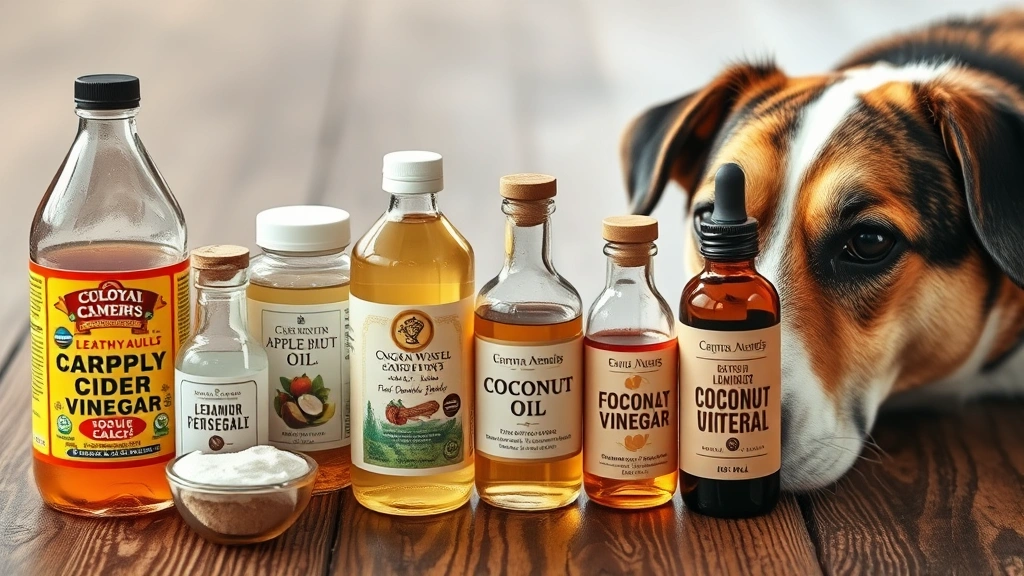
Apple cider vinegar (ACV) is like the Swiss Army knife of pet remedies, and for good reason. It’s acidic nature makes it hostile to yeast and bacteria while being gentle on your dog’s skin. Mix equal parts raw, unfiltered apple cider vinegar and water in a clean container. Using a dropper or cotton ball, apply a few drops into the ear canal and gently massage the base of the ear for about 30 seconds. Do this twice daily for 7-10 days. The acidity creates an environment where yeast and bacteria struggle to survive. Pro tip: Never use this if there’s a ruptured eardrum, as it’ll cause serious pain.
Remedy #2: Coconut Oil—Nature’s Antifungal Powerhouse
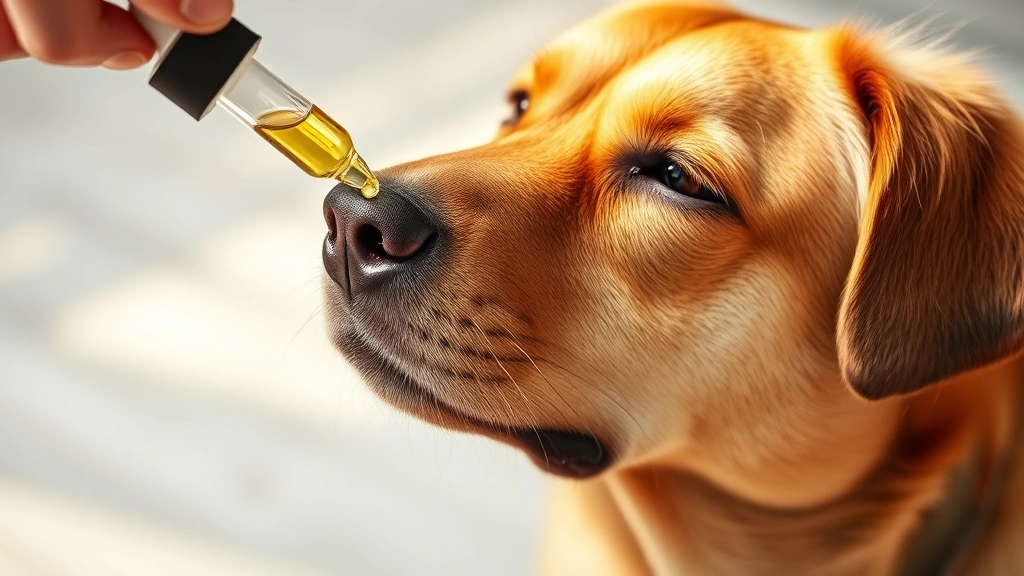
Coconut oil isn’t just for your morning coffee—it’s packed with lauric acid and caprylic acid, both antifungal and antibacterial superstars. Warm a small amount of virgin coconut oil (not hot, just warm) and apply it directly into the ear using a dropper. The oil creates a protective barrier while fighting off infection-causing organisms. Apply once daily before bedtime so it has time to work its magic overnight. Many dog owners report visible improvement within 3-5 days. This remedy is particularly effective for yeast-related infections, which are shockingly common in dogs with floppy ears or those prone to moisture buildup.
Remedy #3: Hydrogen Peroxide and Boric Acid Ear Flush
This is the heavy hitter for serious ear gunk. Mix equal parts 3% hydrogen peroxide and distilled water, then add a small amount of boric acid powder (about 1 teaspoon per ounce of solution). This combination helps dissolve debris and kill bacteria. Use a bulb syringe to gently flush the ear, allowing the solution to sit for 5-10 minutes, then let your dog shake it out. Follow up with a dry cotton ball to remove excess moisture. Do this once daily for 5-7 days. The hydrogen peroxide fizzes away debris while boric acid provides antimicrobial action. Just be cautious not to force liquid too deeply into the ear canal.
Remedy #4: Olive Oil and Garlic—The Traditional Approach
Your grandmother probably recommended this, and honestly, she wasn’t wrong. Infuse olive oil with fresh minced garlic (let it sit for a few hours) and apply a few drops into the ear daily. Garlic contains allicin, a compound with antimicrobial properties. However, here’s the disclaimer: some vets debate garlic’s safety for dogs, so use this remedy sparingly and monitor for any adverse reactions. The olive oil itself provides soothing relief and helps soften debris. This remedy works best for mild infections and is gentler than some alternatives.
Remedy #5: Witch Hazel and Aloe Vera Soothing Blend
If your dog’s ears are inflamed and itchy (which they definitely are), witch hazel and aloe vera provide cooling, anti-inflammatory relief. Mix equal parts witch hazel and pure aloe vera gel, then apply with a cotton ball to the outer ear and canal. The witch hazel reduces inflammation and has mild antimicrobial properties, while aloe vera soothes irritation and promotes healing. Apply 2-3 times daily. This remedy is particularly good for dogs that are scratching themselves raw. It won’t cure a bacterial infection on its own, but it’s excellent for symptom relief while other remedies do the heavy lifting.
Prevention: Stop Ear Infections Before They Start
Here’s the thing nobody wants to hear: prevention beats treatment every single time. Keep your dog’s ears dry, especially after swimming or baths. Use a gentle ear cleaner once weekly to remove buildup and debris. If your dog has floppy ears, consider plucking excess hair from the ear canal (or have a groomer do it) to improve air circulation. Feed your dog quality nutrition—a strong immune system fights infection better than anything else. Speaking of nutrition, healthy pet treats and proper diet support overall wellness. Also, bone broth recipes for pets can boost immune function naturally.
When to Call the Vet: Know Your Limits
Let’s be real: home remedies are fantastic, but they’re not magic. If your dog’s infection doesn’t improve within 7-10 days, if it worsens, or if your dog shows signs of systemic illness (fever, lethargy, loss of appetite), get professional help immediately. Chronic ear infections often indicate underlying issues like allergies or autoimmune conditions that need veterinary diagnosis. Inner ear infections can cause permanent damage if left untreated. Your dog’s health isn’t worth the gamble of stubborn pride.
Natural Supplements to Support Ear Health
Beyond topical remedies, oral supplements can boost your dog’s ability to fight infection from the inside. Omega-3 fatty acids reduce inflammation and support immune function—fish oil or flaxseed are excellent sources. Probiotics help maintain healthy bacterial balance, preventing opportunistic infections. Vitamin E supports skin health and healing. You can find these in safe human snacks for pets or quality dog supplements. Turmeric (in appropriate doses) offers anti-inflammatory benefits. These aren’t replacements for direct treatment, but they’re excellent supporting players in your dog’s recovery team.
Cleaning Your Dog’s Ears Properly: The Technique Matters
Proper ear cleaning is crucial for both treatment and prevention. Start with a quality ear cleaning solution (commercial or homemade). Fill the ear canal gently, massage the base for 30 seconds to break up debris, then let your dog shake it out naturally. Follow with a dry cotton ball or gauze to remove excess moisture. Never use cotton swabs deep in the ear canal—you risk rupturing the eardrum. Work gently and patiently; if your dog is in pain, stop and seek professional help. Make ear cleaning a positive experience with treats and praise so your dog doesn’t develop ear-handling anxiety.
Diet and Immune Support: The Foundation of Healing
Your dog’s immune system is their best defense against infection. A diet rich in quality proteins, healthy fats, and antioxidants supports immune function. Avoid feeding foods that trigger allergies, as allergic reactions often precede ear infections. Consider adding pet treat recipes featuring immune-boosting ingredients like sweet potato, blueberries, and lean proteins. Proper hydration is equally important—ensure your dog always has access to fresh water. Some owners swear by adding a small amount of raw honey to their dog’s diet for its antimicrobial properties, though this should be done carefully and in moderation.
Frequently Asked Questions
Can I use human ear drops on my dog?
Absolutely not. Human ear drops often contain ingredients that are toxic to dogs or can damage their ears. Always use remedies specifically formulated for canine ears or consult your vet before applying anything.
How long does it take for home remedies to work?
Most home remedies show improvement within 3-7 days if the infection is mild. If you don’t see progress within 10 days, your dog likely needs professional treatment. Severe infections may require antibiotics that only a vet can prescribe.
Are ear mites the same as bacterial infections?
No. Ear mites are parasites, while bacterial infections are microbial. Some remedies work for both, but others are specific to one type. If you’re unsure what you’re dealing with, a quick vet visit for diagnosis can save you time and frustration.
Is it safe to put water in my dog’s ears during treatment?
Generally, yes, but keep water out of treated ears for at least 24 hours after applying oil-based remedies. Moisture can worsen some infections, so try to keep ears dry during the healing process.
What if my dog has both ears infected?
Treat both ears with the same remedy, following the same schedule. Bilateral ear infections are common and typically indicate a systemic issue rather than a localized problem, so monitor closely for other symptoms.
Can I combine multiple home remedies?
It’s better to stick with one remedy at a time so you can identify what works. Mixing treatments can create unexpected reactions and makes it impossible to know which remedy actually helped. Give each remedy at least 7 days before switching.
The Bottom Line: Home Remedies Work, But Know When to Quit
Learning how to treat dog ear infection without vet care is practical knowledge every dog owner should have. The five remedies covered here—apple cider vinegar, coconut oil, hydrogen peroxide flush, garlic-infused olive oil, and witch hazel-aloe blend—have helped countless dogs find relief. However, these are tools for mild infections and symptom management, not replacements for professional veterinary care when needed. Your dog depends on you to make the right call between home treatment and professional help. Start with gentle remedies, monitor progress closely, and don’t hesitate to escalate to a vet if things aren’t improving. Your pup’s ears—and overall health—will thank you for being a responsible, informed pet parent. Remember, the goal isn’t to avoid the vet forever; it’s to provide relief and support while maintaining your dog’s health and wellbeing.





