
How to Treat Dog Hives at Home: Vet-Approved Tips
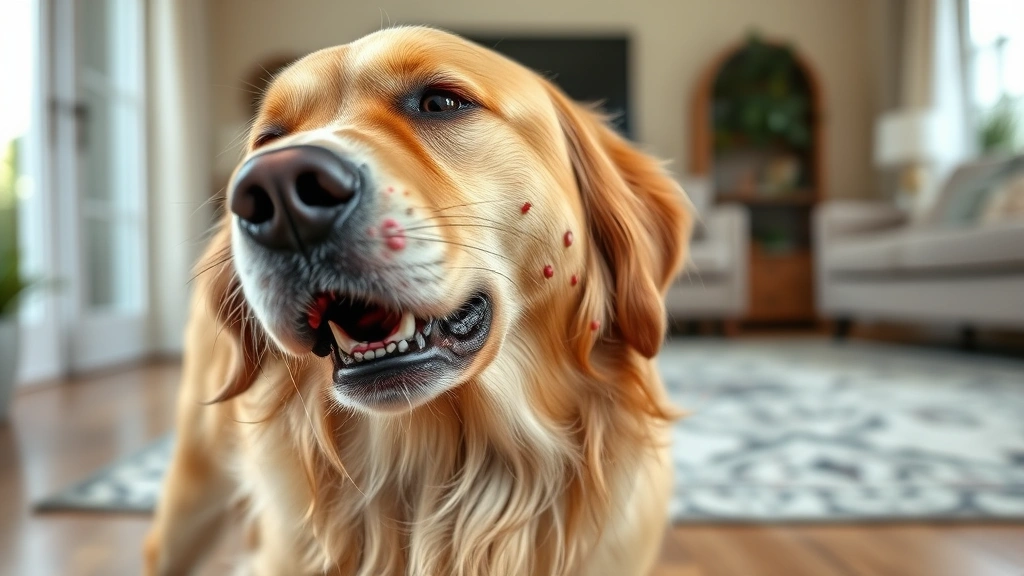
If you’ve ever noticed your furry best friend scratching frantically or developing red, raised bumps on their skin, you might be dealing with dog hives. These itchy, uncomfortable welts can appear suddenly and leave pet parents feeling helpless. The good news? Many cases of dog hives can be managed effectively right at home with the right knowledge and approach.
Dog hives, medically known as urticaria, are your pup’s skin’s way of saying something’s not quite right. Whether it’s a reaction to food, environmental factors, or something else entirely, understanding how to treat dog hives at home can provide quick relief and prevent the situation from escalating. We’ve compiled vet-approved strategies to help your four-legged companion feel better fast.
Before diving into home remedies, it’s important to understand that while many hive cases are mild and manageable at home, severe reactions warrant immediate veterinary attention. Let’s explore everything you need to know about treating your dog’s hives safely and effectively.
Understanding Dog Hives: What They Are and Why They Happen
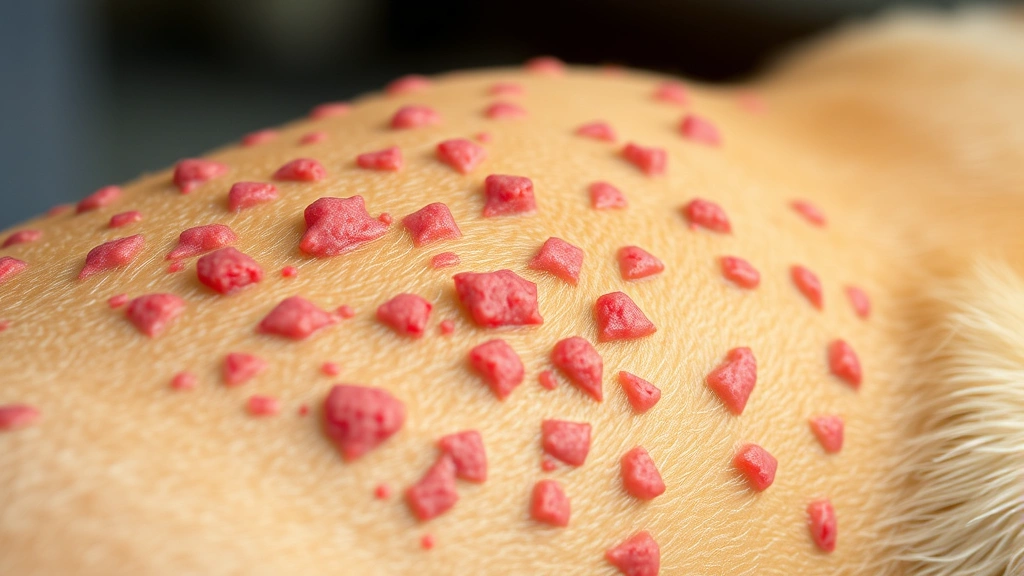
Dog hives are an allergic reaction that manifests as raised, red welts on your dog’s skin. They occur when your dog’s immune system overreacts to a perceived threat, releasing histamine into the bloodstream. This histamine causes blood vessels to dilate and leak fluid into surrounding tissues, creating those characteristic bumpy, itchy patches we recognize as hives.
The causes of dog hives are surprisingly diverse. Your dog might develop hives from food allergies, environmental allergens, insect bites, medications, or even stress. Some dogs are more prone to hives than others, particularly those with sensitive skin or a history of allergies. Understanding the root cause is crucial for both immediate treatment and long-term prevention.
One common culprit many pet owners don’t immediately suspect is food. If you’re wondering about specific ingredients, you might be interested in learning more about whether dogs can be allergic to chicken, as this is one of the more frequent food allergens affecting our canine companions.
Interestingly, hives can appear within minutes to hours of exposure to an allergen, making it sometimes challenging to pinpoint the exact cause. This rapid onset is your dog’s immune system working overtime to protect them from what it perceives as a threat.
Identifying the Symptoms of Hives in Dogs
Recognizing hives early is the first step in treating them effectively. The most obvious sign is the appearance of raised, circular bumps on your dog’s skin, typically appearing as red or pink welts. These bumps might have a halo effect around them and often appear in clusters.
Beyond the visible bumps, watch for these telltale signs:
- Intense itching and scratching – Your dog may seem obsessed with scratching or biting at affected areas
- Facial swelling – Hives around the face, muzzle, or ears can cause noticeable puffiness
- Excessive licking – If you notice your pup is licking their paws or other body parts more than usual, hives might be the culprit
- Restlessness and agitation – The discomfort often makes dogs anxious and unable to settle
- Hair loss in affected areas – Constant scratching can lead to patches where fur rubs away
- Skin redness or inflammation – The surrounding skin may appear irritated and raw
Some dogs may also experience systemic symptoms like lethargy or loss of appetite if the allergic reaction is severe. Pay close attention to your dog’s behavior, as they can’t tell you what’s wrong – but their body language will.
Home Treatment Methods for Dog Hives
Once you’ve confirmed your dog has hives and ruled out any emergency situations, several home treatment methods can provide relief. These vet-approved approaches focus on soothing the skin and reducing inflammation.
Cool Compress Therapy
One of the simplest and most effective home remedies is applying a cool compress to affected areas. The cold temperature numbs the skin, reduces inflammation, and provides immediate itch relief. Simply wrap an ice pack or bag of frozen vegetables in a thin cloth and apply it to the hives for 10-15 minutes at a time. Most dogs find this incredibly soothing, though some may need a little encouragement to sit still.
Oatmeal Baths
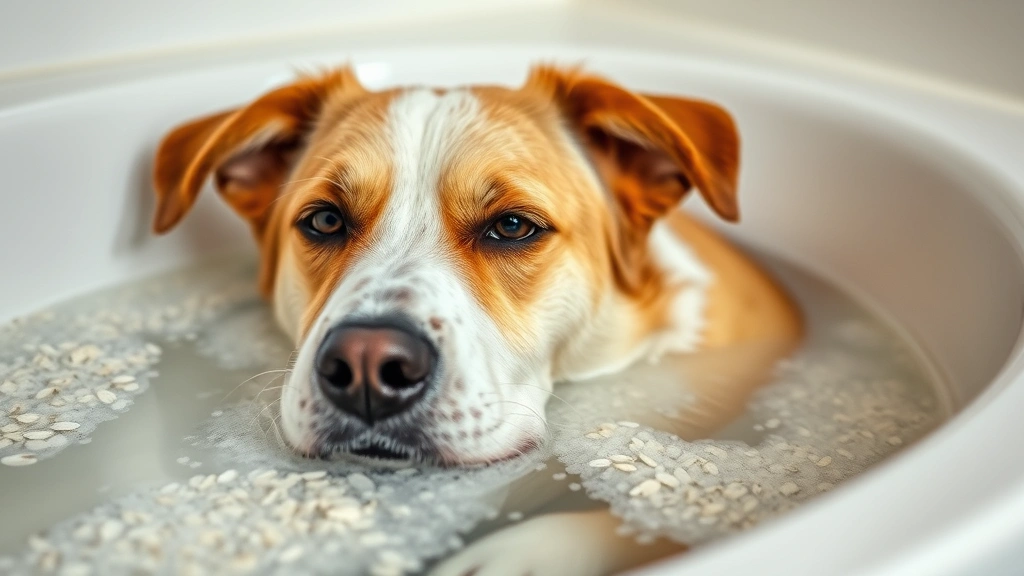
Colloidal oatmeal – finely ground oatmeal that dissolves in water – is a time-tested remedy for irritated skin. A lukewarm oatmeal bath can soothe hives and reduce itching significantly. Simply grind regular oatmeal into a fine powder, mix it with lukewarm bathwater, and let your dog soak for 10-15 minutes. If you’re curious about whether oatmeal is good for dogs, rest assured that it’s both safe and beneficial for skin health when used this way.
Hydration and Rest
Ensuring your dog stays well-hydrated and gets plenty of rest supports their immune system’s ability to fight the allergic reaction. Keep fresh water available at all times and encourage your pup to relax in a comfortable, cool space. A stressed dog may experience worsening symptoms, so creating a calm environment is therapeutic.
Dietary Adjustments
If you suspect a food allergy triggered the hives, temporarily simplifying your dog’s diet can help. Stick to their regular food and avoid treats, table scraps, or new foods until the hives clear. For ongoing allergy management, understanding what you can give your dog for allergies will help you make informed dietary choices.
Natural Topical Remedies
Several natural ingredients can be applied topically to soothe hives. Aloe vera gel (make sure it’s dog-safe and doesn’t contain alcohol) can cool and heal irritated skin. Some pet owners find success with apple cider vinegar for dogs, though this should be diluted and used cautiously. Chamomile tea compresses can also provide anti-inflammatory benefits.
E-Collar Prevention
While not a direct treatment, preventing your dog from further irritating the hives is crucial. If your dog is constantly scratching and licking their paws or affected areas, consider using a soft E-collar (cone) temporarily to prevent secondary skin infections from constant scratching.
Prevention Strategies to Keep Hives at Bay
The best treatment is prevention. Once you’ve identified what triggers your dog’s hives, you can take steps to minimize future exposure.
Environmental Control: If environmental allergens like pollen or mold trigger reactions, limit your dog’s outdoor time during high pollen seasons, bathe them more frequently to remove allergens from their coat, and consider using air filters in your home.
According to the American Kennel Club’s guide to dog allergies, identifying and avoiding specific allergens is key to long-term management.
Food Allergy Management: Work with your veterinarian to identify problematic ingredients. Common allergens include chicken, beef, wheat, and dairy. An elimination diet can help pinpoint the culprit.
Parasite Prevention: Keep your dog on a regular flea and tick prevention program, as parasites can trigger allergic reactions and hives.
Stress Reduction: Minimize stress through regular exercise, consistent routines, and a calm home environment. Stressed dogs are more prone to allergic reactions.
Regular Grooming: Keeping your dog’s coat clean and healthy reduces the likelihood of skin irritation and secondary infections.
When to Contact Your Veterinarian
While many cases of dog hives can be managed at home, certain situations require professional veterinary care immediately:
- Severe facial or throat swelling – This can indicate a serious allergic reaction affecting airways
- Difficulty breathing or wheezing – Signs of anaphylaxis requiring emergency care
- Hives that don’t improve within 24 hours – May indicate need for medical intervention
- Signs of infection – Oozing, pus, or increasing warmth in affected areas
- Hives accompanied by vomiting or diarrhea – Suggests systemic allergic reaction
- Your dog seems lethargic or in severe distress – Always better to err on the side of caution
Your veterinarian can prescribe antihistamines, corticosteroids, or other medications to accelerate healing and provide relief. They can also perform allergy testing to identify specific triggers.
The ASPCA provides comprehensive information on pet allergies and when professional help is necessary.
Frequently Asked Questions
How long do dog hives typically last?
Most cases of dog hives resolve within 24 to 48 hours once the allergen is removed or avoided. However, some cases may persist for several days. If hives don’t improve within 48 hours, contact your veterinarian.
Can I use human antihistamines for my dog?
Some human antihistamines like diphenhydramine (Benadryl) can be given to dogs, but only under veterinary guidance regarding proper dosing. Never administer medications without consulting your vet first, as some human medications are dangerous for dogs.
Are certain dog breeds more prone to hives?
Dogs with a history of allergies or sensitive skin are more prone to hives, regardless of breed. However, some breeds like Bulldogs, Retrievers, and Terriers do have higher rates of allergic conditions overall.
Is it safe to bathe my dog frequently if they have hives?
Yes, gentle baths with lukewarm water and mild dog shampoo can help remove allergens and soothe skin. However, avoid hot water, which can irritate the skin further. Limit baths to every few days unless recommended otherwise by your vet.
What’s the difference between hives and other skin conditions?
Hives appear suddenly as raised bumps, often in clusters, and can appear and disappear relatively quickly. Other conditions like mange, ringworm, or dermatitis develop more gradually and have different characteristics. Your vet can confirm a diagnosis through examination.
Can stress cause dog hives?
Yes, stress can trigger allergic reactions and hives in susceptible dogs. Anxiety, major life changes, or stressful events can lower your dog’s immune threshold, making them more reactive to allergens.
Should I change my dog’s diet permanently if they develop hives?
If you identify a food allergen, yes – avoiding that ingredient long-term is necessary. However, not all hives cases are food-related. Work with your vet to determine if dietary changes are warranted for your specific dog.
Can dog hives be contagious?
No, hives are an allergic reaction and are not contagious to other dogs or humans. However, if the hives resulted from parasites like fleas, those parasites could affect other pets in your home.
According to the American Academy of Veterinary Dermatology, professional diagnosis is important for chronic or recurring hive cases to rule out underlying conditions.
What home remedies should I absolutely avoid?
Avoid applying anything too hot, using harsh soaps or human products not formulated for dogs, or administering any medications without veterinary approval. Also avoid over-bathing, which can dry out skin and worsen irritation.
How can I tell if my dog’s hives are getting worse?
Watch for increasing swelling, especially around the face or throat, difficulty breathing, spreading of hives to larger body areas, or signs of infection like discharge or odor. Any of these warrant immediate veterinary attention.
For additional information on managing allergies, consult the Merck Veterinary Manual’s section on allergic skin disease, which offers evidence-based information for pet owners.





