
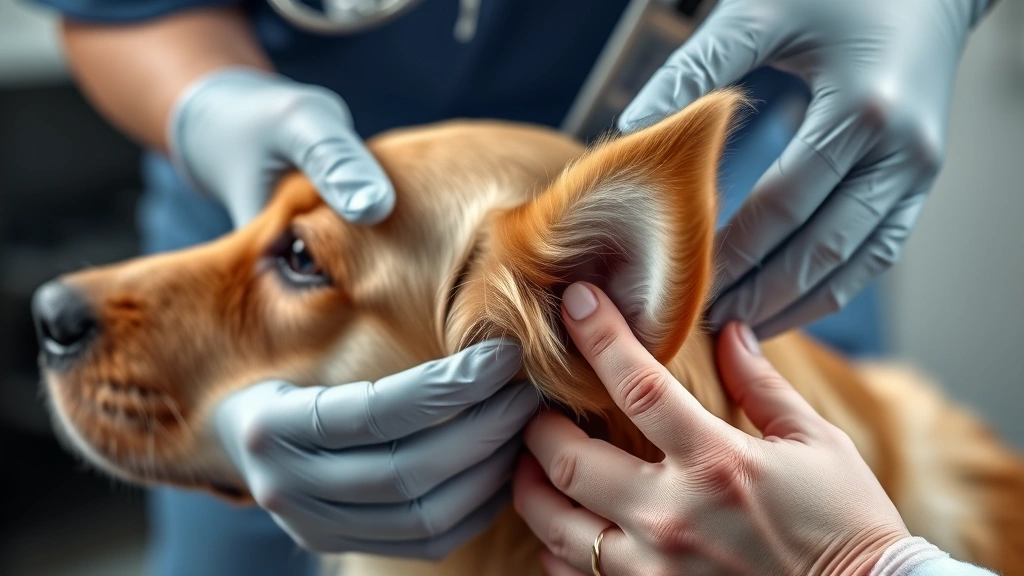
If you’re wondering how to treat dog swollen ear flap, you’ve come to the right place—because nothing says “fun Saturday” like discovering your pup’s ear has puffed up like a balloon at a birthday party. Swollen ear flaps in dogs are more common than you’d think, and the good news is that most cases are totally manageable with the right approach.
Table of Contents
- Understanding Canine Ear Swelling: Why It Happens
- Solution 1: Identify and Treat the Root Cause
- Solution 2: Proper Ear Cleaning Techniques
- Solution 3: Anti-Inflammatory Medications and Topical Treatments
- Solution 4: Cold Compress Therapy for Immediate Relief
- Solution 5: Prevent Further Trauma and Manage Underlying Allergies
- When to Seek Veterinary Help Immediately
- Professional Veterinary Treatment Options
- Natural Remedies and Home Care Strategies
- Recovery Timeline and What to Expect
- Frequently Asked Questions
- Summary: Taking Action on Your Dog’s Swollen Ear Flap
Your dog’s ears are basically the canine equivalent of a smoke detector for health problems. When something’s wrong, they’re usually the first to sound the alarm. A swollen ear flap (also called an auricular hematoma or aural hematoma) can be caused by everything from ear infections to allergies to your pup’s enthusiastic head-shaking habit. The key is figuring out what’s causing the swelling and treating it before it becomes a bigger headache than your dog’s current ear situation.
Understanding Canine Ear Swelling: Why It Happens
Before diving into treatment options, let’s talk about why your dog’s ear flap decided to throw a party without an invitation. Swollen ear flaps typically result from one of several culprits: ear infections (bacterial or yeast), allergies, ear mites, trauma from excessive scratching or head shaking, or even foreign objects lodged in the ear canal.
The most common scenario? Your dog has an underlying ear infection or allergy that causes itching, they scratch like crazy, and boom—the blood vessels in the ear flap rupture, creating fluid buildup. It’s a vicious cycle that needs interrupting ASAP. The swelling itself isn’t usually dangerous, but the underlying cause absolutely is if left untreated.
Solution 1: Identify and Treat the Root Cause
You can’t just slap a band-aid on this problem and call it a day. The real MVP move is figuring out what started this whole mess. Is your dog scratching constantly? Does their ear smell funky? Are they shaking their head like they just got out of a swimming pool?
These clues help you narrow down whether you’re dealing with an ear infection, allergies, or ear mites. An ear infection requires antibiotics or antifungal treatment, while allergies might need dietary changes or allergy medication. If you suspect dog ear infections, your vet can do a quick ear swab to identify the exact culprit—bacterial, yeast, or parasitic.
Once you know the enemy, you can fight it effectively. Check out our guide on can you use antibiotic ointment on dogs to understand treatment options better.
Solution 2: Proper Ear Cleaning Techniques
Clean ears are happy ears, and happy ears don’t swell up like angry balloons. Regular ear cleaning is non-negotiable when treating swollen ear flaps. But here’s the thing—you need to do it right, or you’ll just be pushing the problem deeper into the ear canal.
Use a vet-approved ear cleaner (not vinegar or hydrogen peroxide, despite what your neighbor’s cousin told you). Gently squeeze the cleaner into the ear canal, massage the base of the ear for about 30 seconds, and let your dog shake it out. Use a soft cloth to wipe away debris from the outer ear flap. Repeat this process 2-3 times weekly until the swelling reduces.
For dogs with sensitive ears or active infections, chlorhexidine for dogs is an excellent antimicrobial option that vets frequently recommend. It’s gentle yet effective at reducing bacterial and fungal growth.
Solution 3: Anti-Inflammatory Medications and Topical Treatments
Swelling means inflammation, and inflammation means pain for your furry friend. Your vet might prescribe oral anti-inflammatory medications like NSAIDs to reduce the swelling and discomfort. These work from the inside out, addressing both the inflammation and your dog’s misery.
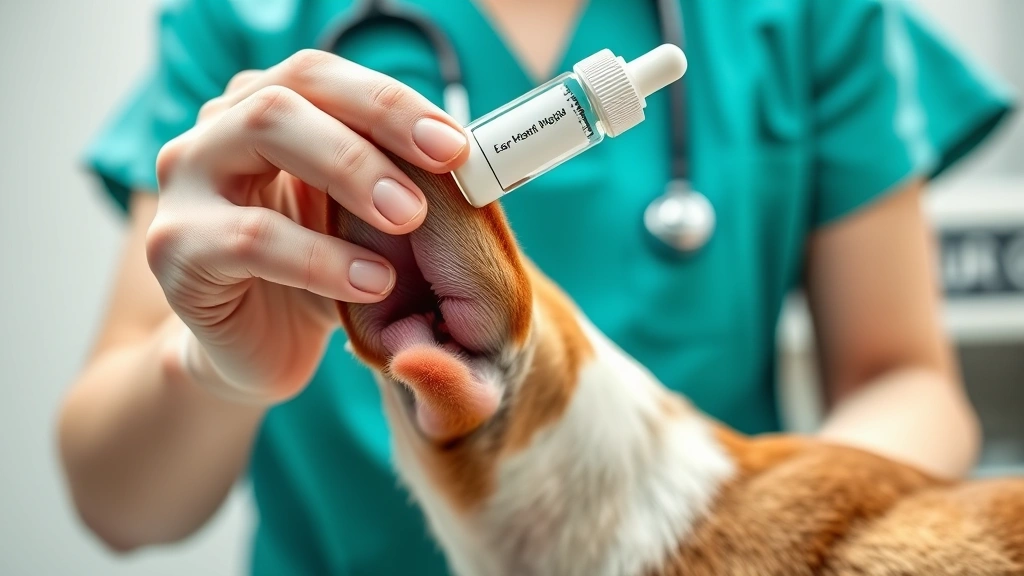
Topical treatments are also game-changers. Medicated ear drops containing antibiotics, antifungals, or steroids can work wonders when applied correctly. Some dogs respond beautifully to natural remedies too—can you use witch hazel on dogs is a question many pet parents ask, and the answer is yes, in moderation, for mild inflammation.
The trick is consistency. Applying treatment once and hoping for the best is like watering a plant once a year and expecting it to thrive. Stick to your vet’s dosing schedule religiously.
Solution 4: Cold Compress Therapy for Immediate Relief
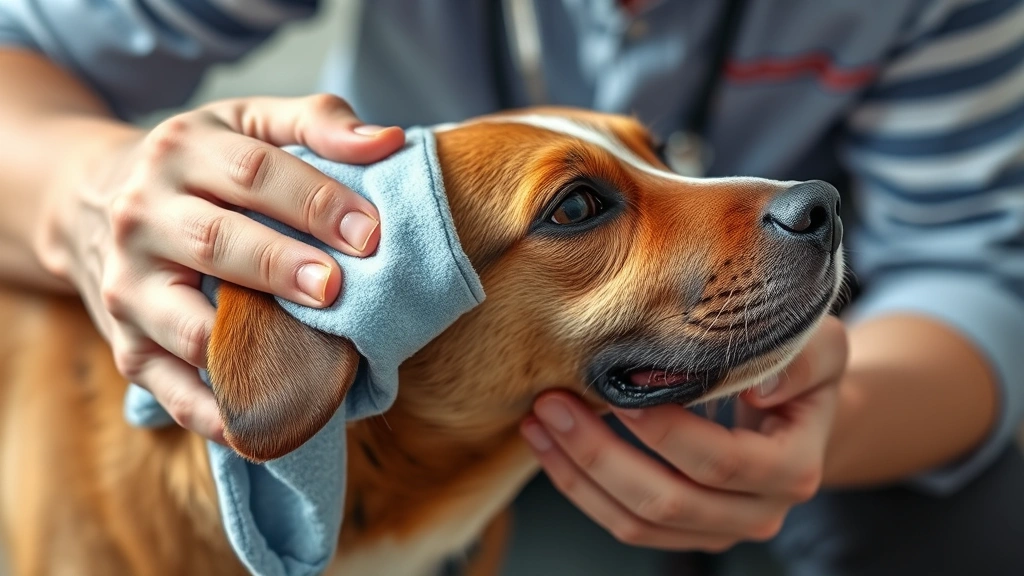
Sometimes your dog needs immediate comfort while you’re working on the underlying cause. Cold compresses are your secret weapon for reducing swelling and providing relief. Wrap an ice pack in a clean cloth (never apply ice directly to skin) and hold it against the swollen ear flap for 10-15 minutes, several times daily.
Your dog might initially resist because, let’s face it, cold feels weird. But most dogs quickly realize it feels amazing and stop scratching as much. Less scratching means less trauma to the ear, which means faster healing. It’s a win-win situation.
You can also refrigerate a damp cloth and use that as a gentler alternative. The goal is reducing inflammation while keeping your pup comfortable enough to stop their self-inflicted damage.
Solution 5: Prevent Further Trauma and Manage Underlying Allergies
Once you’ve got the swelling under control, prevention becomes your new best friend. If your dog’s swollen ear flap resulted from allergies, you need to address those allergies or you’ll be playing whack-a-mole with recurring ear problems.
This might mean switching to a limited-ingredient diet, eliminating environmental allergens, or working with your vet on allergy management. Some dogs benefit from herbs safe for pets that have natural anti-inflammatory properties, but always check with your vet first.
Also, consider using an Elizabethan collar (the cone of shame) if your dog won’t stop scratching. Yeah, they’ll hate you temporarily, but it beats them re-injuring the ear and prolonging recovery.
When to Seek Veterinary Help Immediately
Not all swollen ear flaps are created equal. If your dog’s ear is massively swollen, hot to the touch, oozing pus, or your dog is running a fever, don’t wait—get to the vet. These signs indicate a serious infection that needs professional intervention.
Similarly, if the swelling doesn’t improve within 3-5 days of home treatment, or if it gets worse, that’s your cue to call the vet. Some cases require drainage, antibiotics, or even surgical intervention. When to call the vet about food applies to ear issues too—when in doubt, reach out.
Professional Veterinary Treatment Options
Your vet has some serious tools in their arsenal that go beyond what you can do at home. They can perform ear cytology to identify exactly what’s causing the problem. They can prescribe systemic antibiotics if there’s a deep infection. They can even perform surgical drainage if there’s significant fluid buildup in the ear flap.
For chronic cases or severe allergies, your vet might recommend allergy testing or immunotherapy. These aren’t quick fixes, but they’re long-term solutions that prevent recurring ear problems. Some vets also offer virtual vet consultation for diet questions, which can be helpful for discussing dietary management of allergies.
Natural Remedies and Home Care Strategies
While professional treatment is crucial, natural remedies can complement your vet’s recommendations. Coconut oil has mild antimicrobial properties and can soothe irritated skin. Aloe vera (the gel, not the latex) can reduce inflammation. Green tea compresses have natural antioxidants that support healing.
The key word here is “complement.” These aren’t replacements for veterinary care, but they can enhance recovery when used alongside prescribed treatments. Always introduce new remedies gradually and watch for adverse reactions.
Recovery Timeline and What to Expect
So how long does this whole ordeal take? If you catch it early and the swelling is mild, you might see improvement within a week with proper treatment. More severe cases can take 2-4 weeks to fully resolve. Some dogs develop permanent ear flap deformities if the hematoma isn’t drained, so timing matters.
During recovery, your dog might be grumpy, uncomfortable, or extra clingy. That’s normal. Keep them calm, prevent excessive head shaking, and stick to your treatment plan like your dog’s comfort depends on it—because it does.
Frequently Asked Questions
Can a swollen dog ear flap go away on its own?
Sometimes mild swelling can reduce with time and rest, but most swollen ear flaps require treatment to prevent complications. The underlying cause (infection, allergies, etc.) won’t resolve without intervention, so your dog will likely keep scratching and re-injuring the area. Professional treatment dramatically speeds up recovery.
Is a swollen ear flap in dogs an emergency?
Not always, but it depends on severity. A slightly puffy ear that’s not causing your dog distress can wait for a regular vet appointment. However, if the swelling is severe, your dog is in obvious pain, there’s discharge or fever, or your dog is self-traumatizing through constant scratching, treat it as urgent and call your vet immediately.
What’s the difference between an ear hematoma and an ear infection?
An ear hematoma is fluid buildup in the ear flap itself (usually caused by trauma from scratching). An ear infection is inflammation of the ear canal, typically from bacteria, yeast, or parasites. You can have both simultaneously—the infection causes itching, the itching causes the hematoma. Your vet can distinguish between them during examination.
How do I prevent my dog’s ears from swelling again?
Regular ear cleaning, prompt treatment of infections, managing allergies, and preventing excessive scratching are your main strategies. Keep your dog’s ears dry, especially after swimming or bathing. Monitor for signs of ear problems weekly. If your dog is prone to ear issues, discuss preventative care with your vet.
Are certain dog breeds more prone to swollen ear flaps?
Yes! Dogs with floppy ears (Cocker Spaniels, Basset Hounds, Poodles) are more susceptible because their ear structure traps moisture and reduces airflow. Dogs with allergies or a history of ear infections are also at higher risk. Knowing your dog’s predispositions helps you stay vigilant.
Summary: Taking Action on Your Dog’s Swollen Ear Flap
Learning how to treat dog swollen ear flap starts with understanding that this isn’t just a cosmetic issue—it’s your dog’s way of telling you something’s wrong. Whether it’s an infection, allergies, or ear mites, the solution involves identifying the root cause, treating it aggressively, and preventing future occurrences.
Start with a vet visit to rule out serious conditions. Implement home care strategies like cleaning and cold compresses. Stay consistent with prescribed treatments. Address underlying allergies or infection triggers. And most importantly, watch your dog’s ears like a hawk going forward.
Your pup will thank you when their ears return to normal size and they stop scratching like they’re auditioning for a rock band. Remember, early intervention prevents complications and gets your dog back to their happy, floppy-eared self faster. Now go give those ears some love!





