

How to Treat Dry Skin on Dogs: Vet-Approved Tips
If you’ve noticed your furry friend constantly scratching, licking, or showing flaky patches of skin, you’re not alone. Dry skin in dogs is one of the most common complaints veterinarians hear, and it can turn your pup’s comfort into a real challenge. The good news? With the right approach and a little patience, you can help your dog get relief and restore that healthy, shiny coat they deserve.
Dry skin isn’t just uncomfortable for your dog—it can lead to secondary issues like infections and behavioral problems if left untreated. Whether your dog’s dryness is seasonal, breed-related, or caused by an underlying condition, understanding the root cause is the first step toward effective treatment. Let’s dive into everything you need to know about treating dry skin on dogs, from simple home remedies to professional veterinary solutions.
In this guide, we’ll explore practical, vet-approved strategies that can make a real difference in your dog’s skin health and overall quality of life. You don’t need to be a dermatologist to help your pup feel better—just informed and proactive.
Understanding the Causes of Dry Skin
Before you can effectively treat dry skin, you need to understand what’s causing it. Dogs can develop dry skin for numerous reasons, and identifying the culprit is crucial for lasting relief. The most common causes include allergies, nutritional deficiencies, environmental factors, and underlying health conditions.
Allergies are often the primary suspect when it comes to canine dry skin. Dogs can be allergic to food ingredients, environmental allergens like pollen and dust, or even contact allergens such as certain fabrics or cleaning products. These allergic reactions trigger inflammation that strips away the skin’s natural moisture barrier, leaving it dry and irritated.
Nutritional deficiencies also play a significant role in skin health. Without adequate omega-3 and omega-6 fatty acids, your dog’s skin can’t maintain its protective lipid layer. This is why diet matters so much when addressing dry skin issues. Additionally, seasonal changes, low humidity levels in your home, and excessive bathing can all contribute to the problem.
Underlying medical conditions like hypothyroidism, Cushing’s disease, and parasitic infections can also manifest as dry skin. This is why it’s important to rule out serious health issues with your veterinarian, especially if the problem persists despite your best efforts at home treatment.
Signs Your Dog Has Dry Skin
Recognizing the symptoms of dry skin is the first step in addressing the problem. Your dog will likely show multiple signs, ranging from obvious physical symptoms to behavioral changes. Knowing what to look for helps you catch the issue early and prevent complications.
The most visible sign is flaking or dandruff-like particles in your dog’s coat or on furniture where they rest. You might also notice red, irritated patches of skin, especially around the ears, paws, and belly. Many dogs with dry skin will engage in excessive scratching, which can lead to hair loss and open sores if not managed properly.
Behavioral changes often accompany physical symptoms. If your dog seems restless, irritable, or spends an unusual amount of time licking or biting at their skin, dry skin might be the culprit. Some dogs develop excessive paw licking habits as a response to discomfort, which can create a vicious cycle of irritation and infection.
Pay attention to your dog’s overall appearance too. A dull, lackluster coat is often a sign of underlying skin issues. Healthy skin should support a shiny, vibrant coat, so if your pup’s fur looks lifeless or feels brittle to the touch, it’s time to investigate further.
Dietary Solutions for Healthy Skin
What your dog eats directly impacts their skin health. A high-quality diet rich in essential fatty acids, proteins, and vitamins is foundational for treating and preventing dry skin. This is where nutrition becomes your most powerful tool in combating the problem.
Omega-3 and omega-6 fatty acids are absolutely critical for maintaining skin integrity. These essential fats support the skin’s lipid barrier and reduce inflammation throughout the body. If your dog’s current food doesn’t provide adequate levels of these fatty acids, you may need to supplement or switch to a premium diet formulated for skin health.
Fish is an excellent source of omega-3 fatty acids, and many dog owners wonder about incorporating it into their pet’s diet. Can dogs eat fish? Absolutely! Fish like salmon and sardines are fantastic for skin health when prepared properly and given in moderation. Just ensure you remove all bones and avoid excessive salt.
Beyond fish, you might consider other dietary additions. Can dogs have olive oil? Yes, and it can be beneficial for skin health when used properly. Olive oil contains antioxidants and anti-inflammatory compounds that support overall wellness. A small amount drizzled over your dog’s food a few times a week can provide skin benefits. Similarly, coconut oil is safe for dogs and offers antimicrobial and anti-inflammatory properties that many pet owners find helpful for dry skin management.
Protein quality matters too. Look for dog foods with named meat sources as the primary ingredient rather than generic “meat meal” or “by-products.” High-quality protein supports skin cell regeneration and collagen production, both essential for healthy skin barriers.
Consider consulting with your veterinarian about whether your dog’s current diet is meeting their nutritional needs. They might recommend prescription diets formulated specifically for skin issues or suggest premium commercial options that prioritize skin health.

Bathing and Grooming Best Practices
How you bathe and groom your dog significantly impacts their skin health. Many pet owners inadvertently worsen dry skin through improper bathing practices. The key is finding the right balance between cleanliness and skin care.
Frequency matters. Bathing your dog too often strips away natural oils that protect and moisturize the skin. Most dogs benefit from bathing once every 4-6 weeks, though this varies depending on breed, activity level, and skin condition. Dogs with dry skin should be bathed less frequently than those with oily coats.
Water temperature is crucial. Always use lukewarm water, never hot. Hot water opens the skin’s pores and can strip away protective oils even more effectively than cold water. Lukewarm water is gentle and won’t aggravate irritated skin.
Invest in a high-quality, dog-specific shampoo formulated for sensitive or dry skin. Human shampoos are too harsh and disrupt the pH balance of canine skin. Look for shampoos containing moisturizing ingredients like oatmeal, aloe vera, or ceramides. Avoid shampoos with artificial fragrances or harsh chemicals that can further irritate dry skin.
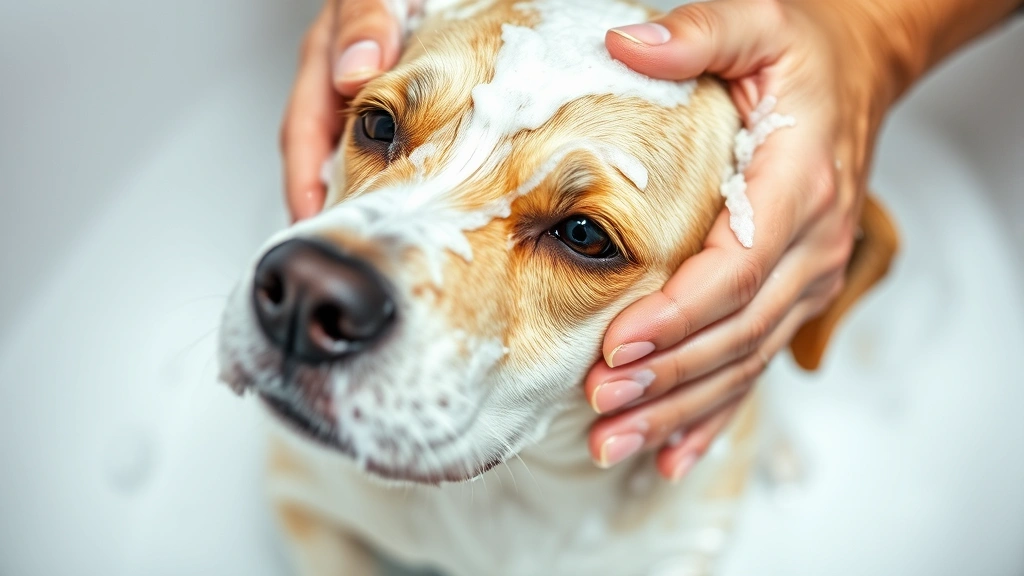
When bathing, wet your dog thoroughly with lukewarm water, apply shampoo gently, and massage it into the coat. Leave the shampoo on for a few minutes to allow it to work before rinsing completely. Incomplete rinsing leaves residue that can irritate skin, so take your time with this step.
After bathing, gently pat your dog dry rather than vigorously rubbing. Many dogs with dry skin benefit from a leave-in conditioner or moisturizing spray applied while their coat is still slightly damp. This helps lock in moisture and provides additional protection.
Regular brushing is another essential grooming practice. Brushing distributes natural oils throughout the coat and helps you monitor skin condition. It also removes loose hair and allows you to spot any new skin issues early. Brush your dog several times a week, adjusting frequency based on coat type and shedding patterns.
Supplements and Topical Treatments
In addition to dietary improvements, targeted supplements can provide significant relief for dogs with dry skin. These work by supporting skin health from the inside out and addressing specific deficiencies.
Fish oil supplements are among the most researched and recommended options for canine skin health. The omega-3 fatty acids in fish oil reduce inflammation and support the skin barrier function. Most veterinarians recommend fish oil for dogs with dry skin or allergies. Dosage depends on your dog’s weight, so consult your vet for proper amounts.
Probiotics have emerged as a valuable tool for skin health too. The gut-skin connection is real, and supporting healthy gut bacteria can improve skin conditions. Look for canine-specific probiotics with multiple strains of beneficial bacteria.
Coconut oil supplements and treats offer another option for internal skin support. Beyond the topical application mentioned earlier, coconut oil taken internally may provide anti-inflammatory benefits that support skin healing. Always start with small amounts to ensure your dog tolerates it well.
For topical treatments, medicated shampoos prescribed by your veterinarian can address specific skin conditions like yeast infections or bacterial overgrowth that often accompany dry skin. Hydrating sprays and coat oils designed for dogs provide moisture between baths. Apply these products to damp skin to maximize absorption.
Paw balms and moisturizing creams designed for dogs can target specific dry areas, particularly around the paws and nose. These products create a protective barrier while delivering moisture deep into the skin.
Always discuss supplements with your veterinarian before starting them, especially if your dog is on other medications. Some supplements can interact with medications or might not be appropriate for dogs with certain health conditions.
Environmental and Lifestyle Factors
Your dog’s environment plays a surprisingly significant role in skin health. Dry indoor air, especially during winter months, can exacerbate skin problems. Using a humidifier in your home, particularly in your dog’s sleeping area, can help maintain optimal moisture levels in the air.
Temperature extremes stress the skin. Make sure your dog has access to cool areas during hot weather and warm, draft-free spaces during cold months. Excessive heat can dry out skin, while cold air combined with indoor heating further reduces moisture.
Allergen management is critical if allergies are contributing to your dog’s dry skin. Regular vacuuming, washing bedding frequently in hypoallergenic detergent, and minimizing exposure to known allergens can reduce inflammation and skin irritation.
Exercise and playtime support overall health, including skin health. Regular activity improves circulation, which promotes nutrient delivery to skin cells. Aim for daily exercise appropriate to your dog’s age and breed.
Stress can actually trigger or worsen skin conditions in dogs. Maintaining a calm, consistent routine and providing mental enrichment helps keep stress levels down. Anxious dogs sometimes develop excessive paw licking as a self-soothing behavior, which can lead to or worsen dry skin issues.
Consider your dog’s bedding too. Wash bedding regularly in gentle detergent and avoid fabrics that might irritate sensitive skin. Soft, hypoallergenic materials are ideal for dogs prone to skin issues.
When to Seek Professional Help
While many cases of dry skin respond well to home treatments and dietary adjustments, some situations require professional veterinary attention. Knowing when to call your vet is important for preventing complications and ensuring your dog gets appropriate care.
If your dog’s dry skin doesn’t improve after 3-4 weeks of consistent treatment, schedule a veterinary appointment. Persistent dry skin might indicate an underlying condition requiring diagnosis and treatment. Your vet can perform skin scrapings, fungal cultures, or other tests to identify the root cause.
Seek professional help immediately if you notice signs of infection, such as pustules, oozing, severe redness, or foul odor coming from the skin. These signs indicate secondary bacterial or yeast infections that require medical treatment. Secondary infections are common complications of untreated or inadequately managed dry skin.
If your dog shows signs of systemic illness alongside dry skin—such as lethargy, weight changes, appetite loss, or behavioral changes—professional evaluation is essential. These symptoms might indicate underlying health conditions like hormonal imbalances or autoimmune disorders.
Severe scratching that causes bleeding or significant hair loss also warrants professional attention. Your vet can provide anti-itch medications and investigate whether hot spots or other serious skin conditions are developing.
Veterinary dermatologists are specialists who can provide advanced diagnostics and treatment plans for complex skin issues. If your regular veterinarian suspects an allergy or other complicated skin condition, they might refer you to a dermatologist for comprehensive evaluation.
According to the American Kennel Club, breed-specific skin conditions should be discussed with your veterinarian, as some breeds are predisposed to certain skin issues. Your vet can provide breed-specific guidance and preventive strategies.
Frequently Asked Questions
How long does it take to see improvement in dry skin with treatment?
Most dogs show noticeable improvement within 3-4 weeks of consistent treatment, though complete resolution might take 6-8 weeks. The timeline depends on the underlying cause, severity of the condition, and how consistently you follow the treatment plan. Dietary changes, in particular, often take several weeks to show effects as the skin gradually improves with better nutrition.
Can dry skin be a sign of a serious health condition?
Yes, dry skin can sometimes indicate underlying health issues like hypothyroidism, Cushing’s disease, or autoimmune conditions. This is why it’s important to have persistent dry skin evaluated by a veterinarian. They can run appropriate tests to rule out serious conditions and provide targeted treatment if needed.
Is it normal for dogs to have dry skin in winter?
Seasonal dry skin is common, especially during winter months when indoor heating reduces humidity and outdoor cold stresses the skin. If your dog only experiences dry skin seasonally, using a humidifier and slightly adjusting grooming practices usually provides relief. However, if dry skin persists year-round, further investigation is warranted.
Can I use human moisturizers or lotions on my dog?
It’s best to avoid human products on your dog’s skin. Human moisturizers have different pH levels and ingredients that might irritate canine skin or be toxic if ingested during grooming. Stick with products specifically formulated for dogs. If you want to use something simple, consult your vet first about safe options.
What’s the best dog food for dry skin?
Look for high-quality dog foods with named meat sources as primary ingredients and adequate omega-3 and omega-6 fatty acids. Many premium brands specifically formulate foods for skin health. Your veterinarian can recommend options appropriate for your dog’s age, size, and specific health needs. Some dogs benefit from limited ingredient diets if food allergies are involved.
How often should I bathe a dog with dry skin?
Dogs with dry skin typically benefit from bathing once every 4-6 weeks rather than more frequently. More frequent bathing strips away natural oils and worsens dryness. Use lukewarm water, gentle dog-specific shampoo, and ensure complete rinsing. Always follow with a moisturizing treatment while the coat is slightly damp.
Are there any home remedies that actually work for dry skin?
Several evidence-based home remedies can help. Adding fish or fish oil to your dog’s diet provides omega-3 fatty acids. Oatmeal baths (using colloidal oatmeal specifically) can soothe irritated skin. Coconut oil applied topically or added to food may provide benefits. However, these work best as part of a comprehensive approach including proper bathing, humidity management, and dietary improvements.
Can allergies cause dry skin?
Absolutely. Allergic reactions trigger inflammation that compromises the skin barrier, leading to dryness. Both food allergies and environmental allergies can cause dry skin. If you suspect allergies, work with your veterinarian to identify triggers and develop an elimination diet or allergy management plan. According to ASPCA resources, proper allergy identification is crucial for long-term skin health.





