
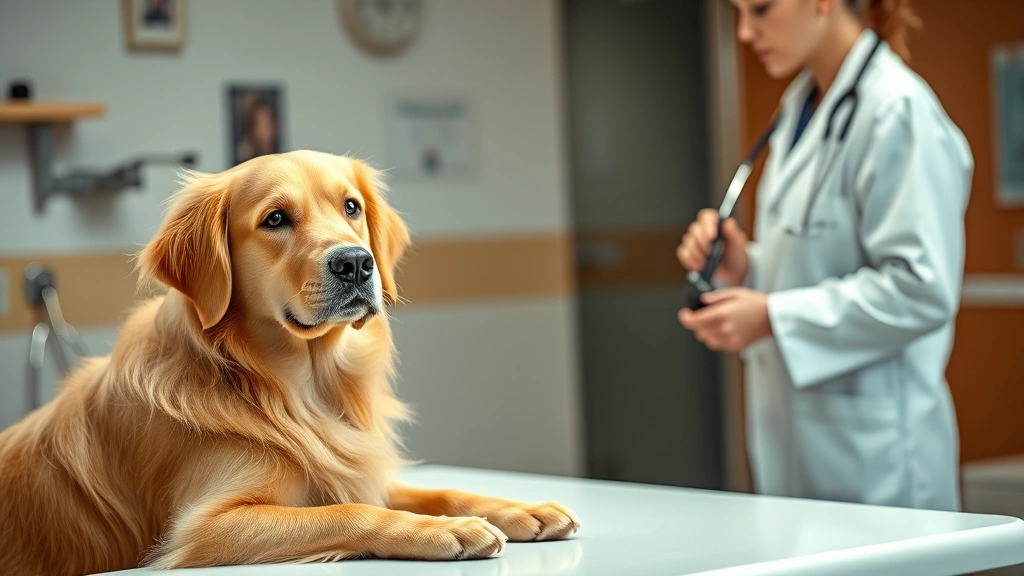
If you’re wondering how to treat Lyme disease in dogs, you’ve come to the right place—because this tick-borne illness is no joke, and your furry best friend deserves the best care possible. Lyme disease affects thousands of dogs annually, particularly in wooded areas and regions with high tick populations, so understanding treatment options could literally save your pup’s life.
Table of Contents
- What Exactly Is Lyme Disease in Dogs?
- Recognizing Lyme Disease Symptoms in Canines
- Antibiotic Treatment: The Gold Standard
- Supporting Your Dog’s Immune System During Recovery
- Managing Pain and Inflammation in Lyme Disease
- Nutritional Support: Healing From the Inside Out
- Monitoring for Complications and Long-Term Effects
- Prevention: The Best Treatment Strategy
- When to Seek Veterinary Help: Remote Options Available
- Recovery Timeline and Expectations
- Frequently Asked Questions
- The Bottom Line: Taking Action Against Lyme Disease
What Exactly Is Lyme Disease in Dogs?
Lyme disease is caused by the bacterium Borrelia burgdorferi, transmitted through infected tick bites. Unlike humans who often develop the characteristic bullseye rash, dogs rarely show obvious skin symptoms. Instead, they develop systemic issues that can sneak up on you faster than a squirrel at the dog park. The disease primarily affects joints, kidneys, and the nervous system, making early detection absolutely critical.
Recognizing Lyme Disease Symptoms in Canines
Your dog might not tell you they’re sick, but their behavior will. Watch for lameness that shifts from leg to leg (vets call this “shifting leg lameness”), lethargy, fever, swollen joints, and loss of appetite. Some dogs develop kidney disease months or even years after infection, which is why prevention and early treatment matter so much. If your pup suddenly acts like they’ve aged ten years overnight, get them checked out immediately.
Antibiotic Treatment: The Gold Standard
The primary approach for treating Lyme disease in dogs involves antibiotics, typically doxycycline or amoxicillin. Doxycycline is the preferred choice because it penetrates joint tissue effectively and reaches therapeutic levels where the bacteria hide. Your vet will prescribe a course lasting 28 days, and it’s absolutely crucial you complete the entire treatment even if your dog seems better after two weeks. Stopping early is like leaving the back door open for the infection to return.
According to the American Kennel Club, early antibiotic treatment can prevent progression to more serious complications. If caught within the first few weeks, most dogs respond excellently to antibiotics alone.
Supporting Your Dog’s Immune System During Recovery
While antibiotics do the heavy lifting, nutrition plays a supporting role that shouldn’t be ignored. Immune boosting foods for pets can help your dog’s body fight infection more effectively. Consider adding omega-3 rich foods, probiotics, and high-quality proteins to support immune function. Your vet might recommend specific supplements, so always ask before adding anything new to their diet.
Managing Pain and Inflammation in Lyme Disease
Joint pain and inflammation are common complications of Lyme disease, and your vet may prescribe NSAIDs (non-steroidal anti-inflammatory drugs) like carprofen or meloxicam to manage discomfort. These medications reduce inflammation and improve mobility, helping your dog return to normal activities. Anti-inflammatory foods for pets can complement pharmaceutical treatment nicely, providing natural support alongside medications.
Physical therapy and controlled exercise also help maintain joint health during recovery. Short, gentle walks are better than intense play sessions while your dog heals.
Nutritional Support: Healing From the Inside Out
Proper nutrition accelerates recovery and strengthens your dog’s overall health. Bone broth recipes for pets offer collagen and minerals that support joint health, while foods for joint health in pets provide glucosamine and chondroitin naturally. Work with your vet to create a balanced diet that supports immune function and reduces inflammation simultaneously.
Monitoring for Complications and Long-Term Effects
Some dogs develop Lyme nephritis (kidney disease) as a complication, which requires ongoing monitoring through blood work and urinalysis. Regular veterinary check-ups become even more important post-treatment. PetMD recommends annual screening for dogs in high-risk areas, even after successful treatment, because reinfection is possible.
Prevention: The Best Treatment Strategy
Here’s the truth: preventing Lyme disease is infinitely easier than treating it. Year-round tick prevention using topical treatments, oral medications, or tick collars is non-negotiable in endemic areas. Lyme vaccines for dogs exist but are controversial—discuss with your vet whether vaccination makes sense for your dog’s lifestyle and location.
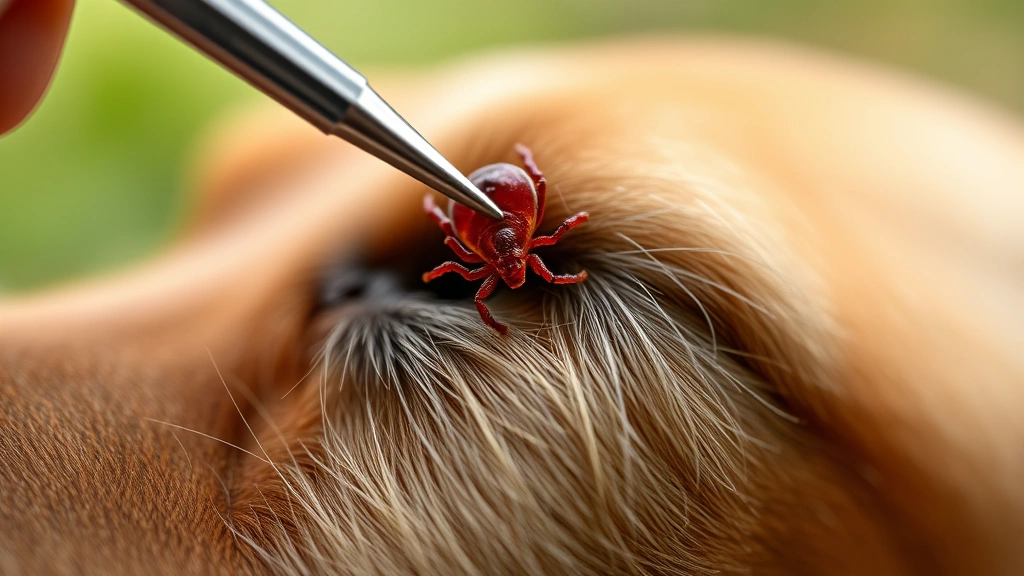
Check your dog thoroughly after outdoor adventures, especially if you’ve been in wooded areas. Ticks need 24-48 hours to transmit the bacteria, so early removal significantly reduces infection risk. Make tick checks part of your grooming routine.
When to Seek Veterinary Help: Remote Options Available
If your dog shows signs of Lyme disease, don’t wait for an appointment weeks away. Telehealth vet appointments offer quick consultations to discuss symptoms and determine if in-person examination is needed. This is especially helpful for initial assessments or follow-up questions during treatment.
Recovery Timeline and Expectations
Most dogs show improvement within 24-72 hours of starting antibiotics, though complete recovery takes the full 28-day course. Joint symptoms may take several weeks to resolve completely. Some dogs experience lingering issues, particularly if treatment was delayed, but the majority return to normal function with proper care.
Frequently Asked Questions
Can Lyme disease in dogs be cured completely?
Yes, if caught early and treated with appropriate antibiotics, Lyme disease can be effectively cured. However, some dogs develop chronic complications like Lyme nephritis that require ongoing management. The key is early detection and complete antibiotic treatment.
How long does Lyme disease treatment take?
Standard antibiotic treatment lasts 28 days. Your dog may feel better within days, but completing the full course is essential to eliminate the bacteria completely and prevent relapse.
Is Lyme disease contagious between dogs?
No, Lyme disease cannot spread directly from dog to dog. It only transmits through infected tick bites, so your other pets are safe unless they’re also exposed to infected ticks.
What’s the cost of treating Lyme disease in dogs?
Treatment costs vary but typically range from $500-$2,000 for initial diagnosis and antibiotic course. Complications like kidney disease increase costs significantly. Prevention through tick control is far more cost-effective.
Can my dog get Lyme disease more than once?
Unfortunately yes. Dogs can be reinfected if bitten by another infected tick. This is why continuous prevention matters, even after successful treatment.
The Bottom Line: Taking Action Against Lyme Disease
Knowing how to treat Lyme disease in dogs empowers you to protect your beloved companion. Early recognition, prompt veterinary care, complete antibiotic treatment, and supportive nutrition create the best outcomes. Combine treatment with rigorous prevention strategies to keep your dog tick-free and healthy. Your vet is your best resource for developing a personalized treatment and prevention plan based on your dog’s specific situation and risk factors. Don’t delay—Lyme disease progresses quickly, but it responds excellently to timely intervention. Your pup is counting on you to keep them safe and healthy.





