
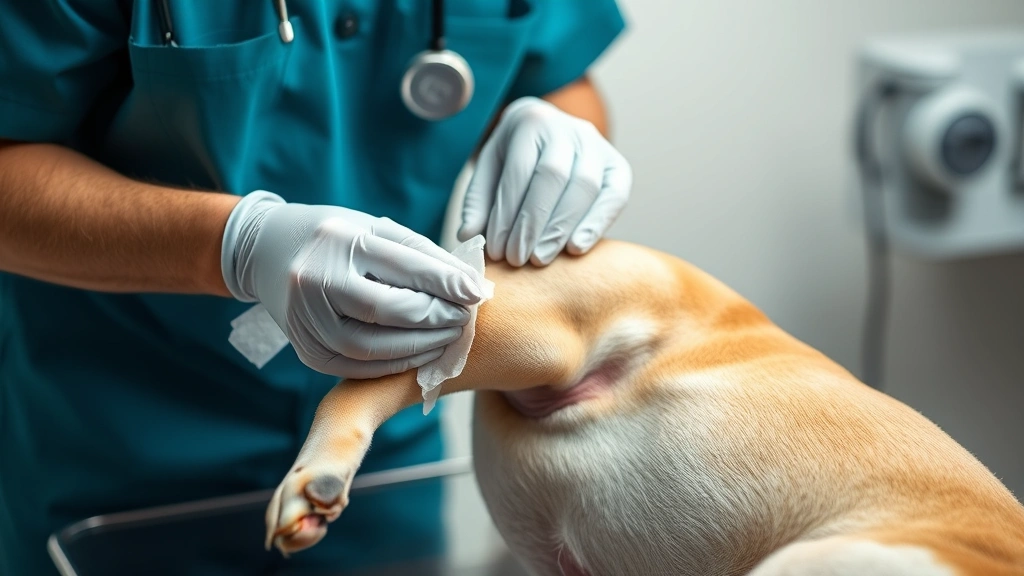
Learning how to treat open sore on dog is one of those skills every pet parent needs in their back pocket, right up there with knowing which foods are toxic and mastering the art of the puppy dog eye negotiation. Open sores on dogs can range from minor scrapes to serious wounds that need immediate attention, and knowing the difference can literally save your pup’s life (or at least save you a panic-induced 2 AM vet visit).
Table of Contents
- Understanding Dog Sores: What You’re Actually Dealing With
- Method 1: The Classic Clean and Dry Approach
- Method 2: Topical Treatments and Protective Barriers
- Method 3: Anti-Inflammatory Management for Swollen Sores
- Method 4: Nutritional Support and Healing From Within
- Method 5: Monitoring and Knowing When to Escalate
- Prevention: Because an Ounce of Prevention is Worth a Pound of Pus
- When to Call the Veterinarian Immediately
- Home Care Tips That Actually Make a Difference
- Special Considerations for Different Sore Types
- Frequently Asked Questions
- Conclusion: Your Dog’s Sore Recovery Roadmap
Understanding Dog Sores: What You’re Actually Dealing With
Before you start treating your dog’s open sore, you need to understand what caused it in the first place. Dogs get sores from everything—scratching at allergies, rolling in mysterious things at the park, fights with other dogs, or just being their clumsy selves. The important thing is recognizing whether you’re dealing with a minor wound or something that screams “VET NOW.” If the sore is actively bleeding heavily, shows signs of infection (pus, extreme redness, or swelling), or your dog seems lethargic or in severe pain, skip straight to your veterinarian. For minor wounds and superficial sores, here’s your game plan.
Method 1: The Classic Clean and Dry Approach
This is your foundation move, the bread and butter of wound care for dogs. Start by gently cleaning the area with lukewarm water and a soft cloth. You’re not performing surgery here—just rinse away any dirt, debris, or crusty bits. If your dog is being dramatic (and let’s be honest, they will be), use a spray bottle with lukewarm water to make it less intimidating. Pat the area dry with a clean towel, and resist the urge to use human wound products like hydrogen peroxide, which can actually damage healthy tissue and delay healing. Stick with plain water or a saline solution, and keep the area clean and dry throughout the day. This simple step prevents bacterial growth and gives your dog’s natural healing powers a fighting chance.
Method 2: Topical Treatments and Protective Barriers
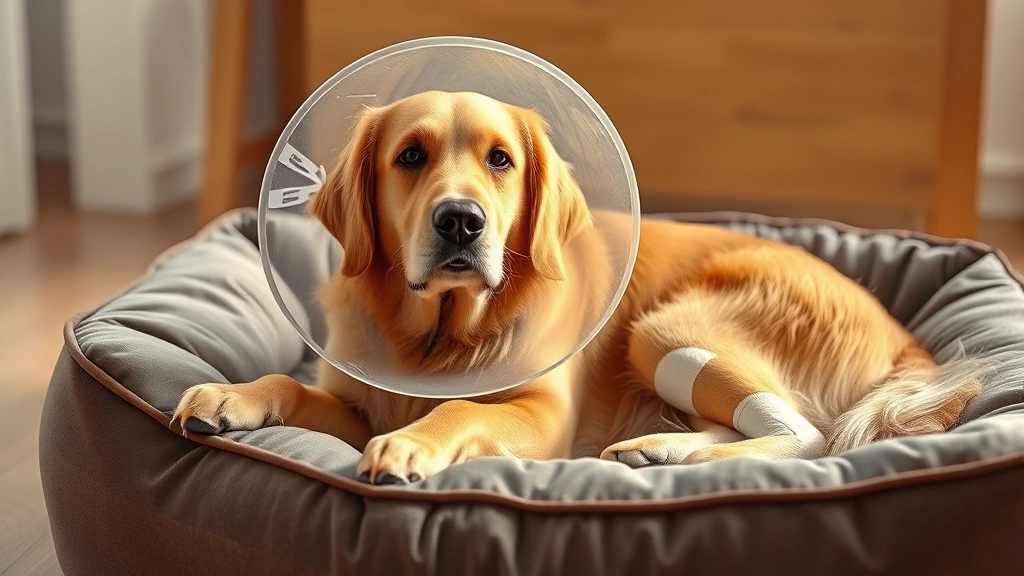
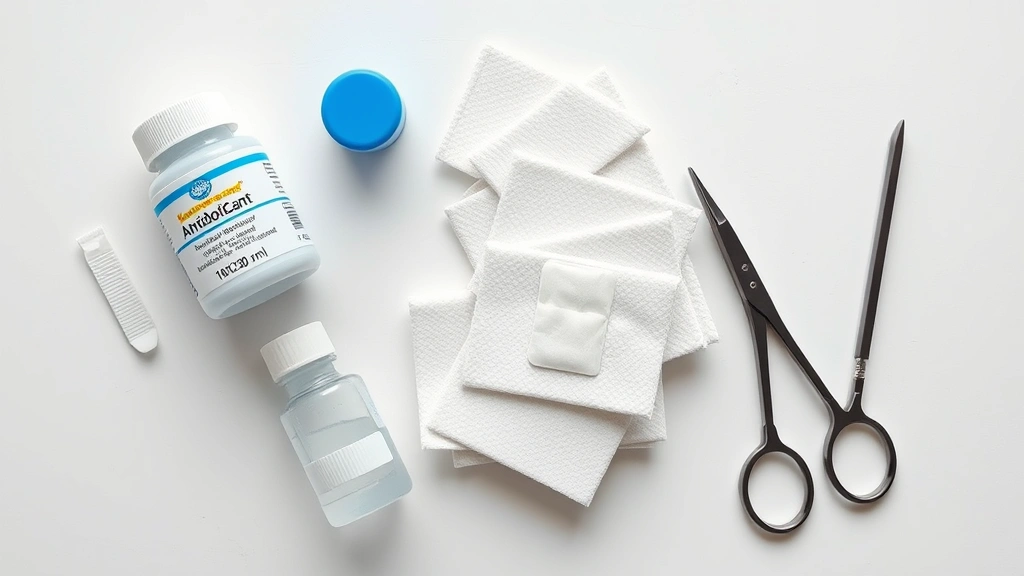
Once the wound is clean and dry, it’s time to create a protective barrier. Antibiotic ointments designed for pets (like those containing bacitracin) can help prevent infection without the harsh chemicals of human-grade products. Apply a thin layer directly to the sore, but here’s the catch—your dog will absolutely try to lick it off. This is where a protective cone (the dreaded Cone of Shame) or a dog-safe bandage becomes your best friend. Some pet parents swear by silicone-based wound gels or herbs safe for pets like calendula, which has natural antimicrobial properties. Whatever product you choose, make sure it’s specifically formulated for dogs, because their skin pH is different from ours, and what works for humans might irritate their skin.
Method 3: Anti-Inflammatory Management for Swollen Sores
If your dog’s sore is accompanied by significant swelling or inflammation, you’ll want to address that directly. Cold therapy works wonders for the first 24-48 hours—apply a clean, cool compress to the area for 10-15 minutes several times daily. This reduces swelling and pain without medication. For ongoing inflammation, talk to your vet about appropriate pain relief options. Many vets recommend Clindamycin for Dogs when bacterial infection is a concern, though this requires a prescription. Additionally, incorporating anti-inflammatory foods for pets into their diet can support healing from the inside out. Foods rich in omega-3 fatty acids, like fish and flaxseed, promote skin health and reduce systemic inflammation that might be slowing wound healing.
Method 4: Nutritional Support and Healing From Within
Here’s something most people overlook: your dog’s body needs fuel to heal properly. Protein is essential for tissue repair, so ensure your pup is eating a high-quality diet with adequate protein content. Some pet parents create healing broths using bone broth recipes for pets, which provides collagen, amino acids, and minerals that support skin regeneration. Vitamins E and C are particularly important for wound healing, and you can find these in supplements designed for dogs or in whole foods like sweet potatoes and blueberries. Zinc also plays a crucial role in tissue repair, so if your vet recommends supplementation, don’t skip it. Think of nutrition as your dog’s internal healing team working alongside your external wound care.
Method 5: Monitoring and Knowing When to Escalate
The most underrated part of treating open sores is simply paying attention to how they’re progressing. Check the wound daily for signs of improvement—the sore should gradually look less red, the swelling should decrease, and any discharge should be minimal. If you notice the sore getting larger, becoming more inflamed, developing a foul odor, or if your dog develops a fever or seems unwell, it’s time to call your vet. Infection can escalate quickly in dogs, and what started as a minor wound can become a serious issue if left untreated. Consider using a virtual pet checkup service if you’re unsure whether the sore warrants an in-person visit—many vets now offer photo consultations that can save you time and money while still getting professional advice.
Prevention: Because an Ounce of Prevention is Worth a Pound of Pus
Once you’ve dealt with one open sore, you’ll be motivated to prevent the next one. Keep your dog’s nails trimmed to reduce self-inflicted wounds from scratching. Address allergies promptly—whether food-related or environmental—because constant scratching is a sore factory. Check your dog’s skin regularly during grooming, especially in dogs with thick coats where problems can hide. Keep your dog’s living area clean and free from sharp objects, and supervise playtime with other dogs to prevent fight-related injuries. If your dog has a tendency toward certain types of sores, talk to your vet about underlying causes like allergies, parasites, or skin conditions.
When to Call the Veterinarian Immediately
Not all sores are created equal, and some demand professional attention right away. Call your vet if the wound is deep, won’t stop bleeding after 10 minutes of gentle pressure, shows signs of infection (pus, excessive heat, or foul smell), is located near the eyes or genitals, or if your dog is limping or unable to use the affected area. Puncture wounds, bite wounds, and sores caused by unknown sources also warrant veterinary evaluation, as they might be deeper than they appear or contaminated with bacteria. When in doubt, it’s better to be overcautious—vets would rather see you for a false alarm than deal with a serious infection that could have been prevented.
Home Care Tips That Actually Make a Difference
Beyond the five main methods, some simple home care practices significantly impact healing. Keep the sore dry between cleanings, as moisture promotes bacterial growth. If your dog is a swimmer or gets wet frequently, protect the sore with a waterproof covering during baths or outdoor time. Prevent your dog from licking the wound obsessively by using a cone, a dog sweater, or bitter spray deterrents. Keep the surrounding area of your dog’s coat trimmed short so you can monitor the sore easily and prevent hair from trapping bacteria. Maintain a consistent cleaning schedule—twice daily is ideal for most sores—and use the same gentle technique each time to avoid re-traumatizing the area.
Special Considerations for Different Sore Types
Hotspots (acute moist dermatitis) require different care than puncture wounds or scrapes. Hotspots need to be clipped of hair, cleaned thoroughly, and kept dry, often with topical steroids prescribed by a vet. Pressure sores in senior dogs need cushioning and frequent position changes. Sores from allergies require addressing the underlying allergy while treating the wound. Sores from parasites need parasite treatment alongside wound care. Understanding the root cause of your dog’s sore helps you treat it more effectively and prevent recurrence. Your vet can help identify the cause and recommend specific treatment protocols for your dog’s situation.
Frequently Asked Questions
Can I use human antibiotic ointment on my dog’s open sore?
While some human antibiotic ointments are safe for dogs in small amounts, it’s better to use products specifically formulated for pets. Human products may contain ingredients that are irritating to dog skin or could be harmful if ingested through licking. Always check with your vet before applying any human product to your dog’s wound.
How long does it typically take for a dog’s open sore to heal?
Minor sores usually show improvement within 5-7 days and can heal completely within 2-3 weeks with proper care. Deeper wounds or those prone to infection may take longer. If a sore isn’t improving after a week of home treatment, it’s time for a veterinary evaluation.
Is it normal for my dog to lick their sore wound?
It’s completely normal—dogs instinctively lick wounds—but it’s also problematic because it introduces bacteria, removes protective barriers, and can cause further damage. Use a cone, bandage, or bitter spray to discourage licking while the sore heals.
What signs indicate my dog’s sore is infected?
Watch for increased redness, warmth, swelling, pus or discharge, a foul odor, or your dog showing signs of pain when the area is touched. If your dog becomes lethargic or develops a fever, infection may be systemic and requires immediate veterinary attention.
Can I prevent my dog from getting open sores?
While you can’t prevent every sore, you can reduce risk by maintaining good hygiene, addressing allergies, keeping nails trimmed, preventing parasites, and supervising playtime. Regular skin checks during grooming help you catch problems early.
Conclusion: Your Dog’s Sore Recovery Roadmap
Learning how to treat open sore on dog isn’t just about first aid—it’s about understanding your role as your dog’s healthcare advocate. The five proven methods outlined here—cleaning and drying, topical treatments, anti-inflammatory management, nutritional support, and careful monitoring—cover the vast majority of minor to moderate sores you’ll encounter. Remember that prevention is always easier than treatment, and knowing when to seek professional help is just as important as knowing how to treat at home. Your veterinarian is your partner in keeping your dog healthy, so don’t hesitate to reach out when you’re unsure. With proper care, most open sores heal beautifully, and your pup will be back to their normal chaos-causing self in no time. Now go forth and be the wound-care warrior your dog needs!





