
How to Treat Pink Eye in Dogs: Expert Guide
If you’ve noticed your furry best friend squinting, pawing at their eyes, or sporting a suspicious red, crusty appearance around the peepers, you might be dealing with canine pink eye—medically known as conjunctivitis. It’s one of those conditions that sounds more dramatic than it actually is, but it definitely deserves your attention. Pink eye in dogs is surprisingly common, affecting pups of all ages and breeds, and the good news? It’s usually treatable with the right approach.
Whether your dog picked up a bacterial infection from a muddy romp in the park, developed an allergic reaction, or caught something viral from a fellow canine pal, understanding how to treat pink eye properly can mean the difference between a quick recovery and prolonged discomfort for your pup. In this comprehensive guide, we’ll walk you through everything you need to know about identifying, treating, and preventing this pesky eye condition.
Let’s dig into the nitty-gritty of keeping those puppy dog eyes healthy and clear!
What is Pink Eye in Dogs?
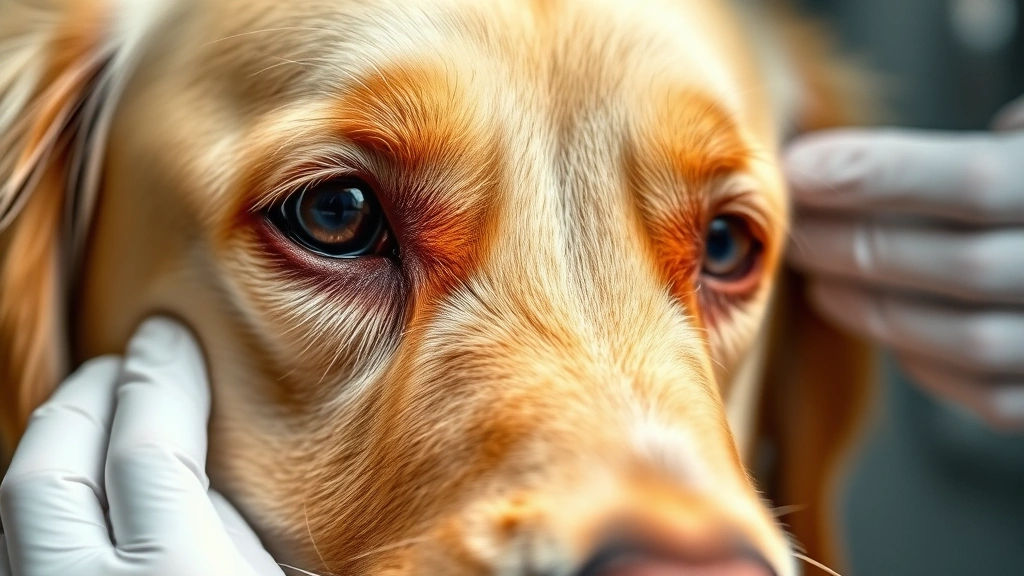
Pink eye, or conjunctivitis, is an inflammation of the conjunctiva—that thin, transparent membrane covering the white part of your dog’s eye and lining the inner eyelids. When this tissue becomes irritated or infected, it turns red and inflamed, giving your pup that characteristic “pink eye” appearance that gives the condition its common name. Think of it as your dog’s eye throwing a little tantrum.
The conjunctiva is incredibly sensitive and prone to irritation because it’s constantly exposed to environmental factors, allergens, and potential pathogens. In dogs, this condition can range from mild and manageable to serious and requiring urgent veterinary intervention. The severity often depends on the underlying cause—whether we’re talking about a simple dust particle or a more serious bacterial or viral infection.
What’s important to understand is that conjunctivitis isn’t always contagious, though sometimes it can be. If your dog’s pink eye stems from a viral or bacterial infection, there’s potential for transmission to other dogs. However, if it’s due to allergies or a foreign object, your pup isn’t spreading anything to their furry friends.
Common Causes of Canine Conjunctivitis
Understanding what triggered your dog’s pink eye is crucial for effective treatment. The causes are remarkably diverse, ranging from environmental nuisances to serious infections. Let’s break down the most common culprits:
- Bacterial infections: These are among the most frequent causes and typically result from bacteria like Staphylococcus or Streptococcus colonizing the eye area. Dogs might pick these up from contaminated environments, other animals, or even their own paws if they’ve been scratching.
- Viral infections: Canine distemper and herpes viruses can cause conjunctivitis as part of a broader illness. If your dog has caught a cold or other viral illness, pink eye might be a secondary symptom.
- Allergies: Just like humans, dogs can develop allergic reactions to pollen, dust, mold, or food. These allergies often manifest as itchy, red, watery eyes.
- Foreign objects: A speck of dust, grass seed, or other debris can irritate the conjunctiva and trigger inflammation. Your dog’s natural response is to rub and scratch, which only makes things worse.
- Dry eye syndrome: When tear production decreases, the eyes become dry and irritated, leading to conjunctivitis. This condition is more common in certain breeds.
- Eyelid abnormalities: Conditions like entropion (inward-rolling eyelids) can cause chronic irritation and secondary infections.
- Secondary to other conditions: Sometimes conjunctivitis develops as a complication of other health issues. Understanding why your dog’s eyes are red helps identify the root cause.
Recognizing the Symptoms
Catching pink eye early means faster treatment and less discomfort for your pup. Here are the telltale signs to watch for:
- Excessive tearing: Your dog’s eyes may water more than usual, with tears streaming down their face.
- Red or pink conjunctiva: The whites of the eyes and inner eyelids appear noticeably red or pink—hence the condition’s name.
- Discharge: You might notice clear, mucous, or crusty discharge around the eyes. In bacterial infections, this discharge is often yellowish or greenish.
- Squinting and sensitivity: Your dog might squint frequently or show sensitivity to light, indicating discomfort.
- Pawing at the eyes: Your pup may frequently rub or paw at their eyes, trying to relieve the irritation.
- Swelling: The area around the eyes might appear puffy or swollen.
- Behavioral changes: Your dog might seem more irritable or withdrawn due to eye discomfort.
The severity of symptoms can vary considerably. Some dogs experience mild irritation, while others deal with significant discomfort. If you notice any combination of these signs, it’s time to schedule a veterinary appointment.
Professional Diagnosis and Examination
Your veterinarian will conduct a thorough eye examination to determine the cause of your dog’s conjunctivitis. This process typically involves several steps:
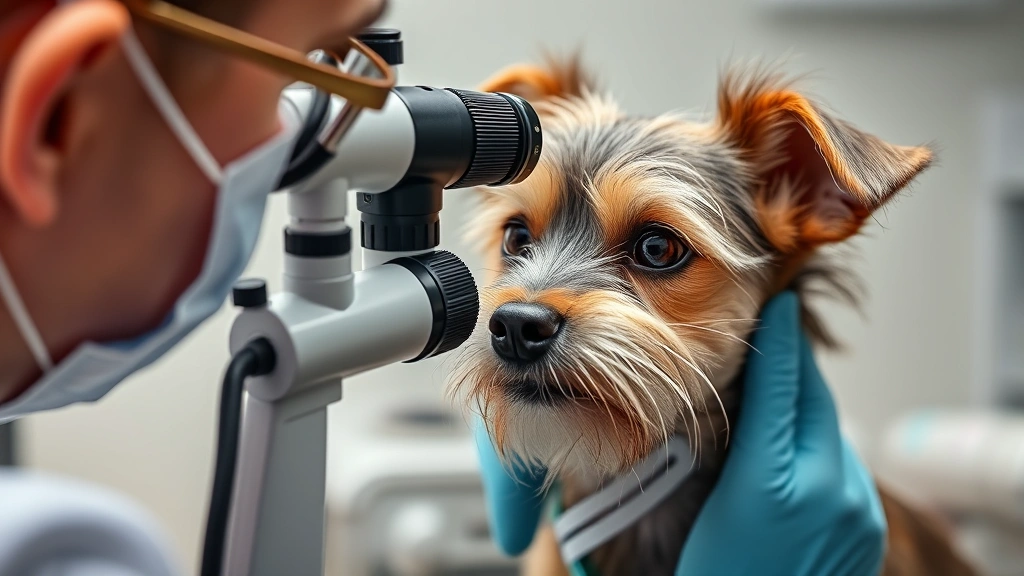
First, your vet will perform a visual examination using specialized equipment like an ophthalmoscope or slit lamp to magnify the eye structures and identify any abnormalities. They’ll check for foreign objects, measure tear production using a Schirmer tear test, and evaluate the overall health of the eye.
Depending on the initial findings, your veterinarian might collect samples for laboratory testing. A bacterial culture can identify specific bacteria and determine which antibiotics will be most effective. This targeted approach is far superior to guessing, as it ensures your dog receives the right medication.
Your vet may also perform an assessment of your dog’s overall health to rule out systemic conditions that might be contributing to the conjunctivitis. This comprehensive approach ensures nothing gets overlooked.
Treatment Options for Pink Eye
Treatment depends entirely on what’s causing the problem. Your veterinarian will recommend the most appropriate approach based on their diagnosis:
Antibiotic Eye Drops and Ointments
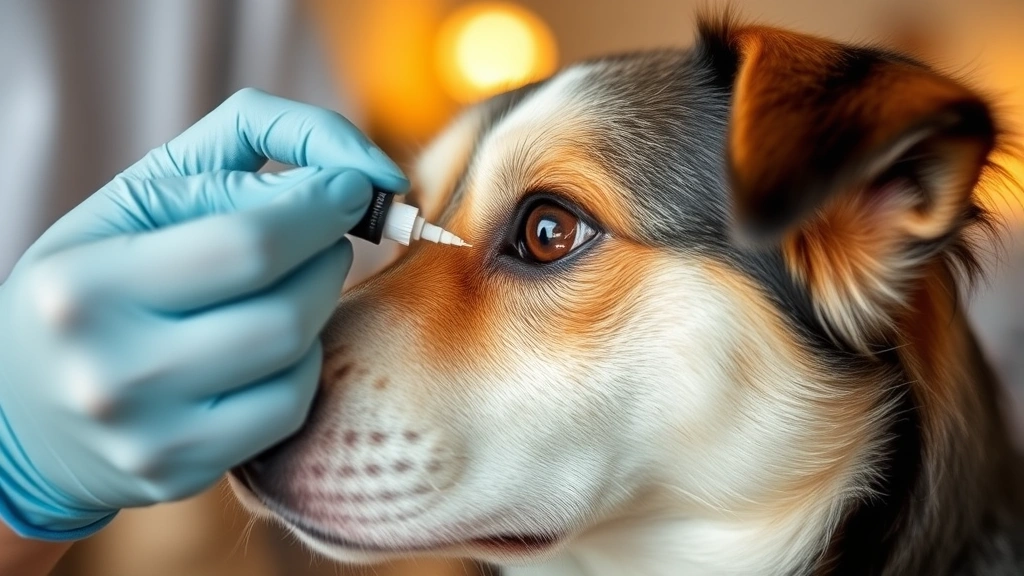
For bacterial conjunctivitis, antibiotic eye medications are the gold standard. Your vet might prescribe drops that you’ll administer several times daily or ointments that provide longer-lasting coverage. Common options include tobramycin, gentamicin, or fluoroquinolone antibiotics. The key to success is consistent application—missing doses can allow bacteria to regain a foothold.
Antiviral Medications
If a viral infection is responsible, your vet might recommend antiviral eye drops or systemic medications. Viral conjunctivitis often resolves on its own with supportive care, but medication can speed recovery and reduce discomfort.
Anti-inflammatory Medications
Nonsteroidal anti-inflammatory drugs (NSAIDs) or corticosteroid eye drops can reduce inflammation and swelling. However, these must be used carefully and only under veterinary supervision, as improper use can worsen certain conditions.
Allergy Management
If allergies are the culprit, your vet might recommend antihistamines, omega-3 supplements, or environmental modifications to reduce exposure to allergens. Some dogs benefit from prescription allergy medications or immunotherapy.
Addressing Underlying Conditions
If dry eye syndrome is causing the problem, artificial tear supplements or medications that stimulate tear production (like cyclosporine) can help. For eyelid abnormalities, surgical correction might be necessary for long-term resolution.
According to the American Kennel Club’s expert guidance on canine conjunctivitis, early intervention significantly improves outcomes and reduces the risk of complications.
Home Care and Management
While professional treatment is essential, your role in home care is equally important. Here’s how to support your dog’s recovery:
Gentle Cleaning
Gently clean away discharge using a soft, damp cloth or sterile saline solution. Use a fresh cloth for each eye to prevent cross-contamination. Avoid harsh rubbing, which can further irritate the conjunctiva.
Medication Administration
Follow your veterinarian’s instructions precisely regarding medication timing and dosage. If you’re struggling with eye drop administration, ask your vet for a demonstration—they can show you techniques to make it easier. Pro tip: warm the drops slightly by holding the bottle in your hand for a moment before application, as this makes them more comfortable for your pup.
Preventing Further Irritation
Keep your dog from scratching or rubbing their eyes. You might need to use an Elizabethan collar (cone) temporarily to prevent self-trauma. Ensure your pup’s environment is clean and dust-free when possible.
Nutritional Support
A diet rich in omega-3 fatty acids supports eye health and can reduce inflammation. Consider adding fish oil supplements (with veterinary approval) or feeding foods naturally high in these nutrients.
Don’t assume that over-the-counter products like Neosporin is safe for your dog’s eyes. Always use only medications prescribed or recommended by your veterinarian, as some products can be harmful when applied to canine eyes.
Prevention Strategies
An ounce of prevention is worth a pound of cure, especially when it comes to your dog’s eyes. Here are practical strategies to reduce the risk of pink eye:
- Maintain good hygiene: Regularly clean your dog’s bedding, toys, and food bowls. Wash your hands before and after handling your pup to prevent spreading bacteria or viruses.
- Minimize environmental irritants: Keep your home well-ventilated and dust-free. Use air purifiers if your dog has allergies or sensitivity to airborne particles.
- Protect during outdoor activities: When your dog spends time outdoors, be mindful of dusty or dirty environments where conjunctivitis-causing organisms thrive. After playing, gently rinse your pup’s face with clean water.
- Regular grooming: Keep hair around your dog’s eyes trimmed to prevent it from irritating the conjunctiva. This is especially important for long-haired breeds.
- Stay current on vaccinations: Keeping your dog up-to-date on vaccines helps prevent viral infections that can lead to conjunctivitis.
- Address underlying health issues: Manage conditions like dry eye syndrome or allergies proactively. If your dog has skin conditions or hot spots, treating these promptly can prevent secondary eye infections.
- Limit contact with sick animals: During outbreaks of contagious conjunctivitis, minimize your dog’s exposure to other dogs showing signs of illness.
- Regular veterinary check-ups: Routine eye examinations during wellness visits can catch problems early before they develop into full-blown conjunctivitis.
The ASPCA provides comprehensive information on common dog eye problems that can help you stay informed about potential issues.
Frequently Asked Questions
Is my dog’s pink eye contagious to other dogs?
It depends on the cause. Bacterial and viral conjunctivitis can spread to other dogs through direct contact or contaminated surfaces. Allergic or foreign object-related conjunctivitis is not contagious. Your veterinarian can tell you whether your dog’s specific case poses a transmission risk. If it’s contagious, keep your pup away from other dogs until treatment is complete and symptoms resolve.
Can I use human eye drops on my dog?
No, absolutely not. Human eye medications are formulated differently and may contain ingredients that are harmful to dogs. Always use only medications prescribed by your veterinarian. What works for your eyes can actually damage your dog’s vision.
How long does it take for pink eye to go away?
Recovery time varies depending on the cause and severity. Bacterial conjunctivitis typically improves within 7-10 days of starting appropriate antibiotic treatment. Viral cases might take 2-3 weeks. Allergic conjunctivitis may require ongoing management. Always complete the full course of treatment even if symptoms improve sooner.
What if my dog’s pink eye doesn’t improve with treatment?
If your dog’s symptoms persist after a week of treatment or worsen at any point, contact your veterinarian immediately. This could indicate treatment failure, a resistant infection, or an underlying condition that wasn’t initially identified. Your vet might recommend additional testing or alternative medications.
Can pink eye cause permanent damage to my dog’s vision?
In most cases, properly treated conjunctivitis doesn’t cause lasting vision problems. However, severe infections or delayed treatment can occasionally lead to complications like corneal scarring or vision loss. This is why prompt veterinary care is so important.
Should I use warm or cold compresses on my dog’s eyes?
Warm compresses can feel soothing and help loosen crusty discharge, making it easier to clean. However, check with your veterinarian before using any compresses, as they might not be appropriate for all types of conjunctivitis. Cold compresses might provide temporary relief for itching but aren’t generally recommended without professional guidance.
My dog keeps scratching their eyes—what should I do?
Scratching can cause secondary trauma and worsen the condition. Ask your vet about using an Elizabethan collar temporarily to prevent your pup from rubbing their eyes. You might also consider keeping their nails trimmed short to minimize damage if scratching does occur. Keeping your dog’s mind occupied with activities and puzzle toys can also reduce the urge to scratch from boredom or anxiety.





