

How to Trim Black Dog Nails: Expert Tips for Safe and Effective Grooming
Trimming your dog’s nails is one of the most important aspects of pet grooming, yet many dog owners find it intimidating—especially when dealing with black nails. Unlike light-colored nails where you can easily see the pink quick (the blood vessel inside the nail), black nails present a unique challenge that requires extra care, attention, and the right technique. Whether you’re a first-time dog owner or an experienced pet parent looking to refine your grooming skills, this comprehensive guide will walk you through everything you need to know about keeping your furry friend’s feet healthy and well-maintained.
The anxiety surrounding black dog nail trimming is completely understandable. One wrong cut could cause bleeding, pain, and potential infection. However, with proper knowledge, the right tools, and a calm approach, you can confidently trim your dog’s black nails at home. In this article, we’ll explore proven techniques, safety precautions, and expert tips that will make the process easier for both you and your beloved companion.
Regular nail maintenance isn’t just about aesthetics—it’s crucial for your dog’s overall health and comfort. Overgrown nails can cause pain when walking, lead to joint problems, and even affect your dog’s posture. Let’s dive into the essentials of how to cut dogs black toenails safely and effectively.
Why Black Nails Are More Challenging
Black nails present a distinct challenge compared to white or light-colored nails. The primary difficulty lies in visibility—you simply cannot see where the quick ends and the nail begins. The quick is the living part of the nail containing blood vessels and nerves. If you cut into it, your dog will experience pain and bleeding. This makes black nails particularly tricky for inexperienced groomers.
The anatomy of a black nail is identical to a light-colored one; the only difference is pigmentation. However, this pigmentation creates an optical barrier that prevents you from seeing the internal structures. According to the American Kennel Club, many dog owners resort to professional grooming specifically because of black nails, but with proper technique, you can master this skill at home.
Understanding the challenges allows you to approach the task with appropriate caution and realistic expectations. It’s not impossible—it just requires patience and a methodical approach.
Essential Tools and Equipment
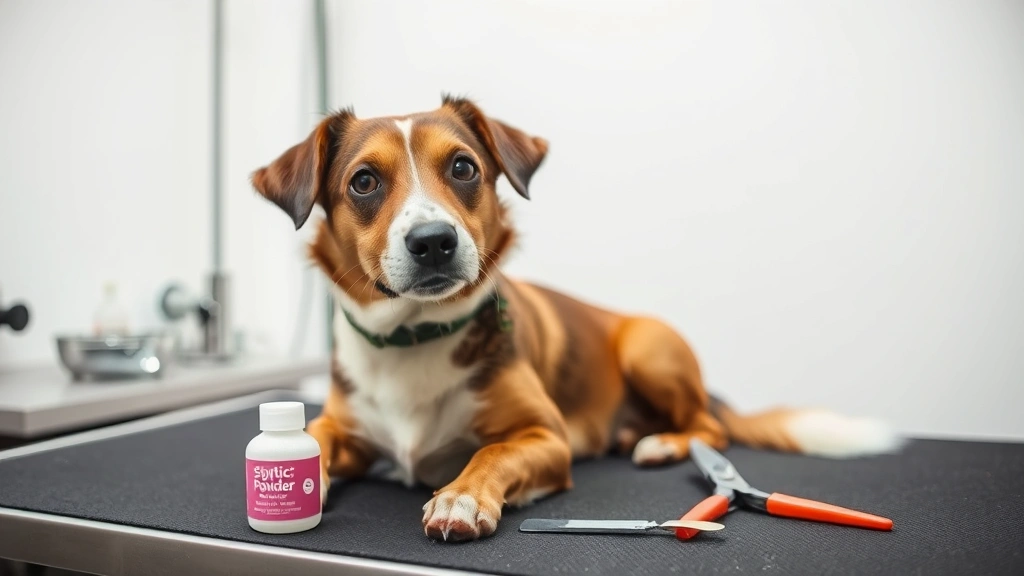
Before you begin trimming your dog’s nails, gathering the right tools is absolutely essential. Using improper equipment can result in crushed nails, splintering, or accidental injury to the quick.
Nail Clippers: There are two main types—scissor-style clippers and guillotine-style clippers. Scissor-style clippers work like regular scissors and offer better control and visibility. Guillotine clippers have a small hole where you insert the nail, and a blade slides across to cut it. For black nails, scissor-style clippers are generally preferred because they allow you to see exactly what you’re cutting.
Nail Grinder: An electric nail grinder is an excellent alternative to clippers, especially for black nails. The grinding method allows for more gradual nail reduction and makes it easier to see when you’re approaching the quick. The friction creates a slight cauterization effect that can help prevent bleeding if you accidentally grind too far.
Styptic Powder: This is absolutely crucial to have on hand. Styptic powder stops bleeding quickly if you accidentally cut the quick. Keep it within arm’s reach during the entire trimming process. ASPCA-approved styptic powders are readily available at pet stores and online retailers.
Flashlight or Headlamp: Proper lighting is essential when trimming black nails. A bright light source helps you see the nail structure more clearly and spot any changes in texture or color that might indicate the quick is near.
Treats and Rewards: Have high-value treats ready to reinforce positive behavior during and after the grooming session.
Nail File: A fine-grit nail file helps smooth rough edges after clipping and can be used to further refine the nail shape.
Understanding Your Dog’s Nail Anatomy
To trim black nails safely, you need a solid understanding of what’s inside that dark exterior. A dog’s nail consists of several layers, with the quick being the most critical component.
The Quick: This is the living part of the nail containing blood vessels and nerve endings. In light nails, it appears pink. In black nails, it’s invisible from the outside, but it’s still there. The quick extends from the base of the nail partway down its length.
The Hard Nail Shell: This is the part you’re actually cutting. It’s made of keratin, the same protein that makes up human hair and nails.
The Nail Bed: This is the tissue beneath the nail that connects it to the toe.
When you look at a black nail from the side, you might notice a small dark circle or oval in the center of the nail’s cross-section—this is often the quick. However, this isn’t always visible or accurate, which is why the gradual trimming method is recommended for black nails.
Knowing how many toes your dog has is also helpful for keeping track during trimming sessions. Most dogs have how many toes does a dog have relevant information, as front paws typically have five toes (including the dewclaw) and back paws have four.
Preparing Your Dog for Nail Trimming
Successful nail trimming starts with proper preparation. A calm, cooperative dog makes the entire process safer and more efficient.
Choose the Right Time: Select a time when your dog is relaxed and calm, not energetic or playful. Many dogs are calmer in the evening or after exercise. Avoid trimming when your dog is anxious or has just experienced something stressful.
Create a Comfortable Environment: Set up a well-lit, quiet space where you can work comfortably. If your dog is small, you might use a grooming table. For larger dogs, the floor works fine. Ensure your dog feels secure and supported.
Get Your Dog Accustomed to Handling: Before you even bring out the clippers, spend time touching and handling your dog’s paws. Gently press on the paw pads and between the toes. This desensitization process helps your dog feel comfortable when you’re working with their feet.
Practice Positive Reinforcement: Start by letting your dog see and sniff the clippers. Reward them with treats and praise. This builds positive associations with the grooming tools.
Consider a Helper: For anxious dogs, having a second person to comfort and distract your dog can be incredibly helpful. They can offer treats and reassurance while you focus on the trimming.
Restrain Properly: While you don’t want to hurt or scare your dog, you do need them to stay still. Some owners use a grooming loop or harness to gently secure their dog. If you’re unsure about restraint options, learning how to put a harness on a dog can provide additional control and safety.

Step-by-Step Trimming Guide
Step 1: Examine the Nails
Start by examining all of your dog’s nails under bright light. Look for any signs of infection, cracking, or unusual growth. Check the length and determine which nails need trimming. Ideally, nails should be short enough that they don’t click on the floor when your dog walks.
Step 2: Position Your Dog Comfortably
Get your dog into a comfortable position where you have easy access to their paws. Support their leg gently but firmly. For front paws, you might hold the leg up and slightly back. For back paws, lift the leg up and out to the side.
Step 3: Use the Flashlight Technique
Hold a bright flashlight or headlamp behind the nail, shining light through it. With black nails, this backlighting technique can sometimes help you see the quick as a slightly different shade or texture. While not foolproof, it’s one of the most effective visual methods available.
Step 4: Make Small Cuts
This is the golden rule for black nails: trim small amounts at a time. Cut only 1-2 millimeters off the tip of the nail. Look at the freshly cut surface. You’re looking for a small dark circle or dot in the center—this is the quick. If you see it, stop immediately. The nail should be getting noticeably shorter with each cut.
Step 5: Watch for the Quick
As you continue trimming in small increments, watch the cross-section of the nail carefully. You’ll notice the nail becomes softer and slightly more moist as you get closer to the quick. The texture will change, and you might see a small dark spot appearing in the center. Some nails will show a small hollow circle before you reach the quick—this is normal and safe to trim past.
Step 6: Stop When You See the Quick
The moment you see any sign of the quick (usually a dark dot or moist appearance), stop trimming that nail. You’ve reached the appropriate length. It’s better to leave the nail slightly longer than to risk cutting into the quick.
Step 7: Smooth the Edges
Use a nail file to smooth any rough or splintered edges. This prevents snagging and makes the nail more comfortable for your dog. File in one direction, from the outer edge toward the center.
Step 8: Repeat for All Nails
Work through all of your dog’s nails methodically. Don’t rush. Some nails may need more trimming than others depending on how quickly they grow and how much they’ve worn down naturally.
For a more detailed approach to this process, you might also review our guide on how to cut dog nails that are black for additional perspectives and techniques.
Safety Tips and What to Avoid
Never Rush the Process
Rushing is the primary cause of nail trimming accidents. Take your time, especially with black nails. If your dog becomes impatient, take a break and resume later. A stressed or frustrated dog is more likely to jerk their paw, causing injury.
Avoid Using Dull Clippers
Dull clippers crush the nail instead of cleanly cutting it, which causes pain and can damage the nail structure. Keep your clippers sharp and replace them when they become dull. High-quality clippers are an investment that pays off in safer, cleaner cuts.
Don’t Cut at an Angle
Always cut straight across the nail, perpendicular to the length of the toe. Cutting at an angle can create weak points in the nail and makes it harder to judge how much you’re removing.
Avoid Cutting the Dewclaws Too Short
Dewclaws (the extra toes on the inner side of the front legs) don’t wear down naturally like other nails because they don’t touch the ground. They need regular trimming, but be extra cautious—the quick in dewclaws is often proportionally larger.
Don’t Panic If You Hit the Quick
If you accidentally cut into the quick and your dog’s nail bleeds, remain calm. Apply styptic powder immediately, pressing gently against the bleeding nail for 30 seconds. The bleeding should stop within a minute or two. If bleeding continues beyond five minutes, contact your veterinarian.
Avoid Trimming If Your Dog Is Injured
If your dog has a paw injury or infection, postpone trimming until they’ve healed. If you notice any signs of infection—redness, swelling, discharge, or odor—consult your veterinarian before trimming.
Aftercare and Handling Accidents
Immediate Aftercare
After successfully trimming your dog’s nails, reward them with praise and treats. This reinforces positive behavior and makes future grooming sessions easier. Check your dog’s paws to ensure there are no splinters or rough edges.
Watch for Signs of Discomfort
Over the next few days, observe your dog’s gait and behavior. They should walk normally without limping or showing signs of pain. If you notice any issues, contact your veterinarian.
If You Cut the Quick
Apply styptic powder immediately if bleeding occurs. If your dog seems to be in significant pain or the nail becomes infected, consult your vet. Signs of infection include excessive swelling, discharge, or persistent limping. In such cases, knowing how to clean a dog wound properly is important, though professional veterinary care is recommended for infected nails.
Establish a Regular Schedule
Most dogs need their nails trimmed every 3-4 weeks, though this varies based on activity level and individual growth rates. Dogs that spend a lot of time on hard surfaces may need less frequent trimming. Keep a grooming calendar to track when you last trimmed your dog’s nails and when the next appointment should be.
Maintain Overall Paw Health
Regular nail trimming is just one aspect of paw care. Keep the area between toe pads clean and free of matted fur. Check for any cuts, infections, or foreign objects lodged between the toes. A comprehensive grooming routine should include attention to all aspects of your dog’s feet.
When to Seek Professional Help
While many dog owners can successfully trim black nails at home, there are situations where professional grooming is the best option.
Extremely Anxious Dogs
If your dog becomes severely anxious or aggressive during nail trimming, a professional groomer or veterinarian may be better equipped to handle the situation. Some dogs respond better to strangers, and professionals have experience with difficult dogs.
Severely Overgrown Nails
If your dog’s nails have become extremely overgrown, the quick may have grown along with the nail. This makes trimming more complex and risky. A veterinarian can safely address severely overgrown nails and may use sedation if necessary.
Health Issues
Dogs with arthritis, hip dysplasia, or other mobility issues may have difficulty positioning their legs for trimming. Professional groomers have tables and techniques to accommodate these challenges safely.
After an Accident
If you’ve previously cut into the quick and your dog is now fearful of nail trimming, a professional might help rebuild trust with a calm, patient approach.
Nail Infections or Abnormalities
If you notice any signs of infection, discoloration, or unusual nail growth, consult a veterinarian before attempting to trim. These could indicate underlying health issues that require professional evaluation. According to Washington State University College of Veterinary Medicine, nail problems can sometimes indicate systemic health issues.
Remember, seeking professional help isn’t a failure—it’s a responsible choice that prioritizes your dog’s safety and well-being. Many dog owners use a combination of home trimming and professional grooming, perhaps handling routine maintenance at home while having professionals tackle difficult cases.
Frequently Asked Questions
How often should I trim my dog’s black nails?
Most dogs need their nails trimmed every 3-4 weeks. However, this varies based on your dog’s activity level, the surfaces they walk on, and their individual growth rate. Dogs that spend a lot of time on hard surfaces like concrete may need less frequent trimming because the surfaces naturally wear down their nails. Watch for signs that nails are too long: if you hear clicking sounds when your dog walks on hard floors, it’s time for a trim.
Can I use a nail grinder instead of clippers for black nails?
Yes, and many experts actually recommend grinders for black nails. Grinders allow for more gradual nail reduction and make it easier to see when you’re approaching the quick. The grinding action also creates a slight cauterization effect that can help prevent bleeding. However, some dogs find the noise and vibration uncomfortable. Start slowly with positive reinforcement to help your dog adjust to the tool.
What should I do if my dog won’t sit still for nail trimming?
Start with very short sessions and build up gradually. Handle your dog’s paws regularly when you’re not trimming to desensitize them. Use high-value treats to create positive associations. Consider having a helper to distract and comfort your dog. If your dog is extremely resistant, consult a professional groomer or veterinarian for advice on managing the anxiety.
Is it normal for dog nails to bleed a little after trimming?
Light bleeding immediately after cutting into the quick is normal and should stop quickly with styptic powder. However, if your dog’s nail is bleeding excessively or continues bleeding after five minutes of applying styptic powder, contact your veterinarian. Persistent bleeding could indicate a clotting disorder or other health issue.
How can I see the quick in black nails?
The primary technique is backlighting—shining a bright light through the nail to illuminate the internal structures. As you trim gradually, you’ll eventually see a dark dot or slightly moist appearance in the center of the nail, indicating the quick. The nail will also feel softer as you approach the quick. Never rely on external appearance alone; always trim in small increments and watch the cut surface carefully.
What’s the difference between black nails and white nails in terms of trimming?
The primary difference is visibility. With white nails, you can see the pink quick clearly, making it easier to judge where to cut. With black nails, you must rely on gradual trimming and observing the cut surface. The anatomy is identical; only the pigmentation differs. Black nails require more patience and caution, but the process is essentially the same.
Can I trim my dog’s nails if they have an infection?
No, you should not trim infected nails at home. Consult your veterinarian first. Trimming an infected nail could spread the infection, cause additional pain, or worsen the condition. Your vet may recommend treatment before trimming or may handle the trimming themselves as part of the treatment plan.
Are there any health conditions that affect nail trimming?
Yes, several conditions can complicate nail trimming. Dogs with arthritis or hip dysplasia may have difficulty positioning their legs. Dogs with bleeding disorders may bleed excessively if you accidentally cut the quick. Dogs with certain skin conditions might have nail abnormalities. Always discuss any health concerns with your veterinarian before trimming your dog’s nails.
What’s the best type of nail clipper for black nails?
Scissor-style clippers are generally preferred for black nails because they provide better visibility and control. They work like regular scissors and allow you to see exactly what you’re cutting. Guillotine clippers can work, but they offer less visibility. Whichever type you choose, ensure the blades are sharp and the tool is appropriately sized for your dog’s nails.
How do I know if my dog’s nails are the right length?
Your dog’s nails should be short enough that they don’t click or tap on hard floors when your dog walks. When your dog is standing on a hard surface, there should be minimal space between the nail and the ground. If you can hear clicking sounds, the nails are too long. Additionally, overly long nails can affect your dog’s gait and cause joint pain over time.





