
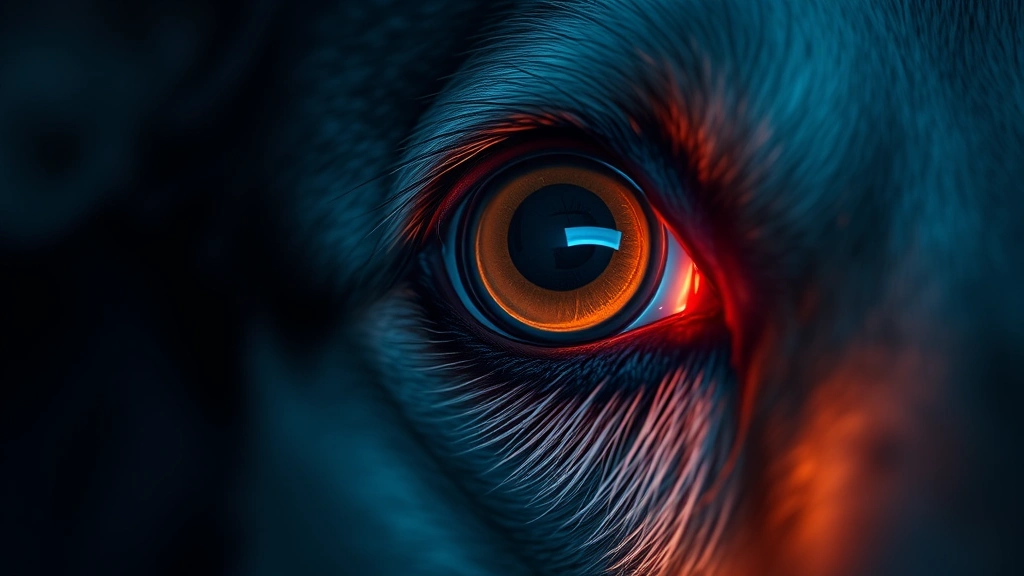
How well can dogs see in the dark? If you’ve ever watched your pup navigate a pitch-black room without bumping into furniture while you’re stumbling around like a newborn giraffe, you’ve probably wondered about their mysterious nighttime superpowers. The truth is, dogs don’t actually see in complete darkness like some kind of furry Batman, but they do have some seriously impressive low-light vision that puts our human eyeballs to shame.
Table of Contents
- The Anatomy Behind Canine Night Vision
- Comparing Dog Vision to Human Vision in Low Light
- Why Dogs Have Superior Low-Light Vision Abilities
- The Role of Motion Detection in Nighttime Navigation
- Breed Differences in Canine Night Vision
- How to Support Your Dog’s Eye Health for Optimal Vision
- Common Eye Problems That Affect Low-Light Vision
- Practical Tips for Managing Your Dog’s Nighttime Activities
- The Myth of Complete Darkness Vision
- Understanding Pupil Response and Light Sensitivity
- Age-Related Changes in Canine Night Vision
- Frequently Asked Questions
- Conclusion: Your Dog’s Amazing Nighttime Superpowers
The Anatomy Behind Canine Night Vision
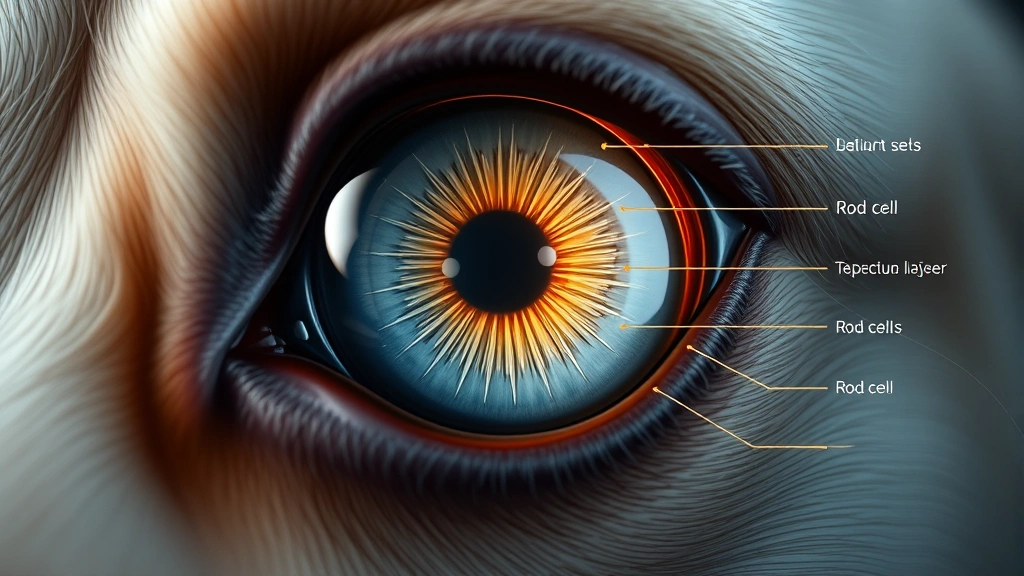
Your dog’s eye structure is fundamentally different from yours, and that’s what gives them their nighttime advantage. Dogs have a higher concentration of rod cells in their retinas compared to humans—these specialized cells are absolutely stellar at detecting light and motion in dim conditions. Think of rods as your dog’s night-vision goggles, while cones (which humans have more of) help with color and detail in bright light.
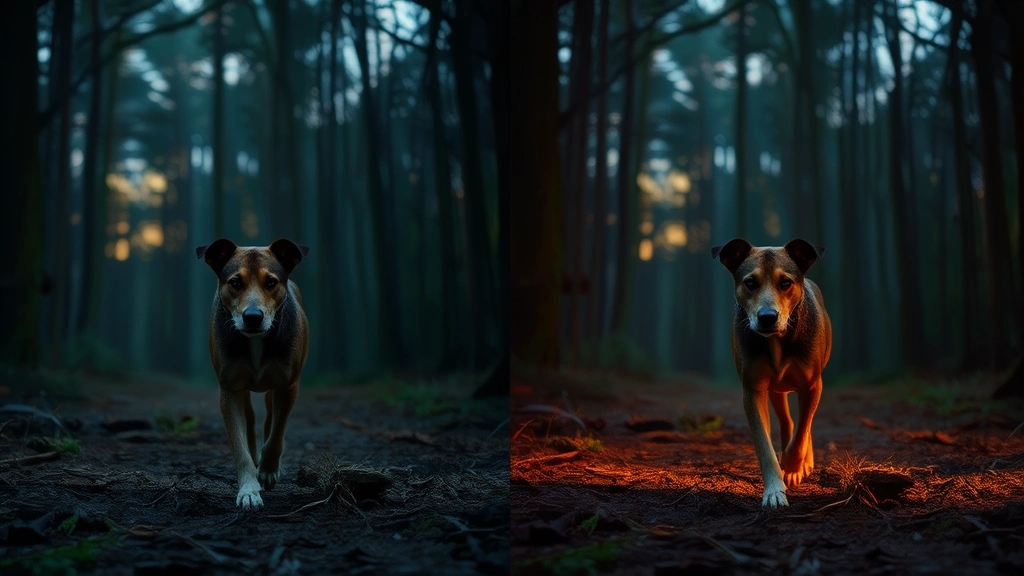
But wait, there’s more! Dogs also have something called the tapetum lucidum, a reflective layer behind their retina that acts like a mirror. This fancy feature bounces light back through the photoreceptors, essentially giving the light a second chance to be detected. That’s why your dog’s eyes glow eerily in photographs—it’s not demonic possession, it’s just science being cool.
Comparing Dog Vision to Human Vision in Low Light
Here’s where it gets interesting: dogs can see in light levels about six times lower than what humans need to see the same objects. In practical terms, if you need a flashlight to navigate your backyard at night, your dog is probably doing just fine without one. However, they still can’t see in complete and total darkness—nobody can, not even cats, despite what folklore suggests.
The trade-off? Dogs sacrifice color vision and fine detail for superior night vision. They see the world in shades of blue and yellow, kind of like watching an old movie filter, and their visual acuity isn’t as sharp as ours in bright conditions. It’s nature’s way of saying, “You can have the night shift, but you’ll miss out on the pretty colors.”
Why Dogs Have Superior Low-Light Vision Abilities
Your dog’s ancestors were hunters and scavengers, often active during twilight hours when prey was abundant and competition was lower. Evolution basically said, “Hey, let’s soup up these night-vision capabilities,” and boom—thousands of years later, you’ve got a furry creature that can hunt in the dark way better than you can.
The pupil dilation in dogs is also more dramatic than humans. Their pupils can open wider to let in more light, and they can adjust more quickly to changing light conditions. This is why your dog might seem momentarily confused when you turn on the bright kitchen light at 3 AM—their pupils are literally adjusting to the sudden brightness overload.
The Role of Motion Detection in Nighttime Navigation
Dogs don’t just see better in the dark; they’re also motion-detection machines. Their eyes are particularly sensitive to movement, which is another evolutionary advantage from their hunting days. A rabbit dashing across a dark field? Your dog will spot that movement instantly, even if you can’t see the rabbit itself.
This motion sensitivity is why your dog might react to something in the dark that you can’t even perceive. They’re not being paranoid or seeing ghosts—they’re probably just tracking a moth or a leaf blowing in the wind that your inferior human eyes completely missed.
Breed Differences in Canine Night Vision
Not all dogs see equally well in the dark, and breed plays a significant role. Breeds with larger eyes and longer snouts, like Greyhounds and German Shepherds, typically have better night vision than flat-faced breeds like Bulldogs or Pugs. The shape and size of the eye directly impact how much light can enter and be processed.
Additionally, dogs with lighter-colored eyes might have slightly different night vision capabilities than those with darker eyes, though the difference is minimal. Dark-eyed dogs have more melanin, which can actually help with light sensitivity in some cases, but the overall eye structure matters far more than pigmentation.
How to Support Your Dog’s Eye Health for Optimal Vision
Keeping your dog’s eyes in top condition ensures they maintain their natural nighttime advantages. Regular vet checkups are essential—your veterinarian can spot early signs of cataracts, glaucoma, or other vision problems before they become serious. Check out our Virtual Pet Checkup service for convenient eye health assessments.
Nutrition plays a huge role in maintaining healthy eyes. Antioxidants like lutein, zeaxanthin, and vitamins A, C, and E support retinal health and can help prevent age-related vision decline. Our guide on Skin and Coat Health Foods includes several options that benefit eye health too.
Common Eye Problems That Affect Low-Light Vision
Several conditions can compromise your dog’s impressive nighttime vision abilities. Progressive retinal atrophy (PRA) is a genetic condition that gradually deteriorates the retina, often starting with night blindness before progressing to complete vision loss. Some breeds are more predisposed to this condition than others.
Cataracts, which cause cloudiness in the lens, can develop at any age and significantly impact vision in all light conditions. Glaucoma increases eye pressure and can damage the optic nerve, affecting both day and night vision. If you notice your dog becoming hesitant in dim light or bumping into things they normally navigate easily, it’s time for a professional eye exam.
Practical Tips for Managing Your Dog’s Nighttime Activities
Even though your dog has superior night vision, that doesn’t mean you should let them roam unsupervised in complete darkness. Their excellent low-light vision is still limited, and they can miss hazards like holes, sharp objects, or other dangers. Use a headlamp or flashlight during nighttime walks to help them see obstacles and to keep yourself safe too.
Consider installing motion-activated lights in your yard if your dog spends time outside at night. This helps them navigate safely while also deterring potential intruders. Our Pet Nutrition Advice section also includes tips on maintaining energy levels for dogs that are active during evening hours.
The Myth of Complete Darkness Vision
Let’s bust this myth once and for all: dogs cannot see in complete darkness. Zero light equals zero vision for every mammal on Earth. What dogs excel at is seeing in low-light conditions that would leave humans completely blind. There’s a critical difference between “very dim” and “absolutely no light whatsoever.”
This misconception probably comes from watching dogs navigate dark spaces confidently. They’re not seeing in the dark—they’re using their superior night vision combined with their other senses. Dogs rely heavily on smell, hearing, and spatial memory to navigate, so even if their vision is compromised, they’ve got backup systems that humans lack.
Understanding Pupil Response and Light Sensitivity
Your dog’s pupils work similarly to yours but with some key differences. They dilate and constrict based on light levels, but dogs have a wider range of pupil dilation. This allows them to capture more light in dim conditions and protect their eyes better in bright conditions.
Some dogs are more light-sensitive than others, particularly those with lighter-colored irises. If your dog squints frequently in bright sunlight or seems uncomfortable outdoors during the day, they might benefit from dog sunglasses (yes, they exist and dogs can wear them). This sensitivity doesn’t necessarily indicate a problem—it’s just individual variation, like how some humans are more sensitive to bright light than others.
Age-Related Changes in Canine Night Vision
As dogs age, their night vision naturally declines. The lens becomes less transparent, the pupil doesn’t dilate as effectively, and the retina may develop age-related changes. Senior dogs might become more hesitant in low-light situations, and they may benefit from additional lighting in your home during evening hours.
This is why it’s crucial to maintain excellent Vet Approved Human Foods for Pets that support eye health throughout your dog’s life. Antioxidant-rich foods can help slow age-related vision decline and keep those eyes functioning optimally for as long as possible.
Frequently Asked Questions
Can dogs see in complete darkness?
No, dogs cannot see in complete darkness. However, they can see in light levels approximately six times lower than humans need, which means they can navigate spaces that appear pitch-black to us. Complete darkness (zero light) renders all mammals, including dogs, unable to see.
Do all dog breeds have the same night vision ability?
No, night vision varies by breed. Dogs with larger eyes and longer snouts typically have better night vision than flat-faced breeds. Genetic factors, eye size, and retinal composition all influence how well individual dogs see in low light.
Why do dog eyes glow in the dark?
The glow you see in photographs is caused by the tapetum lucidum, a reflective layer behind the retina. This layer bounces light back through the photoreceptors, enhancing light detection. The glow isn’t actually visible to the naked eye in normal conditions—it only shows up in camera flash photography.
Is night blindness common in dogs?
Progressive retinal atrophy (PRA) is the most common cause of night blindness in dogs, and certain breeds are predisposed to it. If your dog suddenly becomes hesitant in dim light, consult your veterinarian immediately, as this could indicate a serious eye condition.
How can I tell if my dog’s vision is declining?
Watch for signs like bumping into furniture in dim light, reluctance to go outside at dusk, hesitation on stairs, or cloudiness in the eyes. Any sudden change in your dog’s navigational abilities warrants a professional eye examination.
Should I use a flashlight when walking my dog at night?
Yes, absolutely. While your dog’s night vision is superior to yours, using a flashlight helps you spot hazards and keeps both of you safe. It also makes you more visible to vehicles and other pedestrians.
Conclusion: Your Dog’s Amazing Nighttime Superpowers
How well can dogs see in the dark? Better than you can, that’s for sure. Thanks to their rod-rich retinas, reflective tapetum lucidum, superior pupil dilation, and motion-detection abilities, dogs have evolved into impressive low-light navigators. While they can’t see in complete darkness (sorry, Batman fans), they can operate comfortably in light conditions that would leave humans completely blind.
Understanding your dog’s vision capabilities helps you provide better care and create a safer environment for them. Regular veterinary checkups, proper nutrition, and attention to any changes in their behavior ensure those amazing eyes stay healthy throughout their lives. So next time your dog confidently strolls through a dark room while you’re fumbling for the light switch, you’ll know exactly why they’re so much better at it than you are.





