
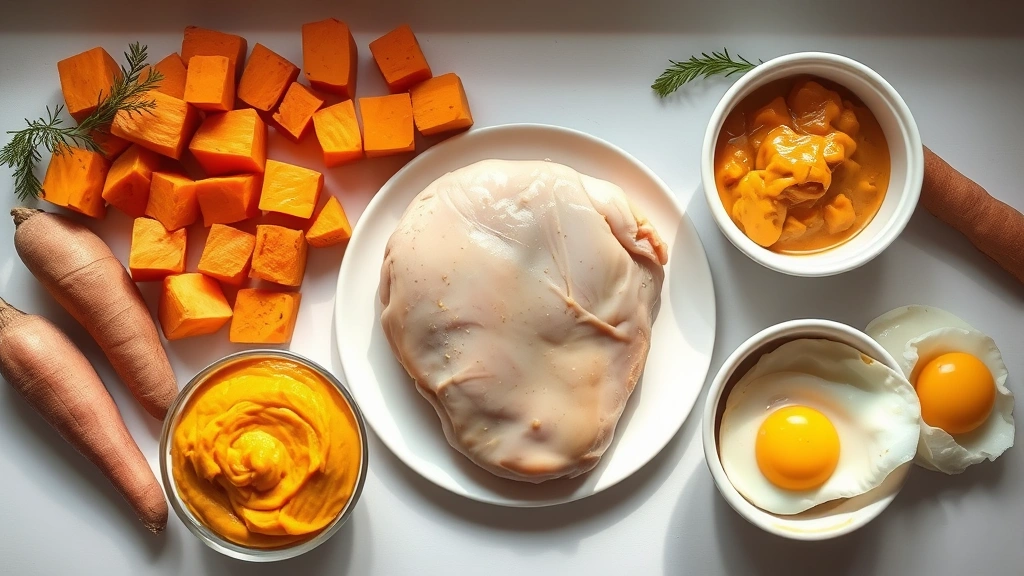
Looking for human food alternatives for pets? You’re not alone. Pet owners everywhere are ditching the same old kibble and wondering what’s actually safe to share from their dinner plates. The good news? There are genuinely delicious, nutritious options that won’t send your furry friend to the emergency vet. Let’s dig into what actually works.
Table of Contents
- Why Pet Owners Are Switching to Human Food Alternatives
- The Top 5 Safe Human Food Alternatives for Your Pet
- Foods That Look Safe But Absolutely Aren’t
- Creating a Balanced Diet with Human Food Alternatives
- Calculating Calories and Portion Sizes
- Transitioning Your Pet to Include Human Food Alternatives
- Consulting Your Veterinarian About Dietary Changes
- Budget-Friendly Benefits of Human Food Alternatives
- Frequently Asked Questions
- The Bottom Line: Smart Supplementation Wins
Why Pet Owners Are Switching to Human Food Alternatives
Your dog gives you that look. You know the one—eyes locked on your sandwich like it’s the Holy Grail. Most of us cave. But here’s the thing: not all human food is created equal when it comes to pet nutrition. Some foods are genuinely beneficial, while others are basically doggy poison. Understanding the difference between safe and dangerous options is crucial for any pet parent considering dietary changes.
The trend toward natural pet nutrition has exploded over the past decade. Pet owners are becoming increasingly aware of ingredient lists, artificial additives, and processing methods. This shift has sparked legitimate interest in whole foods and natural pet food alternatives that mirror what animals would eat in nature. However, it’s essential to approach this thoughtfully rather than just tossing whatever you’re eating into your pet’s bowl.
The Top 5 Safe Human Food Alternatives for Your Pet
1. Chicken Breast: The Protein Powerhouse
Plain, cooked chicken breast is basically the gateway drug to healthy pet feeding. It’s lean, packed with protein, and most pets lose their minds for it. Cook it without seasoning, salt, or oil—just boil or bake it plain. You can dice it up and mix it with regular kibble or serve it as a training treat.
The beauty of chicken is its versatility. You can prepare large batches and freeze portions for the week. A typical serving size for a medium dog is about 1/4 to 1/2 cup of cooked chicken daily, though this depends on your pet’s overall caloric needs. Check out our Pet Portion Control guide to dial in the right amounts for your specific pet.
2. Sweet Potatoes: The Nutrient-Dense Carb
Sweet potatoes are legitimately superfoods for pets. They’re loaded with fiber, vitamins A and C, and potassium. Plus, they’re naturally sweet, so most pets actually enjoy them without any convincing. Bake them, steam them, or boil them—just skip the butter, brown sugar, and marshmallows.
The fiber content makes sweet potatoes particularly helpful for digestive health. They’re especially useful for pets transitioning to new diets or those with sensitive stomachs. A small dog might enjoy a few tablespoons as an occasional treat, while larger breeds can handle up to half a medium sweet potato daily. This makes them a fantastic addition to any Homemade Pet Food Schedule.
3. Carrots: The Crunchy Dental Wonder
Raw carrots are like nature’s toothbrush for dogs. The crunchy texture helps clean teeth while providing beta-carotene and fiber. Most dogs love gnawing on them, and they’re incredibly low in calories, making them perfect for weight management or frequent training rewards.
You can serve carrots raw or lightly cooked. Raw is better for the dental benefits, but cooked carrots are easier to digest and slightly softer for older dogs or those with dental issues. They’re safe for cats too, though felines are generally less enthusiastic about vegetables than their canine counterparts.
4. Pumpkin Puree: The Digestive Miracle Worker
Plain pumpkin puree (not pie filling—that’s loaded with sugar) is like the Pepto-Bismol of the pet world. It works for both constipation and diarrhea because of its high fiber content and ability to regulate digestive moisture. A tablespoon or two mixed into regular food can work wonders.
This is especially valuable if your pet deals with digestive sensitivity. Many vets recommend pumpkin as a first-line natural remedy before jumping to medications. It’s also helpful when transitioning between foods or dealing with dietary changes. If your pet has IBD or other digestive issues, pumpkin should definitely be in your arsenal. Learn more about specialized feeding in our Feeding Pets with IBD guide.
5. Eggs: The Complete Protein Package
Cooked eggs (scrambled, boiled, or fried without oil) are nutritional powerhouses. They contain all nine essential amino acids and are packed with choline for brain health and lutein for eye health. One egg is a complete protein source and makes an excellent occasional meal topper or training treat.

Both the whites and yolks are safe and beneficial. In fact, the yolk contains most of the nutritional density. Serve one whole egg per week for small dogs, up to three per week for large breeds. Raw eggs are technically safe but carry salmonella risk, so cooking is the smarter play.
Foods That Look Safe But Absolutely Aren’t
Before you get too excited about sharing your dinner, let’s talk about the landmines. Some human foods are genuinely toxic to pets. Chocolate, grapes, raisins, onions, garlic, avocado, macadamia nuts, and anything containing xylitol (artificial sweetener) are absolute no-gos. These aren’t “just give them a little bit” situations—they’re serious toxicity risks.
Fatty foods, while not toxic, can trigger pancreatitis, which is painful and potentially life-threatening. Bones, especially cooked ones, can splinter and cause intestinal blockages. Alcohol, caffeine, and excessive salt are also major concerns. When in doubt, consult your vet or the ASPCA Animal Poison Control Center before introducing anything new.
Creating a Balanced Diet with Human Food Alternatives
Here’s where most pet owners stumble: they replace commercial food entirely with human food alternatives and accidentally create nutritional imbalances. Dogs and cats have specific requirements for calcium, phosphorus, taurine (especially cats), and various vitamins that aren’t always present in human food in the right proportions.
The safest approach is using human food alternatives as supplements or occasional meals, not complete replacements. A typical healthy diet might be 80-90% quality commercial pet food with 10-20% human food alternatives mixed in. This ensures your pet gets complete and balanced nutrition while enjoying the benefits of whole foods. If you’re interested in more structured feeding plans, check out our Grain-Free Feeding Schedule for guidance on transitioning approaches.
Calculating Calories and Portion Sizes
Not all human foods have the same caloric density as kibble. A cup of chicken has way more calories than a cup of carrots. If you’re adding human food alternatives to your pet’s diet, you need to account for these calories or you’ll end up with an overweight pup.
A general rule: treats (including human food alternatives) should comprise no more than 10% of daily caloric intake. For a 50-pound dog eating 1,000 calories daily, that’s only 100 calories from treats or human food. One chicken breast (165 calories) would exceed that limit, so you’d need to reduce kibble accordingly. This is where understanding your pet’s specific caloric needs becomes essential. Our Daily Calorie Requirements for Cats guide has similar breakdowns for feline friends.
Transitioning Your Pet to Include Human Food Alternatives
Don’t just dump a bowl of chicken and sweet potato in front of your pet and expect them to adapt. Digestive systems need time to adjust to dietary changes. Introduce new foods slowly over 7-10 days, mixing increasing amounts of the new food with their regular diet.
Watch for digestive upset, allergic reactions, or behavioral changes. Some pets might have sensitivities you don’t know about until you introduce something new. Start with tiny portions and work up. If your pet experiences vomiting, diarrhea, or loss of appetite, stop the new food and consult your vet.
Consulting Your Veterinarian About Dietary Changes
Your vet isn’t trying to keep you locked into expensive commercial food. They genuinely want what’s best for your pet’s health. Before making significant dietary changes, especially if your pet has health conditions, talk to your veterinarian. They can assess your pet’s specific nutritional needs and help you create a balanced plan.
Some pets have special dietary requirements due to age, health conditions, or breed predispositions. A senior cat’s needs differ dramatically from a growing puppy’s needs. Your vet can help ensure that any human food alternatives you introduce support rather than compromise your pet’s health.
Budget-Friendly Benefits of Human Food Alternatives
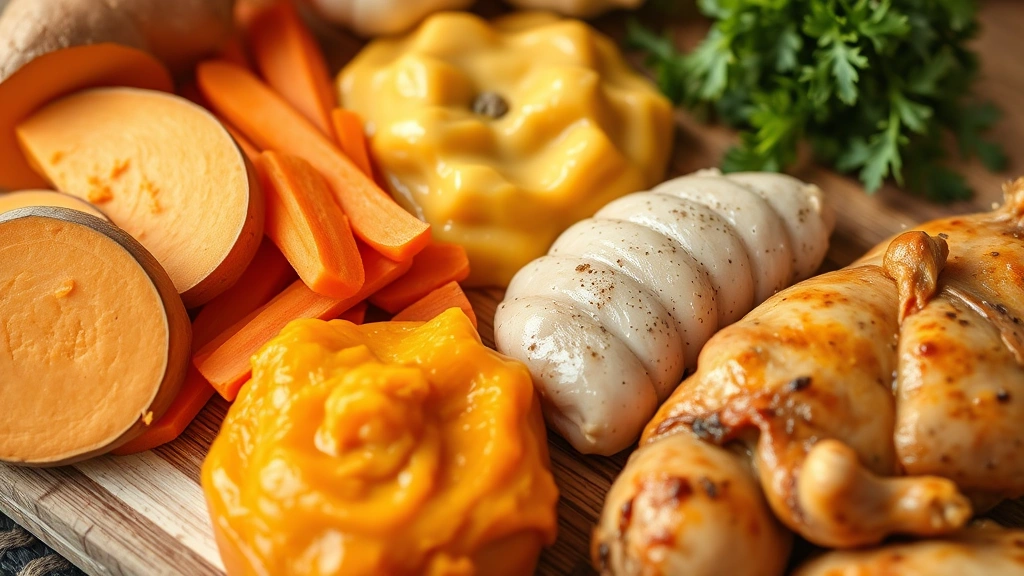
Here’s a bonus: using human food alternatives can actually save money. A rotisserie chicken costs less per pound than premium kibble. Sweet potatoes are cheaper than specialty dog food. You can stretch your pet food budget further by supplementing with affordable whole foods rather than buying premium brands.
This doesn’t mean feeding your pet garbage. It means being strategic about using whole foods that are nutritious and affordable. Buy chicken on sale and freeze it. Purchase sweet potatoes in bulk. Use eggs you already have. Smart shopping makes healthy pet feeding accessible regardless of budget.
Frequently Asked Questions
Can I feed my cat human food alternatives?
Cats are obligate carnivores with different nutritional needs than dogs. They require taurine, which isn’t naturally present in most plant-based foods. Cooked chicken, turkey, and eggs are safe for cats, but they should never be the primary diet. Cats are pickier eaters anyway and often turn their noses up at vegetables. Always consult your vet before introducing human food to your cat’s diet.
How often can I give my pet human food alternatives?
Human food alternatives can be given daily if they’re part of a balanced diet that accounts for total calories and nutrition. The key is moderation and balance. If you’re adding human food, reduce commercial food accordingly. Never let human food alternatives exceed 10-20% of total daily calories.
Are there any human foods that are universally safe for all pets?
Plain cooked chicken, carrots, and pumpkin are generally safe across the board. However, individual pets may have sensitivities or allergies. Always introduce new foods gradually and watch for adverse reactions. When in doubt, ask your vet.
What’s the difference between human food alternatives and homemade pet food?
Human food alternatives are whole foods occasionally added to commercial diets. Homemade pet food is a complete diet made from scratch. Homemade diets require careful formulation to ensure complete and balanced nutrition. If you’re considering fully homemade feeding, work with a veterinary nutritionist.
Can human food alternatives help with picky eaters?
Absolutely. Many picky eaters will eat their kibble if you mix in something tasty like chicken or pumpkin. This is a legitimate strategy for encouraging reluctant eaters. Just make sure you’re not creating a situation where your pet refuses food unless it’s enhanced with human food.
The Bottom Line: Smart Supplementation Wins
Human food alternatives for pets aren’t a gimmick or a shortcut to avoid commercial pet food. They’re a legitimate way to enhance nutrition, add variety, and strengthen your bond with your pet through shared meals. The key is doing it thoughtfully.
Start with the five safe options outlined here: chicken breast, sweet potatoes, carrots, pumpkin puree, and eggs. Introduce them gradually, account for calories, and maintain a foundation of quality commercial pet food. Avoid the toxic foods like it’s your job, and consult your vet if you have any concerns.
Your pet doesn’t need fancy gourmet meals. They need consistent, balanced nutrition delivered with love. When you combine quality commercial food with strategic human food alternatives, you’re giving them exactly that. That’s the real secret to a healthy, happy pet.





