
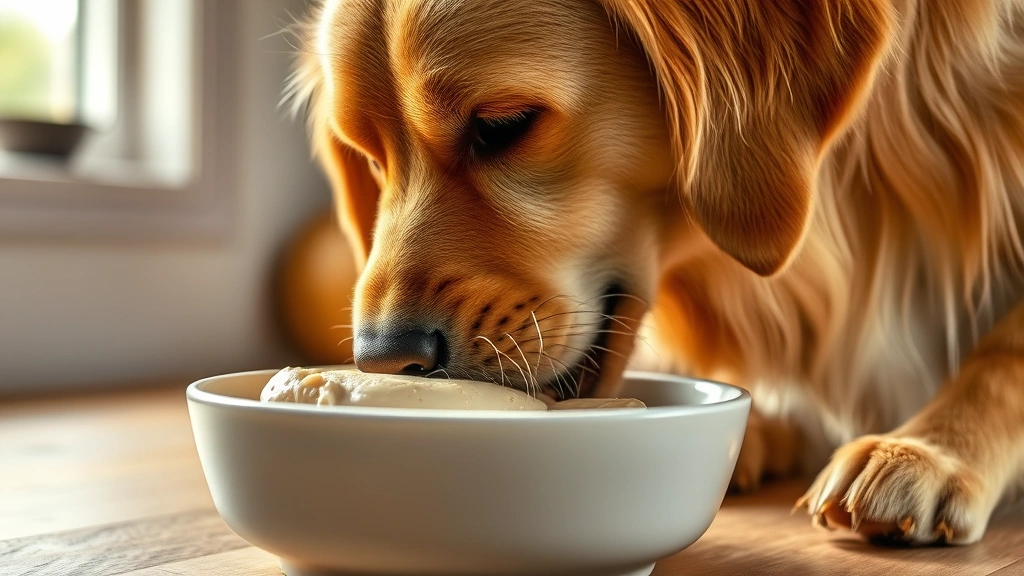
When your furry friend gets diagnosed with liver disease, human foods for pets with liver disease become a critical part of their recovery toolkit. But here’s the thing—not all people food is created equal, and some can actually make your pet’s liver work harder than it already is. Let’s dive into what you can safely feed your liver-compromised companion without turning their dinner bowl into a medical minefield.
Table of Contents
- Understanding Your Pet’s Liver and Dietary Needs
- Best Protein Options: Quality Over Quantity
- Carbohydrates That Won’t Cause Problems
- Vegetables: The Liver’s Best Friends
- Fruits: Proceed with Caution
- Creating a Balanced Meal Plan
- Hydration: The Overlooked Hero
- Foods to Absolutely Avoid
- Transitioning to a Liver-Safe Diet
- Supplements and Liver Support
- Frequently Asked Questions
- Working with Your Veterinarian
- Summary: Keeping Your Pet’s Liver Happy
Understanding Your Pet’s Liver and Dietary Needs
Before we talk about what to feed Fluffy, let’s get real about what a liver does. Your pet’s liver is basically the body’s detox factory—it filters out nasty stuff, produces bile for digestion, and stores essential nutrients. When it’s not working properly, it can’t handle the same workload. That means you need to be strategic about what goes in the food bowl.
Pets with liver disease need diets that are lower in copper (which the liver can’t process well), moderate in protein quality, and easy to digest. This is where knowing which safe foods for liver disease in pets becomes your secret weapon.
Best Protein Options: Quality Over Quantity
Protein isn’t the enemy—bad protein is. Your pet still needs protein to maintain muscle mass, but it should be highly digestible and low in copper. Here’s what works:
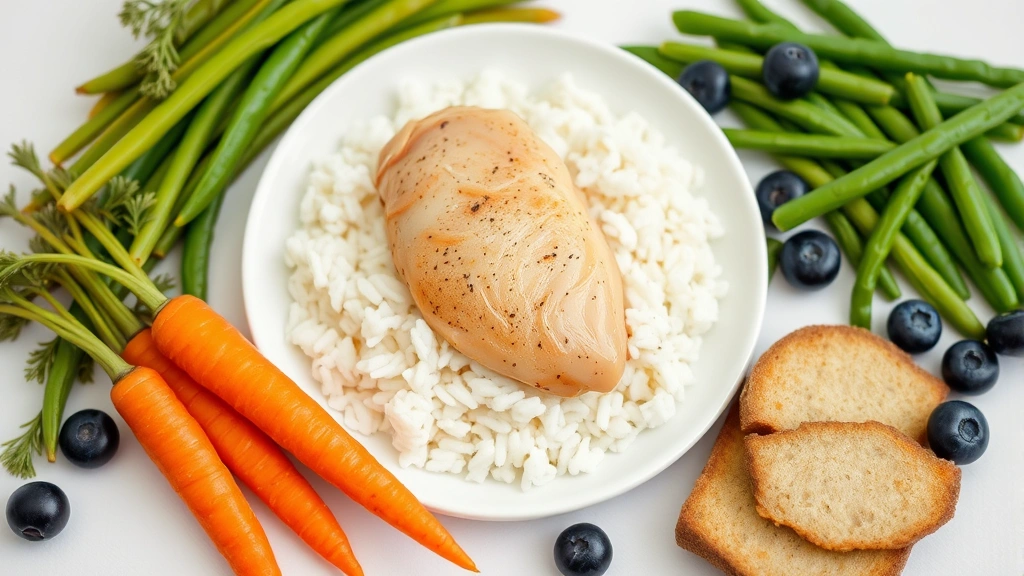
Chicken breast (skinless, boiled) is your MVP. It’s lean, easy to digest, and won’t overload the liver. Cook it plain—no seasoning, no butter, just pure chicken goodness. Aim for small portions mixed into their regular food.
Egg whites are another solid choice. They’re packed with amino acids and super easy on the digestive system. You can hard-boil them and crumble them over meals. Just skip the yolk since it’s higher in fat and copper.
Fish like cod or tilapia (fresh, not canned) can work in moderation. These white fish varieties are lower in fat than salmon and contain beneficial omega-3s. Just keep portions small—about a teaspoon per 10 pounds of body weight.
Avoid beef, pork, and organ meats entirely. They’re copper-heavy and will make your pet’s liver work overtime. Trust us, that’s not the kind of workout you want.
Carbohydrates That Won’t Cause Problems
Here’s where liver-friendly carbs for pets come into play. Your pet needs easily digestible carbs for energy without adding stress to their system.
White rice is basically the golden ticket. It’s bland, easy to digest, and won’t irritate an already-struggling digestive system. Boil it plain and mix it with their protein.
Sweet potato (cooked, no skin) is packed with vitamins and fiber. The natural sweetness also makes it palatable for picky eaters. Serve it in small chunks.
Plain oatmeal (cooked) is gentle on the stomach and provides slow-release energy. Just cook it with water, not milk, and skip any added sugar or flavoring.
Pumpkin puree (plain, not pie filling) is a digestive superstar. It helps regulate bowel movements and is incredibly easy on the liver. A teaspoon mixed into food can work wonders.
Vegetables: The Liver’s Best Friends
Not all veggies are created equal for liver patients, but some are genuinely beneficial. These vegetables safe for pets with liver disease should be cooked and chopped small:
Carrots (cooked) are low in copper and provide natural sweetness. Boil them until soft and chop into bite-sized pieces.
Green beans (fresh, steamed) are nutrient-dense without being liver-taxing. They add bulk to meals without adding calories.
Broccoli (small amounts, steamed) contains compounds that support liver function. But moderation is key—too much can cause digestive upset.
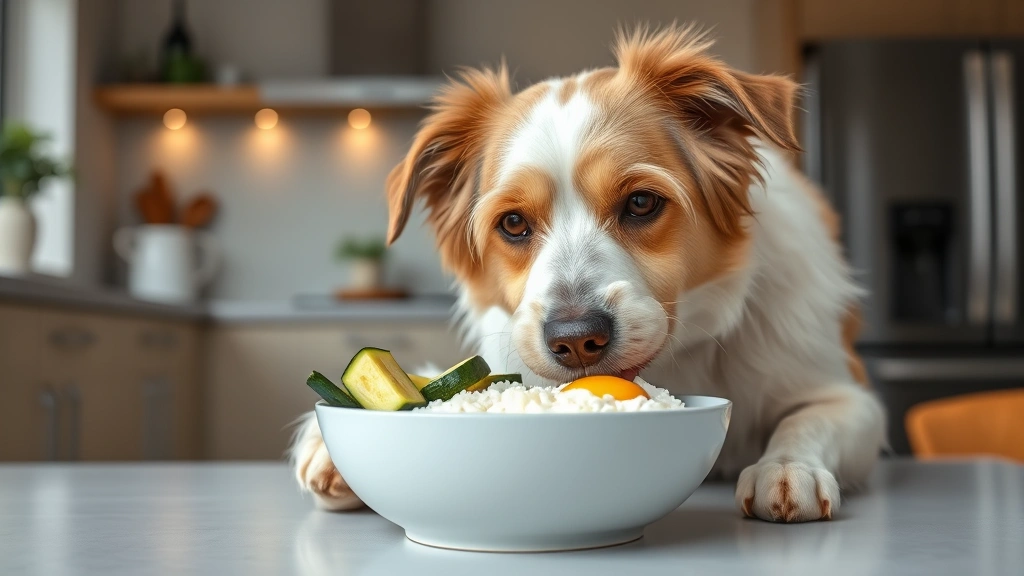
Zucchini (cooked) is low-calorie, low-copper, and super hydrating. It’s basically the wallflower of vegetables—inoffensive and helpful.
Skip garlic, onions, and anything in the allium family. These are toxic to pets and will absolutely wreck a compromised liver. Also avoid avocado, grapes, and raisins—they’re just asking for trouble.
Fruits: Proceed with Caution
Fruits can be tricky with liver disease because of their sugar content, but small amounts of the right ones are okay:
Apples (without seeds, chopped small) are fine in tiny portions. The fiber is good, but the sugar adds up fast.
Blueberries (fresh, plain) contain antioxidants that actually support liver health. A few berries as a treat? That’s acceptable.
Watermelon (seedless, no rind) is hydrating and low in calories. It’s perfect for summer treats when your pet needs extra fluids.
Avoid dried fruits, citrus fruits in large amounts, and anything with added sugar. Your pet’s liver is already struggling—don’t make it process unnecessary sweetness.
Creating a Balanced Meal Plan
Now that you know what’s safe, let’s talk structure. A typical meal for your liver-compromised pet might look like this: 40% lean protein (chicken breast or egg white), 40% easily digestible carbs (white rice or sweet potato), and 20% liver-friendly vegetables (carrots, green beans, or zucchini).
You might also consider pet liver detox supplements to support their recovery, but always check with your vet first. Some supplements can actually be harmful to liver patients, so professional guidance is essential.
Feed smaller portions more frequently—three to four meals daily instead of one or two big ones. This keeps the liver from being overwhelmed and helps maintain stable blood sugar levels.
Hydration: The Overlooked Hero
When discussing nutrition for pets with liver disease, people often forget about water. A compromised liver needs consistent hydration to function properly. Make sure fresh water is always available, and consider adding low-sodium broth (homemade, no onions or garlic) to meals to encourage drinking.
Some pets with liver disease develop ascites (fluid buildup), so your vet might recommend limiting sodium. Always follow their specific guidance on this.
Foods to Absolutely Avoid
Let’s be crystal clear about the no-fly list. These foods will damage a liver patient’s health:
- High-copper foods: Beef, organ meats, nuts, mushrooms, chocolate
- High-fat foods: Fatty meats, dairy, oils, butter
- Toxic foods: Garlic, onions, grapes, raisins, avocado, xylitol
- High-sodium foods: Processed meats, canned foods (unless vet-approved), seasoned chicken
- High-protein offenders: Multiple-meat combinations, game meats, processed treats
When in doubt, check with your vet. Seriously. That five-second conversation could save your pet’s life.
Transitioning to a Liver-Safe Diet
If your pet has been eating standard kibble, switching to feeding during illness with human foods needs to happen gradually. Over 7-10 days, slowly mix the new food with their old food, increasing the new proportion each day. A sudden dietary shift can cause digestive upset and stress the liver further.
Watch for signs of digestive trouble: vomiting, diarrhea, loss of appetite, or lethargy. If any of these appear, slow down the transition and consult your vet immediately.
Supplements and Liver Support
Beyond food, certain supplements support liver function. Milk thistle, SAM-e, and N-acetylcysteine (NAC) have research backing their use in liver disease. However—and this is important—not all supplements are safe for all liver conditions. Some can actually increase copper accumulation.
That’s why chronic condition management supplements should only be added under veterinary supervision. Your vet might recommend specific brands or formulations based on your pet’s bloodwork and condition.
Frequently Asked Questions
Can my pet eat chicken every day if they have liver disease?
Yes, plain boiled chicken breast can be a daily staple for liver patients. It’s one of the safest protein sources available. Just ensure it’s unseasoned and rotated with other safe proteins like egg whites and mild fish to provide nutritional variety.
Is homemade food better than prescription diet food for liver disease?
Homemade food can be excellent if it’s formulated correctly with your vet’s input. Prescription diets are specifically designed for liver disease and are guaranteed to meet nutritional standards. The best approach? Work with your vet to create a homemade diet plan that matches prescription diet principles, or use prescription food as your base and supplement with safe human foods.
How much should I feed a pet with liver disease?
Feed smaller portions more frequently—typically 3-4 meals daily instead of 1-2. The exact amount depends on your pet’s weight, age, and specific condition. Your vet will provide feeding guidelines based on bloodwork and body condition scoring.
Can my pet have treats with liver disease?
Absolutely, but they need to be liver-safe treats. A few blueberries, a small piece of plain chicken, or a tiny apple slice works great. Avoid all commercial treats unless specifically formulated for liver disease. Treats should make up no more than 10% of daily calories.
What signs indicate my pet’s liver is getting worse despite diet changes?
Watch for increased lethargy, vomiting, loss of appetite, yellowing of the gums or eyes, pale gums, dark urine, or behavioral changes. These warrant an immediate vet visit and possibly updated bloodwork. Diet helps, but it’s not a cure—monitoring is essential.
Should I give my pet supplements if they have liver disease?
Only under veterinary guidance. While some supplements support liver function, others can be harmful. Your vet might recommend liver-specific supplements based on your pet’s bloodwork, but self-supplementing can backfire. Always ask first.
Working with Your Veterinarian
Here’s the reality: human foods for pets with liver disease work best when they’re part of a comprehensive care plan. Your vet should be your partner in this journey. They can run bloodwork to monitor liver enzymes, adjust recommendations based on your pet’s response, and catch complications early.
Some vets specialize in nutrition and can provide detailed meal plans. Others might refer you to a veterinary nutritionist. Don’t hesitate to ask for these referrals—it’s an investment in your pet’s quality of life.
Consider scheduling a pet health consultation via video to discuss your homemade feeding plan with a specialist. Many vets now offer remote consultations, making expert guidance more accessible.
Summary: Keeping Your Pet’s Liver Happy
Feeding a pet with liver disease doesn’t have to be complicated. Stick to lean proteins like chicken breast and egg whites, pair them with easily digestible carbs like white rice and sweet potato, add liver-friendly vegetables, and avoid the toxic and high-copper foods like the plague.
Remember: smaller, more frequent meals, consistent hydration, and veterinary oversight are your holy trinity. Your pet’s liver is already compromised, so every meal is an opportunity to support their health rather than tax it further.
The good news? Many pets with liver disease live happy, comfortable lives when their diet is managed properly. You’ve got this, and your furry friend is lucky to have someone who cares enough to get it right.





