
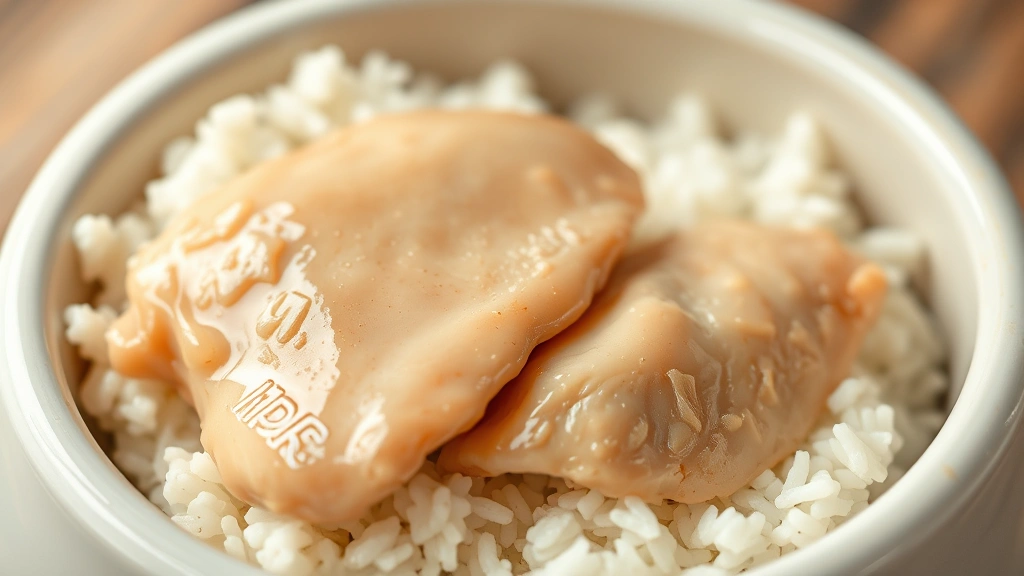
If your furry friend has been diagnosed with pancreatitis, you’re probably wondering which human foods for pets with pancreatitis are actually safe to share. The good news? There are plenty of wholesome options that won’t trigger inflammation or upset their delicate digestive system. The bad news? Not everything in your kitchen is pet-friendly, and some foods can make things way worse.
Table of Contents
- Understanding Pancreatitis in Pets
- Best Low-Fat Human Foods for Pancreatitis in Dogs
- Safe Human Foods for Cats with Pancreatitis
- Foods to Absolutely Avoid
- Portion Control and Feeding Guidelines
- Creating a Pancreatitis-Friendly Meal Plan
- Supplements and Nutritional Support
- Monitoring Your Pet’s Response
- Working with Your Veterinarian
- Real Success Stories and Practical Tips
- Frequently Asked Questions
- Final Thoughts: Managing Pancreatitis Through Diet
Pancreatitis is no joke—it’s an inflammation of the pancreas that can range from mild to life-threatening. But with the right dietary approach, including carefully selected human foods, you can help your pet feel better and prevent flare-ups. Let’s dig into what actually works.
Understanding Pancreatitis in Pets
Before we talk about food, you need to understand what’s happening in your pet’s body. The pancreas is responsible for producing digestive enzymes and regulating blood sugar. When it gets inflamed, it can’t do its job properly, leading to pain, vomiting, diarrhea, and loss of appetite.
Pancreatitis comes in two forms: acute (sudden onset) and chronic (long-term). Both require dietary management, but chronic pancreatitis often benefits from consistent, gentle nutrition. This is where limited ingredient diet timing becomes crucial for managing flare-ups.
The pancreas is incredibly sensitive to fat. High-fat foods are the biggest trigger for pancreatitis episodes, so any food you introduce—human or otherwise—needs to be low in fat and easy to digest.
Best Low-Fat Human Foods for Pancreatitis in Dogs
Dogs with pancreatitis thrive on bland, low-fat proteins and easily digestible carbs. Here are the MVP players:
Chicken Breast (Skinless): This is your go-to protein. Boil it without seasoning, remove the skin, and serve it plain. It’s lean, digestible, and most dogs find it palatable even when they’re feeling under the weather.
Turkey (Ground, Lean): Similar to chicken, ground turkey offers variety without the fat content of darker cuts. Cook it thoroughly and plain.
White Fish: Cod, tilapia, and halibut are excellent choices. They’re low in fat and packed with omega-3s (in moderation). Always remove bones and cook without oil.
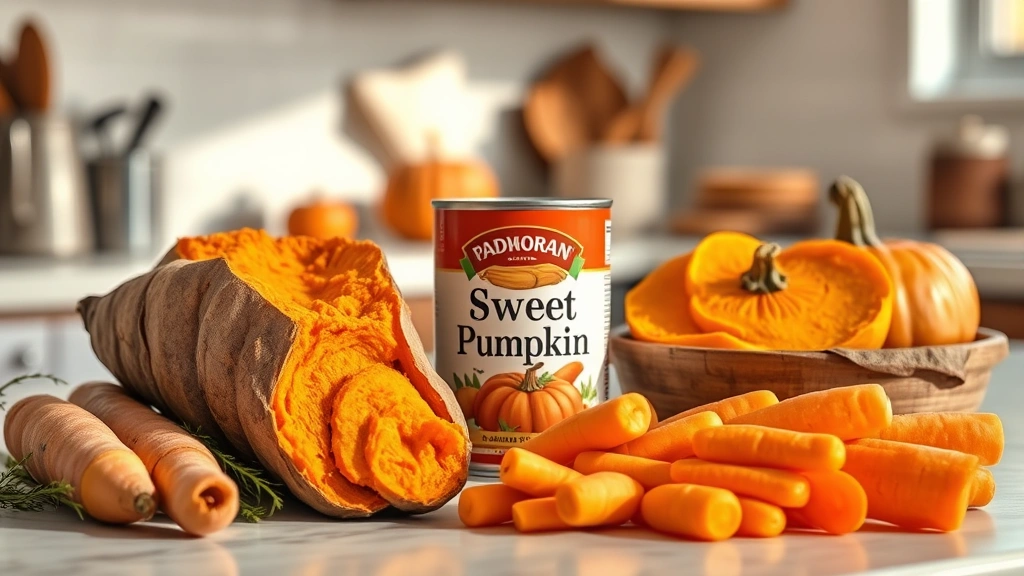
Sweet Potatoes: Rich in fiber and vitamins, sweet potatoes are gentle on the pancreas. Serve them boiled or baked, plain, and cut into manageable pieces.
Pumpkin (Plain Canned): This isn’t just for fall—plain canned pumpkin is a digestive superstar. It helps regulate bowel movements and is incredibly gentle on inflamed pancreases.
White Rice: A bland carb that’s easy on the digestive system. Serve plain, cooked, and cooled.
Carrots (Cooked): Boiled carrots are low-fat and provide nutrients without upsetting the pancreas.
Safe Human Foods for Cats with Pancreatitis
Cats are pickier eaters, and their pancreatitis management is slightly different. They’re obligate carnivores, so their diet should be primarily protein-based:
Chicken Breast: Plain, boiled, and skinless—just like for dogs. Cats often prefer this to anything else.
Turkey: Ground or shredded, cooked plain, and boneless.
Cooked Salmon (Occasionally): While salmon has fat, small amounts of cooked salmon can provide beneficial omega-3s. Just don’t overdo it.
Plain Cooked Egg Whites: Scrambled or boiled, egg whites are a protein source that’s usually well-tolerated.
Cats don’t need carbs like dogs do, so focus on lean proteins. Consider anti-inflammatory supplements for cats to complement their diet during recovery.
Foods to Absolutely Avoid
This is the critical part. Some human foods can trigger severe pancreatitis flare-ups:
Fatty Meats: Bacon, sausage, fatty cuts of beef, and ribs are pancreas nightmares. Don’t share, no matter how much those puppy eyes beg.
Dairy Products: Cheese, milk, and cream are high in fat and lactose. Most adult pets can’t digest lactose anyway.
Avocado: Contains persin, which is toxic to pets, plus it’s high in fat.
Chocolate: Toxic to both dogs and cats. Period.
Grapes and Raisins: Can cause kidney failure in dogs.
Onions and Garlic: Damage red blood cells and cause hemolytic anemia.
Fatty Treats: Cookies, cakes, and human desserts are packed with fat and sugar—a pancreatitis trigger combo.
Fried Foods: Anything deep-fried or cooked in oil is off-limits.
Processed Foods: Deli meats, hot dogs, and processed snacks contain hidden fats and sodium.
Portion Control and Feeding Guidelines
Even safe foods can cause problems if you overfeed. When introducing homemade pet food schedule adjustments, start small.
For dogs, human foods should make up no more than 10% of their daily caloric intake. For a 50-pound dog, that’s roughly a quarter cup of plain chicken or pumpkin per day, divided into meals.
Cats need even smaller portions—think of human food as a supplement, not a meal replacement. A tablespoon of cooked chicken breast is generous.
The key is consistency and gradual introduction. If you’re switching your pet from commercial food to a homemade diet, do it over 7-10 days, mixing increasing amounts of new food with decreasing amounts of old food.
Creating a Pancreatitis-Friendly Meal Plan
A typical day for a dog with pancreatitis might look like this:
Breakfast: 1/4 cup boiled chicken breast + 1/4 cup white rice + 1 tablespoon pumpkin
Lunch: 1/4 cup plain sweet potato (if tolerated)
Dinner: 1/4 cup boiled chicken breast + 1/4 cup white rice
This is a starting point. Your vet might recommend adjustments based on your pet’s specific needs. Some pets benefit from homemade diet supplements for pets to ensure they’re getting complete nutrition.
For cats, focus on small portions of lean protein spread throughout the day, mimicking their natural eating patterns.
Supplements and Nutritional Support
When feeding human foods, you might be missing essential nutrients. This is where supplements come in handy. Consult your vet about adding:
Digestive Enzymes: Help break down food and reduce pancreatic workload.
Probiotics: Support gut health and reduce inflammation.
Omega-3 Fatty Acids (Low-dose): Anti-inflammatory properties, but use sparingly since you’re already limiting fat.
Vitamins and Minerals: A balanced supplement ensures your pet isn’t missing key nutrients.
Check out sensitive stomach supplements and pet supplement dosage guidance for more detailed information.
Monitoring Your Pet’s Response
Not every pet responds the same way to dietary changes. Keep a food journal documenting:
What you fed them and how much, their energy levels, stool consistency, and any signs of discomfort or vomiting. This information is gold when talking to your vet.
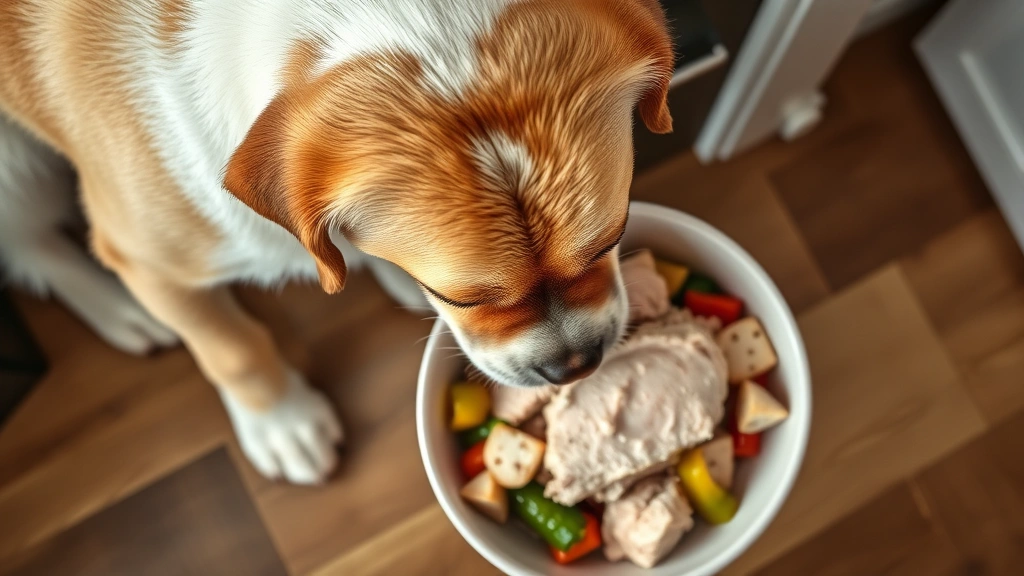
Watch for these warning signs that a food isn’t working: vomiting, diarrhea, lethargy, abdominal pain, or loss of appetite. If any of these occur, eliminate that food immediately and contact your veterinarian.
Some pets do amazingly well on a diet of human foods, while others need prescription diet foods. The goal is finding what keeps your individual pet healthy and comfortable.
Working with Your Veterinarian
Before making any major dietary changes, talk to your vet. They might recommend:
Blood Work: To monitor pancreatic enzymes and overall health.
Prescription Diets: Sometimes formulated foods are necessary, especially during acute flare-ups.
Medication: Pain management and anti-nausea meds might be needed alongside dietary changes.
Regular Check-ins: Monitor your pet’s progress and adjust the diet as needed.
Your vet can also rule out other conditions that might be causing similar symptoms. Pancreatitis can look like other digestive issues, so proper diagnosis is crucial.
Real Success Stories and Practical Tips
Many pet owners have successfully managed their pet’s pancreatitis with carefully chosen human foods. The common thread? Consistency, patience, and working closely with their vet.
One dog owner reported that switching her golden retriever to a diet of plain boiled chicken, white rice, and pumpkin eliminated his chronic pancreatitis flare-ups entirely. Another cat owner found that small portions of cooked turkey breast, offered multiple times daily, kept her senior cat’s pancreatitis in check for years.
The practical reality is that feeding human foods requires more effort than opening a bag of kibble. You’ll be cooking, measuring, and monitoring. But for many pet owners, it’s worth every minute to see their pet feel better and enjoy their meals.
Frequently Asked Questions
Can I give my dog with pancreatitis table scraps?
Not all table scraps are safe. Only offer plain, cooked, low-fat foods like chicken breast or pumpkin. Avoid anything with seasoning, fat, or ingredients you’re unsure about. Most table scraps contain hidden fats or seasonings that trigger pancreatitis, so it’s safer to stick to foods you’ve prepared specifically for your pet.
Is rice safe for pets with pancreatitis?
Yes, plain white rice is excellent for pancreatitis. It’s bland, easily digestible, and won’t trigger inflammation. Brown rice is less processed but slightly harder to digest, so white rice is the better choice during recovery. Always cook it plain without butter, oil, or salt.
How long does it take to see improvement with dietary changes?
Some pets improve within days of dietary changes, while others take weeks. Acute pancreatitis might show improvement in 3-5 days, while chronic pancreatitis management is a long-term commitment. Keep your vet informed if you don’t see improvement after two weeks.
Can my pet ever eat normal food again?
Maybe. Some pets recover fully from acute pancreatitis and can gradually return to regular diets. Others develop chronic pancreatitis and need permanent dietary restrictions. It depends on the severity, your pet’s individual response, and the underlying cause. Your vet will guide you on when and how to reintroduce foods.
Is homemade food better than prescription diet food for pancreatitis?
Not necessarily. Prescription diets are specifically formulated for pancreatitis management and are guaranteed to be complete and balanced. Homemade diets offer more control and freshness but require careful planning to ensure proper nutrition. Many vets recommend prescription diets during acute phases and homemade foods for chronic maintenance.
What if my pet refuses to eat the recommended foods?
Some pets are stubborn. Try warming the food slightly to enhance aroma, offering different proteins (chicken vs. turkey), or mixing in a tiny amount of low-sodium broth. If your pet refuses food for more than 12 hours, contact your vet—this could indicate a more serious issue or medication side effects.
Final Thoughts: Managing Pancreatitis Through Diet
Pancreatitis is challenging, but it’s manageable with the right approach. Human foods for pets with pancreatitis can absolutely be part of a successful treatment plan—they just need to be the right foods, in the right amounts, prepared the right way.
The foundation is simple: low-fat, easily digestible proteins and carbs, prepared plain and fresh. Start with chicken breast and white rice, add pumpkin for digestive support, and monitor your pet’s response carefully.
Work closely with your veterinarian, keep detailed records, and be patient. Some pets bounce back quickly, while others need months to stabilize. Either way, you’re giving your pet the best chance at a comfortable, happy life despite their pancreatitis diagnosis.
Your dedication to understanding and managing your pet’s condition is already making a difference. Keep learning, stay consistent, and don’t hesitate to reach out to your vet with questions. Your pet is lucky to have someone who cares this much.





