

If your furry friend spends more time in the bathroom than playing fetch, you’re not alone—and human foods for pets with sensitive stomachs might be exactly what you need to explore. Sensitive stomach issues in pets are incredibly common, affecting everything from their energy levels to their mood. The good news? You don’t always need expensive prescription diets. Some everyday human foods can actually soothe your pet’s digestive system and keep their tail wagging.
Table of Contents
- Understanding Pet Sensitive Stomach Issues
- Plain Cooked Chicken: The MVP of Sensitive Stomach Foods
- Sweet Potatoes: The Fiber-Packed Superfood
- Pumpkin: The Orange Wonder Ingredient
- Plain White Rice: The Digestive Reset Button
- Bone Broth: Liquid Gold for Gut Health
- Carrots: The Crunchy Digestive Aid
- Eggs: The Complete Protein Package
- Lean Ground Turkey: The Gentle Protein Alternative
- Bananas: The Potassium-Rich Treat
- Plain Yogurt and Probiotics: The Gut-Healing Combo
- Introduction Tips: Don’t Rush the Process
- Foods to Absolutely Avoid
- Frequently Asked Questions
- Conclusion: Feeding Your Sensitive-Stomached Pet with Confidence
Understanding Pet Sensitive Stomach Issues
Before we dive into the good stuff, let’s talk about why some pets have sensitive stomachs in the first place. Your dog or cat might struggle with digestion due to food allergies, inflammatory bowel disease, pancreatitis, or even just a sudden diet change. When their gut is upset, they’re miserable—and honestly, so are you when you’re cleaning up the mess at 3 AM.
The key is introducing digestible pet foods that won’t trigger inflammation or cause digestive distress. This is where carefully selected human foods come into play. Following a proper sensitive stomach feeding schedule can make all the difference in your pet’s recovery.
Plain Cooked Chicken: The MVP of Sensitive Stomach Foods
Let’s start with the heavyweight champion of pet digestion: plain cooked chicken. No seasoning, no skin, no bones—just pure, lean protein that’s easier to digest than a children’s book. Chicken is packed with amino acids and is bland enough that it won’t trigger upset stomachs. Boil it, bake it, or poach it, then shred it up and mix it with their regular food or serve it solo.
Your pet’s digestive system will thank you. Chicken is so gentle on the stomach that vets often recommend it during feeding during illness periods. Start with small portions—about 10% of their daily caloric intake—to avoid overwhelming their system.
Sweet Potatoes: The Fiber-Packed Superfood
Sweet potatoes are basically nature’s probiotic. They’re loaded with fiber, which helps regulate digestion and promotes healthy gut bacteria. Plus, they’re naturally sweet, so most pets actually enjoy eating them. Cook them thoroughly, remove the skin, and serve in small chunks or mashed.
The soluble fiber in sweet potatoes acts like a gentle broom for your pet’s digestive tract, helping things move along smoothly. They’re also rich in vitamins A and C, which support immune function—something your sensitive-stomached friend definitely needs.
Pumpkin: The Orange Wonder Ingredient
Pumpkin isn’t just for lattes and fall decorations—it’s a legitimate digestive aid for pets. Whether your pet is dealing with diarrhea or constipation, pumpkin helps regulate things. The fiber content and moisture work together to normalize bowel movements. Use plain canned pumpkin (not pie filling with sugar and spices), or cook fresh pumpkin and puree it.
A tablespoon mixed into their food can work wonders. Many pet owners swear by this simple solution, and it’s so safe that even vets recommend it regularly. It’s basically the comfort food equivalent of a warm hug for your pet’s stomach.
Plain White Rice: The Digestive Reset Button
When your pet’s stomach is in turmoil, plain white rice is your friend. It’s bland, easily digestible, and provides carbohydrates without any inflammatory compounds. Cook it thoroughly until soft, and serve it plain—no butter, salt, or seasoning whatsoever.
Many vets recommend a temporary diet of boiled chicken and white rice for pets experiencing acute digestive upset. The combination is so gentle that it gives the gut a chance to heal. You can gradually mix it with their regular food as their stomach improves.
Bone Broth: Liquid Gold for Gut Health
Bone broth has become trendy for humans, but it’s been helping animals for centuries. This nutrient-dense liquid is rich in collagen, gelatin, and amino acids that support gut lining health. Make it at home by simmering bones (never cooked chicken bones—they splinter) for 12-24 hours, or buy pet-specific bone broth from trusted brands.
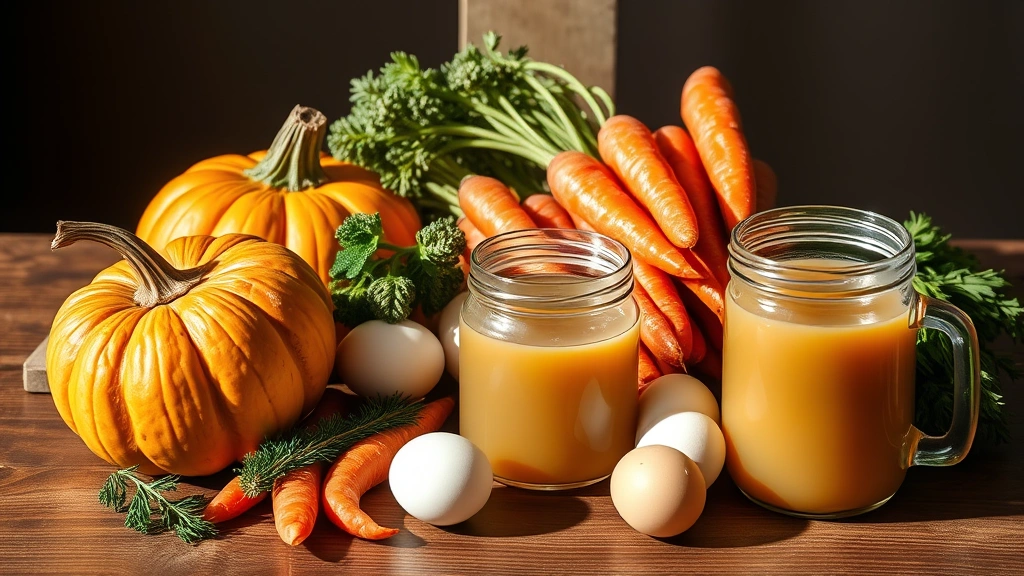
A small amount poured over their food or served as a light snack can work wonders. The gelatin soothes inflammation, and the nutrients support healing. It’s like giving your pet’s digestive system a spa day.
Carrots: The Crunchy Digestive Aid
Raw or cooked carrots are excellent for pets with sensitive stomachs. They’re low in calories, high in fiber, and the natural sweetness appeals to most pets. If you serve them raw, they also help clean teeth and massage the gums. Cooked carrots are softer and easier to digest for pets with severe sensitivities.
Chop them into appropriate sizes for your pet’s mouth—you don’t want a choking hazard. The beta-carotene in carrots also supports eye health, so it’s a win-win for your furry friend’s overall wellness.
Eggs: The Complete Protein Package
Scrambled eggs (cooked without butter, oil, or seasoning) are an excellent source of digestible protein and contain all nine essential amino acids. They’re gentle on the stomach and provide nutrients that support healing. Serve them plain and in moderation—eggs are calorie-dense, so a little goes a long way.
Some pets with sensitive stomachs tolerate eggs better than other protein sources. They’re particularly useful when you’re transitioning to a new diet or following homemade pet food schedule guidelines.
Lean Ground Turkey: The Gentle Protein Alternative
If chicken gets boring, plain cooked ground turkey is another excellent lean protein option. Cook it thoroughly without any seasoning, and drain excess fat before serving. Turkey is slightly different nutritionally from chicken, providing variety while remaining gentle on sensitive stomachs.
Ground turkey is easier to portion and mix into meals than whole chicken pieces, making it convenient for precise feeding amounts. It’s particularly useful when you’re preparing homemade diet supplements for pets.
Bananas: The Potassium-Rich Treat
Bananas are safe for pets and contain potassium, vitamin B6, and vitamin C. They’re naturally sweet, so most pets enjoy them, and they’re gentle on the digestive system. Serve them plain in small slices—the high natural sugar content means moderation is key.
A slice or two as an occasional treat won’t hurt, but don’t overdo it. Bananas are best used as an occasional supplement rather than a dietary staple for sensitive-stomached pets.
Plain Yogurt and Probiotics: The Gut-Healing Combo
Plain, unsweetened yogurt with live cultures can introduce beneficial bacteria to your pet’s digestive system. However, many adult pets are lactose intolerant, so introduce it slowly and in small amounts. A teaspoon mixed into their food might be enough to provide benefit.
For more targeted support, consider multi-strain probiotics for pets specifically formulated for canine or feline digestion. These supplements work alongside whole foods to restore healthy gut flora. You might also explore powder probiotics for cats if you have a feline friend.

Introduction Tips: Don’t Rush the Process
Here’s where most people mess up: they introduce new foods too quickly. Your pet’s sensitive stomach didn’t develop overnight, and it won’t heal overnight either. Introduce any new food gradually over 7-10 days, mixing increasing amounts with their current diet.
Watch for signs of improvement like firmer stools, less gas, and increased energy. If symptoms worsen, back off immediately. Every pet is different, and what works for your neighbor’s golden retriever might not work for yours.
Foods to Absolutely Avoid
While we’re celebrating the good stuff, let’s talk about the villains. Never give pets with sensitive stomachs: fatty foods, dairy products (except plain yogurt in tiny amounts), spicy foods, foods with artificial sweeteners (especially xylitol), onions, garlic, chocolate, grapes, or raisins. These can trigger severe digestive upset or even toxicity.
Also avoid heavily processed human foods, anything with excess salt or sugar, and foods with lots of seasonings. Your pet’s sensitive stomach is already struggling—don’t make it worse.
Frequently Asked Questions
Can I give my pet human food exclusively?
While human foods can supplement your pet’s diet, they shouldn’t replace complete commercial pet food entirely. Most human foods lack certain essential nutrients that pets need. The best approach is using human foods as supplements (10-15% of daily calories) alongside a quality commercial diet formulated for sensitive stomachs.
How long does it take for a sensitive stomach to improve?
Improvement timelines vary, but many pets show signs of recovery within 2-4 weeks of dietary changes. Some take longer, especially if they’ve had chronic issues. Be patient and consistent. If your pet shows no improvement after 4-6 weeks, consult your veterinarian about other underlying conditions.
Are there any human foods that are universally safe for all pets?
Plain cooked chicken and sweet potatoes are generally the safest bets for virtually all pets. However, always introduce new foods gradually and monitor your individual pet’s response. Some pets have specific allergies or sensitivities that make even “safe” foods problematic.
Should I consult a vet before changing my pet’s diet?
Absolutely. Sensitive stomach issues can indicate serious underlying conditions like pancreatitis, inflammatory bowel disease, or food allergies. Your vet can rule out serious problems and provide personalized recommendations based on your pet’s specific health status.
Can human foods cure my pet’s sensitive stomach permanently?
Human foods can help manage symptoms and support healing, but they’re not a cure-all. Some sensitive stomach issues are chronic and require ongoing dietary management. Work with your vet to develop a long-term feeding plan that works for your pet’s specific condition.
Conclusion: Feeding Your Sensitive-Stomached Pet with Confidence
Finding the right human foods for pets with sensitive stomachs doesn’t have to be complicated or expensive. Start with plain cooked chicken, add some sweet potato or pumpkin, and watch your pet’s digestive system begin to heal. Remember that every pet is unique—what works for one might not work for another.
The key is patience, consistency, and close observation. Introduce new foods slowly, monitor your pet’s response, and don’t hesitate to involve your veterinarian in the process. With the right approach and these gentle human food options, your pet can enjoy better digestion, more energy, and fewer bathroom emergencies. Your carpets will thank you, and more importantly, your furry friend will feel so much better.





