
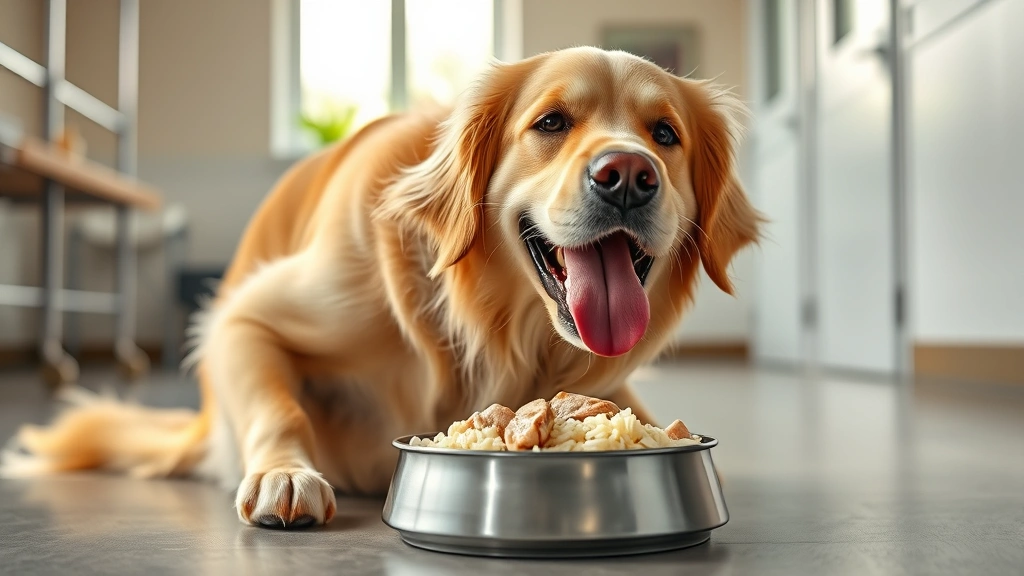
When you’re dropping your furry best friend off at a boarding facility, one of the biggest concerns is whether they’ll eat well and stay happy—and that’s where knowing which human foods safe for boarding can make all the difference. Your pet’s nutrition doesn’t take a vacation just because you are, and boarding facilities appreciate when pet parents provide clear guidance on what their animals can safely enjoy.
Table of Contents
- Why Boarding Facilities Need to Know About Safe Human Foods
- Safe Proteins: The Building Blocks of Boarding Nutrition
- Vegetables: The Sneaky Nutrition Boosters
- Fruits: Sweet Treats for Boarding Success
- Grains and Carbs: The Comfort Food Category
- The Absolute No-Go Foods for Boarding Situations
- Dairy: Proceed With Caution at Boarding
- Preparing Your Pet’s Boarding Food List
- Hydration: The Often-Forgotten Essential
- Special Dietary Situations During Boarding
- Working With Your Boarding Facility on Nutrition
- Frequently Asked Questions
- Summary: Setting Your Pet Up for Boarding Success
Why Boarding Facilities Need to Know About Safe Human Foods
Boarding facilities aren’t mind readers, and your pup or kitty can’t exactly explain their dietary preferences. When you leave detailed instructions about pet-friendly human foods, you’re giving caretakers the tools to keep your pet comfortable, well-fed, and less likely to experience stress-related appetite loss. Many pets get anxious when separated from their owners, and familiar foods can provide genuine comfort during their stay.
The reality? Some boarding facilities have limited options beyond standard kibble. By providing information about pet portion control and approved human foods, you’re actually helping your boarding facility provide better care. Plus, you’re preventing the scenario where a well-meaning staff member accidentally feeds your dog something toxic.
Safe Proteins: The Building Blocks of Boarding Nutrition
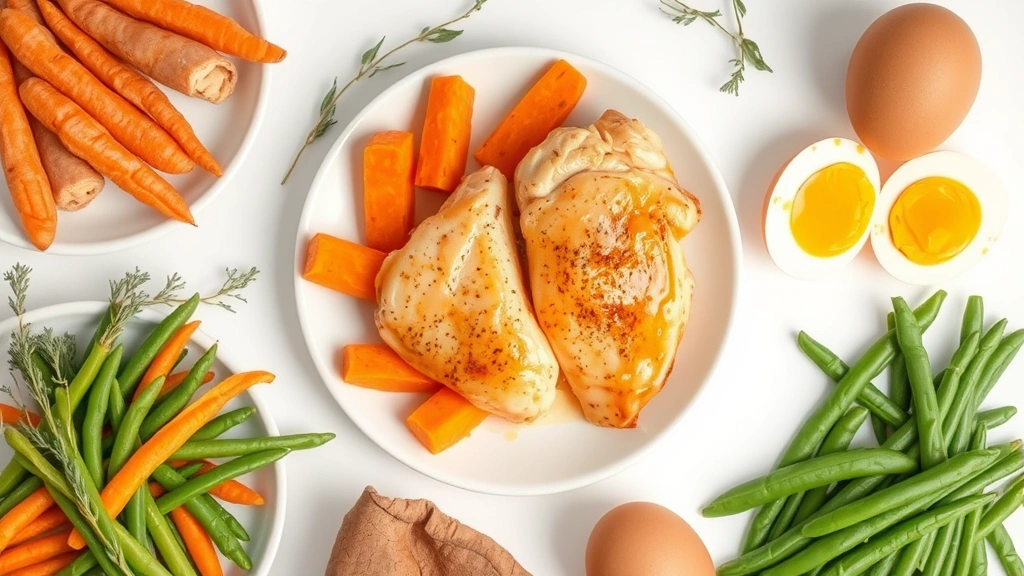
Lean proteins are your golden ticket when it comes to human foods safe for boarding. Cooked chicken breast (no skin, no seasoning) is basically the MVP of pet-friendly proteins. It’s bland enough for sensitive stomachs, packed with nutrition, and most boarding facilities can easily prepare it.
Cooked turkey is equally fantastic—just make sure it’s plain and boneless. Ground beef, when cooked without salt, garlic, or onions, works wonderfully too. Many boarding facilities can brown some ground beef and serve it alongside regular meals as a tasty topper. Fish like salmon and cod (fully cooked, deboned) provide omega-3 fatty acids that support coat health during stressful situations.
Eggs are criminally underrated as boarding foods. A scrambled egg with no butter or seasoning is packed with protein and usually gets tails wagging. Some facilities might even have eggs on hand already.
Vegetables: The Sneaky Nutrition Boosters
Not all veggies are created equal for boarding situations, but several make excellent additions to your pet’s temporary diet plan. Carrots (raw or cooked) are fantastic—they’re crunchy, low-calorie, and many dogs actually enjoy gnawing on them. Sweet potatoes, when cooked and cut into appropriate sizes, provide fiber and natural sweetness that keeps picky eaters interested.
Green beans (cooked, unseasoned) are another winner. Pumpkin puree (not pie filling) is genuinely magical for digestive health during boarding stays when stress might affect your pet’s system. Peas, broccoli (in small amounts), and zucchini round out the vegetable options.
The key rule? Skip anything with garlic, onions, or excessive seasoning. These are the villains of pet nutrition.
Fruits: Sweet Treats for Boarding Success
Apples (without seeds), bananas, blueberries, and watermelon (seedless) can provide refreshing variety during boarding stays. Fruits are especially useful during hot weather when your pet might not feel like eating but will happily munch on hydrating watermelon pieces.
Pumpkin and sweet potato technically aren’t fruits, but they deserve mention here as naturally sweet options that most pets find irresistible. Strawberries and raspberries work too, though they’re messier.
Always remove seeds and pits—this isn’t just a boarding thing, it’s a life thing. And remember that fruits are high in natural sugars, so they’re treats, not meal replacements.
Grains and Carbs: The Comfort Food Category
Plain white or brown rice is the ultimate boarding comfort food. Many facilities already use it, and it’s gentle on stressed stomachs. Oatmeal (cooked plain, no sugar or artificial sweeteners) provides fiber and warmth. Plain pasta, sweet potato, and regular potatoes (cooked, unseasoned) all work beautifully.
These foods pair perfectly with proteins and vegetables. A simple meal of plain chicken, rice, and carrots is basically the boarding facility equivalent of a warm hug for your pet’s digestive system. This approach aligns well with pet food transition schedule principles if your pet needs a dietary shift during boarding.
The Absolute No-Go Foods for Boarding Situations
This is where things get serious. Chocolate, grapes, raisins, avocado, macadamia nuts, and xylitol (artificial sweetener) are absolutely forbidden. These aren’t “maybe okay” foods—they’re genuinely toxic to dogs and cats.
Garlic and onions (including powdered forms) can damage red blood cells. Alcohol, caffeine, and anything moldy should never appear in a boarding facility. Salt-heavy processed foods, fatty meats, and anything with bones should be off-limits.
Raw dough, unbaked bread, and anything with yeast can expand in your pet’s stomach—terrifying stuff. If you’re unsure whether a food is safe, assume it’s not. Boarding facilities have your pet’s safety as a priority, and they’ll appreciate your caution.
Dairy: Proceed With Caution at Boarding
Most adult pets are lactose intolerant, so dairy is generally risky for boarding situations. Plain yogurt with live cultures might work for some pets, and a small amount of plain cottage cheese occasionally could be fine, but milk, cheese, and ice cream are typically digestive disasters waiting to happen.
During boarding, when your pet is already dealing with stress-related digestive sensitivity, introducing dairy is just asking for trouble. Skip it entirely unless your vet has specifically approved it for your individual pet.
Preparing Your Pet’s Boarding Food List
Create a simple, written guide for your boarding facility. Include portion sizes based on homemade pet food schedule principles if applicable. Specify which foods your pet loves and which they’ll ignore. Some pets are picky—that’s valuable information for caretakers.
Mention any dietary restrictions, allergies, or sensitivities. If your pet has never eaten certain foods, don’t introduce them during boarding. Stick with familiar options that you know work for your pet’s system. Include emergency contact information and your vet’s details.
Consider providing some of the foods yourself if the facility allows it. Pre-portioned containers of cooked chicken or prepared meals eliminate guesswork and ensure your pet gets exactly what they’re used to.
Hydration: The Often-Forgotten Essential
While we’re discussing human foods safe for boarding, don’t forget about water. Proper hydration is absolutely critical, especially during stressful situations. Make sure the boarding facility understands your pet’s water intake needs and has a system for monitoring it.
Wet foods and foods with high water content (like watermelon or broth-based meals) can supplement regular water intake. Some pets drink better from certain bowl types. Communicate these preferences clearly. Check out our guide on water intake monitoring for detailed strategies.
Special Dietary Situations During Boarding
If your pet is on a limited ingredient diet, boarding requires extra planning. Provide a detailed list of approved foods and strictly forbidden ingredients. Consider providing pre-made meals if possible.
For pets with feeding during illness concerns, inform the facility immediately. If your pet is recovering from digestive issues, stick with bland options like plain chicken and rice.
Senior pets and puppies have different nutritional needs. Make sure the boarding facility understands age-specific requirements and adjusts portion sizes accordingly.
Working With Your Boarding Facility on Nutrition
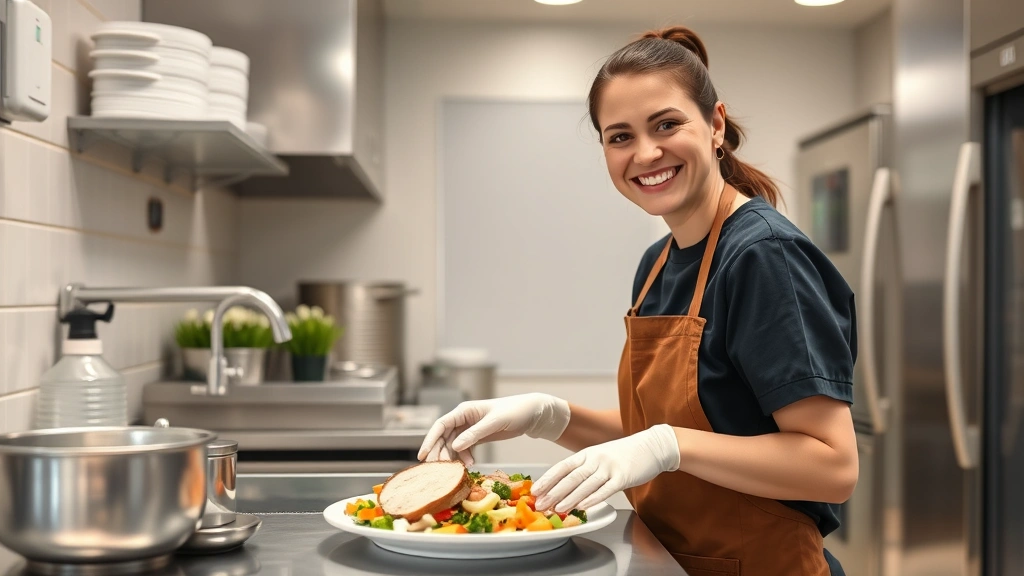
The best boarding facilities actually welcome detailed nutrition information. They’re not annoyed by pet parents who care—they’re grateful. Ask what foods they typically have available. Ask about their food preparation practices. Do they cook from scratch or use pre-made options?
Tour the facility and see their food storage and preparation areas. Ask how they handle pets with specific dietary needs. A quality facility will have clear protocols for managing different nutritional requirements.
Build a relationship with your boarding facility’s staff. When they know you’re a responsible pet parent who cares about details, they’ll go the extra mile for your furry friend.
Frequently Asked Questions
Can I bring homemade food for my pet’s boarding stay?
Most boarding facilities allow it, and many encourage it! Pre-portioned containers of homemade meals ensure your pet gets exactly what they’re accustomed to. Just check with your specific facility about their policies and food storage capabilities. Make sure any homemade food is properly refrigerated and clearly labeled with your pet’s name and feeding instructions.
What if my pet refuses to eat at the boarding facility?
Some stress-related appetite loss is normal, but persistent refusal to eat warrants a call to your vet. Offering familiar, appealing foods like plain chicken or their favorite approved human foods can help. Warming the food slightly can also increase its appeal. If your pet goes more than 24 hours without eating, contact your veterinarian immediately.
Are there human foods that are safe for both dogs and cats at boarding?
Yes! Plain cooked chicken, turkey, and fish work for both species. Cooked carrots, peas, and pumpkin are safe for both. The main difference is that cats are obligate carnivores, so they need more protein-focused options. Always check species-specific toxicity lists, as some foods safe for dogs are dangerous for cats (like onions).
Can I give my pet treats during boarding stays?
Absolutely, but stick with safe options. Plain dog biscuits, freeze-dried meat treats, and homemade treats (made from approved ingredients) are great choices. Avoid anything with artificial sweeteners, chocolate, or excessive salt. Ask the facility what their treat policy is and provide safe options you approve of.
How do I transition my pet to boarding facility food?
If the facility uses different food than what your pet normally eats, implement a gradual transition over 7-10 days before boarding. Mix increasing amounts of the new food with their regular food. However, it’s often easier to just provide your pet’s regular food to the facility to avoid digestive upset during an already stressful time.
Summary: Setting Your Pet Up for Boarding Success
Understanding which human foods safe for boarding work best for your pet is one of the most responsible things you can do as a pet parent. Plain proteins like chicken and turkey, safe vegetables like carrots and green beans, and simple carbs like rice create the foundation of excellent boarding nutrition.
Remember to avoid toxic foods absolutely, communicate clearly with your facility, and consider providing familiar foods from home. Your pet’s nutrition during boarding directly impacts their stress levels, digestive health, and overall well-being during your time away.
Work with your boarding facility as a team. They want your pet to be happy and healthy just as much as you do. By providing clear guidance on safe human foods and dietary preferences, you’re setting everyone up for success. Your pet will eat well, stay comfortable, and you’ll have peace of mind knowing they’re properly nourished while you’re away.
The boarding experience doesn’t have to mean your pet eats boring, unfamiliar food. With proper planning and communication about safe human foods, your pet can enjoy nutritious, delicious meals that keep them happy and healthy throughout their stay.





