
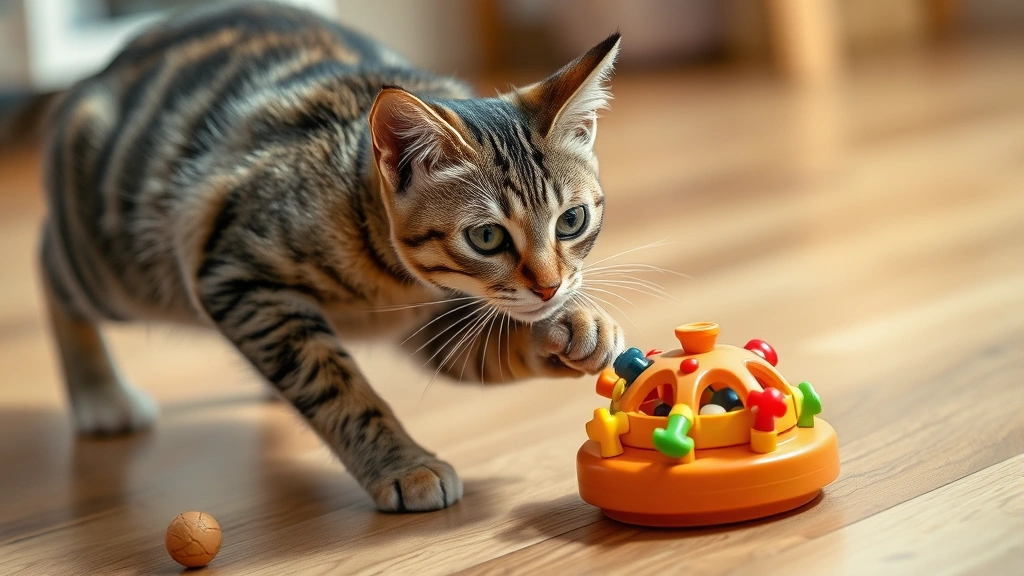
If your cat spends half the day staring at the wall like it owes them money, hunting feeders for cats might be the intervention your furry couch potato desperately needs. These interactive feeding devices transform mealtime from a boring five-second inhale into an engaging activity that mimics your cat’s natural hunting instincts. Let’s face it—your kitty didn’t evolve to have kibble magically appear in a ceramic bowl. They evolved to hunt, pounce, and earn their dinner like the apex predators they pretend to be.
Table of Contents
- Why Cats Need Hunting Feeders: More Than Just Entertainment
- The Best Interactive Feeding Solutions for Cats
- Puzzle Feeders: The Brain-Teaser Approach
- Treat-Dispensing Toys: Hunting Meets Play
- Slow Feeders and Lick Mats: The Underrated Heroes
- Automated Feeders with Hunting Elements
- DIY Hunting Feeders: Budget-Friendly Enrichment
- Choosing the Right Hunting Feeder for Your Cat
- Implementation Tips: Making the Transition Smooth
- Health Benefits Beyond Entertainment
- Common Mistakes to Avoid
- Frequently Asked Questions
- The Bottom Line: Transform Mealtime Into Adventure
Boredom in cats isn’t just annoying (though it absolutely is when they’re knocking things off your shelves at 3 AM). It’s actually a serious behavioral and health issue. Cats need mental stimulation, and hunting feeders deliver exactly that. In this guide, we’ll explore the best interactive feeding options, why they matter, and how to pick the perfect one for your specific feline.
Why Cats Need Hunting Feeders: More Than Just Entertainment
Your cat’s wild ancestors didn’t have a kibble dispenser. They hunted multiple times per day, engaging their brain, body, and natural predatory instincts. Modern indoor cats are basically living in sensory deprivation chambers, and it shows. They develop behavioral problems, obesity, and destructive habits when they’re not mentally stimulated.
Hunting feeders bridge this gap. They slow down eating (which is actually great for digestion), provide mental enrichment, and give your cat a sense of accomplishment. According to research from animal behaviorists, interactive feeding can reduce stress-related behaviors and improve overall well-being. Plus, cats that work for their food tend to maintain healthier weights—a major win if your kitty’s been looking a little, shall we say, “fluffy.”
The Best Interactive Feeding Solutions for Cats
Not all hunting feeders are created equal. Some are gimmicks wrapped in cute packaging, while others genuinely engage your cat’s hunting drive. Here are the top contenders:
Puzzle Feeders: The Brain-Teaser Approach
Puzzle feeders are the Rubik’s Cubes of the cat world. Your cat has to manipulate moving parts, flip lids, or slide compartments to access their food. They come in varying difficulty levels, which is perfect because you can graduate your cat from “complete novice” to “puzzle-solving champion.”
The best puzzle feeders have multiple compartments and require different actions to open. Some cats catch on immediately, while others need a few days to figure out the mechanism. The learning process itself is enriching—your cat’s brain is literally getting a workout. This is especially beneficial for brain health for aging pets who need cognitive stimulation to stay sharp.
Treat-Dispensing Toys: Hunting Meets Play
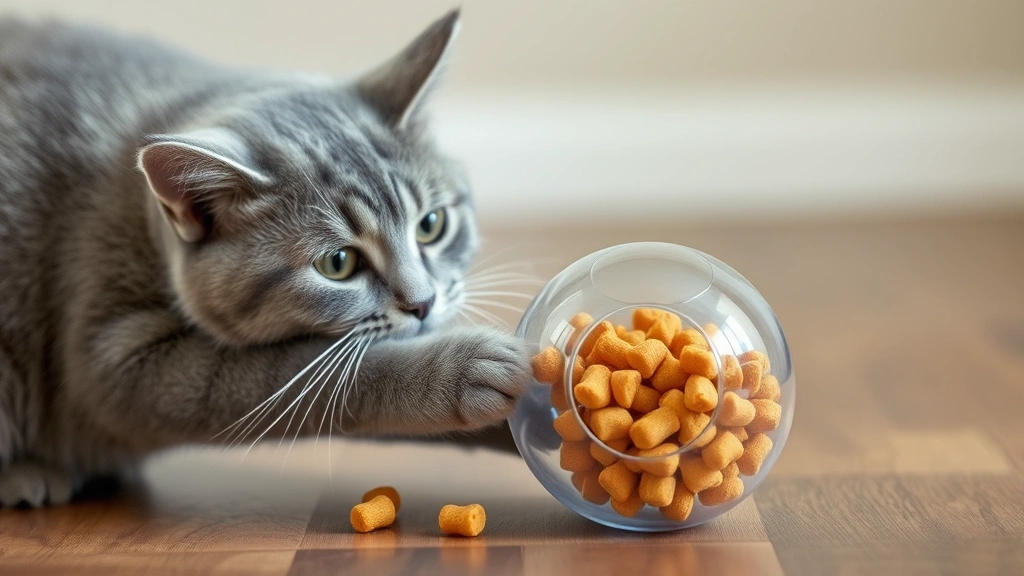
These are interactive feeders disguised as toys, and cats absolutely lose their minds over them. The concept is simple: your cat bats, pounces, and manipulates the toy to dispense treats or kibble. It’s like a combination of hunting and gambling—every pounce might result in a reward.
The beauty of treat-dispensing toys is that they work for multiple feeding styles. You can use them for treats between meals, as meal replacements, or as pure enrichment toys. Popular options include balls with adjustable holes and mice-shaped dispensers that reward pouncing behavior. Your cat’s natural hunting instincts kick in automatically, making these feeders feel less like “work” and more like “the best game ever invented.”
Slow Feeders and Lick Mats: The Underrated Heroes
While not technically “hunting” feeders, slow feeders and lick mats deserve mention because they fundamentally change how your cat eats. Slow feeders have raised bumps or maze-like patterns that force your cat to work around obstacles to access food. Lick mats (spreadable food on a textured surface) encourage natural licking behavior and can be frozen for extended engagement.
These are particularly useful if your cat is a speed-eater or has digestive sensitivity. They’re also excellent for cats recovering from illness or anxiety. If your cat struggles with stress-related eating, check out our guide on anxiety treats for cats to complement your feeding strategy.
Automated Feeders with Hunting Elements
Modern automated feeders have evolved beyond simple timed dispensers. Some models include motion sensors that dispense food only when your cat interacts with them, essentially creating a “hunt” every time they want to eat. Others have multiple compartments that rotate, forcing your cat to work through different sections.
These are ideal for multi-cat households or if you work long hours. Your cat gets meals on a schedule while still engaging their hunting instincts. Some even connect to apps so you can monitor feeding habits—useful for tracking pet health monitoring and catching dietary issues early.
DIY Hunting Feeders: Budget-Friendly Enrichment
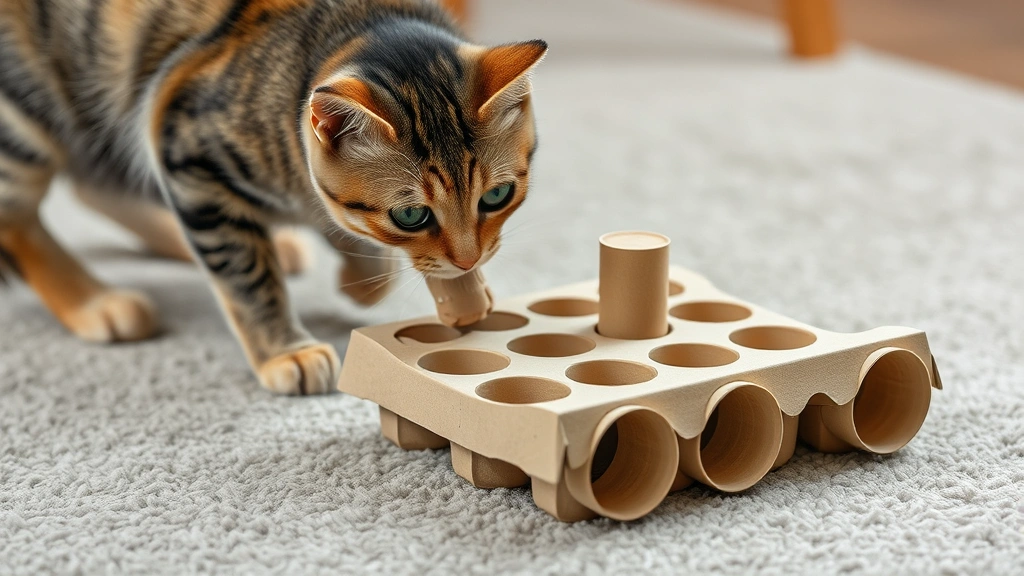
Not ready to drop serious cash? You can create hunting feeders at home. Hide kibble in toilet paper tubes, stuff treats inside paper bags, or use egg cartons with treats in each compartment. Your cat doesn’t know the difference between a $50 puzzle feeder and a creatively arranged cardboard box.
The DIY approach has a bonus: you can rotate different setups to prevent habituation. Cats get bored with the same toy, but a new cardboard puzzle every week? That’s fresh entertainment. Just ensure whatever you use is safe (no small pieces that could be swallowed) and supervise initially.
Choosing the Right Hunting Feeder for Your Cat
Not every feeder works for every cat. Consider your cat’s age, activity level, and personality. Kittens and young adults usually take to hunting feeders immediately. Senior cats might need easier options that don’t require intense physical effort. Anxious cats sometimes feel overwhelmed by complex puzzles—start simple.
Test different types. Some cats prefer the physical challenge of treat-dispensing toys, while others love the mental puzzle of figuring out mechanisms. Watch how your cat naturally plays and choose feeders that align with their style. A cat that loves to bat things around will thrive with rolling treat dispensers, while a cat that enjoys problem-solving will love puzzle feeders.
Also consider your lifestyle. If you’re home frequently, you can rotate multiple enrichment options. If you work full-time, an automated feeder with hunting elements might be more practical. The goal is sustainable enrichment that fits your actual life, not an Instagram-perfect setup you abandon after two weeks.
Implementation Tips: Making the Transition Smooth
Introducing hunting feeders requires strategy. Don’t just swap out your cat’s regular bowl and expect instant enthusiasm. Start by placing the feeder near their normal eating area with the lid off and food visible. Let them explore without pressure.
Next, put a small amount of their favorite treats inside and leave it open. Once they’re comfortable, close it partially and let them figure out how to access the food. Gradually increase difficulty over days or weeks. Some cats catch on in hours; others need more time. Patience is key.
If your cat seems frustrated, you’re moving too fast. Back up and make it easier. The goal is engagement, not stress. If your cat is experiencing behavioral issues related to anxiety, consider pairing hunting feeders with behavioral support supplements for a comprehensive approach to their well-being.
Health Benefits Beyond Entertainment
The benefits of hunting feeders extend beyond “my cat won’t destroy the furniture anymore” (though that’s definitely a perk). Cats that engage with interactive feeders show measurable improvements in weight management, digestive health, and stress levels. They sleep better, play more appropriately, and exhibit fewer behavioral problems.
According to PetMD, environmental enrichment—including interactive feeding—is one of the most effective interventions for feline behavior issues. The American Veterinary Medical Association also recommends enrichment strategies for indoor cats to promote physical and psychological health. When your cat is mentally stimulated, they’re healthier overall.
Common Mistakes to Avoid
The biggest mistake is choosing a feeder based on cuteness rather than functionality. That adorable feeder might look great in photos but bore your cat in two days. Second mistake: not rotating enrichment. Cats adapt quickly, so variety is essential. Third: using hunting feeders as a replacement for play and interaction. They’re a supplement to your engagement, not a substitute.
Also avoid feeders with small parts that could become choking hazards, and never leave unsupervised cats with feeders they haven’t mastered yet. Some cats get frustrated and might ingest pieces of the feeder itself if it’s not well-designed.
Frequently Asked Questions
How long should I use a hunting feeder for each meal?
It depends on the feeder and your cat. A simple puzzle feeder might take 10-15 minutes; a complex one could take 30+ minutes. The key is that your cat should finish their meal within a reasonable timeframe (usually under an hour). If they’re still struggling after extended effort, the feeder is too difficult.
Can I use hunting feeders for all my cat’s meals?
Absolutely. Many cats thrive on having all their meals delivered through interactive feeders. Some owners use hunting feeders for main meals and keep a regular bowl for quick snacks. Find what works for your cat’s personality and your schedule.
Are hunting feeders safe for kittens?
Yes, but choose appropriately sized feeders with no small parts. Kittens are curious and might try to eat the feeder itself if it’s not sturdy. Start with simple options and supervise until you’re confident they understand how to use it safely.
What if my cat refuses to use the hunting feeder?
Some cats are stubborn (shocking, I know). Try a different style or make it easier by leaving it partially open. You can also try putting it in a different location or using higher-value treats. If your cat continues to refuse, they might need more encouragement through play-based enrichment first.
Can hunting feeders help with weight loss?
Yes. Interactive feeders slow eating, increase calorie burn through play, and provide mental satisfaction beyond food quantity. Combined with portion control, they’re an excellent weight management tool. Just ensure you’re still feeding appropriate daily calorie amounts.
How do I clean hunting feeders?
Most quality hunting feeders are dishwasher safe or easily hand-washed. Check the manufacturer’s instructions. Cleanliness is important to prevent bacterial growth and keep your cat interested in using the feeder.
The Bottom Line: Transform Mealtime Into Adventure
Hunting feeders for cats aren’t a luxury—they’re a necessity for indoor cats living in understimulating environments. They address a fundamental need: the drive to hunt, engage, and work for resources. Whether you choose a sophisticated puzzle feeder, a simple treat-dispensing toy, or a DIY cardboard creation, the impact on your cat’s behavior, health, and happiness is real.
Your cat didn’t choose indoor life. They didn’t opt into staring at bowls of pre-portioned kibble. But you can give them the next best thing: the experience of earning their meals through natural hunting behaviors. Start with one feeder, observe your cat’s response, and build from there. Within weeks, you’ll notice a calmer, more engaged, healthier cat—and significantly fewer 3 AM zoomies. That’s worth every penny and every moment of setup time.





