
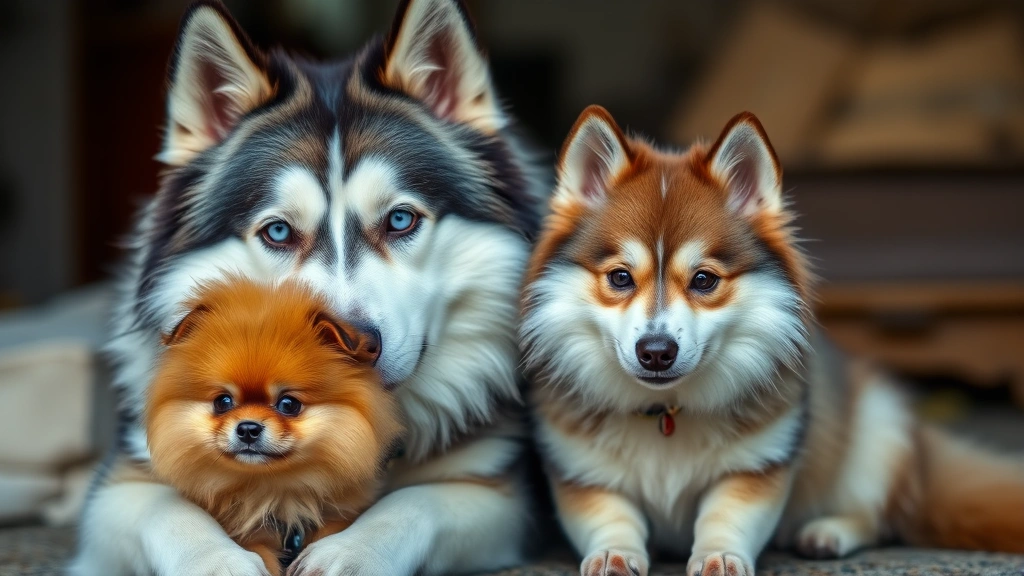
When it comes to choosing between a husky and pomeranian dog, you’re basically deciding between a sled-pulling powerhouse and a pocket-sized fluffball with attitude. These two breeds couldn’t be more different if they tried, yet both have devoted fans who swear they’re the perfect pet. Let’s break down everything you need to know about these polar opposites in the canine world.
Table of Contents
- Size Matters: The Massive Husky vs. The Tiny Pom
- Temperament: Friendly Pack Dogs vs. Confident Lap Dogs
- Energy Levels and Exercise Requirements
- Grooming and Shedding: Prepare for the Fur Apocalypse
- Training and Intelligence
- Health Considerations and Lifespan
- Nutritional Needs: Feeding a Husky vs. a Pomeranian
- Living Space: Apartment vs. House
- Cost of Ownership
- Social Compatibility and Family Fit
- Climate Considerations
- The Bottom Line: Which Is Right for You?
- Frequently Asked Questions
Size Matters: The Massive Husky vs. The Tiny Pom
Here’s where the comedy of comparison really kicks in. A Husky typically weighs between 45-60 pounds and stands 20-24 inches tall at the shoulder. They’re built like furry athletes with lean, muscular frames designed for endurance. A Pomeranian, on the other hand, tips the scales at a mere 3-7 pounds and stands about 8-11 inches tall. You could literally fit three Pomeranians in the space a Husky takes up on your couch.
This size difference isn’t just about aesthetics—it dramatically affects everything from exercise needs to living space requirements. If you live in a studio apartment, the husky and pomeranian dog comparison becomes pretty clear: one will drive you nuts with its energy, while the other might just nap on your lap.
Temperament: Friendly Pack Dogs vs. Confident Lap Dogs
Huskies are the social butterflies of the dog world. They were bred to work in packs, so they’re naturally friendly, outgoing, and genuinely love being around people and other dogs. They’re rarely aggressive and tend to greet strangers like old friends. Pomeranians, despite their tiny size, have massive personalities. They’re confident, sometimes stubborn, and can be surprisingly protective of their owners—they didn’t get the nickname “Pom attitude” for nothing.

When comparing husky and pomeranian dog temperaments, think of it this way: Huskies want to be your friend and everyone else’s friend. Pomeranians want to be YOUR friend and will let you know if anyone else gets too close to their human.
Energy Levels and Exercise Requirements
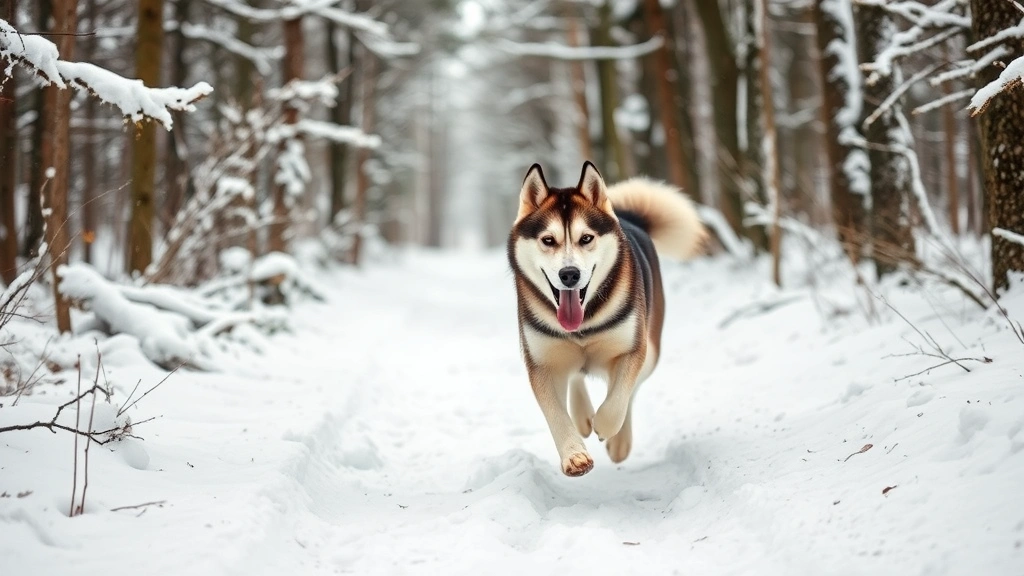
This is where Husky owners earn their stripes. These dogs were bred to run for miles in Arctic conditions, and they still have that drive today. A Husky needs at least 1-2 hours of vigorous exercise daily. Without it, they’ll redecorate your home by chewing through furniture, digging holes in your yard, and generally causing chaos. They’re escape artists who can jump fences and dig under gates—they’re basically the Houdini of dogs.
Pomeranians need significantly less exercise—about 30-45 minutes daily of moderate activity. A few walks and some playtime indoors usually satisfies them. This makes Pomeranians far more suitable for apartment living and less active owners. The husky and pomeranian dog energy comparison is like comparing a marathon runner to someone who enjoys a leisurely stroll.

Grooming and Shedding: Prepare for the Fur Apocalypse
Both breeds are heavy shedders, but for different reasons. Huskies have a double coat that sheds year-round and “blows” twice a year—meaning they shed enough fur to knit another dog. Pomeranians also have a double coat and shed constantly, though the volume is obviously less given their size. During shedding season, you’ll find Pom fur in places you didn’t know existed.
Grooming needs differ too. Huskies need brushing 3-4 times weekly (daily during shedding season) and occasional baths. Pomeranians need similar brushing frequency plus regular professional grooming every 6-8 weeks to keep their coat manageable. Neither breed is low-maintenance in the grooming department. If you’re considering the husky and pomeranian dog comparison and you hate vacuuming, neither is your answer.
Training and Intelligence
Huskies are intelligent but notoriously stubborn. They were bred to make independent decisions while running in packs, so they don’t always see the point in following commands. Training requires consistency, patience, and a strong understanding of positive reinforcement. They’re escape artists who view fences as suggestions and recall training as optional.
Pomeranians are also intelligent and stubborn, but in a different way. They can be trained, but they have a “why should I?” attitude. They respond better to training when it’s fun and rewards-based. Both breeds need experienced owners who understand their independent nature. The husky and pomeranian dog training comparison: expect challenges either way, just different ones.
For behavioral support, consider exploring calming foods for anxious pets if either breed shows stress-related behaviors during training.
Health Considerations and Lifespan
Huskies typically live 12-16 years and are generally healthy dogs. However, they’re prone to hip dysplasia, eye problems (including cataracts), and hypothyroidism. Their thick coats also make them prone to skin issues if not properly maintained. Regular vet checkups and screening for genetic conditions are essential.

Pomeranians live longer, typically 12-16 years (some into their 20s), but are prone to dental problems, patellar luxation (knee issues), and heart problems. Their small size makes them fragile—they can be injured by rough play or accidental drops. Both breeds benefit from high-quality nutrition. Check out skin and coat health foods to support their coat quality and overall wellness.
Nutritional Needs: Feeding a Husky vs. a Pomeranian
Huskies need high-quality, protein-rich diets to support their active lifestyle. They typically require 1.5-2 cups of food daily, depending on activity level. They’re prone to bloat, so feeding them multiple smaller meals rather than one large meal is recommended. Pomeranians need about 1/4 to 1/2 cup daily and are prone to obesity if overfed. Their small size means portion control is crucial.
Both breeds benefit from whole, nutrient-dense foods. For safe treat options that complement their diets, explore vet-approved human foods for pets and healthy snack alternatives for dogs.

Living Space: Apartment vs. House
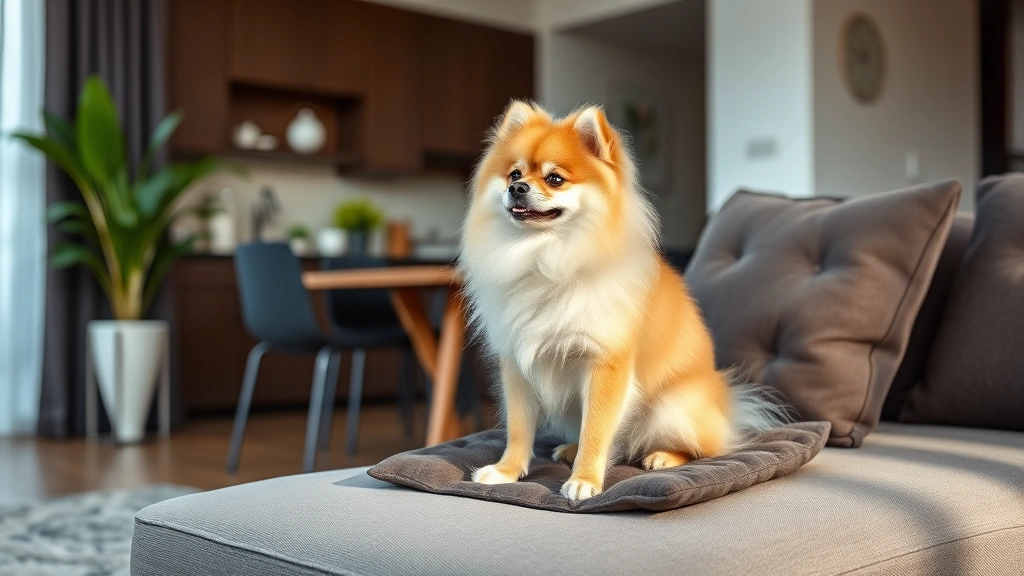
Huskies really shouldn’t live in apartments. They need space to move, a securely fenced yard, and plenty of opportunities to burn energy. They’re outdoor enthusiasts who thrive in cooler climates. Pomeranians, conversely, are perfect apartment dogs. They don’t need much space and are content in smaller living environments. They adapt well to various climates, though they’re sensitive to extreme heat.
The husky and pomeranian dog living situation comparison is straightforward: Huskies need acreage (or at least a large fenced yard), while Pomeranians need a comfortable couch.
Cost of Ownership
Husky ownership is expensive. Beyond the initial purchase price ($600-$1,500), expect to spend on high-quality food, regular vet care, training, and replacing chewed furniture. Annual costs typically run $1,500-$3,000. Pomeranian ownership is more budget-friendly initially, but professional grooming adds up. Annual costs typically run $1,000-$2,000. Both breeds benefit from pet insurance, which can offset unexpected health costs.
Social Compatibility and Family Fit
Huskies are pack animals who love families, kids, and other dogs. They’re rarely aggressive and make poor guard dogs because they’re too friendly. They thrive in active families who can provide exercise and engagement. Pomeranians can be good family pets but aren’t ideal for families with very young children because they’re fragile. They’re better suited for families with older kids or single/couple households.
Huskies generally do well with other pets, while Pomeranians can be territorial and may not tolerate other small pets. The husky and pomeranian dog family compatibility depends entirely on your household’s activity level and composition.
Climate Considerations
Huskies were literally built for cold weather. Their double coats provide insulation, and they actually prefer cooler climates. In hot weather, they struggle and are prone to overheating. They’re not suitable for hot climates unless you have significant air conditioning and can limit outdoor time. Pomeranians are more adaptable but also prefer cooler temperatures. They’re sensitive to extreme heat and cold despite their fluffy coats.

The Bottom Line: Which Is Right for You?
Choose a Husky if you’re an active person or family who loves the outdoors, has space to spare, enjoys regular exercise routines, and can handle a dog with strong prey drive and independent thinking. Choose a Pomeranian if you’re looking for a smaller companion, live in limited space, want lower exercise requirements, and appreciate a dog with personality packed into a tiny package.
The husky and pomeranian dog comparison ultimately comes down to lifestyle. There’s no universally “better” breed—only the better breed for YOUR situation. Both are wonderful dogs with devoted followings, but they require vastly different commitments.
Frequently Asked Questions
Can a Husky and Pomeranian live together?
Technically yes, but it requires careful introduction and supervision. Huskies have a prey drive, and Pomeranians are small enough to trigger it. If raised together from puppyhood and properly socialized, they can coexist, but it’s risky. The size difference alone makes play potentially dangerous for the Pomeranian.

Which breed is better for first-time dog owners?
Neither is ideal for complete beginners. Huskies require experienced handling due to their independence and exercise needs. Pomeranians, while smaller and less demanding physically, have strong personalities and can be stubborn. If forced to choose, Pomeranians are slightly more forgiving for first-time owners due to lower exercise requirements.
How much do Husky and Pomeranian puppies cost?
Husky puppies typically cost $600-$1,500 from reputable breeders. Pomeranian puppies cost $500-$1,500. Prices vary based on pedigree, breeder reputation, and location. Always adopt from responsible breeders who conduct health testing.
Do Huskies and Pomeranians get along with cats?
Huskies have a moderate prey drive and can live with cats if socialized early, though supervision is recommended. Pomeranians can be territorial and may chase cats, but individual personalities vary. Early socialization is key for both breeds.
Which breed sheds more?
Both shed heavily, but Huskies shed more in absolute volume due to their size. Expect tumbleweeds of fur with either breed. Neither is hypoallergenic, and both require consistent grooming to manage shedding.





