

If your pup scratches like they’re auditioning for a flea circus and you’ve ruled out the obvious culprits, hydrolyzed dog food might be your golden ticket to a happier, less itchy companion. This specialized nutrition approach breaks down proteins into tiny molecular pieces that your dog’s immune system can’t recognize as allergens—basically, it’s like giving your dog’s digestive system a pair of reading glasses so it stops freaking out at dinner time.
Table of Contents
- What Exactly Is Hydrolyzed Dog Food?
- Why Your Dog Might Need Hydrolyzed Protein Diet
- Signs Your Dog Could Benefit From Hydrolyzed Formulas
- Top 5 Hydrolyzed Dog Food Brands Worth Considering
- Transitioning Your Dog to Hydrolyzed Dog Food
- Comparing Hydrolyzed Options to Limited Ingredient Diets
- Cost Considerations and Budget-Friendly Alternatives
- Reading Labels: What to Look For in Hydrolyzed Formulas
- Combining Hydrolyzed Dog Food With Other Therapies
- When to Consult Your Veterinarian About Hydrolyzed Diets
- Real Results: What Dog Owners Report
- Treats and Supplements: Staying Consistent
- Frequently Asked Questions
- Final Thoughts: Finding Your Dog’s Perfect Match
What Exactly Is Hydrolyzed Dog Food?
Hydrolyzed dog food is processed through a method called hydrolysis, where proteins are broken down into amino acids and peptides so small that they’re essentially unrecognizable to your dog’s immune system. Think of it like this: if regular chicken is a full sentence, hydrolyzed chicken is individual letters scattered across a page. Your dog’s body doesn’t see it as a threat, so no allergic reaction.
This process is particularly useful for dogs with protein sensitivity or food allergies. The smaller protein molecules are easier to digest and less likely to trigger an immune response, making hydrolyzed dog food a veterinarian-recommended solution for canine food sensitivities.
Why Your Dog Might Need Hydrolyzed Protein Diet
Dogs develop food allergies for the same reasons humans do—sometimes their immune systems just decide certain proteins are public enemy number one. Common culprits include beef, chicken, wheat, and dairy. When your dog eats these allergens, their body launches an overprotective immune response that manifests as itching, ear infections, digestive issues, and sometimes even behavioral changes.
Before jumping to hydrolyzed options, consult your vet about online vet advice for food reactions to rule out other causes. Hydrolyzed formulas work because they eliminate the immune recognition phase entirely. Your pup gets the nutrition without the inflammatory drama.
Signs Your Dog Could Benefit From Hydrolyzed Formulas
Your dog is basically screaming for hydrolyzed dog food if they’re exhibiting chronic itching, red or inflamed skin, recurrent ear infections, vomiting, diarrhea, or excessive licking of paws. Some dogs also develop behavioral issues like anxiety or aggression when their allergies go untreated—turns out being itchy all the time makes everyone cranky.
If your dog has already been diagnosed with a food allergy or you’ve noticed symptoms correlate with meal times, hydrolyzed protein diets are worth discussing with your veterinarian. They’re often prescribed as an elimination diet to identify specific allergens or as a long-term management solution.
Top 5 Hydrolyzed Dog Food Brands Worth Considering
Not all hydrolyzed dog foods are created equal. Here are five brands that veterinarians and dog owners consistently recommend:
1. Royal Canin Hydrolyzed Protein
Royal Canin is basically the gold standard in veterinary nutrition. Their hydrolyzed protein formulas come in multiple varieties designed for different life stages and health conditions. The protein is broken down to less than 1,000 Daltons molecular weight—fancy science talk for “really, really small.” Most dogs tolerate it well, though it’s pricier than grocery store options.
2. Hill’s Science Diet z/d Ultra
Hill’s z/d line is specifically formulated for dogs with food sensitivities and allergies. It uses hydrolyzed chicken and soy as protein sources, making it ideal for dogs reacting to common allergens. It’s widely available through veterinarians and online retailers, and many insurance plans actually cover it when prescribed for diagnosed allergies.
3. Purina Pro Plan Hydrolyzed
Purina’s hydrolyzed formulas are backed by extensive research and come in both chicken and fish varieties. They’re more affordable than some premium brands while maintaining solid nutritional standards. The hydrolyzed protein is combined with limited ingredients to reduce the chance of triggering additional sensitivities.
4. Prescription Diet d/d by Hill’s
Hill’s d/d uses novel proteins (unusual sources like duck or potato) combined with hydrolysis technology. This dual approach is excellent for dogs with multiple food sensitivities. It’s prescription-only in many regions, meaning your vet needs to approve it, but that also means it’s been vetted for serious allergy cases.
5. Virbac Hydrolyzed Protein Diet
Virbac’s hydrolyzed formula uses fish as the primary protein source, which is naturally less allergenic than poultry or beef. It’s particularly useful for dogs with beef and chicken sensitivities. The brand is less mainstream than some competitors, but veterinary dermatologists often recommend it for stubborn allergy cases.
Transitioning Your Dog to Hydrolyzed Dog Food
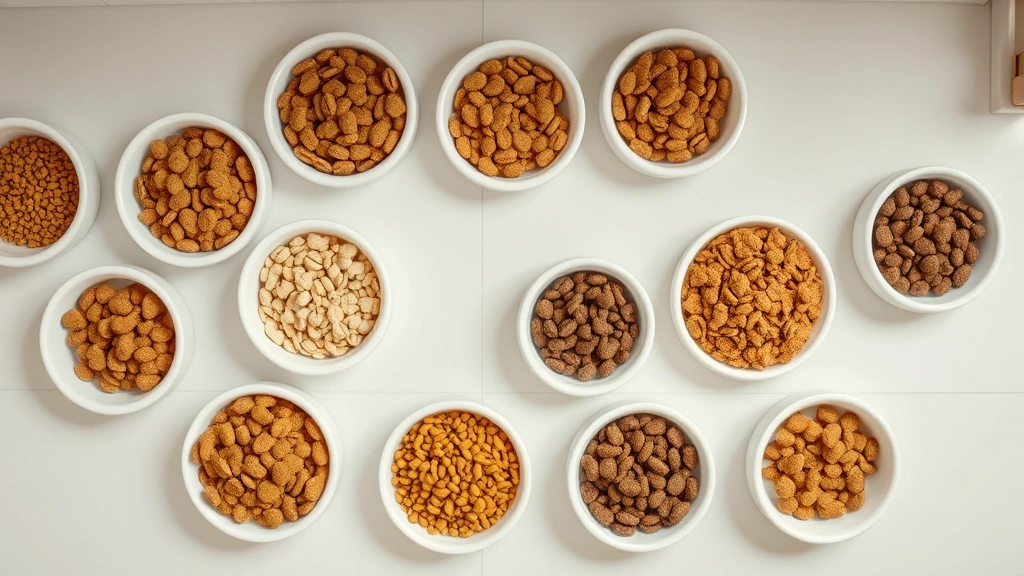
Don’t just dump the new food in the bowl and hope for the best. Introduce hydrolyzed dog food gradually over 7-10 days, mixing it with their current food in increasing proportions. Start with 25% new food to 75% old food, then gradually shift the ratio. A sudden switch can cause digestive upset—your dog’s gut bacteria need time to adjust to the new protein structure.
During the transition period, watch for any digestive changes. Most dogs actually feel better within 2-4 weeks as inflammation decreases and their skin improves. Be patient though—some dogs take 6-8 weeks to show significant improvement.
Comparing Hydrolyzed Options to Limited Ingredient Diets
You might wonder how hydrolyzed dog food differs from limited ingredient formulas. Limited ingredient diets reduce the number of potential allergens by using fewer ingredients overall. Hydrolyzed diets break down proteins into unrecognizable pieces. They’re complementary approaches—some dogs need hydrolyzed formulas, others do fine with limited ingredients.
Think of it this way: limited ingredient is like removing trigger foods from the equation, while hydrolyzed is like disguising the trigger foods so your dog’s immune system doesn’t recognize them. Your vet can help determine which approach suits your pup’s specific situation. If you’re exploring alternatives, check out our guide on chicken-free dog food options as well.
Cost Considerations and Budget-Friendly Alternatives
Here’s the truth: hydrolyzed dog food isn’t cheap. You’re looking at $40-80+ per month depending on your dog’s size and the brand. However, consider the cost of veterinary dermatology visits, medications, and ear infection treatments. Many dog owners find that the upfront investment in quality hydrolyzed dog food saves money on vet bills long-term.
Some veterinary clinics offer samples or smaller starter bags to test whether your dog tolerates a specific formula before committing to a full bag. Many also offer prescription discounts if your vet writes a therapeutic diet prescription. Don’t hesitate to ask about pricing options—vets want your dog healthy and understand budget constraints.
Reading Labels: What to Look For in Hydrolyzed Formulas
When evaluating hydrolyzed dog food options, check the protein source first. Look for the molecular weight of the hydrolyzed protein—under 1,500 Daltons is ideal for true hydrolysis. Verify that the formula is complete and balanced according to AAFCO standards. Check the ingredient list for unnecessary additives or potential allergens that might sneak in.
Be wary of products claiming to be hydrolyzed but listing whole proteins as primary ingredients. True hydrolyzed dog food should list hydrolyzed protein first, not whole meat meals. Also check for pet food safety certifications and recalls history. Stick with brands that conduct feeding trials and have veterinary nutritionists on staff.
Combining Hydrolyzed Dog Food With Other Therapies
Hydrolyzed dog food works best as part of a comprehensive allergy management plan. Many vets recommend pairing it with omega-3 supplements to support skin health, or adding immune-boosting foods for pets under veterinary guidance. Some dogs benefit from regular bathing with medicated shampoos to soothe inflamed skin while their diet works its magic.
Your vet might also recommend probiotics to support gut health during the transition period. When your dog’s digestive system is compromised by allergies, beneficial bacteria levels often drop. Supplementing with dog-specific probiotics can accelerate healing and improve overall tolerance to the new diet.
When to Consult Your Veterinarian About Hydrolyzed Diets
Don’t self-diagnose your dog’s allergies. If your pup is scratching excessively, has chronic ear infections, or shows digestive issues, schedule a vet appointment. Your veterinarian can perform elimination diets, allergy testing, or recommend hydrolyzed dog food based on your dog’s specific needs rather than guessing.
Some conditions that mimic food allergies—like parasites, infections, or environmental allergies—require different treatments. Your vet ensures you’re addressing the actual problem rather than wasting money on the wrong solution. They can also monitor your dog’s progress and adjust the diet if needed.

Real Results: What Dog Owners Report
Most dog owners switching to hydrolyzed dog food report noticeable improvements within 4-8 weeks. Excessive scratching decreases, skin redness fades, ear infections become less frequent, and overall coat quality improves. Dogs often seem happier and more energetic once the constant itching stops—imagine how you’d feel if your skin stopped driving you crazy.
Some owners report that their dogs finally stop obsessively licking their paws or chewing at their legs. Others notice their dog’s anxiety decreases once allergic inflammation stops. These aren’t just cosmetic improvements—they’re quality-of-life enhancements for your furry friend.
Treats and Supplements: Staying Consistent
Here’s where many people accidentally sabotage their dog’s allergy diet: treats. If your dog is on a hydrolyzed chicken formula but eating regular chicken treats, you’re defeating the purpose. Switch to treats that match your dog’s therapeutic diet, or make your own with safe ingredients. Check out our limited ingredient treat recipes for homemade options.
Even seemingly innocent treats can contain hidden allergens. Read every label carefully. Some dogs also react to certain supplements, so discuss any additions with your vet before adding them to your dog’s routine. Consistency is key—one contaminated treat can trigger symptoms that take weeks to resolve.
Frequently Asked Questions
How long does it take for hydrolyzed dog food to work?
Most dogs show improvement within 2-4 weeks, but some take 6-8 weeks for significant results. Skin healing is a slow process. Be patient and maintain consistency with the diet. If you don’t see any improvement after 8-10 weeks, consult your vet about alternative approaches or potential underlying issues.
Can I switch between hydrolyzed brands?
It’s not ideal. Different brands use different hydrolysis processes and protein sources, so switching can trigger reactions. If you need to change brands, transition gradually over 10-14 days. Ideally, stick with one brand once you find one your dog tolerates well.
Is hydrolyzed dog food suitable for all dogs?
Hydrolyzed dog food is specifically designed for dogs with food sensitivities and allergies. Healthy dogs without allergies don’t need it and can thrive on regular commercial or homemade diets. It’s therapeutic food, not a general-purpose diet. Use it only when medically indicated.
Can hydrolyzed dog food prevent allergies from developing?
No, it treats existing allergies but doesn’t prevent them from developing. Food allergies are often genetic or develop over time. Hydrolyzed dog food manages symptoms once allergies are present but won’t prevent them in dogs with genetic predisposition.
Are there any side effects of hydrolyzed dog food?
Hydrolyzed dog food is generally very safe. Some dogs experience mild digestive upset during the transition period, which usually resolves within a few days. Rarely, a dog might react to the specific protein source even when hydrolyzed. If your dog shows negative reactions, contact your vet immediately.
Can I make hydrolyzed dog food at home?
The hydrolysis process requires specialized equipment and precise conditions that home kitchens can’t replicate. Attempting homemade hydrolyzed food won’t achieve the same molecular breakdown. For therapeutic diets, stick with commercial formulas that have been properly processed and tested.
Final Thoughts: Finding Your Dog’s Perfect Match
Hydrolyzed dog food isn’t a miracle cure, but it’s genuinely life-changing for dogs suffering from food allergies. When you watch your itchy, uncomfortable pup transform into a happy, relaxed companion just by changing their food, you’ll understand why veterinarians recommend it so consistently. The investment in quality nutrition pays dividends in reduced vet bills, fewer medications, and most importantly, a happier dog.
Work closely with your veterinarian to identify the right hydrolyzed formula for your dog’s specific needs. Be patient during the transition period. Stay consistent with treats and supplements. And remember—every dog is unique, so what works for your friend’s golden retriever might not work for your pup. Trust your vet, observe your dog’s response, and adjust as needed. Your dog’s relief from constant itching will be worth every penny and every bit of effort.





