
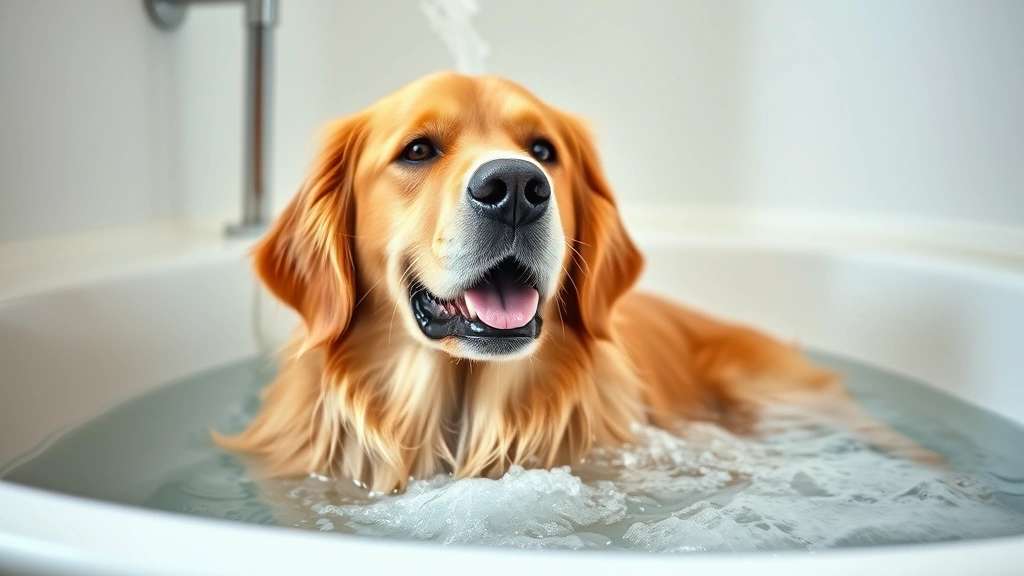
If your pup spends more time scratching than playing fetch, hypo shampoo for dogs might be your new best friend. Sensitive skin in dogs is no joke—it’s itchy, uncomfortable, and can drive both you and your furry friend absolutely bonkers. The good news? There’s a whole world of hypoallergenic shampoos designed specifically to soothe irritated skin without the harsh chemicals that make things worse.
Table of Contents
- What Exactly Is Hypo Shampoo for Dogs?
- Why Do Dogs Get Sensitive Skin in the First Place?
- Key Ingredients to Look For in Quality Hypo Shampoo
- Best Hypo Shampoo Brands for Dogs with Sensitive Skin
- How to Properly Bathe Your Dog with Hypo Shampoo
- Connection to Food Allergies and Environmental Triggers
- Medicated Options: When Hypo Shampoo Isn’t Enough
- The Conditioner Question: Can You Use Regular Conditioner?
- How Often Should You Bathe Your Dog?
- When to See a Vet About Your Dog’s Skin Issues
- Natural Alternatives and DIY Options
- Frequently Asked Questions
- Final Thoughts: Giving Your Pup the Comfort They Deserve
What Exactly Is Hypo Shampoo for Dogs?
Let’s break this down without the marketing fluff. Hypo shampoo—short for hypoallergenic shampoo—is formulated to minimize allergic reactions and irritation. These shampoos typically skip the nasty stuff like sulfates, parabens, artificial dyes, and fragrances that trigger itching fits in sensitive pups. Instead, they focus on gentle, natural ingredients that clean without stripping your dog’s skin of its natural oils.
Think of it as the difference between washing your face with industrial-grade soap versus a gentle cleanser. Your dog’s skin is way more sensitive than you’d think, and it deserves better than whatever’s on the clearance shelf at the pet store.
Why Do Dogs Get Sensitive Skin in the First Place?
Your dog’s skin sensitivity can stem from several culprits. Environmental allergies (pollen, dust mites, mold), food sensitivities, parasites, or even stress can trigger the dreaded itch. Some breeds are just genetically predisposed to sensitive skin—looking at you, Golden Retrievers and Bulldogs.
When you use a regular shampoo loaded with harsh chemicals on already-irritated skin, you’re basically pouring gasoline on a fire. That’s where hypoallergenic options come in clutch. They work with your dog’s natural skin barrier instead of against it.
Key Ingredients to Look For in Quality Hypo Shampoo
Not all hypo shampoos are created equal. Here’s what separates the winners from the duds:
Oatmeal: A classic soothing ingredient that’s been calming irritated skin for centuries. It’s gentle, natural, and actually works.
Aloe Vera: Hydrating and anti-inflammatory. Your dog’s skin will thank you.
Coconut Oil: Moisturizing without being greasy. It also has natural antimicrobial properties.
Chamomile: Another gentle soother that reduces inflammation and itching.
Hyaluronic Acid: Holds moisture in the skin, preventing that awful dryness that leads to more scratching.
Avoid anything with sulfates, parabens, artificial colors, or synthetic fragrances. Your pup doesn’t need to smell like a tropical paradise—they need relief.
Best Hypo Shampoo Brands for Dogs with Sensitive Skin
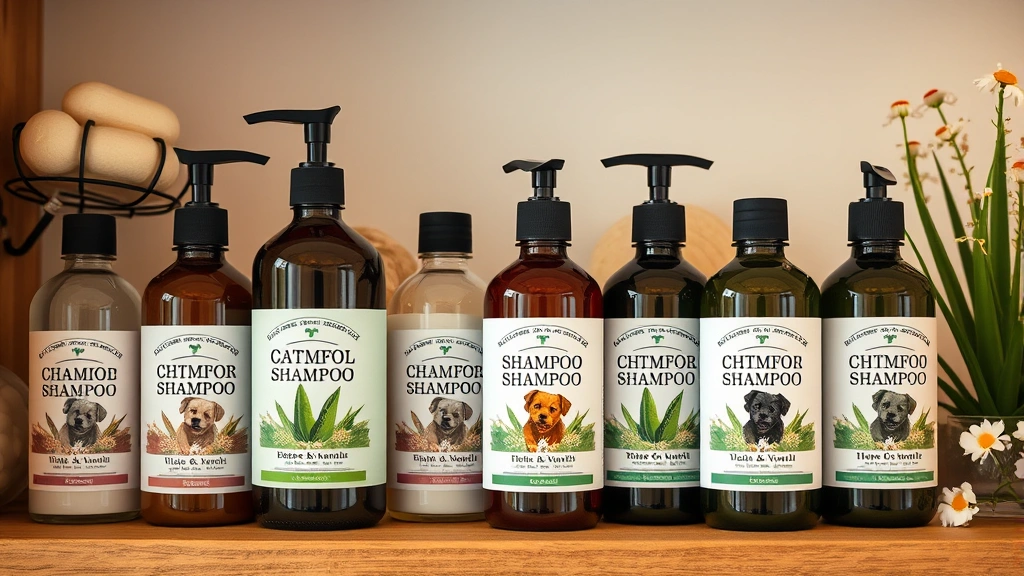
The market’s flooded with options, so let’s cut through the noise. Look for brands that invest in veterinary dermatology research. Popular choices include oatmeal-based formulas and medicated options recommended by vets. Some owners swear by oat and aloe combinations, while others find relief with chamomile-infused formulas.
Pro tip: Your vet might have specific recommendations based on your dog’s particular skin issues. They’re not just being annoying—they actually know what works for your specific pup’s situation.
How to Properly Bathe Your Dog with Hypo Shampoo
Using the right shampoo is only half the battle. Here’s the proper technique:

Wet thoroughly: Use lukewarm water (not hot—that dries out skin even more). Wet your dog’s entire coat.
Apply strategically: Start with the back and sides, working toward the legs and belly. Avoid the face and ears initially.
Lather gently: Don’t scrub aggressively. Use gentle, circular motions with your fingertips, not your nails.
Let it sit: Many hypo shampoos work better if you let them sit for 5-10 minutes. This gives the soothing ingredients time to do their thing.
Rinse completely: This is crucial. Any residue left behind will cause itching. Rinse until the water runs clear.
Dry carefully: Pat dry with a towel rather than rubbing. Some dogs benefit from air drying or using a low-heat dryer.
Connection to Food Allergies and Environmental Triggers
Here’s something most people miss: sometimes the itching isn’t just about what you’re washing with. Food allergies in pets can manifest as skin issues, and human foods for pets with food allergies might be triggering your dog’s sensitive skin from the inside out.
Using hypo shampoo is great, but if your dog’s itching because they’re allergic to chicken or wheat, you’re only treating the symptom, not the cause. That’s why a holistic approach—combining the right shampoo with dietary adjustments and environmental management—works best.
Medicated Options: When Hypo Shampoo Isn’t Enough
Sometimes sensitive skin escalates to actual skin conditions requiring medication. If your dog has bacterial or yeast infections, chlorhexidine for dogs is a common antimicrobial ingredient found in prescription shampoos. These are stronger than regular hypo shampoos and should only be used under veterinary guidance.
Signs you might need medicated shampoo: persistent odor, visible redness or lesions, pus-filled bumps, or if your dog’s scratching gets worse instead of better after two weeks of regular hypo shampoo use.
The Conditioner Question: Can You Use Regular Conditioner?
This is a common question, and the answer is mostly no. Regular human or even regular dog conditioner can reintroduce the irritants you’re trying to avoid. However, if you need conditioning action, look for hypoallergenic conditioners designed for sensitive skin. Or check out our guide on can you use human conditioner on dogs for more specifics on what’s safe.
How Often Should You Bathe Your Dog?
This depends on your dog’s specific situation. Dogs with sensitive skin generally shouldn’t be bathed more than once every 2-3 weeks. Over-bathing strips natural oils and worsens irritation. However, if your vet recommends medicated shampoo for an active infection, you might bathe more frequently temporarily.
Some dogs with severe issues might benefit from weekly baths with hypo shampoo initially, then taper down as their skin improves. Your vet can give you specifics.
When to See a Vet About Your Dog’s Skin Issues
If your dog’s scratching is affecting their quality of life, or if hypo shampoo alone isn’t helping after consistent use for 3-4 weeks, it’s time for professional help. A vet can perform skin scrapings or cultures to identify specific issues, whether that’s allergies, parasites, or infections.
Modern veterinary medicine offers great solutions, and if your local vet isn’t available, pet telehealth options can connect you with dermatology specialists remotely.
Natural Alternatives and DIY Options
Some owners prefer making their own hypo shampoo. While this can work, be cautious. A simple recipe of oatmeal-infused water with a tiny bit of gentle castile soap can help, but it’s easy to get the ratios wrong and make things worse.
If you go the DIY route, always patch-test on a small area first and consult your vet. Commercial hypo shampoos have been tested for safety and efficacy—DIY solutions haven’t.
Frequently Asked Questions
Is hypo shampoo for dogs safe for puppies?
Generally yes, but puppies have even more delicate skin than adult dogs. Always use a formula specifically marked for puppies, and introduce it gradually. Start with one bath and monitor for any reactions before making it routine.
Can hypo shampoo cure my dog’s allergies?
No, hypo shampoo manages symptoms and provides relief—it doesn’t cure underlying allergies. Think of it as a treatment tool, not a cure. Actual allergy management requires identifying triggers and possibly working with a vet on long-term solutions.
How long does it take to see improvement?
Most dogs show some improvement within 1-2 weeks of consistent use. Significant improvement usually takes 3-4 weeks. If you’re not seeing any change after a month, something else might be going on—time to call your vet.
Can I use human hypoallergenic shampoo on my dog?
Not recommended. Human skin and dog skin have different pH levels. Human shampoo, even hypoallergenic versions, can disrupt your dog’s skin barrier and make problems worse. Stick with products formulated for dogs.
What’s the difference between hypo shampoo and medicated shampoo?
Hypo shampoos are preventative and soothing for general sensitivity. Medicated shampoos contain active ingredients like antifungals or antibacterials and are prescribed for specific conditions like yeast infections or bacterial dermatitis.
Does breed matter when choosing hypo shampoo?
Not significantly. The key is choosing based on your individual dog’s skin condition, not breed. That said, breeds prone to skin issues (like Bulldogs) might benefit from hypo shampoo as a preventative measure.
Final Thoughts: Giving Your Pup the Comfort They Deserve
Your dog’s constant scratching is a cry for help, and switching to hypo shampoo for dogs is often the first step toward relief. It’s not complicated—just pick a quality formula with natural, soothing ingredients, bathe your pup properly, and give it time to work.
Remember, though: hypo shampoo is part of a bigger picture. If your dog’s sensitive skin persists despite your best efforts, don’t hesitate to involve your vet. Sometimes the answer lies in dietary changes, parasite prevention, or identifying specific environmental triggers.
The bottom line? Your dog doesn’t have to live in itchy misery. With the right hypo shampoo and a little patience, you’ll have a comfortable, happy pup who actually enjoys bath time. And that’s worth every penny.





