
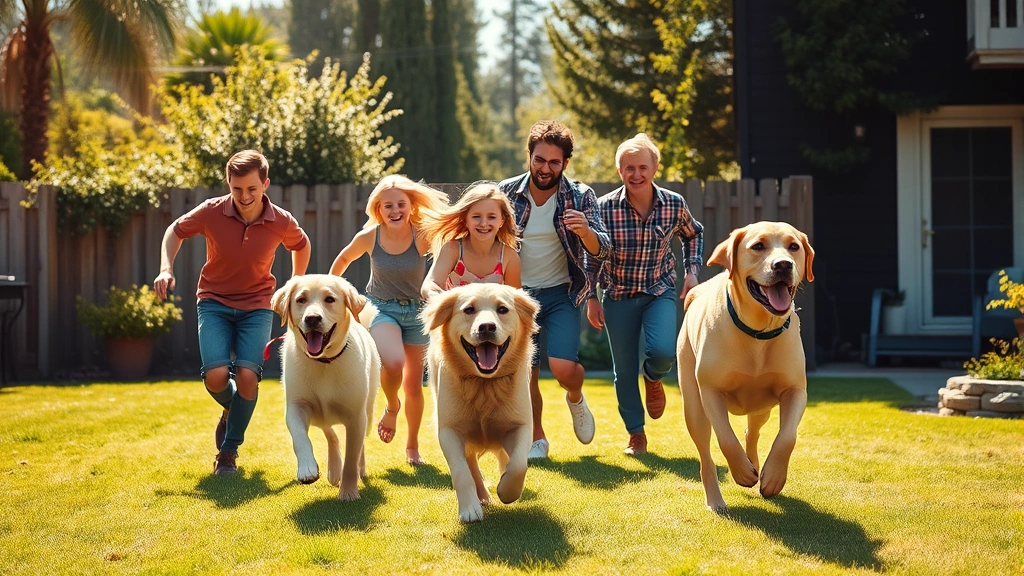
Finding the perfect ideal family dogs can feel like you’re trying to solve a Rubik’s cube while your kids are screaming in the background—but don’t worry, we’ve got your back. The right canine companion can transform your household into a happier, more active, and genuinely more fun place to live. Whether you’ve got toddlers running around, teenagers who need a buddy to take on hikes, or you’re just looking for a dog that won’t destroy your couch (okay, maybe occasionally), this guide will help you navigate the wonderful world of family-friendly pups.
Table of Contents
- What Makes a Dog “Family-Friendly”?
- Golden Retrievers: The Overachiever You Actually Love
- Labrador Retrievers: The Enthusiastic Best Friend
- Beagles: The Compact Adventurers
- Bulldogs: The Gentle Couch Potatoes
- Collies: The Intelligent Protectors
- Boxers: The Playful Protectors
- Poodles: The Smart and Stylish Companions
- Spaniels: The Eager Enthusiasts
- Mutts and Rescue Dogs: The Underrated Superstars
- Choosing Your Perfect Family Companion
- Frequently Asked Questions
- Summary: Your Ideal Family Dog Awaits
What Makes a Dog “Family-Friendly”?
Before we dive into our top picks, let’s talk about what actually makes best family dog breeds tick. A truly family-oriented dog needs patience with kids, a stable temperament, and enough energy to keep up with your chaos without being so hyperactive they become a furry tornado. They should be trainable, not overly aggressive, and ideally, they should actually enjoy being around humans (shocking, we know). Size matters too—some families want a gentle giant, while others prefer a smaller companion that won’t accidentally knock over your toddler.
Golden Retrievers: The Overachiever You Actually Love
Let’s start with the golden child of family dog breeds—the Golden Retriever. These guys are basically the Swiss Army knife of dogs: intelligent, loyal, and genuinely happy to see you every single time you walk through the door. Golden Retrievers are patient with kids, trainable for almost anything, and they actually seem to enjoy family chaos. They do shed like they’re trying to create a second dog, so invest in a good vacuum. Their energy levels are moderate to high, making them perfect for families who enjoy outdoor activities. According to the American Kennel Club, Golden Retrievers consistently rank as one of the most popular breeds for good reason.
Labrador Retrievers: The Enthusiastic Best Friend
If Golden Retrievers are the overachievers, Labrador Retrievers are the enthusiastic best friends who are always down for whatever you’re doing. Labs come in three colors (black, chocolate, and yellow), and they’re all equally excited about life. They’re incredibly food-motivated, which makes training a breeze—just have some healthy pet treats handy. Labs are sturdy enough to handle rough-and-tumble play with older kids and gentle enough for younger ones. Their main downside? They’re basically four-legged vacuum cleaners with an insatiable appetite, so watch out for what they might sneak off the counter.
Beagles: The Compact Adventurers
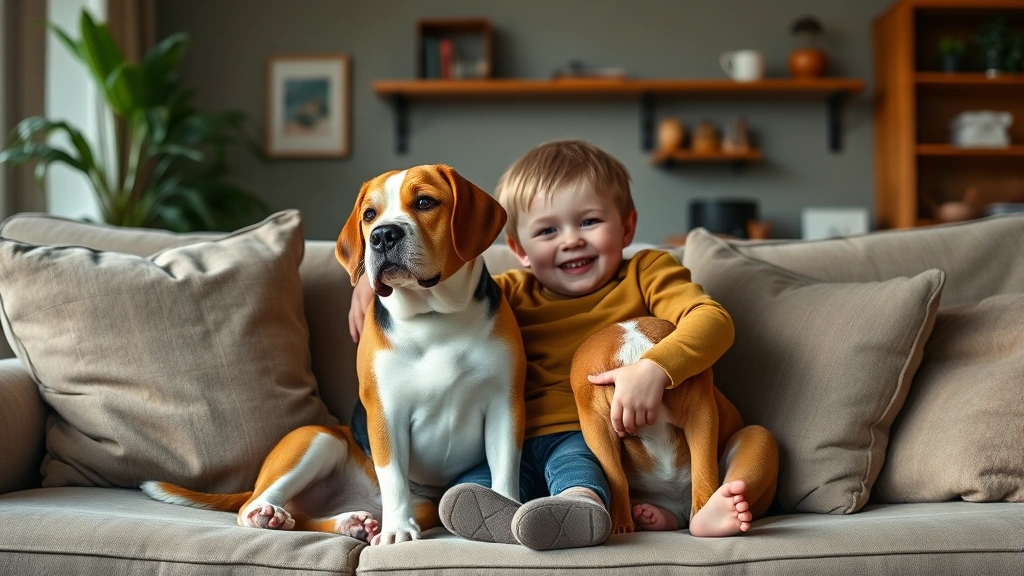
Want all the personality in a smaller package? Beagles are your answer. These compact hounds are curious, playful, and absolutely obsessed with sniffing everything (seriously, their noses are basically superpowers). Beagles are great for families with limited space since they don’t need a massive yard, but they do need regular exercise to burn off their hunting dog energy. They’re social butterflies who generally get along well with other dogs and kids. Just be prepared for some stubborn moments—Beagles have minds of their own. Keep harmful foods away from them, as they’ll eat just about anything. Check out our guide on harmful foods for dogs to keep your Beagle safe.
Bulldogs: The Gentle Couch Potatoes
If your family isn’t exactly training for marathons, Bulldogs might be your perfect match. These wrinkly, adorable goofballs are low-energy dogs that actually prefer lounging around the house. They’re incredibly patient with kids, have a goofy sense of humor that’ll make you smile, and they don’t require extensive exercise. Bulldogs do have some health considerations due to their flat faces, so vet care is important. They’re also not great in extreme heat, so keep that AC running. Their calm demeanor makes them ideal for families who want a companion without the constant demand for outdoor activity.
Collies: The Intelligent Protectors
Made famous by a certain TV dog named Lassie, Collies are intelligent, loyal, and genuinely protective of their families. These medium-to-large dogs are trainable, athletic, and they actually seem to understand what you’re saying. Collies have beautiful long coats that require regular grooming, so budget time for that. They’re gentle with kids and have a natural herding instinct that sometimes manifests as them trying to “herd” your children around the house (it’s adorable, mostly). Their intelligence means they need mental stimulation, so puzzle toys and training sessions are essential.
Boxers: The Playful Protectors
Boxers are basically the class clowns of the dog world—goofy, playful, and endlessly entertaining. Despite their muscular appearance, they’re actually gentle with kids and have an almost puppy-like enthusiasm that never seems to fade. Boxers are protective without being aggressive, making them excellent family guardians. They’re high-energy, so they need regular exercise and play. Their short coats are easy to maintain, and they’re relatively healthy dogs. Fair warning: they’re also master counter-surfers, so make sure you’re aware of any can dogs eat peanut butter scenarios in your kitchen.
Poodles: The Smart and Stylish Companions
Don’t let the fancy haircuts fool you—Poodles (Standard, Miniature, and Toy) are seriously intelligent and athletic dogs. They’re highly trainable, hypoallergenic due to their curly coats, and they come in multiple sizes so you can choose what fits your family. Standard Poodles are great for active families, while Miniatures and Toys work well for apartments. They’re playful, affectionate, and they actually enjoy being part of family activities. Their coats require regular grooming, so factor that into your budget. PetMD notes that Poodles are among the most intelligent dog breeds, making them excellent for families who want a trainable companion.
Spaniels: The Eager Enthusiasts
Whether you’re looking at Cocker Spaniels or Cavalier King Charles Spaniels, these breeds are gentle, eager to please, and absolutely wonderful with kids. Spaniels have moderate energy levels, making them suitable for families with varying activity levels. Cocker Spaniels are a bit more energetic, while Cavaliers are slightly more laid-back. Both breeds are affectionate, non-aggressive, and they genuinely seem to enjoy being around their families. Their medium-length coats require regular grooming, and they’re prone to ear infections, so keep those floppy ears clean.
Mutts and Rescue Dogs: The Underrated Superstars
Here’s the real talk: some of the best family dog breeds aren’t actually purebreds at all. Mixed breeds and rescue dogs often have the perfect combination of traits that make them ideal family companions. Adoption gives a deserving dog a second chance, and you’ll often find that rescue dogs are incredibly grateful and loyal. Many shelters can help match you with a dog that fits your family’s specific needs and lifestyle. Plus, you’re saving a life, which is pretty awesome.
Choosing Your Perfect Family Companion
Selecting ideal family dogs isn’t just about picking a cute breed—it’s about understanding your family’s lifestyle, energy level, and needs. Consider your living space, how much time you can dedicate to exercise and training, and whether you have young children or older kids. Think about grooming requirements, potential health issues, and your budget for vet care and food. Don’t rush the decision. Spend time with different breeds, talk to breeders and rescue organizations, and honestly assess what you can handle. The right dog will bring years of joy, but the wrong match can lead to frustration for both you and the pup. When you bring your new family member home, make sure to transition their diet properly—check out our guide on pet diet transition advice to keep them healthy and happy.
Frequently Asked Questions
What’s the best family dog for small apartments?
Smaller breeds like Cavalier King Charles Spaniels, Toy Poodles, and Beagles adapt well to apartment living. Bulldogs are also great if you don’t mind lower energy levels. The key is finding a breed that doesn’t require excessive space, though any dog needs regular exercise and mental stimulation.

Are there hypoallergenic family dogs?
While no dog is completely hypoallergenic, breeds like Poodles, Bichon Frises, and Portuguese Water Dogs produce less dander and shed minimally. These breeds are better for families with allergies, though individual reactions vary.
What age dog is best for families with small children?
Adult dogs (1-5 years old) are often better than puppies for families with small children. They’re past the destructive chewing phase and often have calmer temperaments. Puppies require intense training and supervision that can be overwhelming with young kids.
How much exercise do ideal family dogs need?
It depends on the breed. High-energy breeds like Labs and Golden Retrievers need 60+ minutes daily. Medium-energy dogs like Spaniels need 30-45 minutes. Low-energy breeds like Bulldogs need just 20-30 minutes of gentle activity.
Are rescue dogs good for families?
Absolutely! Many rescue dogs make wonderful family companions. Shelters often have information about each dog’s temperament and can help match you with a dog suitable for your family situation. You’ll also be saving a life.
Summary: Your Ideal Family Dog Awaits
Finding ideal family dogs is about matching the right breed (or mix) with your family’s unique lifestyle. Whether you choose a Golden Retriever’s unwavering loyalty, a Beagle’s adventurous spirit, a Bulldog’s couch-potato charm, or a rescue dog’s grateful heart, the perfect companion is out there waiting for you. Take your time, do your research, and trust your instincts. The right dog will bring laughter, love, and countless memories to your home. And remember, once you bring your new family member home, proper nutrition is key—make sure you’re feeding them well and avoiding any harmful foods. Your new best friend is going to be absolutely worth it.





