
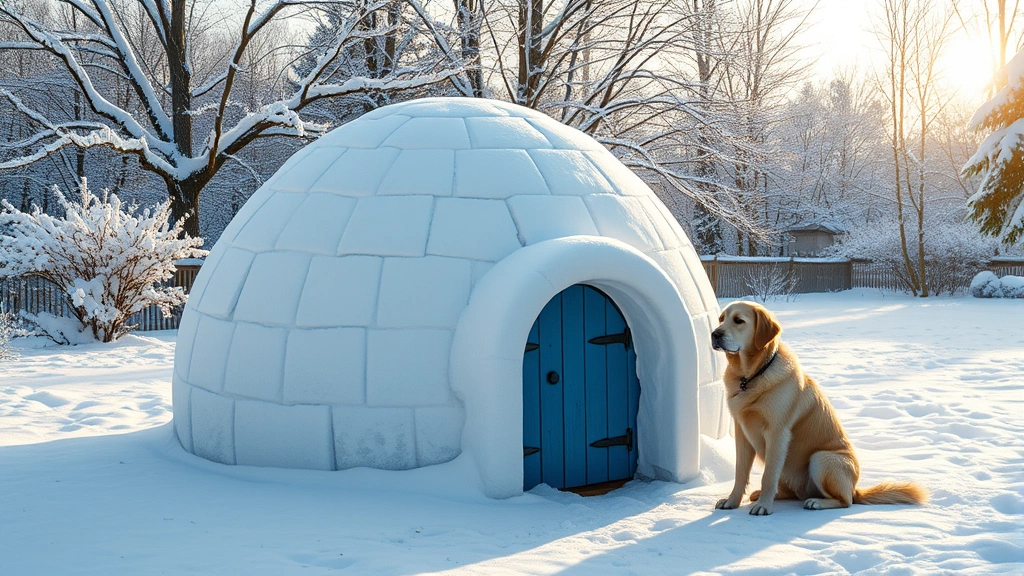
When winter rolls around and temperatures drop faster than your dog’s enthusiasm for a bath, an igloo dog house becomes your four-legged friend’s best defense against the cold. These dome-shaped shelters aren’t just cute—they’re engineered to trap heat and keep your pup cozy when Old Man Winter comes knocking. But with so many options out there, how do you pick the right one? Let’s dig in.
Table of Contents
- What Makes an Igloo Dog House Different?
- Why Winter Dog House Protection Matters
- Insulation Features You Should Look For
- Top 5 Igloo Dog Houses for Winter Warmth
- Sizing Your Igloo Dog House Correctly
- Installation and Placement Tips
- Maintenance and Seasonal Care
- Complementary Winter Dog Care
- DIY vs. Commercial Igloo Dog Houses
- Special Considerations for Different Breeds
- Cost vs. Quality Analysis
- Alternatives and Additions to Consider
- Health Monitoring in Winter
- Frequently Asked Questions
- Final Thoughts on Winter Dog Shelter
What Makes an Igloo Dog House Different?
Unlike traditional rectangular dog houses, an igloo dog house features a curved, dome-shaped design that’s pure genius for winter survival. The rounded structure naturally insulates better than flat walls, trapping warm air your dog generates with their body heat. Think of it as nature’s thermos, but for Fido. The design also sheds snow and rain more effectively, meaning water doesn’t pool on top like it does with traditional houses. Most igloo-style shelters come with a raised floor to keep your pup off cold, damp ground—a feature that separates the comfy homes from the drafty disasters.
Why Winter Dog House Protection Matters
Your dog might have a fur coat, but that doesn’t mean they’re immune to cold. Prolonged exposure to freezing temperatures can lead to hypothermia, frostbite, and other nasty complications. Senior dogs, puppies, and breeds with thin coats are especially vulnerable. An insulated igloo dog house provides a warm refuge where your pup can escape the elements. It’s not just about comfort—it’s about health and safety. According to the American Kennel Club, dogs should have access to shelter when temperatures drop below 45°F, with extra precautions needed below 32°F.
Insulation Features You Should Look For
Not all igloo dog houses are created equal. The best ones feature thick polyethylene walls with built-in insulation that keeps the interior significantly warmer than the outside air. Look for models with double-wall construction—this trapped air layer acts as an extra blanket. The entrance should be angled to reduce wind penetration while allowing easy access. Some premium models include removable, washable floor pads that add cushioning and insulation. Pro tip: the smaller the interior space, the more efficiently your dog’s body heat warms it, so don’t go oversized.
Top 5 Igloo Dog Houses for Winter Warmth
1. Petmate Igloo Insulated Dog House
The classic choice that’s been keeping dogs warm for decades. This model features thick polyethylene construction and a cozy interior that fits dogs up to 90 pounds. It’s durable enough to withstand harsh winters and UV rays in summer. The elevated floor keeps moisture at bay, and the angled roof sheds water like a champ. Price point is reasonable for the quality you get.
2. ASL Solutions Insulated Igloo Doghouse
This heavy-duty option is built for serious winter climates. With superior insulation and a design that minimizes heat loss, it’s perfect for dogs living in regions where temps regularly hit below zero. The removable floor makes cleaning easier, and the durable plastic resists cracking even in extreme cold.
3. Suncast DH250 Deluxe Insulated Dog House
Want something that looks less utilitarian? This model combines the igloo dog house benefits with a more modern aesthetic. It’s insulated, features a hinged roof for easy access, and comes with a cushioned mat. Great for folks who want their dog’s house to match their backyard décor.
4. Cedars Pet Supply Insulated Igloo Style Shelter
Budget-friendly without sacrificing warmth, this option delivers solid insulation and a windproof entrance tunnel. It’s lighter weight than some competitors, making it easier to move around your yard. Perfect for dogs in the 50-90 pound range.
5. Precision Pet Extreme Outdoor Doghouse
The premium pick for extreme weather warriors. This insulated fortress features the thickest walls in the category and an entrance tunnel that creates an airlock effect. If your pup lives where blizzards are a way of life, this is worth the investment.
Sizing Your Igloo Dog House Correctly
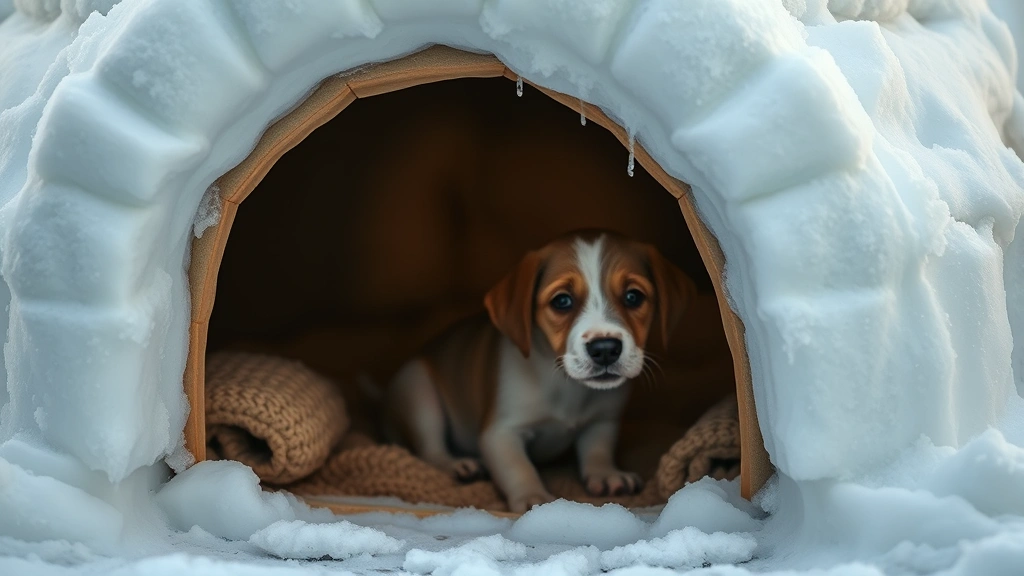
Here’s where many pet parents mess up: buying a house too large for their dog. Yes, it seems counterintuitive, but a spacious igloo dog house is actually harder to keep warm. Your dog’s body heat should warm the space efficiently. The general rule? Your pup should be able to stand, turn around, and lie down comfortably—but not much more. Measure your dog from nose to tail while lying down, then add 4-6 inches. That’s your ideal length. For height, measure from paw to head while standing, then add 3-4 inches. Too much wasted space means wasted heat.
Installation and Placement Tips
Location matters as much as the igloo dog house itself. Position it in a spot that gets afternoon sun exposure (yes, even in winter!) but isn’t in the wind’s direct path. Avoid low-lying areas where water pools during thaws. Elevate the house slightly on a platform or gravel to improve drainage. Face the entrance away from prevailing winds—in most places, that’s the north or northwest. Keep the house away from heat sources like furnaces or fireplaces (unless you want a toasted pup). Make sure it’s easily accessible for you to check on your dog and refill water bowls.
Maintenance and Seasonal Care
An igloo dog house needs TLC to stay functional. In winter, clear snow and ice buildup from the roof regularly—it adds weight and reduces insulation effectiveness. Check for cracks or damage after harsh weather. In spring, give it a thorough cleaning with mild soap and water. Remove any mold or mildew that accumulated during damp months. Add fresh bedding materials like straw (not hay, which retains moisture) for extra insulation. In summer, ensure adequate ventilation to prevent overheating. Store any removable components in a dry place during off-seasons.
Complementary Winter Dog Care
An igloo dog house is part of the winter survival kit, but it’s not the whole picture. Make sure your pup has access to fresh water—yes, it freezes, so check frequently. Consider heated water bowls for extreme climates. Keep your dog’s coat well-maintained; regular grooming removes mats that trap moisture and reduce insulation. If your dog spends extended time outdoors, check their paws for ice buildup and salt damage. Booties can help protect sensitive paw pads. For more guidance on keeping your dog healthy year-round, check out our Pet Nutrition Advice and learn about proper winter nutrition for outdoor dogs.
DIY vs. Commercial Igloo Dog Houses
Some hardcore DIYers build their own igloo dog houses using insulation materials and plastic domes. While creative, commercial options are usually more durable and weather-tested. They’ve undergone quality control that your garage project probably hasn’t. That said, if you’re handy and want a custom size, DIY can work—just ensure proper insulation, ventilation, and drainage. The time investment might not be worth it unless you’re building something truly unique or have very specific sizing needs. Most commercial igloo dog houses offer better value for the effort required.
Special Considerations for Different Breeds
Large breeds like German Shepherds and Golden Retrievers need larger igloo dog houses but benefit from the insulation just as much as smaller pups. Tiny breeds and those with thin coats (like Chihuahuas or Greyhounds) should prioritize maximum insulation and might benefit from additional bedding or even a heated pad inside. Thick-coated northern breeds like Huskies and Malamutes handle cold better but still appreciate a warm shelter to retreat to. Brachycephalic breeds (flat-faced dogs) can struggle with temperature regulation, so they need extra attention in winter conditions. If you’re unsure about your dog’s specific needs, consult your vet.
Cost vs. Quality Analysis
Igloo dog houses range from $100 to $500+, depending on size and insulation quality. Budget options ($100-200) work for mild winters and occasional outdoor time. Mid-range models ($200-350) offer solid insulation and durability for most climates. Premium options ($350+) are worth it if you live in harsh winter regions or have a large dog that spends significant time outside. Think of it as an investment in your dog’s health—a $300 house beats a $5,000 vet bill for hypothermia or frostbite. According to PetMD, proper shelter can prevent serious cold-weather injuries entirely.
Alternatives and Additions to Consider
An igloo dog house works great as a standalone solution, but some pet parents layer their winter protection. A collapsible dog crate can provide portable shelter for travel. Heated pads designed for outdoor use add extra warmth inside the igloo house. Windbreaks or privacy screens around the shelter reduce exposure to harsh winds. Some people use straw or cedar shavings for additional insulation (avoid hay, which retains moisture). Waterproof covers protect the house during heavy snow or rain. Reflective tape helps you spot the house in low-light winter conditions.
Health Monitoring in Winter
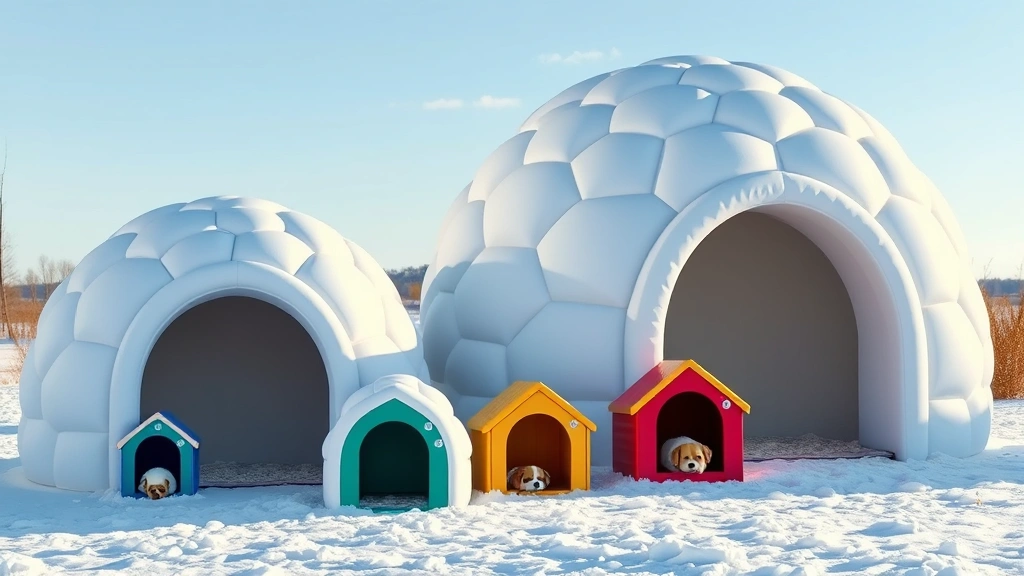
Even with a perfect igloo dog house, monitor your pup for signs of cold stress. Excessive shivering, reluctance to go outside, whining, or seeking warmth constantly are red flags. Paw pad issues like cracking or redness indicate cold damage. If your dog seems lethargic or confused, get them to a vet immediately—these are hypothermia symptoms. Older dogs and those with health conditions need extra vigilance. Keep outdoor time reasonable in extreme cold, even with shelter available. Your dog’s comfort and safety always come first.
Frequently Asked Questions
How long do igloo dog houses last?
A quality igloo dog house typically lasts 5-10 years with proper maintenance. UV exposure degrades plastic over time, so storing it during off-seasons or using UV-protective covers extends its lifespan. Cheaper models might only last 2-3 years before cracking or warping.
Can I use an igloo dog house year-round?
Technically yes, but it’s not ideal for hot climates. In summer, the insulation that keeps heat in also keeps heat trapped inside, potentially overheating your dog. Ensure adequate ventilation and consider moving it to a shaded area during warm months. For year-round use in moderate climates, it works fine.
What bedding should I use inside an igloo dog house?
Straw is the gold standard—it’s insulating and doesn’t retain moisture like hay does. Cedar or pine shavings work too but can be irritating to some dogs’ skin. Avoid blankets or towels that trap moisture. Replace bedding regularly to prevent mold and mildew growth.
Do I need to insulate the igloo dog house further?
Most quality igloo dog houses have sufficient built-in insulation. Adding extra insulation might be necessary only in extreme climates (below -20°F regularly). Consult your vet or a pet shelter expert before adding materials that might affect ventilation.
Can my dog get stuck in an igloo dog house?
No, the entrance is designed for easy entry and exit. However, ensure the opening is sized appropriately for your dog’s breed. A entrance that’s too small causes stress; one that’s too large reduces insulation effectiveness.
Is an igloo dog house better than a traditional house?
For winter climates, yes. The dome shape provides superior insulation and weather protection compared to rectangular houses. However, traditional houses work fine in mild climates and might be more affordable if you live somewhere warm.
Final Thoughts on Winter Dog Shelter
An igloo dog house is a smart investment for any dog owner in a cold climate. The dome design, insulation features, and weather resistance make it far superior to traditional shelters when temperatures drop. Whether you choose a budget-friendly option or go premium depends on your climate and dog’s needs. Remember, the best igloo dog house is one that’s properly sized, well-maintained, and complemented by good winter care practices. Your dog doesn’t just need a warm shelter—they need an owner who checks on them regularly, provides fresh water, and monitors for signs of cold stress. Combine a quality igloo house with these practices, and your pup will breeze through winter like it’s no big deal. For additional guidance on your dog’s overall health and nutrition during colder months, check out our article on can dogs eat chicken, which covers protein needs for winter coat maintenance.





