
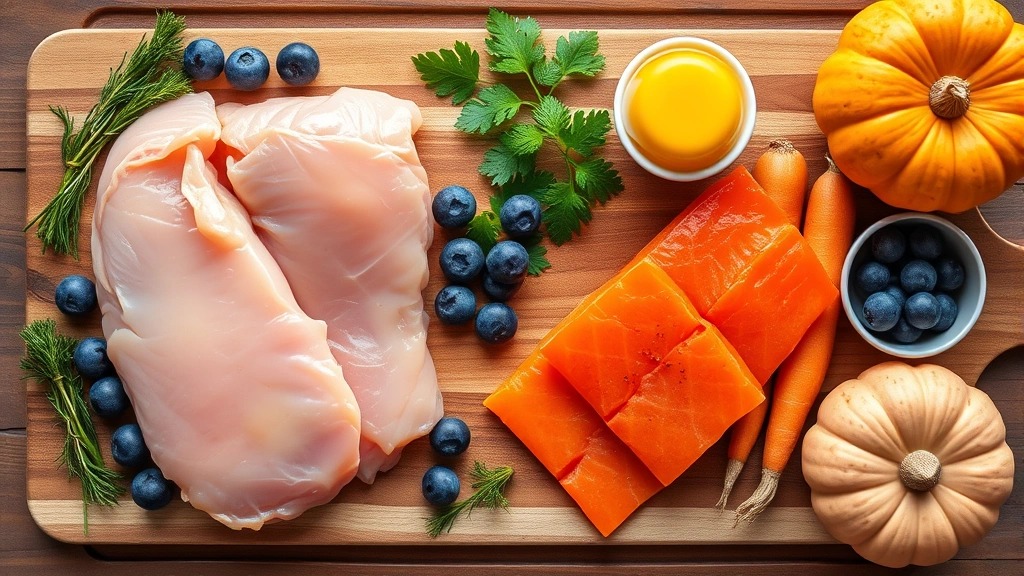
If you’re serious about keeping your pet healthy, immune-boosting foods for pets should be a cornerstone of their diet. Just like humans, our furry companions need proper nutrition to fight off illness, recover faster from infections, and maintain that vibrant energy we all love. The good news? You don’t need fancy supplements or complicated meal plans—nature has already provided some incredible immune-supporting ingredients that your pet will actually enjoy eating.
Table of Contents
- Why Your Pet’s Immune System Matters More Than You Think
- Chicken: The Protein Powerhouse for Immune Health
- Salmon and Fatty Fish: Omega-3 Superstars
- Sweet Potatoes: The Antioxidant Vegetable Everyone Needs
- Blueberries: Tiny Immune-Boosting Antioxidant Bombs
- Eggs: Complete Protein with Immune-Supporting Nutrients
- Bone Broth: The Liquid Gold of Pet Nutrition
- Probiotics and Gut Health: The Immune Connection
- Pumpkin: The Fiber-Rich Immune Supporter
- Carrots: Crunchy Immune Boosters and Natural Toothbrushes
- Supplements That Complement Whole Foods
- Creating Your Pet’s Immune-Boosting Meal Plan
- Frequently Asked Questions
- Final Thoughts: Your Pet’s Health is Worth the Effort
Why Your Pet’s Immune System Matters More Than You Think
Your pet’s immune system is basically their personal bodyguard, working 24/7 to protect them from viruses, bacteria, and other nasties. A strong immune system means fewer vet visits, less time dealing with infections, and more time playing fetch or napping in the sun. When you feed your pet immune-supporting nutrition, you’re essentially giving their body the tools it needs to do its job effectively.
The immune system relies on specific nutrients like antioxidants, vitamins, minerals, and healthy fats. Without these building blocks, your pet becomes more susceptible to illness. This is where strategic dietary choices come into play.
Chicken: The Protein Powerhouse for Immune Health
Let’s start with the MVP of pet proteins: chicken. This lean protein is packed with amino acids that your pet needs to build antibodies and immune cells. Chicken also contains B vitamins, particularly B6, which plays a crucial role in creating new immune cells. Whether you’re feeding raw, cooked, or incorporating it into commercial foods, quality chicken should be a regular part of your pet’s rotation. Speaking of which, rotating protein sources keeps things interesting and ensures your pet gets a broader spectrum of nutrients.
Salmon and Fatty Fish: Omega-3 Superstars
Salmon isn’t just delicious—it’s basically liquid gold for immune function. The omega-3 fatty acids in salmon reduce inflammation throughout the body, which is critical for a healthy immune response. These healthy fats also support brain health and coat quality, so you’re getting multiple benefits in one package. If your pet isn’t a fan of salmon, sardines and mackerel offer similar benefits. For a deeper dive into omega fatty acids, check out our guide on EPA for dogs and omega-6 for pets.
Sweet Potatoes: The Antioxidant Vegetable Everyone Needs
Sweet potatoes are nutritional rockstars loaded with beta-carotene, which converts to vitamin A in your pet’s body. Vitamin A is essential for maintaining healthy mucous membranes—your pet’s first line of defense against invading pathogens. These orange beauties also contain manganese and potassium. You can serve them cooked and mashed, mixed into meals, or as a chewy training treat. Most pets go absolutely bonkers for them.
Blueberries: Tiny Immune-Boosting Antioxidant Bombs
Don’t let their size fool you—blueberries pack an enormous antioxidant punch. These little blue gems contain anthocyanins and other polyphenols that fight free radicals and support cognitive function. The best part? Most pets find them irresistible, and you can freeze them for a refreshing summer treat. A small handful a few times per week is perfect for most dogs and cats. Just remember that moderation is key with any treat.
Eggs: Complete Protein with Immune-Supporting Nutrients
Eggs are one of nature’s most complete proteins, containing all nine essential amino acids. They’re also rich in choline, selenium, and lutein—all nutrients that support immune function. The yolk contains choline, which is particularly important for brain health and immune cell development. You can serve eggs cooked or raw (though cooked is generally safer for most pets). One to two eggs per week is a great immune-boosting addition to your pet’s diet.

Bone Broth: The Liquid Gold of Pet Nutrition
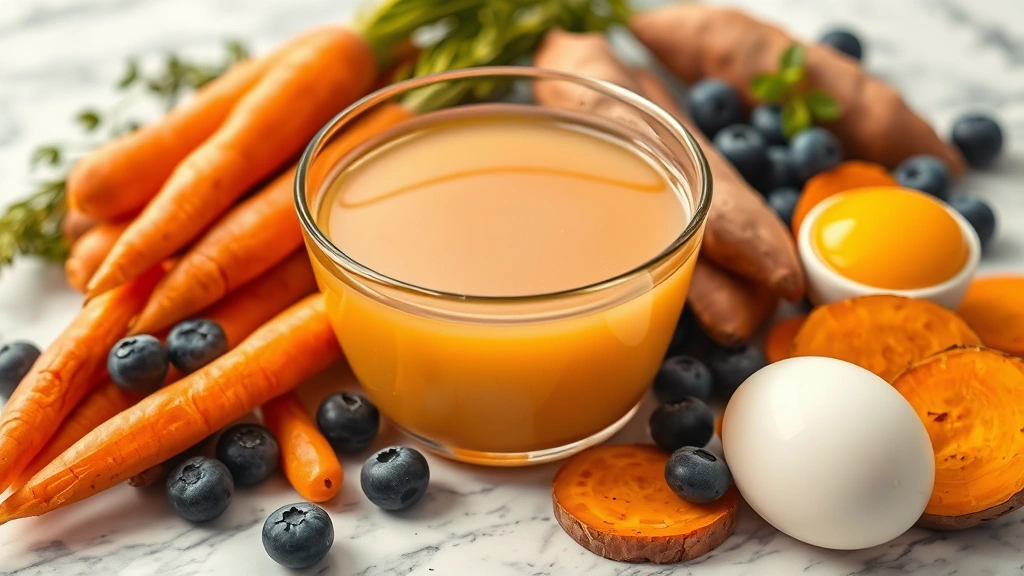
Bone broth has become trendy for humans, but pets have been benefiting from it for generations. This collagen-rich liquid supports gut health, which is where approximately 70% of your pet’s immune system lives. The amino acids in bone broth, particularly glutamine and glycine, help maintain intestinal integrity and support beneficial bacteria. A small amount drizzled over kibble or served as a standalone treat can make a real difference. Just ensure it’s made without onions or garlic, which are toxic to pets.
Probiotics and Gut Health: The Immune Connection
Here’s something that might surprise you: your pet’s gut health directly impacts their immune function. Beneficial bacteria in the digestive tract train immune cells and prevent harmful pathogens from taking hold. This is why multi-strain probiotics for pets have become so important in modern pet nutrition. You can find probiotics in fermented foods like plain yogurt (if your pet tolerates dairy) or in specialized pet supplements.
Pumpkin: The Fiber-Rich Immune Supporter
Pumpkin deserves its own section because it’s genuinely fantastic for immune health. This orange vegetable is rich in vitamin C, potassium, and fiber—all critical for immune function and digestive health. The soluble fiber feeds beneficial gut bacteria, creating an environment where your pet’s immune system can thrive. Plain pumpkin puree (not pie filling) mixed into meals is a simple way to add immune support. Most pets enjoy the slightly sweet flavor.
Carrots: Crunchy Immune Boosters and Natural Toothbrushes
Raw carrots offer multiple benefits: they’re loaded with beta-carotene for immune support, they’re low in calories, and they provide natural teeth cleaning action as your pet chews. The crunchiness helps remove plaque and tartar buildup, which indirectly supports immune health by preventing oral infections. You can serve them whole, sliced, or frozen. Some pets prefer them frozen, especially on hot days.
Supplements That Complement Whole Foods
While whole foods should be your primary focus, sometimes supplementation helps fill nutritional gaps. A quality pet multivitamin can ensure your pet gets consistent micronutrient support. Additionally, if your pet has food allergies or feeding routine concerns, targeted supplementation becomes even more important. Always consult with your veterinarian before starting new supplements.
Creating Your Pet’s Immune-Boosting Meal Plan
The key to success isn’t perfection—it’s consistency. You don’t need to feed every single immune-boosting food every single day. Instead, rotate proteins, include vegetables and fruits regularly, and ensure your pet’s base diet is high-quality and complete. A simple approach might look like: quality protein as the foundation, rotating through chicken, fish, and eggs; vegetables like sweet potato, pumpkin, and carrots mixed in; and occasional treats like blueberries or bone broth.
According to the American Kennel Club, proper nutrition is one of the most important factors in maintaining your pet’s health and longevity. Your veterinarian can help you develop a plan tailored to your specific pet’s age, size, and health status.
Remember that PetMD recommends discussing any dietary changes with your vet, especially if your pet has existing health conditions. And for science-backed information on pet nutrition, resources from veterinary schools like VIN (Veterinary Information Network) provide excellent evidence-based guidance.
Frequently Asked Questions
Can I give my cat immune-boosting foods for pets?
Absolutely! Cats benefit from many of the same immune-supporting foods as dogs, though in different proportions. Cats are obligate carnivores, so protein should be their primary focus. Chicken, fish, and eggs are excellent choices. However, cats are pickier about vegetables and fruits. Small amounts of cooked pumpkin or carrots might work, but don’t stress if your cat refuses them—quality protein is what matters most for feline immune health.
How long does it take to see immune health improvements?
This varies by individual, but most pet owners notice improvements in coat quality, energy levels, and fewer illness episodes within 4-8 weeks of dietary improvements. However, building a truly robust immune system is a long-term commitment. Think of it like investing in your pet’s health—the benefits compound over time.
Are raw diets better for immune health than cooked diets?
This is hotly debated in the pet nutrition world. Both raw and cooked diets can support immune health if they’re balanced and complete. Raw diets preserve some heat-sensitive nutrients but carry food safety risks. Cooked diets are safer and still nutritionally excellent. The best diet is one that’s complete, balanced, and that your pet will actually eat consistently. Consult your vet about which approach suits your situation.
Can supplements replace whole foods for immune support?
No. Supplements should complement, not replace, whole foods. Whole foods contain thousands of compounds that work synergistically in ways we don’t fully understand. A supplement might contain vitamin C, but an orange contains vitamin C plus fiber, flavonoids, and dozens of other beneficial compounds. Use supplements to fill gaps, but make whole foods your foundation.
What about immune-boosting foods for senior pets?
Senior pets absolutely benefit from immune-supporting nutrition, often even more than younger pets. Their immune systems naturally decline with age, making nutritional support crucial. Focus on highly digestible proteins, anti-inflammatory foods like fish, and probiotics for gut health. Senior pets might also benefit from joint-supporting foods like bone broth. Work with your vet to adjust portions for your senior pet’s caloric needs.
Final Thoughts: Your Pet’s Health is Worth the Effort
Immune-boosting foods for pets aren’t complicated or expensive—they’re just whole foods that nature designed to support health. By incorporating quality proteins, colorful vegetables, healthy fats, and beneficial supplements, you’re giving your pet the best possible foundation for a long, healthy life. Start with one or two additions to your pet’s current diet, observe how they respond, and gradually expand from there. Your veterinarian is your best resource for personalized guidance, so don’t hesitate to discuss your pet’s nutritional plan during your next visit. Your furry friend will thank you with years of vibrant health and endless cuddles.





