
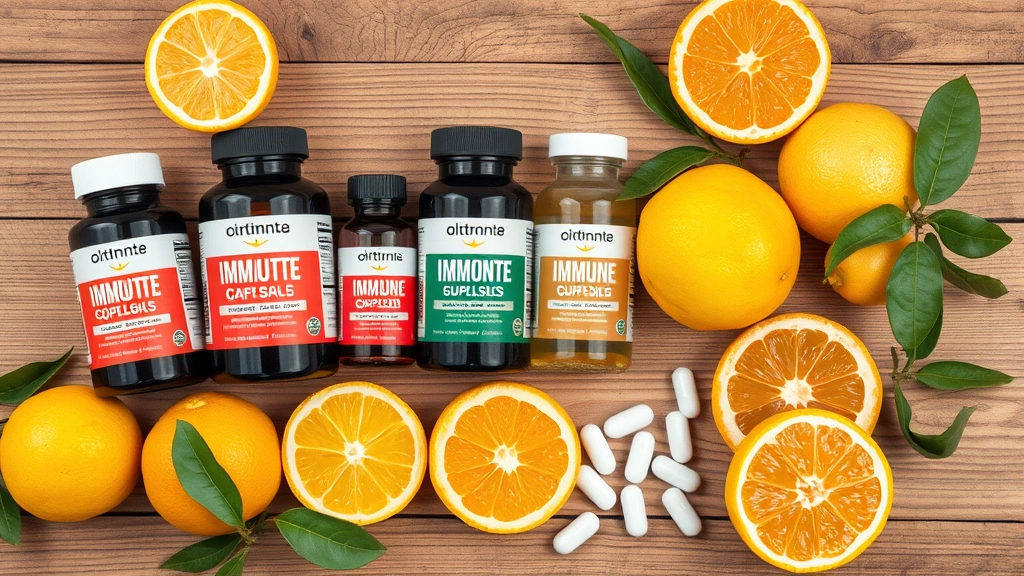
When the temperature drops and everyone around you starts sniffling, immune boosting supplements for winter become your best friend. Whether you’re a pet parent worried about your furry companion or someone looking to fortify your own defenses, the right supplements can make a real difference. Let’s dive into what actually works and what’s just marketing hype.
Why Winter is the Perfect Storm for Weak Immunity
Winter doesn’t just bring cozy sweaters and hot cocoa—it brings a host of health challenges. Cold weather reduces our vitamin D production, stress levels spike during the holidays, and we spend more time indoors where germs party like it’s New Year’s Eve. Your immune system basically needs a pep talk, and that’s where supplements come in. For pets, the struggle is real too. Your dog or cat might be spending more time inside, moving less, and dealing with dry air from heating systems.
Probiotics: The Gut Guardian That Actually Matters
Here’s something most people don’t realize: about 70% of your immune system lives in your gut. Yep, your digestive tract is basically immune system headquarters. Winter wellness supplements should absolutely include probiotics because a healthy gut microbiome is non-negotiable for fighting off winter bugs.
Probiotics are live beneficial bacteria that keep your digestive system running like a well-oiled machine. When your gut flora is balanced, you’re better equipped to fend off pathogens. For pets, this is equally crucial. Check out our guide on multi-strain probiotics for pets to understand how different bacterial strains work together to support your furry friend’s immunity.
The best probiotic supplements contain multiple strains—think of them as a diverse team of defenders rather than a single superhero. Liquid probiotics for pets offer excellent bioavailability, meaning your pet’s body can actually absorb and use them effectively. If your pet has a sensitive stomach, we’ve got you covered with our breakdown of sensitive stomach supplements that won’t cause digestive upset.
Vitamin D: The Sunshine Vitamin You’re Definitely Missing
During winter, your skin barely sees sunlight, which means your vitamin D production takes a nosedive. This is a problem because vitamin D isn’t just about bone health—it’s a critical immune regulator. Studies show that people with low vitamin D are more susceptible to respiratory infections. Coincidence? I think not.
For pets, especially those living in northern climates, vitamin D supplementation during winter months can be genuinely beneficial. Your dog or cat isn’t sitting in a sunny window all day like they might in summer. A quality vitamin D supplement designed for pets can help maintain optimal immune function when natural sunlight is scarce.
Zinc: The Mineral That Speeds Up Recovery
Zinc is like the emergency room doctor of minerals—it jumps into action when your immune system needs backup. This trace mineral is essential for immune cell development and function. When you’re deficient in zinc, your immune response becomes sluggish and less effective.
The tricky part? You can’t just megadose on zinc and expect miracles. Too much zinc can actually suppress immunity (talk about ironic). The sweet spot for most adults is 8-11 mg daily, and for pets, it depends on their size and species. Winter immune boosting supplements often include zinc in balanced amounts because it works synergistically with other nutrients.
Zinc is particularly important for fighting off cold and flu viruses. Some research suggests that taking zinc within 24 hours of symptom onset can reduce the duration of illness. For pets showing signs of immune stress, zinc-inclusive supplements can provide meaningful support.
Vitamin C: More Than Just Orange Juice
Your grandmother was onto something when she pushed orange juice during cold season. Vitamin C is a powerhouse antioxidant that supports white blood cell function. These are the cells that literally hunt down pathogens and eliminate them.

Here’s the thing though: unlike some animals, dogs and cats actually produce their own vitamin C, so supplementation isn’t always necessary for them. However, during periods of stress or illness, additional vitamin C can provide support. Winter stress—from cold temperatures, changes in routine, and less outdoor activity—can increase your pet’s vitamin C requirements.
For humans, most experts recommend 75-90 mg daily for adults, with higher amounts during illness. Interestingly, vitamin C is water-soluble, meaning excess amounts are excreted, so overdosing is less of a concern than with fat-soluble vitamins.
Elderberry: The Folk Remedy That Science Actually Supports
Natural immune boosting supplements for winter often include elderberry, and this one actually has legitimate research backing it up. Elderberry contains compounds called anthocyanins that have antiviral and anti-inflammatory properties.
Several studies suggest that elderberry supplements can reduce the duration and severity of cold and flu symptoms. It’s not a magic bullet, but it’s a solid addition to your winter supplement arsenal. For pets, elderberry products designed for animals can provide similar benefits, though always check with your vet first.
Omega-3 Fatty Acids: The Anti-Inflammatory Powerhouse
Omega-3s aren’t just good for your heart and brain—they’re essential for immune regulation. These fatty acids help reduce excessive inflammation while supporting immune response. During winter, when inflammatory conditions often flare up, omega-3 supplementation becomes particularly valuable.

For pets, omega-3s from fish oil or algae-based sources can reduce inflammation in the joints, skin, and digestive tract. This is especially important for senior pets or those with chronic conditions. The anti-inflammatory effect actually supports better immune function because your body isn’t wasting resources fighting internal inflammation.
How to Choose Quality Supplements for Winter
Not all supplements are created equal, and the market is flooded with mediocre products. When shopping for immune boosting supplements for winter, look for third-party testing certifications. Organizations like NSF International and USP verify that products contain what they claim and are free from contaminants.
For pet supplements, check that they’re formulated specifically for animals and that the dosages are appropriate for your pet’s weight and species. If your cat needs immune support, powder probiotics for cats can be easily mixed into food, making compliance easier.
Look for supplements with transparent ingredient lists. If you can’t pronounce the ingredients or they’re vague about sourcing, keep scrolling. Quality manufacturers are proud of their sourcing and manufacturing practices.
Timing Matters: When to Start Your Winter Protocol
Ideally, you should start supplementation before winter hits. Your immune system doesn’t build up defenses overnight. Beginning in late September or early October gives your body time to establish baseline immune support before peak cold and flu season.

For pets, the same principle applies. Starting supplements in fall means their immune system is primed and ready when winter weather arrives. Consistency is more important than intensity—taking supplements regularly at lower doses beats sporadic megadosing.
Real Talk: Supplements Aren’t a Magic Wand
Let’s be honest: no supplement will turn you into an immunity superhero. Sleep, nutrition, stress management, and exercise are still the foundation of good health. Supplements enhance and support these fundamentals—they don’t replace them.
For pets, this means supplements work best alongside proper nutrition, regular (even if shorter) outdoor time, and maintaining their regular routine as much as possible during winter. A supplement can’t compensate for a poor diet or complete lack of exercise.
Potential Side Effects and Interactions
Most supplements are well-tolerated, but some people and pets experience side effects. Probiotics might cause temporary bloating as your gut bacteria rebalance. Vitamin C in high doses can cause digestive upset. Zinc supplements might cause nausea if taken on an empty stomach.
If your pet is on medications, certain supplements can interact. Always mention supplements to your veterinarian, especially if your pet is on immune-suppressing drugs or has underlying health conditions. Better safe than sorry.

Budget-Friendly Winter Immune Boosting
Quality supplements don’t have to break the bank. Many effective options are reasonably priced, especially if you buy in bulk or look for sales during winter months. Some retailers offer subscription discounts that can reduce costs by 10-20%.
Consider prioritizing the supplements with the strongest evidence: probiotics, vitamin D, and zinc. These three alone can make a significant difference without requiring a second mortgage.
Frequently Asked Questions
How long does it take for immune boosting supplements to work?
Most supplements require consistent use for 2-4 weeks before you notice meaningful effects. Probiotics specifically need time to colonize your gut. For acute immune support during active illness, some supplements like zinc and elderberry might show benefits within days, but prevention requires patience.
Can I give my pet the same supplements I take?
Absolutely not. Many human supplements contain ingredients that are toxic to pets, and dosages are completely different. Always use supplements specifically formulated for animals. Your veterinarian can recommend pet-appropriate options.
Are there any supplements I should avoid during winter?
Avoid overstimulating supplements that claim to “boost” immunity excessively. Your immune system needs balance, not constant overdrive. Excessive stimulation can actually lead to autoimmune issues. Stick with balanced, evidence-based supplements.
Should I take supplements year-round or just in winter?
Some supplements like probiotics and omega-3s benefit from year-round use. Others like vitamin D are particularly important in winter but can be reduced in summer when sun exposure increases. Zinc can be taken year-round in appropriate doses. Discuss a personalized protocol with your healthcare provider.
What’s the difference between natural and synthetic supplements?
Natural doesn’t automatically mean better, and synthetic doesn’t mean inferior. What matters is bioavailability—how well your body can absorb and use the nutrient. Some synthetic forms are actually better absorbed than natural versions. Focus on effectiveness and third-party testing rather than the natural label.
The Bottom Line: Your Winter Immune Strategy
Winter doesn’t have to be a season of constant sniffles and lethargy. Immune boosting supplements for winter can genuinely support your health and your pet’s wellness when chosen thoughtfully and used consistently. Start with the basics—probiotics for gut health, vitamin D for sunshine deficiency, and zinc for immune cell support. Add elderberry or vitamin C if you want extra reinforcement.
Remember that supplements work best as part of a comprehensive wellness approach. Combine them with solid sleep, nutritious food, stress management, and regular movement. For your pets, maintain their routine, keep them active despite the cold, and provide proper nutrition alongside any supplements.
The investment in quality supplements now can save you from miserable weeks of illness later. Your future self—and your pet—will thank you when everyone around you is sick and you’re feeling strong.





