
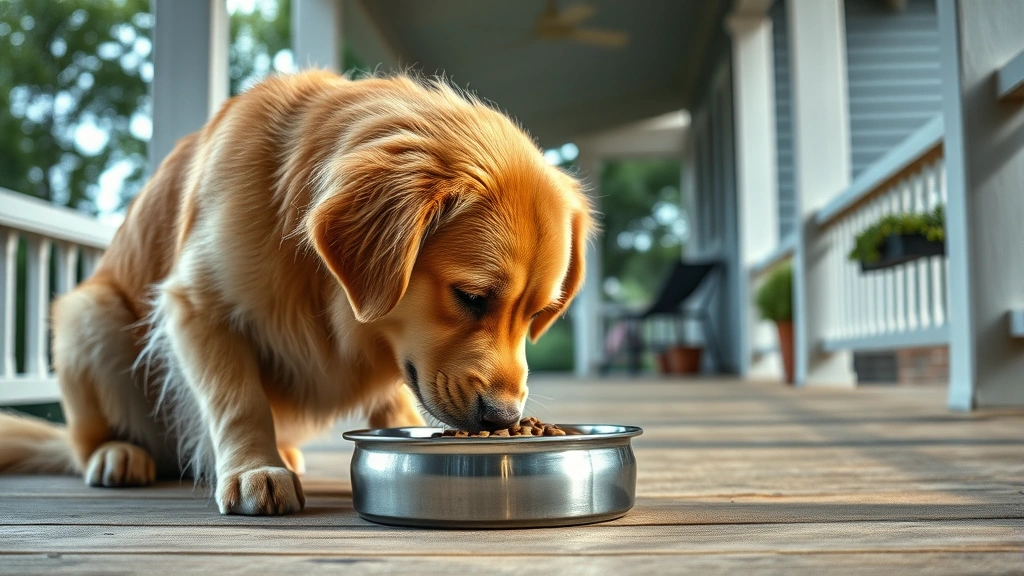
Managing indoor-outdoor pet feeding is like juggling flaming kibble—except the kibble doesn’t actually catch fire, but your stress levels might if you’re not prepared. Whether you’ve got a cat who thinks your kitchen is a 24-hour buffet or a dog who treats the backyard like an all-you-can-eat restaurant, feeding pets that split their time between home and the great outdoors requires strategy, planning, and maybe a little bit of detective work.
Table of Contents
- Understanding Your Pet’s Dual Lifestyle and Caloric Needs
- Establish Separate Feeding Stations for Indoor and Outdoor Portions
- Choose the Right Food Formula for Active Pets
- Monitor Food Intake and Prevent Overfeeding
- Implement a Scheduled Feeding Routine
- Address Water Access in Indoor and Outdoor Environments
- Watch for Signs of Nutritional Imbalance
- Manage Pest and Wildlife Interference
- Adjust Feeding Based on Seasonal Changes
- Consider Health Conditions and Special Dietary Needs
- Create a Backup Plan for Consistency
- Frequently Asked Questions
- Summary: Mastering Indoor-Outdoor Pet Feeding
The truth is, pets living a dual lifestyle have unique nutritional needs that differ dramatically from their strictly indoor or outdoor counterparts. Your golden retriever who spends three hours chasing squirrels burns way more calories than your neighbor’s couch potato. And that tabby who sneaks outside to hunt? She’s getting bonus protein you probably didn’t budget for.
In this guide, we’ll break down everything you need to know about keeping your indoor-outdoor pets properly nourished, healthy, and (hopefully) less likely to raid the garbage cans at 3 AM.
Understanding Your Pet’s Dual Lifestyle and Caloric Needs
Before you even think about which bowl goes where, you need to understand what your pet is actually doing when they’re outside. A pet that spends 30 minutes a day lounging on the porch has completely different caloric requirements than one who’s out there hunting, exploring, and playing for hours.
According to the American Kennel Club, activity level is one of the most critical factors in determining how much your dog should eat. An active dog might need 50% more calories than a sedentary one. Cats are trickier—they’re sneaky about their outdoor activities, so you might not realize your “indoor” cat is actually part-time mouser.
Your vet can help you calculate the exact caloric needs for dogs based on their age, weight, and activity level. The same applies to cats, though feline nutrition gets its own special level of complexity.
Establish Separate Feeding Stations for Indoor and Outdoor Portions
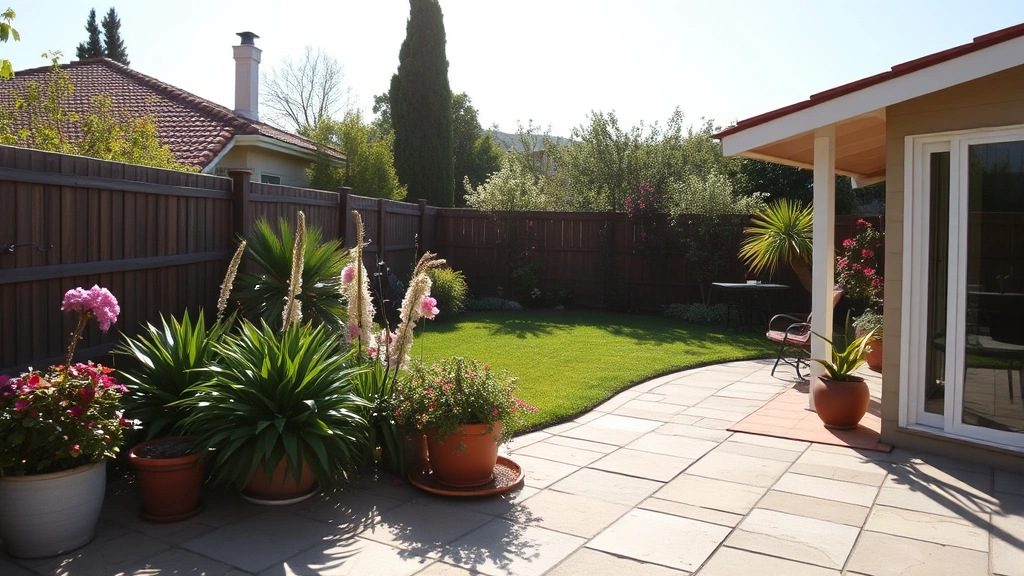
Here’s where things get practical. You can’t just dump food in one bowl and hope for the best. Indoor-outdoor pet feeding works best when you create distinct feeding zones.
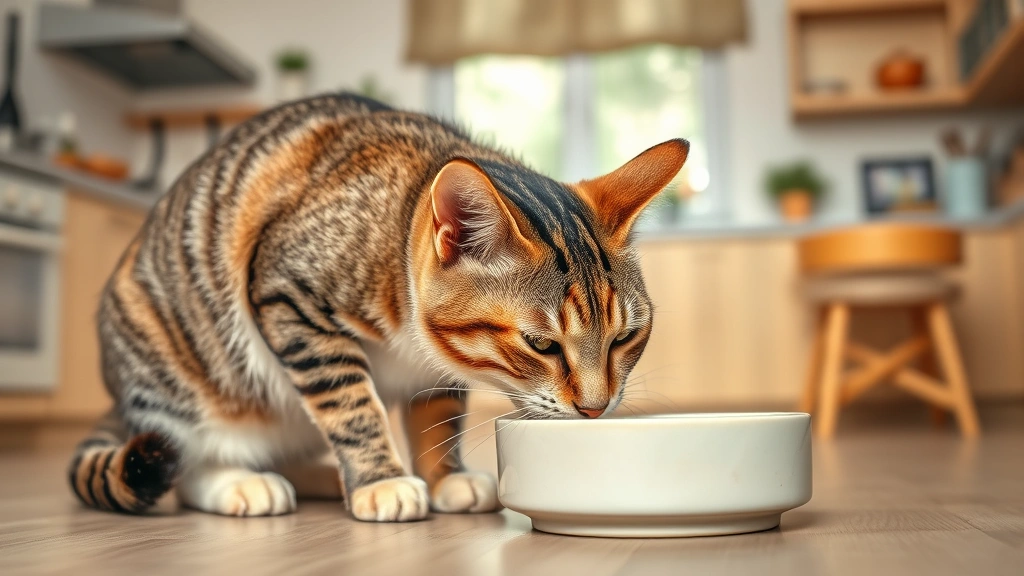
Your indoor feeding station should be in a quiet, low-traffic area—away from the chaos of family life but easy for you to monitor. This is where your pet gets their measured, controlled meals that you can actually track. Use a consistent bowl, same location, same time (if possible). Your pet’s digestive system loves routine like a dog loves a squeaky toy.
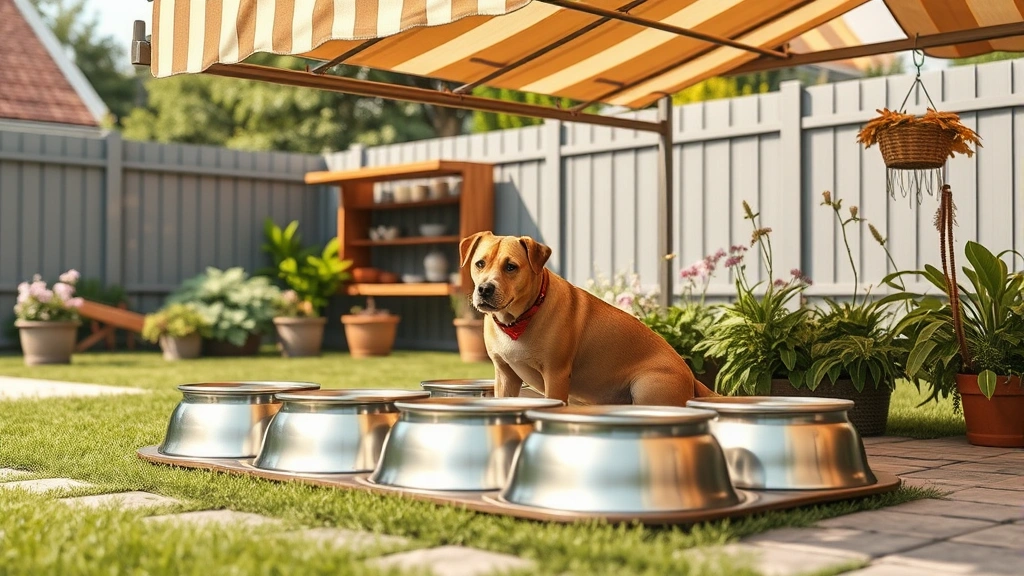
The outdoor feeding station is trickier. If you’re feeding your pet outside, keep it on a covered porch or under an awning. Wet food attracts pests faster than you can say “raccoon invasion,” and nobody wants that surprise. Use stainless steel or ceramic bowls that are easy to clean and less likely to harbor bacteria.

Pro tip: Feed your pets at different times if possible. This prevents one pet from eating another’s food and gives you better control over portions. Your indoor cat might be finished with breakfast while your outdoor dog is just getting started.
Choose the Right Food Formula for Active Pets
Not all pet foods are created equal, and your indoor-outdoor buddy needs fuel that matches their lifestyle. You’re not looking for the same formula you’d use for a pet that never leaves the living room.
High-quality protein should be your non-negotiable baseline. Active pets need more protein to maintain muscle mass and support their increased activity. Look for foods where meat is the first ingredient—not meat by-products or meal. Your pet’s body will thank you.
Fat content matters too. Active pets benefit from higher fat content (within reason) because fat is calorie-dense and provides sustained energy. Check the AAFCO statement on your pet food to ensure it meets nutritional standards. PetMD recommends looking for foods specifically formulated for active or working pets if your indoor-outdoor companion is particularly energetic.

Consider your pet’s age as well. A young, active dog has different needs than a senior who spends most of their time napping. The adult cat feeding guide and similar resources can help you navigate these nuances.
Monitor Food Intake and Prevent Overfeeding
This is where many pet parents stumble. You can’t accurately manage indoor-outdoor pet feeding if you don’t know how much your pet is actually eating.
Keep a feeding log. Write down what you feed your pet, when, and how much. This might seem obsessive, but it’s invaluable when you notice weight changes or behavioral shifts. Plus, if your pet gets sick, your vet will love you for having this information.
Measure food carefully using a scale or measuring cup—not the “handful” method. That’s how pets end up looking like furry potatoes. If your pet is outdoors, they might be supplementing their diet with snacks (bugs, grass, mysterious things they find), so you need to account for that by potentially reducing indoor portions slightly.
Weight checks should happen monthly. You should be able to feel your pet’s ribs without pressing hard, and they should have a visible waist when viewed from above. If you can’t feel the ribs, it’s time to reduce portions.
Implement a Scheduled Feeding Routine
The difference between free feeding vs scheduled feeding is night and day when you’re managing indoor-outdoor pets. Free feeding (leaving food out all day) is basically an open invitation to weight gain and digestive issues.
Scheduled feeding—offering food at specific times and removing uneaten portions after 20-30 minutes—gives you complete control. It also helps with potty training consistency and makes it easier to catch health issues early.
For dogs, two meals a day is standard. For cats, it depends on their age and preferences, but most adult cats do well with two meals. Time your feedings strategically: maybe breakfast before they head outside and dinner after they come in for the night.
Your pet’s pet meal frequency should align with their outdoor schedule. If your dog is out for hours at a time, feed them before they leave so they have sustained energy, not a huge meal right before activity (which can cause digestive issues).
Address Water Access in Indoor and Outdoor Environments
Water is just as important as food, and it’s often overlooked in the indoor-outdoor feeding conversation. Your pet needs constant access to fresh, clean water both inside and outside.
Indoors, place water bowls in multiple locations. One in the kitchen is obvious, but consider one in the bedroom or living room too. Pets are more likely to drink when water is convenient.
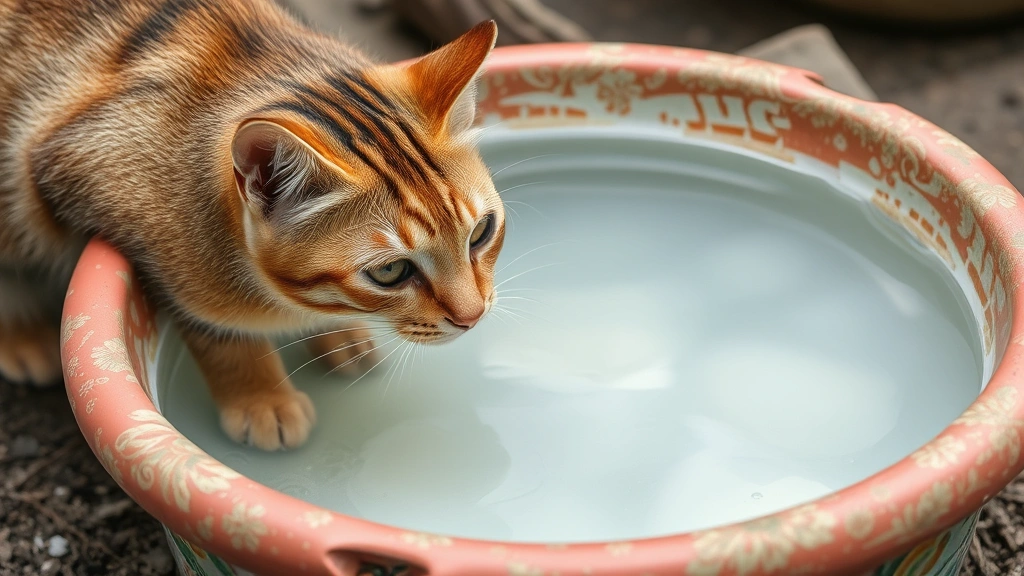
Outdoors, provide fresh water in a shaded area. Change it multiple times daily, especially in warm weather. Stagnant water attracts bacteria and parasites—neither of which your pet needs. If you live in a cold climate, heated water bowls prevent freezing in winter.
Monitor water intake as part of your overall health tracking. Excessive drinking or lack of interest in water can signal health problems that need veterinary attention.
Watch for Signs of Nutritional Imbalance
Your pet can’t tell you “Hey, I’m not getting enough taurine” or “My coat is getting dull because of poor nutrition.” You have to be the detective.
Red flags include dull coat quality, low energy levels, digestive issues, or unexpected weight changes. If your previously active dog is suddenly sluggish, or your cat’s fur looks matted and unhealthy, nutrition might be the culprit.
Outdoor activities can also mask nutritional issues initially. A pet that’s hunting or scavenging might seem fine because they’re supplementing their diet with whatever they catch. But this is unpredictable and potentially dangerous (if they’re eating contaminated prey or toxic substances).

Have regular vet checkups—at least annually, more frequently for senior pets. Your vet can assess body condition and recommend dietary adjustments based on what they observe.
Manage Pest and Wildlife Interference
Here’s the annoying reality: outdoor food attracts unwanted visitors. Raccoons, possums, stray cats, and various critters view your pet’s food as a personal invitation to dinner.
Never leave food outside unattended. Feed your pet, let them eat, then remove the bowl within 30 minutes. This prevents pest attraction and keeps your pet from eating stale food (which can harbor bacteria).
If you must leave food out temporarily, use covered feeding stations or elevated feeders that smaller animals can’t access. Keep the area clean—spilled food is basically a welcome mat for pests.
For feeding indoor vs outdoor cats, the challenges are similar but the solutions differ slightly. Cats are pickier and more likely to abandon food if it’s been sitting around, which actually works in your favor pest-wise.
Adjust Feeding Based on Seasonal Changes
Your pet’s nutritional needs change with the seasons. Winter requires more calories for temperature regulation. Summer heat might reduce appetite. Activity levels shift too—your dog might be less active during scorching summers but more active during mild spring weather.
Pay attention to these patterns. You might need to increase portions in winter and decrease them in summer. Some pets become picky eaters in heat; that’s normal. Just make sure they’re staying hydrated.
Seasonal parasites are another consideration. Outdoor pets are more exposed to fleas, ticks, and worms during certain seasons. Proper nutrition supports immune function, which helps your pet fight off parasitic infections more effectively.

Consider Health Conditions and Special Dietary Needs
If your indoor-outdoor pet has health conditions like allergies, digestive issues, or metabolic disorders, feeding becomes even more critical.
A dog with food allergies can’t be eating mysterious outdoor snacks. A cat with kidney disease needs precise protein levels. A pet with diabetes requires consistent meal timing and specific food formulations.
Work closely with your vet to choose appropriate foods and establish feeding protocols that support your pet’s health condition while accounting for their outdoor activities. Sometimes this means limiting outdoor time or supervising outdoor feeding more strictly.
Create a Backup Plan for Consistency
Life happens. You get stuck at work, travel, or face emergencies. What happens to your pet’s feeding schedule then?

Establish a backup plan with a trusted pet sitter, friend, or family member who understands your pet’s feeding routine. Leave detailed instructions about portions, timing, and any special considerations. This consistency matters—disrupted feeding schedules stress pets out and can cause digestive upset.
Consider also having backup food on hand. If you suddenly can’t get to the store, you don’t want to scramble for options that might upset your pet’s stomach.
Frequently Asked Questions
How much should I feed an indoor-outdoor pet compared to a strictly indoor pet?
It depends entirely on activity level, but generally, indoor-outdoor pets need 10-25% more calories than sedentary indoor pets. A highly active dog might need 50% more. Your vet can calculate specific needs based on your individual pet’s lifestyle and metabolism.
Can I feed my indoor-outdoor pet the same food indoors and outdoors?
Yes, you can use the same food, but portion sizes should reflect total daily activity. The key is measuring total intake across both environments. Some people prefer higher-quality, more nutrient-dense foods for indoor-outdoor pets to ensure they’re getting proper nutrition even if portions are smaller.

What’s the best way to prevent my outdoor pet from eating wildlife?
You can’t completely prevent hunting instinct, but you can reduce it by ensuring your pet is well-fed and satisfied. A hungry pet is more likely to hunt. Supervise outdoor time when possible, and keep your pet’s vaccinations current in case they do catch something.
How often should I check my indoor-outdoor pet’s weight?
Monthly weight checks are ideal. This helps you catch gradual weight gain or loss before it becomes a health issue. If you notice significant changes, consult your vet.
Should I use different bowls for indoor and outdoor feeding?
It’s a good idea. Separate bowls make it easier to track intake and prevent cross-contamination. Use stainless steel or ceramic for durability and easy cleaning. Avoid plastic, which can harbor bacteria and might leach chemicals over time.
What if my indoor-outdoor pet refuses to eat on schedule?
Occasional picky eating is normal, but persistent refusal to eat warrants a vet visit. Outdoor pets might be supplementing their diet with snacks, or they could be ill. Keep a close eye on behavior and weight changes.
Summary: Mastering Indoor-Outdoor Pet Feeding
Managing indoor-outdoor pet feeding isn’t rocket science, but it does require attention, planning, and consistency. Your pet’s dual lifestyle means they have unique nutritional needs that go beyond standard indoor or outdoor feeding guidelines.
The essentials boil down to this: understand your pet’s activity level, establish separate feeding stations, choose appropriate food, monitor intake carefully, implement scheduled feeding, provide constant water access, watch for nutritional issues, manage pest interference, adjust seasonally, account for health conditions, and maintain consistency through backup plans.
Your pet depends on you to keep them properly nourished whether they’re lounging on the couch or exploring the backyard. Get it right, and you’ll have a healthy, energetic companion for years to come. Get it wrong, and you might end up with a chubby pet who raids the garbage can at midnight.
The choice is yours—but hopefully, with these tips, you’ll choose wisely.





